
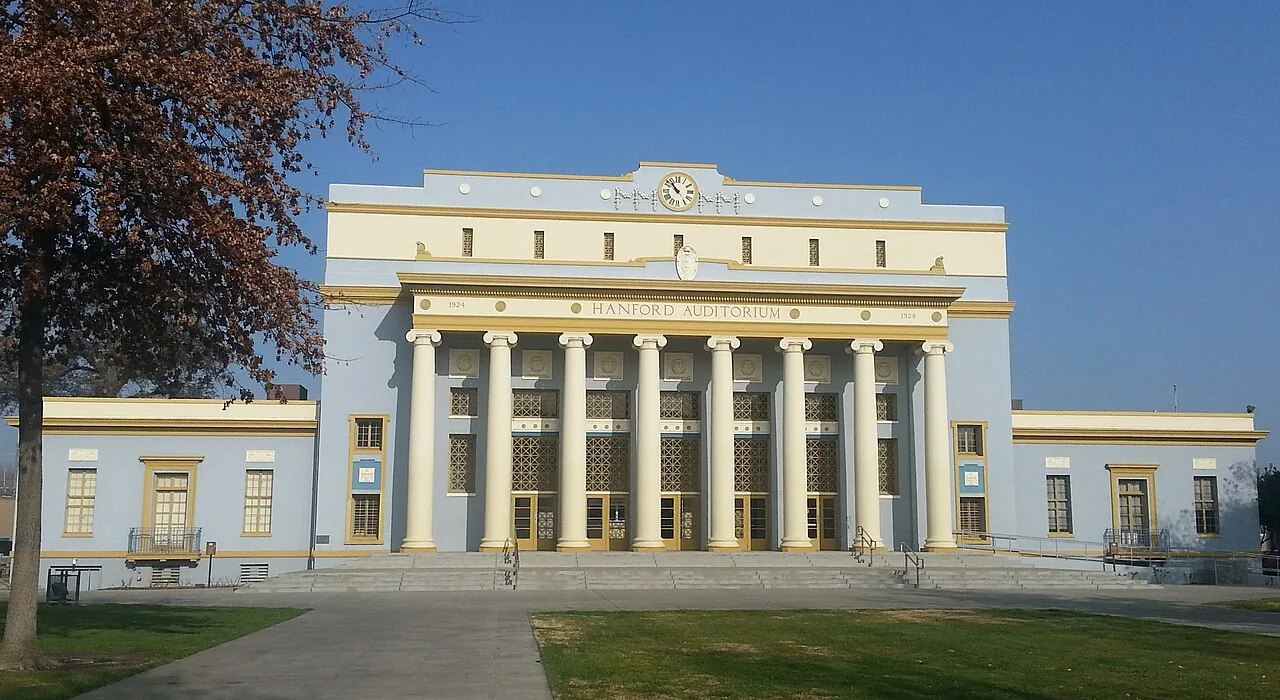
Commercial Roofing in Hanford, CA
Service Areas | Visalia and Tulare County
Hanford
A rusted edge or loose termination can let water turn beneath a roof field before a ceiling shows damage. We start a Hanford inspection at the affected section, then check the edge, nearby seams, curbs, and drainage path. The City offers site-selection assistance and identifies its City Industrial Park as an area for business interest, but neither fact identifies a particular building's roof. We confirm the assembly and current use with the property contact. The first report records what was reached and what test could change the repair decision.
Work from the Water Path
An interior drip is a starting clue, not a map of the opening. Water can travel across a deck, follow insulation joints, or enter at a penetration well away from the stain. We compare the interior report with roof seams, wall flashings, drains, and previous repairs. A commercial roof inspection labels the tested area and separates visible defects from conditions that require an opening. That leaves the owner with a defined basis for a repair estimate.
Before testing, we ask who controls access, whether equipment must be shut down, and which spaces below need protection. We also review any roof plan, recent service invoice, or leak log the manager can share. A repair scope should identify material, boundary, and close-in plan. If active water needs immediate control, we record temporary protection separately so it does not become confused with a permanent correction or a larger roof project.
Keep Site Facts in Their Proper Scope
Hanford lists a 9.81-acre heavy-industrial parcel in its City Industrial Park as available for offers. That is a land listing, not a roof measurement and not evidence that a building is already operating there. A roof survey begins with the property presented for inspection: its plans, materials, drainage, and access. If a project is still being selected, a condition report can document known roof information without converting parcel acreage into building area.
Hanford also links a retail-climate overview and a 2024 market guide as commercial location resources. Those materials help a business compare sites, but they do not describe a particular roof. We check the selected building against its own plans, edge details, drainage, and access needs. A location guide can narrow the search; it cannot replace a walk of the actual roof. Before estimating, we confirm the building footprint, roof access point, occupied areas below, and any planned equipment or tenant work that could affect the sequence. The owner can then compare a repair scope with the building facts already verified. The City offers site-selection help for new and relocating businesses; once a property is chosen, our roof walk records current conditions rather than borrowing a conclusion from an area guide.
Check Seams, Flashings, and Drain Bowls
Heat can move exposed sealant and flashing while rain tests the same roof details from another direction. Visalia's Visalia's climate averages provide the market city's climate context: 94.7 days per year reach 90 degrees or higher on average, and 11.3 reach 100. These values are for Visalia, not readings from a Hanford weather station or a description of a particular roof. We use them to plan a seasonal check of laps, exposed sealants, terminations, and drain conditions, then describe only what the field shows.
A drain bowl may be clear while water still collects beside a curb or at a low point. We trace the intended route to the overflow and photograph any debris, membrane break, or patch that narrows it. A drain and scupper review records the outlet and surrounding detail. If water remains after cleaning, we separate a plumbing question from a membrane repair or roof-plane correction. Another coating is not a drainage fix when slope or outlet height is the controlling issue.
Confirm the System before Naming a Repair
Thermoplastic, modified-bitumen, EPDM, and coating assemblies take different repair methods. We look at seam shape, surface, attachment clues, prior patches, and flashing materials before selecting a product. If the material is not clear, we say what is known and mark the test that would settle it. A rubber membrane review checks seams, field patches, and penetration details when EPDM is confirmed. The title on an old invoice alone does not establish which layers remain.
A second layer or a repair overlay can conceal wet insulation or a weak deck. When that condition could change the estimate, we mark a test location and explain how the result affects repair, recover, or tear-off. The owner can then authorize an opening with a defined close-in method. A moisture survey may help locate patterns for follow-up, but the report distinguishes a reading from a confirmed wet area. No recommendation should imply that an untested roof section has the same condition.
Set a Price around the Known Work
A repair estimate depends on the access method, membrane type, repair area, protection below, and material transition at the edge. Replacement adds tear-off, disposal, insulation, staging, and daily close-in. We list those drivers in plain terms so the owner can see what is fixed and what depends on a test or concealed deck condition. Capital planning can separate urgent water control from longer-term work without labeling an untested reserve as a priced repair.
Visalia's station records 10.32 inches of mean annual precipitation, mostly in the months from late fall to early spring. This is a Visalia normal, not a Hanford-specific measurement. It still gives the regional service team a reason to review drains and exposed seams before the wetter period, while a roof in Hanford receives its own inspection. The owner can schedule a maintenance walk around access and active operations, then price repairs from the written findings rather than a calendar alone.
Preserve the Decision after Closeout
At closeout, we tie photos to roof sections, note material installed, identify what was not reached, and record any follow-up test. That matters when a property changes managers or an estimate is revisited months later. The City Industrial Park is a named business area; an owner may also operate a separate site in another part of the service area. A Exeter Highway Commercial District can follow its own plan. A separate Goshen property walk gets its own plan and repair record rather than inheriting Hanford findings.
Before dispatch, share the property entrance, reported water path, roof drawing, site contact, and recent repair records. We can scope the first walk and identify whether a test, drone view, or temporary protection should be included. If an urgent leak starts after hours, our crews respond around the clock; the permanent repair still follows the tested area and approved scope. A clear record lets the next manager see what was found, what was corrected, and what decision remains.
Commercial Roofing Questions
Does the industrial parcel listing describe an existing roof?
No. It identifies available land in the City Industrial Park. A roofing review needs the plans and conditions for the actual building under consideration.
Can you inspect a roof before a business relocates?
Yes, when the property and roof are accessible. We review available plans, identify the areas reached, and record any condition that needs further testing.
What could make a small repair cost more?
Lift access, occupied space below, membrane compatibility, protection, and concealed wet insulation can change the work. The estimate separates known tasks from open conditions.
Will infrared find every wet area?
It can show patterns that need confirmation. We mark readings, test locations, and limits, then explain whether an opening would change the repair scope.
What records should our site manager keep?
Keep roof plans, dated photos, inspection notes, repair limits, approvals, material details, and follow-up actions together by roof section.