Commercial Roofing in Dinuba Boulevard Corridor, Visalia, CA
Service Areas | Visalia and Tulare County
Dinuba Boulevard Corridor
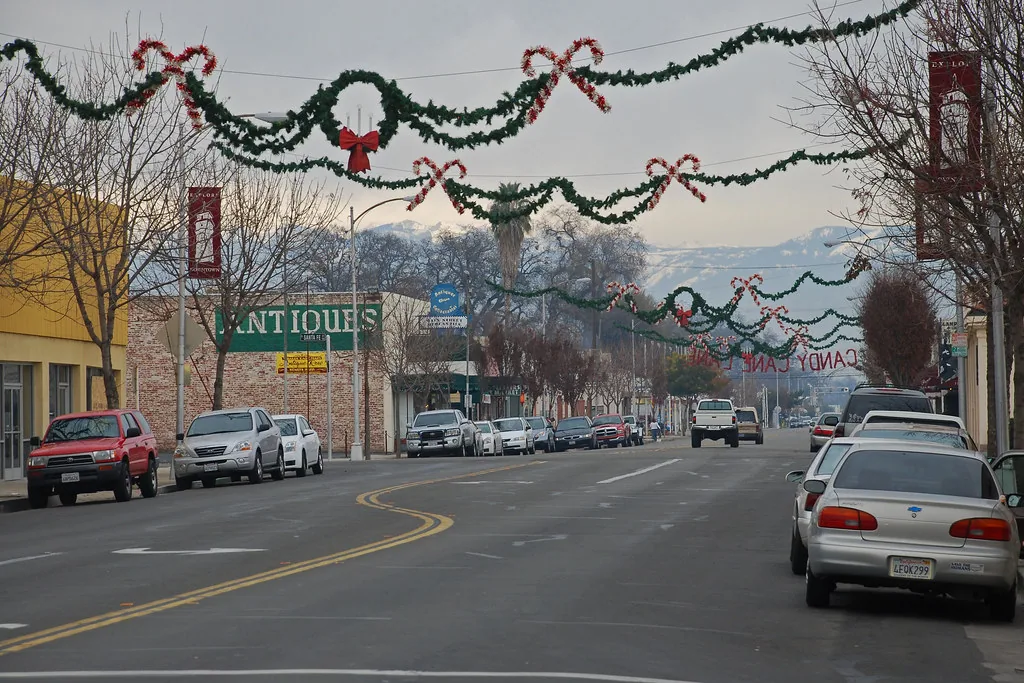
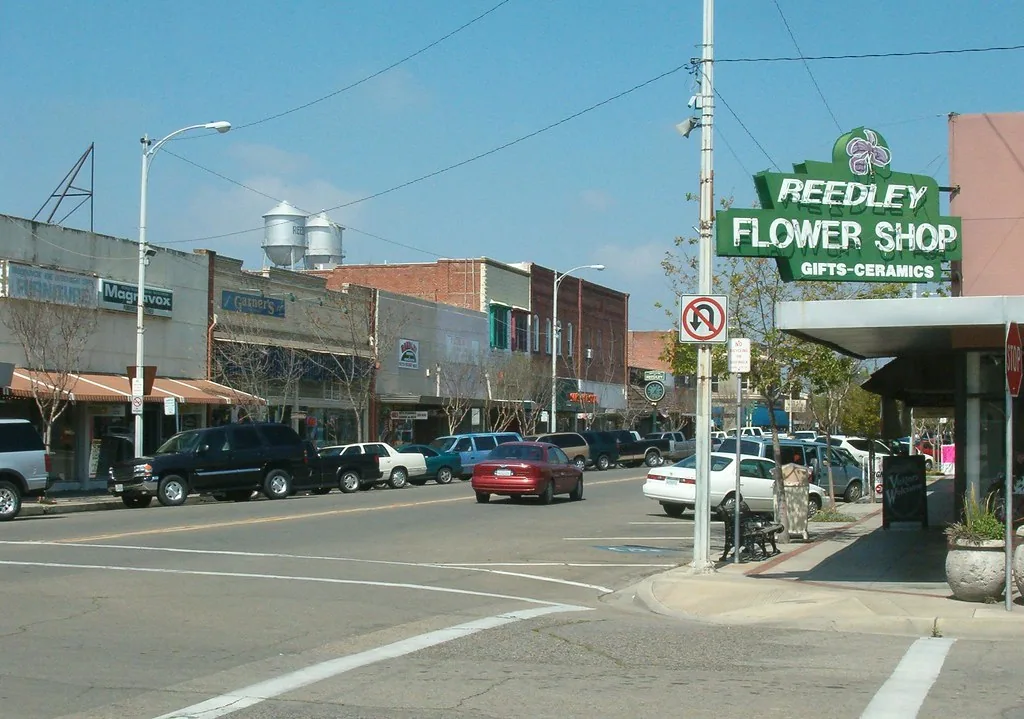
Retail work has to protect the building and keep the public route clear. In Visalia, CA, Dinuba Boulevard from Houston Avenue to Riverway Drive is a primarily retail commercial stretch with neighborhood-commercial and mixed-use properties. We inspect each property before setting roof work. The first visit checks active leaks, seams, drains, equipment, and access so the repair boundary reflects the actual building, not a zoning label.
Trace the Leak into the Roof Assembly
A leak above a retail unit can spread across insulation before it appears in a ceiling tile. We start with the time and location of the stain, then inspect the roof details above and around it. A curb, skylight, pipe boot, seam, or wall transition may be the entry point. We check the membrane and insulation beside the visible opening. If the surrounding roof is dry and attached, a local repair can be enough. Wet material or repeated separation calls for further testing.
Planned growth along this corridor does not establish the use, roof system, or current condition of any parcel. We confirm those details at the property before setting scope. We identify the property contact, roof access, and affected interior area before opening the roof. A commercial roof inspection documents the details inspected and the evidence used to set the repair edge.
Confirm the Building and the Work Zone
Before mobilization, we identify the roof hatch, ladder route, staging area, fall-protection needs, and any entrance that must stay open. A boulevard property may have customer access, deliveries, and service activity at different hours. The manager confirms those conditions for the building. We then define the ground protection and roof zone so tools, debris, and materials do not block an active route.
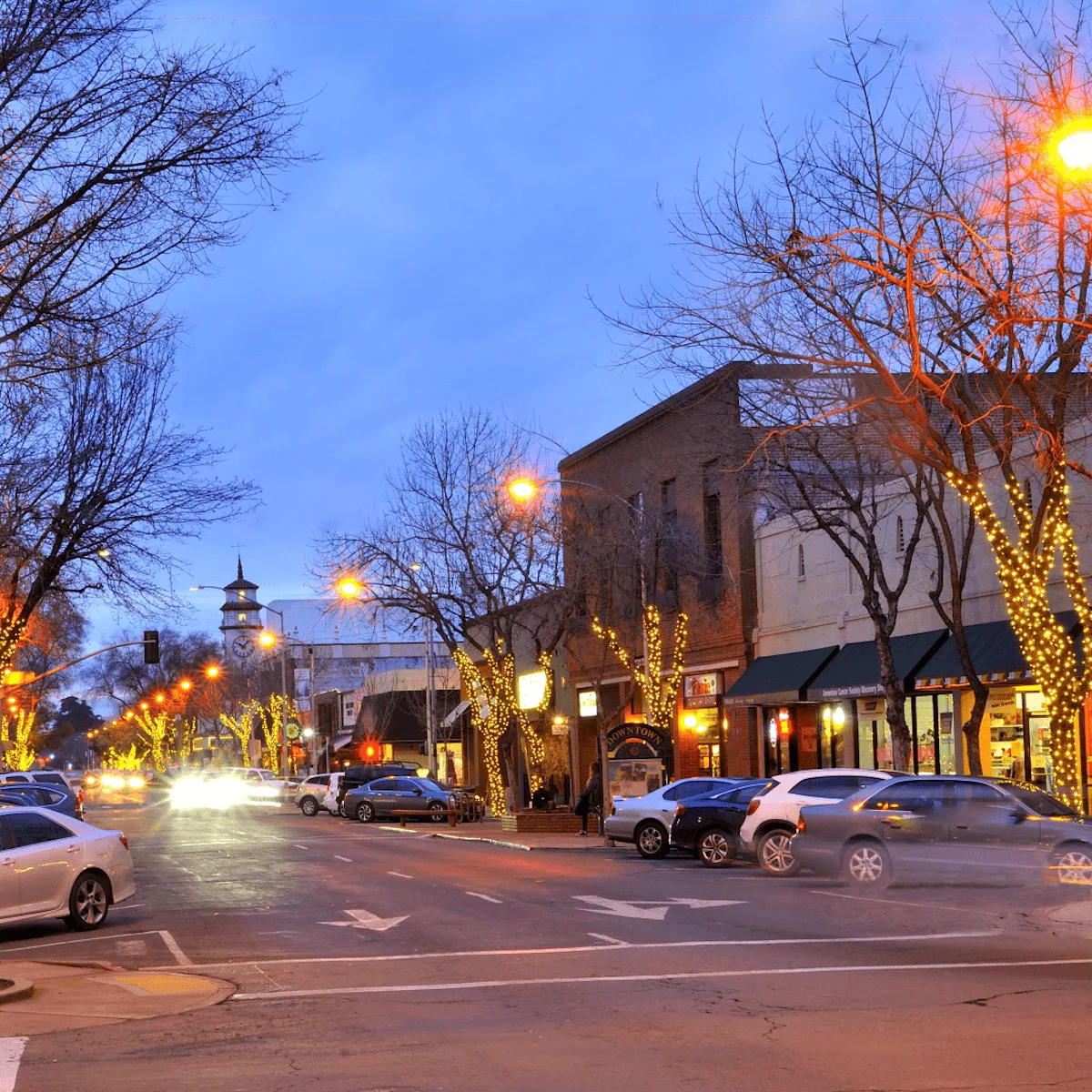
Nearby Downtown Visalia and Oval Park Commercial Corridor are separate commercial areas with their own mix of activity. They provide context for Visalia, but they do not tell us how a given Dinuba Boulevard business operates. The site manager sets the actual rules. Our scope identifies where the crew will work, which areas need protection, and when the roof must be closed for the day.
Correct the Drainage Cause
Water at a roof edge may come from a blocked outlet, a low section, a failed scupper, or a membrane defect. We check the whole path. That includes the field slope, drain bowl, overflow, wall flashing, edge metal, and the discharge point. Cleaning debris can restore flow when blockage is the cause. If insulation has compressed or the deck has settled, water may return after the next rain unless the low area is addressed.
Retail properties benefit from keeping water away from entrances and service doors. We inspect where runoff leaves the roof and where a downspout or scupper releases it. We also check whether ponding touches an open seam or curb. A roof drain and scupper work repair is written to name the drain, metal, membrane, and slope work included. If the cause remains unclear, a test cut may define whether the insulation can stay.
Check the Surface before the Wet Season
The corridor shares Visalia’s long, hot season and a rain pattern concentrated in cooler months. That regional pattern does not describe a particular roof, but it is one reason to inspect exposed seam edges, sealant joints, penetrations, and coating transitions after prolonged sun. A cracked detail can admit water when rain returns. We photograph the location and check the adjacent surface before choosing a repair.
Hot weather also affects product handling. We verify roof temperature and application limits before using primer, adhesive, or liquid flashing. The crew works in manageable sections and closes each one before leaving. If a reflective coating is considered, the surface must be clean, dry, sound, and compatible. A silicone roof coating system system cannot correct wet layers or weak attachment beneath the surface. The underlying failure comes first.
Set a Repair Limit That Holds
A patch should tie into material that can hold it. We remove loose membrane and damaged flashing, prepare the surface, and extend the repair only as far as the condition requires. If multiple details fail or insulation is wet over a wider area, we show that evidence and compare a larger scope. Repeating a small patch over a moving seam can spend money without resolving the cause. The written scope should distinguish included work from optional repairs and list any concealed conditions that require approval before expansion.
Price changes with roof layers, concealed moisture, deck repairs, insulation, edge metal, drainage, access, and interior protection. A roof recover or overlay may retain a roof that is dry and secure. A tear-off and commercial roof replacement may be the better choice where moisture or attachment failure runs beyond isolated details. We state the assumptions in the estimate so the owner can approve the right boundary.
Work without Losing the Customer Route
A roof crew should not surprise tenants or customers with blocked doors and lifted materials. We agree on access hours, staging, vehicle routes, noise limits, and the location of protection below before the work date. A repair can sometimes stay above one tenant, but an equipment lift or tear-off may affect a wider zone. We sequence roof openings around the property schedule and close the membrane before weather or overnight conditions expose it.
The Court and Locust corridor has mixed-use connections to the downtown core, and the Oval Park Commercial Corridor is another commercial node with restaurants and small businesses. Those local relationships do not define the access at a particular parcel. We confirm its entrance, deliveries, and service route with the manager. For occupied properties, our occupied-building reroofing scope records the daily work zone, contact, protection, and end-of-shift close-in.
Keep the Roof Record Parcel-Specific
Planned development along Dinuba Boulevard may change property conditions as sites are evaluated. A roof record should stay tied to the building and date inspected. We include photos of the failed detail, repair boundary, materials, and any follow-up item. That record helps a future manager distinguish a new leak from the prior condition and avoid confusing one parcel's repair with another's.
Share roof plans, leak reports, prior repairs, business hours, tenant contacts, and any known access restrictions. We can inspect the active condition and return a written scope that separates immediate protection from broader replacement planning. The work plan should identify the public path, loading needs, interior protection, and closeout point. That gives the property manager a clear approval request and a record to keep with maintenance files.
Commercial Roofing Questions
Does the corridor designation identify our roof type?
No. It describes land use, not the roof assembly. We inspect the building and verify the membrane, metal, seams, and details before recommending work.
Can roof work continue while customers are in the store?
Often, with a defined roof zone and protected ground route. We confirm hours, entrances, deliveries, and the close-in time before scheduling the crew.
What happens if insulation is wet?
We test the extent and mark the removal boundary. Wet material is removed where needed, then the assembly is rebuilt and tied into a sound, dry surface.
Will nearby development planning affect the roof estimate?
No. A nearby plan does not set roof scope or cost. We assess current condition, access, materials, drainage, and the approved work area. Before work is authorized, confirm whether the estimate includes temporary protection, debris removal, edge metal, and concealed-condition allowances.
What should a property manager send before a walk?
Send the leak location, roof plan if available, access contact, business hours, prior repair notes, and any entrance or delivery restriction. We verify the rest on site.