About Commercial Roofing Visalia
A lifted seam near a curb shows where a roof walk should begin, not how far a repair should extend. We inspect the detail, nearby membrane, insulation, and interior report before setting a boundary. The owner gets a record of what was reached, what was found, and what still needs a test. That approach carries through repair, replacement, recovery, coating, inspection, and maintenance work. Visalia's long warm season exposes seams and sealants to heat; seasonal rain brings drains and laps back into focus. The building and its roof decide the scope, whether it sits near the Industrial Park or along the Mooney Boulevard corridor.
Begin with the roof evidence
We start with the reported leak area, access contact, roof plan, and prior repair notes. On the roof, we trace the water path, check seams, penetrations, edge metal, drains, and earlier patches, then photograph the tested area. A ceiling stain may be several feet from the opening. The report separates what is observed from what could change after an additional test. A commercial roof inspection can cover a hands-on walk, drone views, or infrared moisture survey when the assembly and question support that method. Each tool has limits; we explain which area it reaches and the next step it informs. Drone views can document broad surface conditions where safe access is limited, but they do not reveal every buried layer. Infrared readings need suitable conditions and field confirmation. A hands-on inspection can check attachment and details more closely. The report names the method used and the boundaries of the observation.
Make a repair fit its boundary
Some roofs need a defined patch or flashing repair. Others show wet insulation, recurring seam problems, or damage across more than one section. We identify the affected area and compare repair with a larger scope only after checking adjacent material. For active water entry, our emergency response starts with safe access and temporary control, then documents the permanent repair. A written scope can state materials, removal, tie-ins, protection, and cleanup. It also identifies any assumption that needs confirmation before work begins. For a replacement, we review how tear-off affects drainage, curb heights, wall transitions, and rooftop equipment. For a recover, we check whether the existing materials and attachment can support the added assembly. The owner sees the practical tradeoffs before choosing a path, including how the project will protect the interior while the roof is open.
We install and repair TPO, PVC, EPDM, KEE, modified bitumen, built-up, standing seam and retrofit metal, spray foam, and silicone and acrylic coating systems. The existing assembly and roof condition determine which options warrant comparison. A coating restoration needs a suitable base and prepared surface. A replacement plan accounts for tear-off, insulation, edge conditions, drainage, and phasing.
Work around people and operations
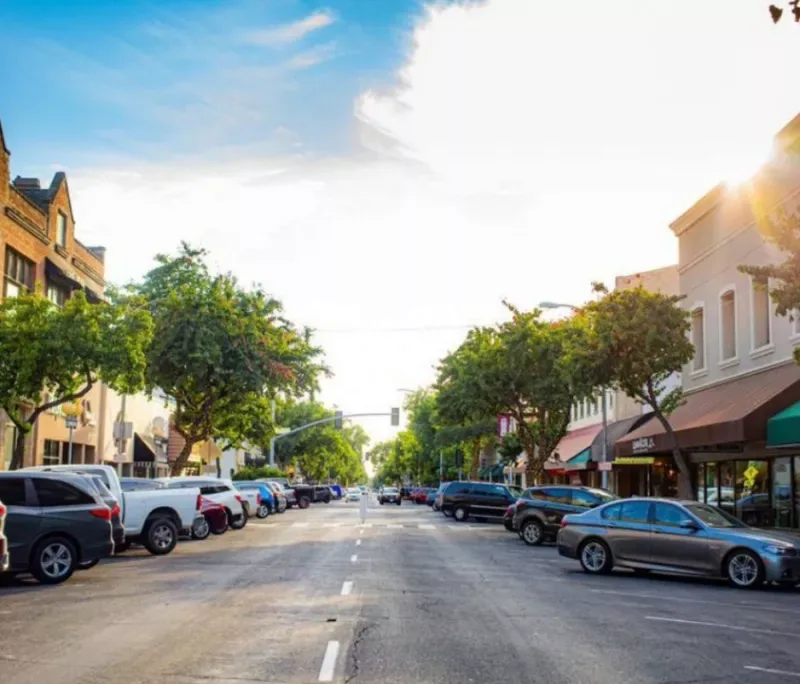
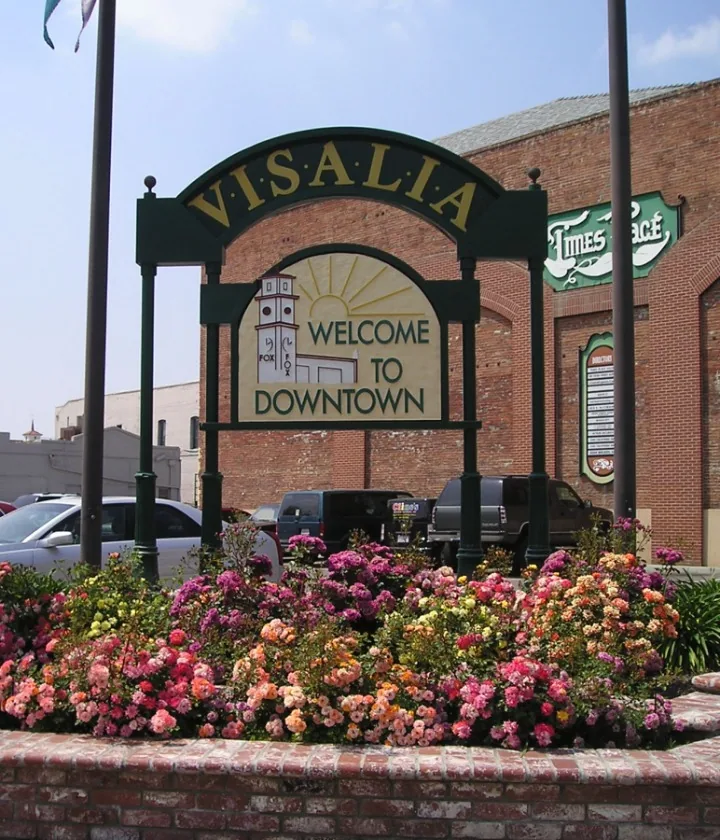
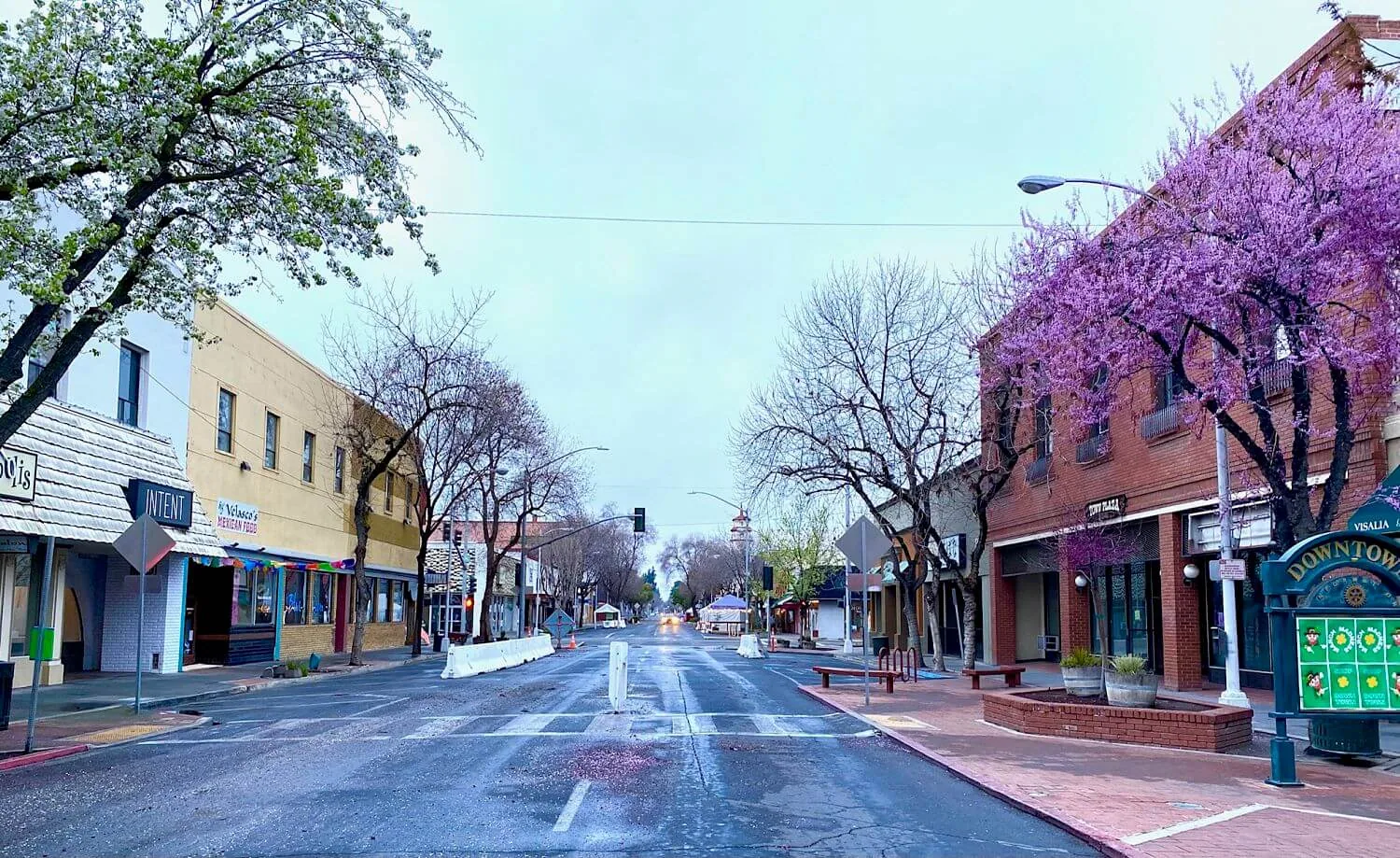
A roof is part of an active building. We ask about tenant routes, production hours, customer access, rooftop equipment, interior protection, and delivery windows before we set the sequence. Downtown Visalia includes healthcare, offices, government, retail, and nonprofit activity, while industrial properties in the city support manufacturing, food processing, warehousing, and distribution. Those uses help frame the coordination questions, but we confirm the conditions at each address. For an occupied-building reroof, we divide work into manageable areas, protect rooms below, and plan daily closeout with the site contact.
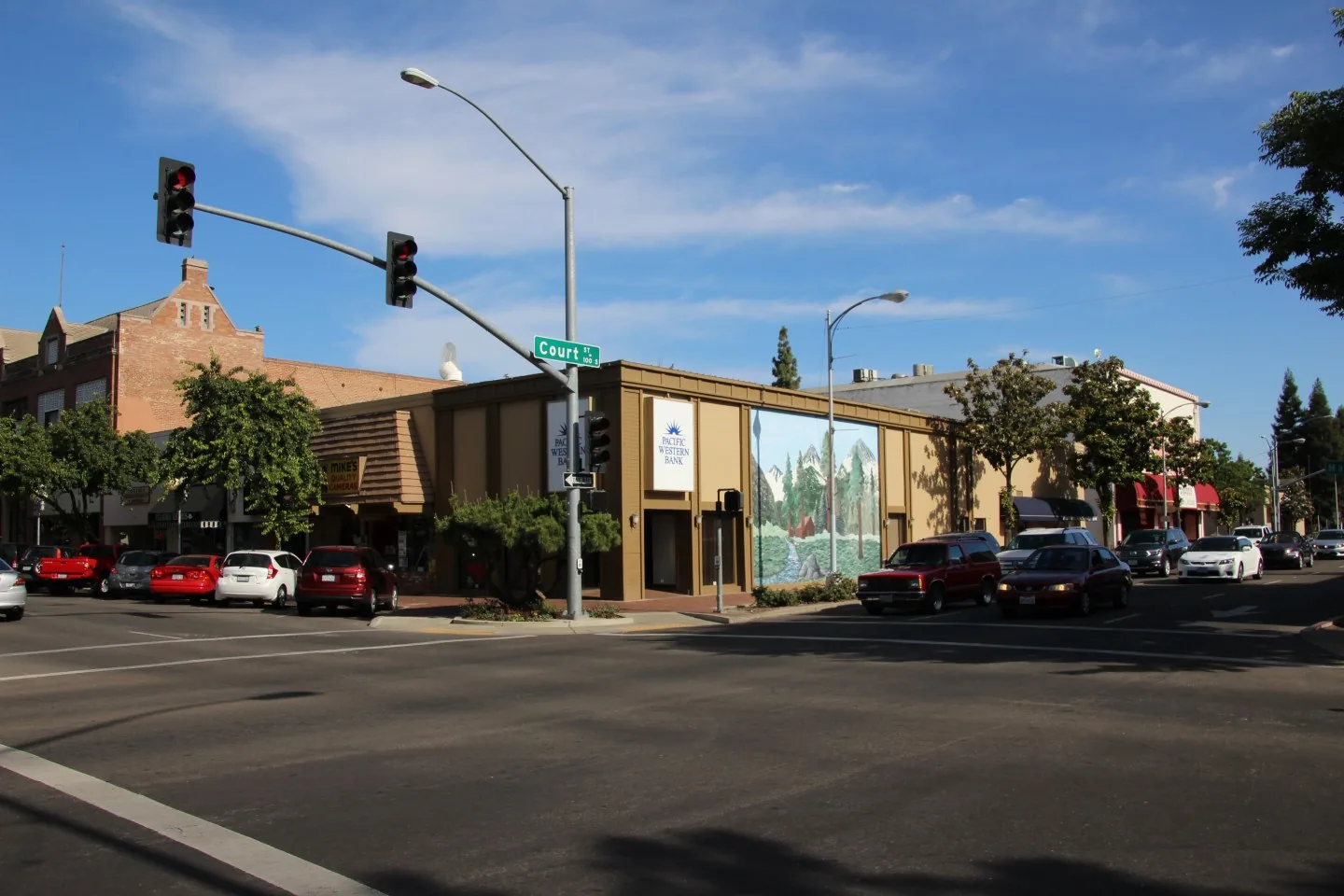
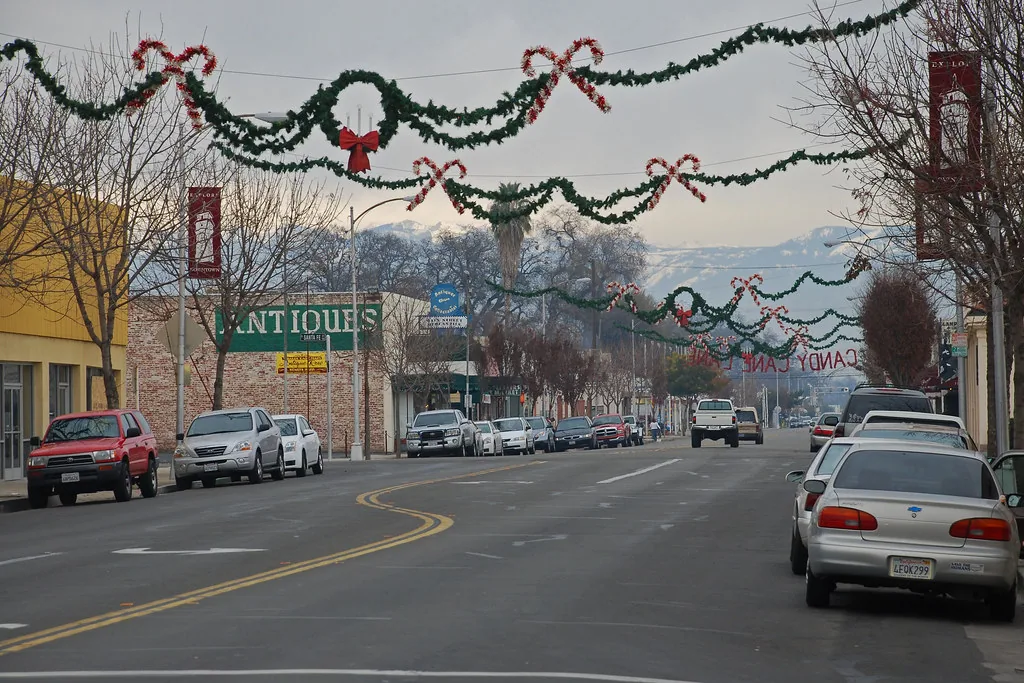
Visalia's Court and Locust corridor connects downtown toward the Oval; the Goshen and Murray corridor also contains commercial uses. Work windows vary by property and season. We confirm roof access, staging, and any security requirements before a crew is scheduled. A phased plan should keep both the roof and the building's operation in view. We identify areas that can be isolated, temporary protection needed at each shift, and the person who can approve a change in sequence. If a tenant must keep a room clear or a delivery lane open, that restriction belongs in the work plan before material is staged. Weather protection and daily closeout are part of the schedule, not details left until the crew arrives.
Keep the record useful after the visit
Photos and written notes should answer what failed, where the repair ends, and what needs another look. We can prepare a roof condition report with tested areas, drainage observations, repair priorities, and follow-up items. Maintenance visits can track open laps, drains, exposed flashing, and earlier work before those details become active leaks. A preventive roof maintenance plan helps an owner schedule inspections around building use and the seasonal return of rain.
Budget decisions benefit from the same field record. We can organize immediate repairs separately from future renewal so the owner can weigh timing and scope. The facts that Visalia provides about its Industrial Park or retail corridors describe the market, not a roof's age or condition. We keep those separate. The recommendation comes from the observed assembly and the building information the owner provides. If a roof has several repair layers, we record what is visible and request plans or invoices that may clarify the history. A moisture survey can help identify areas for confirmation, while selective opening can answer questions that surface observations cannot. We explain those choices in relation to a repair or budget decision, then keep the record updated after work is complete.
Set up a clear first visit
Share the property location, leak area, preferred access window, roof plan, and recent repair records. We will confirm the site contact, roof access, and any interior area that needs protection. The first walk should leave a concise record, not a promise about unseen material. If a moisture reading or opening is needed, we identify what it would answer and how it may affect the scope. For a multi-building property, each roof is documented separately so the owner can compare conditions without carrying one building's assumptions to another. Our goal is a repair or renewal decision tied to the field evidence.
Commercial Roofing Questions
What kinds of commercial roofing work do you handle?
We repair, replace, recover, restore, coat, inspect, and maintain low-slope and metal roofs. The existing assembly and documented condition determine which scope fits.
How do you decide whether a leak needs a repair or replacement?
We trace the water path, inspect the affected assembly, and check whether moisture or deterioration extends past one detail. The report lays out the repair boundary and options supported by the findings.
Can the building stay open during roof work?
Often the work can be phased around operations, but access, weather protection, interior conditions, and the scope matter. We coordinate the work window with the property contact before scheduling.
What information should we send before requesting service?
Provide the property location, affected area, access hours, roof plan, and recent repairs. We will confirm who can provide roof access and set up the first walk.
What does a written roof report include?
It can include photographs, areas tested, observed conditions, repairs recommended, and follow-up checks. We identify uncertainty separately so the report does not overstate what was inspected.