
Commercial Roofing for Property Managers in Visalia, CA
Industries We Serve | Visalia and Tulare County
Property Managers
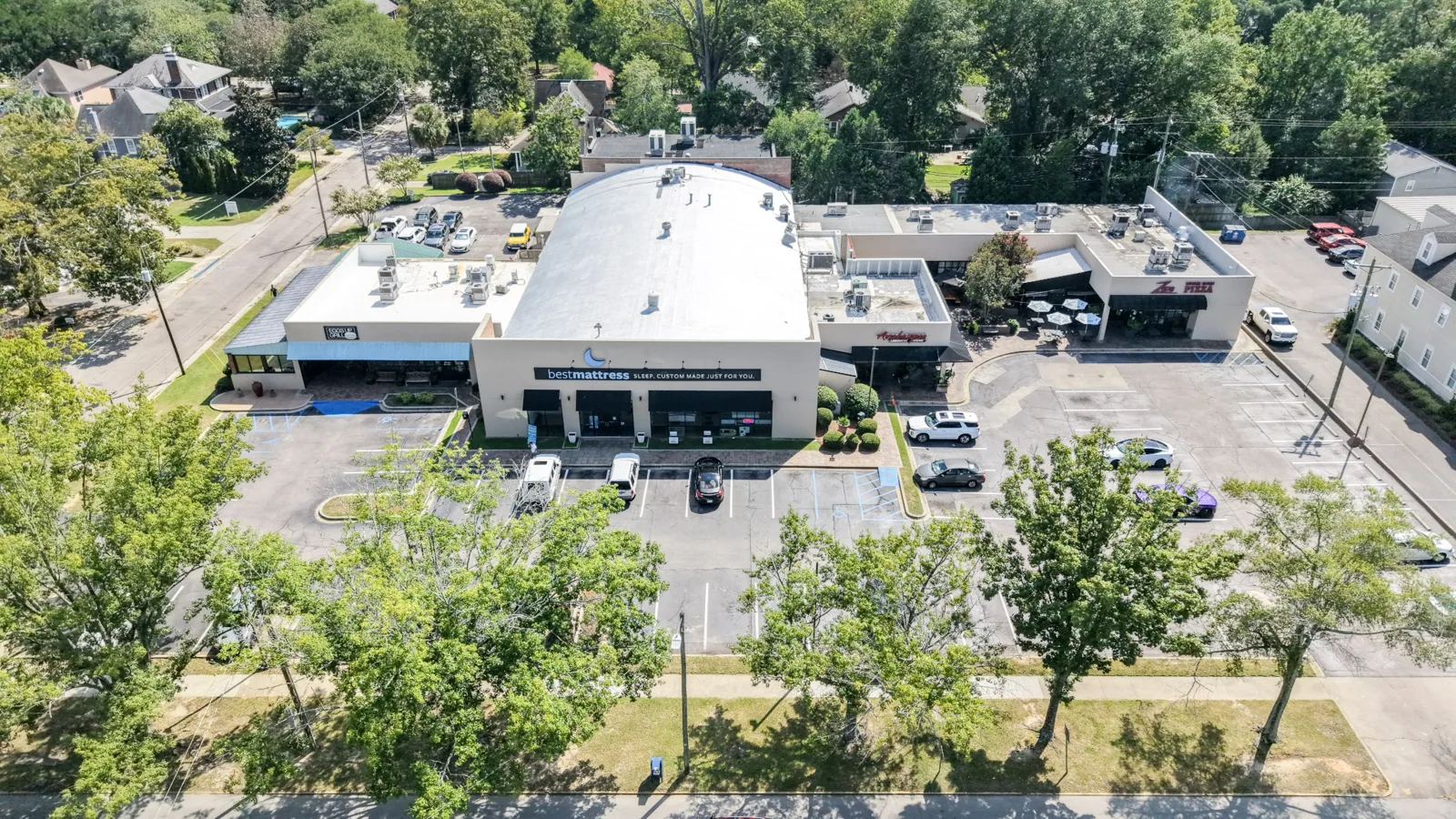
A ceiling stain in one suite can turn into three separate work orders when the water path crosses a shared roof. We start with the affected space, locate the roof area above it, and compare the report with prior repairs. A portfolio manager needs each building's scope to stay distinct, even when several assets share a maintenance calendar. At Visalia Industrial Park, identified uses range from food processing and manufacturing to warehousing and distribution. Downtown Visalia has a different mix of retail, government, professional, nonprofit, and healthcare employment. Those differences change access and tenant coordination. The first visit records the tested area, what remains outside the inspection, and the next decision for that property.
Separate Each Building in the Portfolio
A portfolio spreadsheet is not a roof plan. We identify the building, roof section, assembly, drains, penetrations, and known leak locations before combining observations. One property may have an older built-up field and a newer single-ply addition. Another may include office suites, loading areas, and rooftop equipment with separate access rules. The commercial roof inspection records each assembly and maps photographs to the roof area that was actually examined.
The Downtown Visalia district includes retail, government, professional, nonprofit, and healthcare employment. The Industrial Park has a different concentration of manufacturing and distribution uses. We use those city-level facts to frame scheduling questions, not to assume what any particular asset contains. A property manager can keep comparable records by using one location identifier, a consistent roof-area label, and a dated photo set for every work order. That structure makes a recurring leak easier to compare with an earlier finding.
Sort Active Leaks from Planned Work
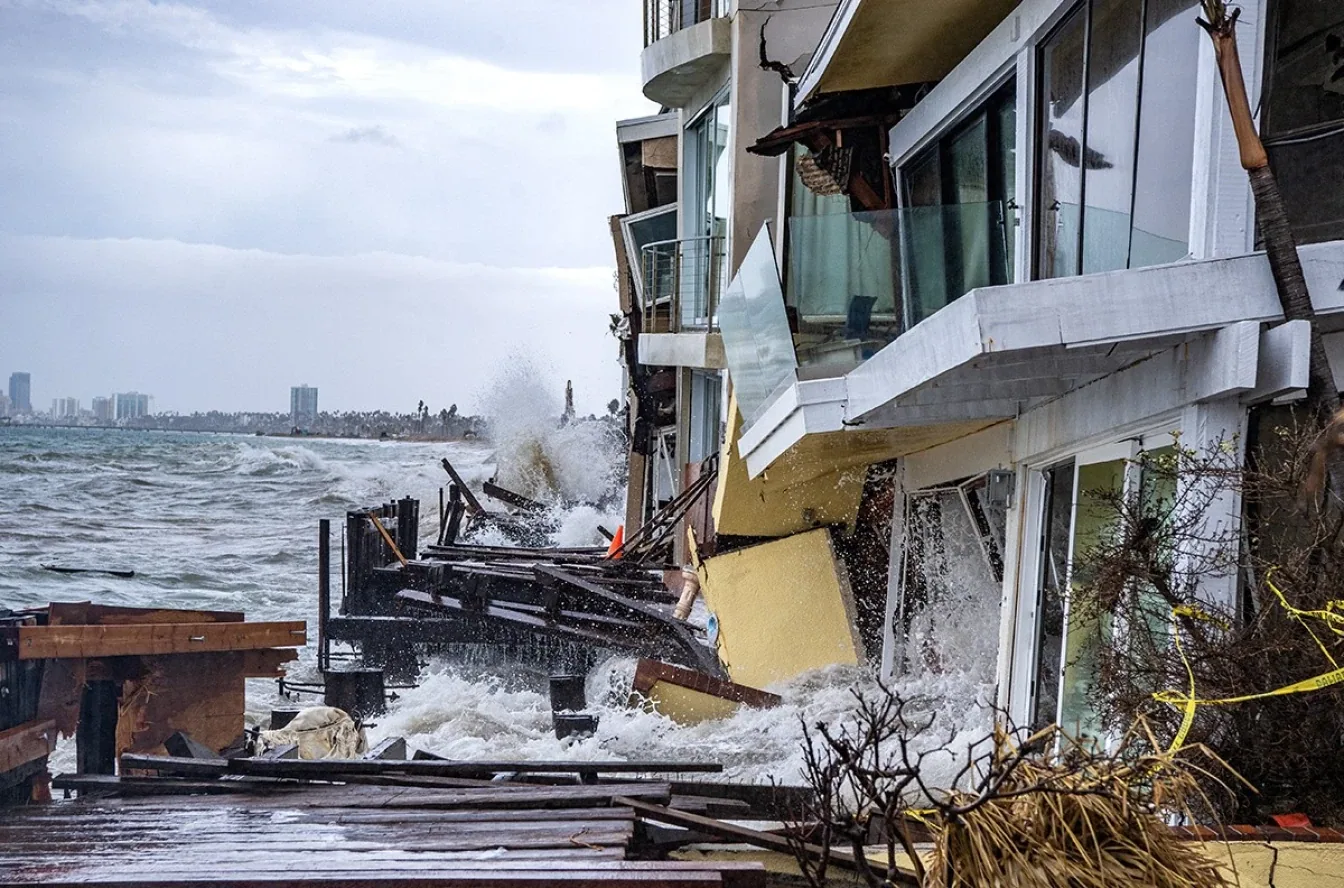
When several tenants report water, the property team needs a safe sequence before a broad repair quote. We ask which rooms are affected, when the leak appeared, whether water continues after the rain, and what sits above the ceiling. Those details direct the first roof walk. A drain restriction, open curb flashing, split seam, or wet insulation can produce similar interior marks, but the repair boundary changes with the failed layer. The written repair scope identifies what the test supports and what still needs a separate opening.
Emergency exposure takes priority when water threatens electrical equipment, active production, stored goods, or a tenant's ability to operate. We can arrange around-the-clock response for urgent roof conditions, then return to complete a permanent repair when the surface and work window permit. For non-active areas, managers can place observations on a planned list and set a date for inspection before the next wet stretch. That keeps temporary protection, a permanent repair, and capital planning from being mixed into one unclear work order.
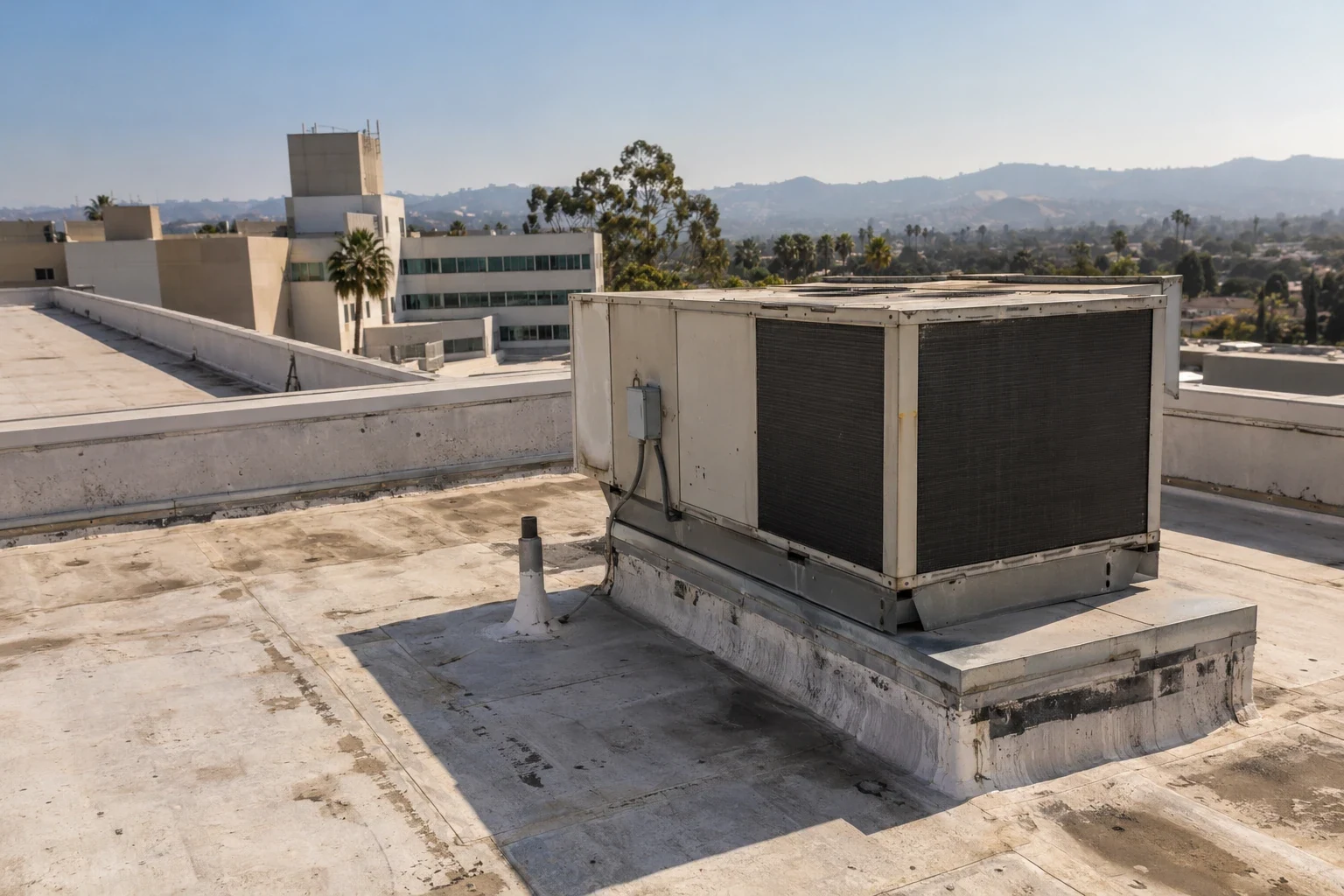
Set Tenant Access before the Crew Arrives
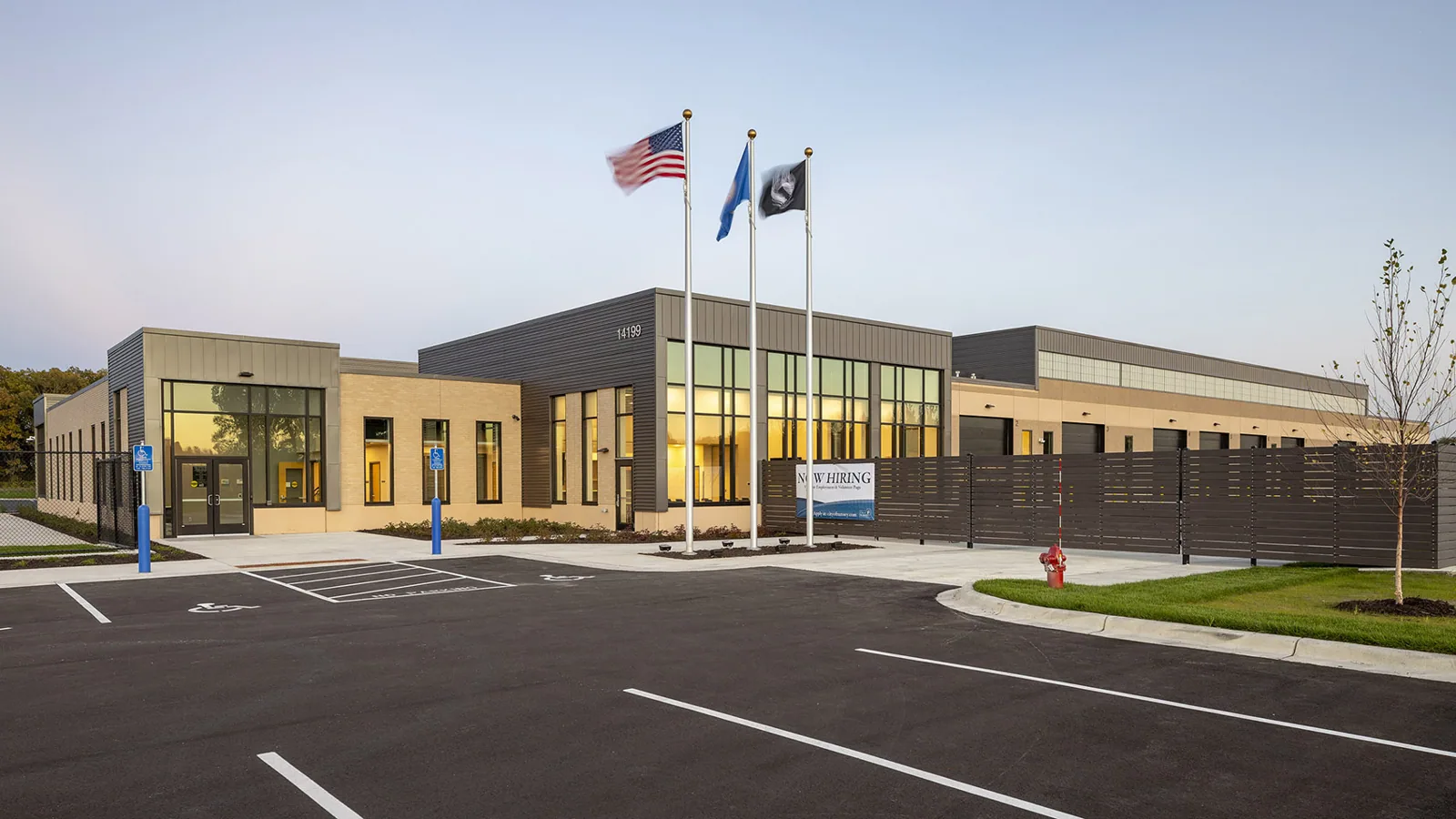
Access details can decide whether a roof walk happens safely on the first visit. We need the approved entry route, hatch or ladder information, interior escort rules, restricted rooms, and a contact with authority to move work forward. In a Downtown office property, a tenant may need advance notice before interior protection or ceiling access. Near the Visalia Industrial Park, the manager may need to keep truck lanes, receiving doors, or process areas clear. The roof itself still determines repair scope, but the operating plan determines where the crew can stage and when.
We write down the daily work zone, material staging point, lift location, protection below, and close-in check. If the building remains occupied, the occupied-building sequence can divide the work into smaller areas and identify who confirms tenant readiness. A roof opening should not remain exposed when the crew leaves. The manager gets the planned sequence and any condition that could change it before production or a tenant schedule is interrupted.
Keep Findings Tied to the Roof Record
A useful record names the roof area, material, tested boundary, photos, and any inaccessible section. We separate observations from assumptions. If a stain appears below a unit, for example, we inspect the curb and surrounding seams before assigning responsibility to the equipment trade. If moisture testing finds wet insulation, the extent is mapped rather than generalized across the whole roof. A condition report can give ownership and site staff a common reference for repair approval, budget review, and the next inspection.
Keep prior invoices, warranties, roof plans, leak logs, and service records together by property. A past coating or patch helps identify material history, but it does not establish the current roof condition. We compare the documents with exposed edges, penetrations, drains, and any approved test area. For a roof nearing broader work, a replacement evaluation separates tear-off, insulation, deck repairs, edge details, and temporary protection. Each option should have its own scope and approval line.

Build a Calendar around the Roof and the Tenant
A maintenance calendar works only when the visit checks the details that can interrupt operations. We note drain condition, exposed sealant, membrane seams, edge metal, equipment supports, and roof debris. The Visalia climate has a long hot season and a distinct wetter period. That pattern gives managers a reason to inspect exposed details before rain returns, while the building inspection decides what needs repair. The maintenance visit leaves a dated record rather than a generic reminder to check the roof.
Schedule windows by building use. Retail entrances, healthcare offices, loading areas, and production floors may not tolerate the same noise or access restrictions. Managers can group visits geographically, but each roof report should preserve its own findings and photos. If a property shares a roof with another tenant, confirm who can approve temporary interior protection and how the affected space will be secured. A small adjustment to the sequence can prevent a roof crew from waiting at a locked hatch or returning because the correct contact was not available.
Give Ownership Comparable Repair Choices
Owners compare proposals more easily when the repair area and the remaining uncertainty are stated in the same terms. We distinguish a localized flashing repair from a broader membrane failure, then identify moisture, deck, and attachment conditions that could change the work. A recover may be considered only when the existing assembly is suitable and dry. A replacement scope may need to address insulation, edge metal, drains, equipment curbs, and occupied-building sequencing. Compare either option against the same roof plan and known conditions.
Portfolio decisions also need a dependable time line. We show which work can proceed now, which item needs another test, and what information is still missing. The ownership review may weigh service life, lease obligations, and transaction timing; the healthcare property plan may prioritize continuity of care. For local access planning, the Mooney Boulevard Regional Retail Corridor and Visalia Industrial Park present different operating contexts. Keep each property's repair decision attached to its own tested roof.
Commercial Roofing Questions
Can multiple properties share one roofing proposal?
A program can use one format and schedule, but each building needs its own findings, quantities, access limits, and repair boundary. We keep the scopes separable for review and approval.
How should managers handle tenant leak reports?
Record the room, date, weather, and any active equipment or ceiling condition. We use that report to select roof areas and details for inspection, then distinguish confirmed entry from a suspected path.
Can inspections be scheduled around tenant hours?
Yes. We confirm interior escorts, restricted areas, and roof access windows before the visit. If a repair requires noise or temporary protection, the work plan identifies the affected area and sequence.
What belongs in a property roof record?
Keep the roof plan, assembly notes, inspection photos, leak log, repair invoices, test locations, and closeout details together. Each item should identify the building and roof area it concerns.
When does a recurring repair become a capital project?
Repeated failures, widespread wet insulation, deteriorated field material, or deck conditions can support a broader review. We document the evidence and compare a contained repair with recover or replacement options.