Commercial Roofing in Visalia Industrial Park, Visalia, CA
Service Areas | Visalia and Tulare County
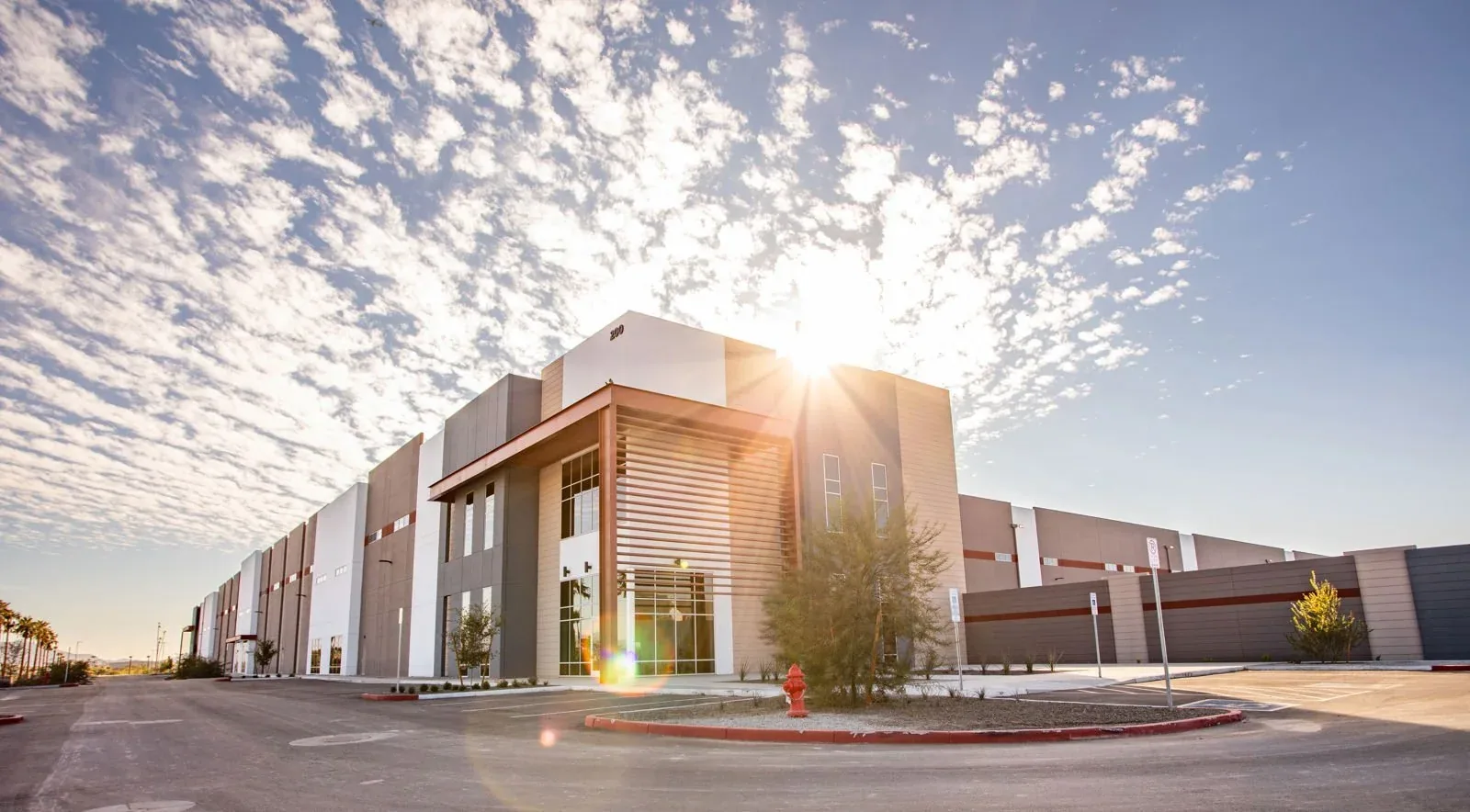
Visalia Industrial Park
Freight, production, and roof work have to share the same property without getting in each other's way. In Visalia, CA, the Visalia Industrial Park supports manufacturing, food processing, warehousing, and distribution across more than 1,500 acres. A roof scope here starts with the building's operating hours, loading activity, equipment, and leak history. We inspect the membrane and details, then mark the repair boundary before proposing recovery or replacement. A field check sets the repair limit.

Find the Failure Before Setting the Scope
A leak reported inside a production or storage area gives us a starting point, not a roof location. Water can move along insulation, deck flutes, or a structural member before it appears at a ceiling. We trace the path from the interior mark to seams, penetrations, drains, and transitions above it. If the membrane is split at one curb and the surrounding insulation stays dry, the work may stay local. If wet material continues beyond the visible opening, the repair limit must follow the evidence.
We look at more than the surface. A loose termination, open lap, failed sealant joint, or backed-up drain can each send water into the assembly. The repair method changes with the failed layer. Surface sealant over wet insulation does not restore the roof. A core sample can define hidden wet areas.
Check the Roof in Working Zones
Industrial properties often have several roof sections, additions, curbs, exhausts, and service routes. We inspect each zone separately. That matters when a process area cannot stop or a dock must remain clear. The local economic-development profile describes freight connections and utility services as part of the park's regional infrastructure. That overview helps frame delivery questions, while a site visit must confirm the services and roof layout available at the individual building.
Before work, we confirm hatch access, ladder placement, fall protection points, staging limits, and routes that must remain open. Freight movement on the regional highways is part of the park's context, but the property manager sets the actual delivery and operating rules. For a repair near an active dock, we can separate the roof crew's work area from ground traffic and schedule material movement around site restrictions.
Trace Drainage Through the Assembly
Drainage details deserve a close look after the dry season and before the wetter months. We check drain bowls, strainers, sumps, scuppers, and the roof surface leading to them. Debris can hide a seam or hold water against a curb. A low spot may reflect deck movement, insulation compression, or an original slope condition. Those causes call for different responses. Cleaning a drain is not the same as correcting a depressed area, and coating over standing water does not solve the condition that keeps it there.
We also look at where water leaves the roof. A blocked outlet or loose downspout can wet walls or loading areas. The water path also includes flashings and edges. Managers comparing options receive the roof section, finding, and proposed correction in a commercial roof inspection, with drainage work scoped separately from membrane repairs.
Account for Long Surface Exposure
Visalia's normal climate includes many hot days each year. Long exposure can age exposed sealants, reduce flexibility in some materials, and make small openings harder to spot against a weathered field. We check lap edges, pitch pockets, pipe flashings, and metal transitions for cracking, shrinkage, or separation. Heat wear at a detail can be patched when surrounding material remains sound. A broad pattern of brittle or detached material may call for a larger repair or replacement analysis.
During hot work windows, surface temperature and crew exposure affect the sequence. Some adhesives, primers, and coating systems have application limits set by their manufacturer. We verify those conditions before opening the roof, keep the work area controlled, and close each section against overnight exposure. A reflective coating may be part of a restoration plan only if the existing roof is dry, secure, and compatible. The silicone roof coating system is not a substitute for correcting wet insulation or failed attachment.
Compare a Patch, Recovery, and Tear-Off
A sound roof with isolated damage may support a targeted repair. Recovery can retain an existing assembly and add an approved layer after confirming dry insulation, sound attachment, workable drain and edge heights, and code compliance. A tear-off exposes the deck and permits replacement of wet materials, yet it brings more noise, debris, and operating disruption. We explain what was found and why each option fits or fails the actual conditions. The scope states its limit, remaining uncertainty, and discoveries that could change price or timing.
Costs move with access, roof layers, wet insulation, edge metal, drain correction, equipment coordination, and the area that must be opened at one time. A roof recover or overlay may reduce removal when conditions permit. Where the assembly cannot be retained, a commercial roof replacement scope should state tear-off limits, deck repairs, insulation, membrane attachment, flashings, and temporary protection. We also compare TPO roofing when a single-ply option suits the building and the required detailing.
Keep Production and Deliveries Moving
Roofing work on an active industrial property needs a clear daily boundary. We coordinate roof access, equipment shutdowns, noise-sensitive periods, dock use, and protection for materials or production lines below. If a section must remain available, the sequence can move in smaller areas and close each opening before the next work period. This may add mobilizations, but it can protect a process that cannot be interrupted. The manager sets priorities; our scope sets sequence and protection.
Replacement materials may arrive by truck and need a safe staging area. Regional freight routes do not determine a property's delivery path. We confirm the gate, unloading point, lift restrictions, and working hours with site staff. If the building shares access with logistics or manufacturing operations, the occupied building reroofing plan should assign contacts, limits, and close-in checks before the first shift.
Leave a Record the Next Manager Can Use
A useful closeout separates completed repairs from conditions that remain. We provide photographs and a written record of roof sections opened, concealed conditions found, materials installed, and areas that still need attention. That record helps the property manager compare a later leak with the prior repair boundary. It also keeps a small recurring issue from being treated as a new full-roof failure each time a tenant reports a stain.
For a multi-building property, label each roof area consistently and keep leak locations tied to the building and roof plan used by the site. The Visalia Business Research Park and Dinuba Boulevard corridor have different land-use contexts, but the same record discipline helps managers track work across assets. Share leak locations, documented roof age, access rules, and work windows. We can inspect, distinguish immediate repairs from planned work, and present the next step in plain terms.
Commercial Roofing Questions
Can production continue while a roof leak is repaired?
Usually, yes, when the affected area and interior protection are planned first. We coordinate the roof opening, catch protection, equipment needs, and work hours with the manager. A process shutdown is only proposed when the repair cannot be done safely without it.
What if the leak shows up far from the roof opening?
Water can travel through insulation or along the deck before it appears indoors. We trace from the ceiling mark to the roof details and test the likely path. The repair line follows the wet material and failed detail, not only the stain.
Can you coat the roof instead of replacing it?
A coating is considered only when the existing assembly is dry, attached, and compatible with the system. Wet insulation, weak seams, or active movement must be corrected first. We inspect those conditions before including a coating option.
What changes the cost of an industrial roof repair?
Access, roof layers, wet insulation, drain work, edge metal, equipment conflicts, and how much area must be opened drive scope. We identify those items in the estimate so the manager can compare a local repair with broader work.
How do you plan a repair near active docks?
The dock schedule, lift route, pedestrian path, and materials staging area set the sequence. We confirm those limits with site staff and keep the work boundary clear. If traffic cannot stop, we phase the roof work around the operating window.