Emergency Commercial Roof Repair in Visalia, CA
Commercial Roofing Services | Visalia and Tulare County
Emergency Commercial Roof Repair
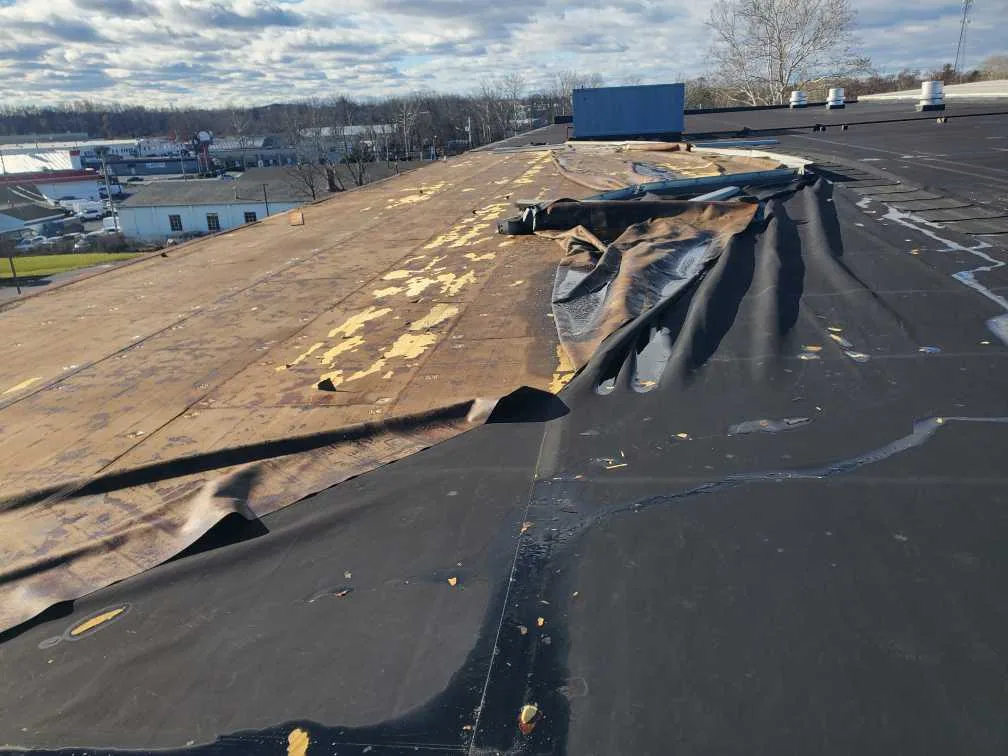
Active water inside an occupied building first requires limiting exposure and making the roof safe to approach. We confirm where water is appearing, protect the space below when it can be done safely, and inspect the roof only when access conditions allow. A temporary cover or dry-in can reduce further entry, but it is not the permanent repair. In Visalia, seasonal rain tends to arrive after a long dry stretch, so drains, edges, and old temporary patches deserve attention before the next storm. The manager receives a clear account of what was stabilized, what was repaired, and what still needs inspection.
Report the Conditions before Dispatch
Share the building address with the service contact, the room or roof section affected, whether water is actively entering, and any hazard that may change access. Tell us about rooftop ladders, locked gates, fall-protection rules, electrical risks, and restricted operating areas. If the leak is near inventory, equipment, a healthcare space, or production, identify who can authorize a protected route below. We will confirm current availability, access, and next steps before promising an arrival time.
Staff should not climb to the roof during lightning, high wind, poor visibility, or other unsafe conditions. Keep people away from a bulging ceiling and any wet electrical fixture. Move property only if doing so does not expose someone to a hazard. A quick photo from a safe interior location can help establish the affected area, but it does not prove where the roof is open. Clear information helps the crew bring suitable protection and focus the first inspection.
Limit Interior Exposure Safely
Inside, isolate the affected room when practical and move contents away from the drip line. A container may catch water only if the ceiling remains stable and staff can place it without standing beneath a sagging section. Follow the building’s safety procedures for electrical systems and equipment. The crew can coordinate a tarp, catch protection, or other temporary measure with the facility contact, but the facility manager remains responsible for conditions outside the roofing scope.
On the roof, temporary protection needs to be secured against wind and kept clear of drains and overflow paths. The material must not force water into an adjacent opening. We document what the cover reaches and what it leaves exposed. If weather or roof conditions prevent safe permanent work, the interim step should be described as stabilization only. The owner should know when it needs to be checked and what action is planned after the weather or access constraint clears.
Inspect the Likely Entry Point
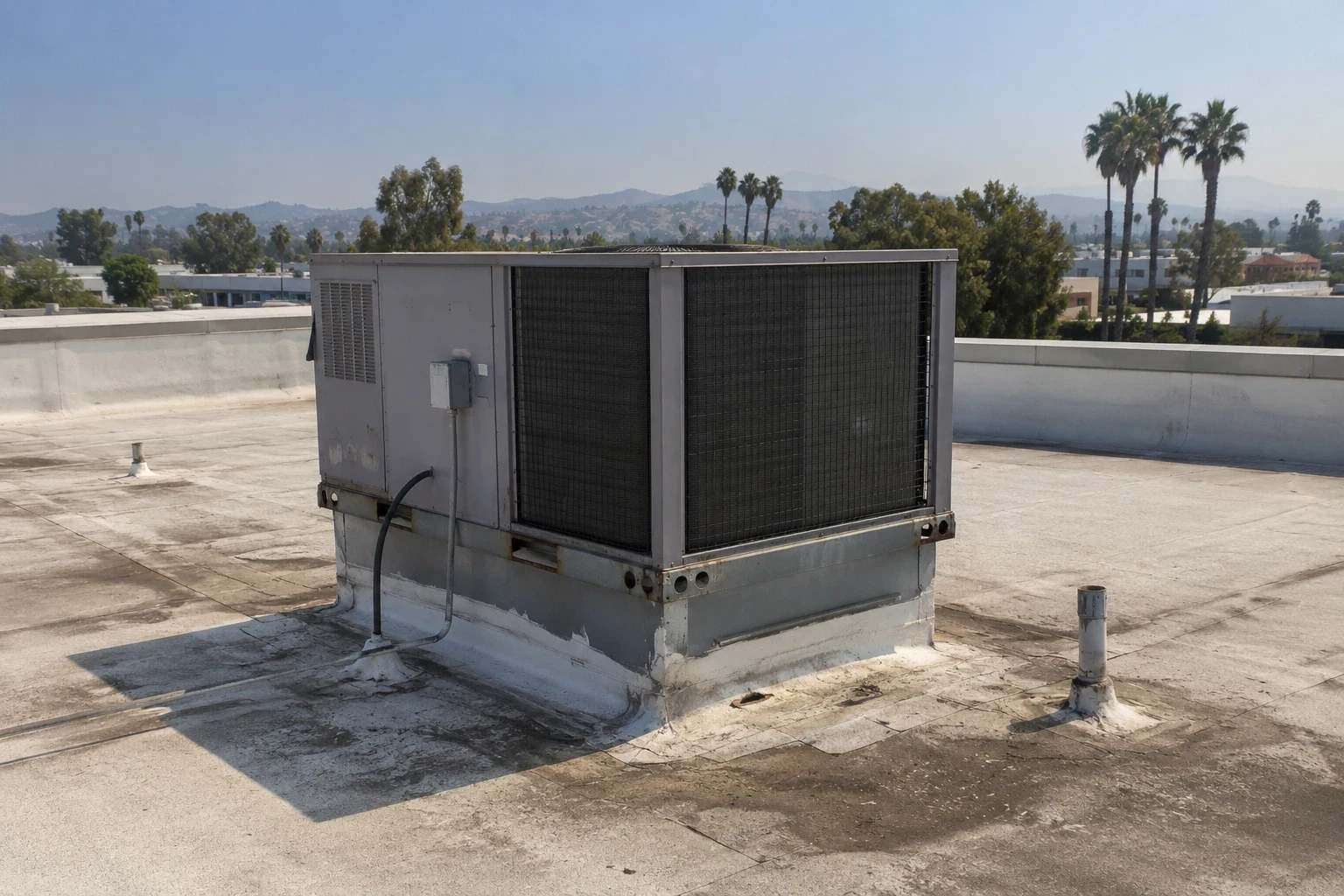
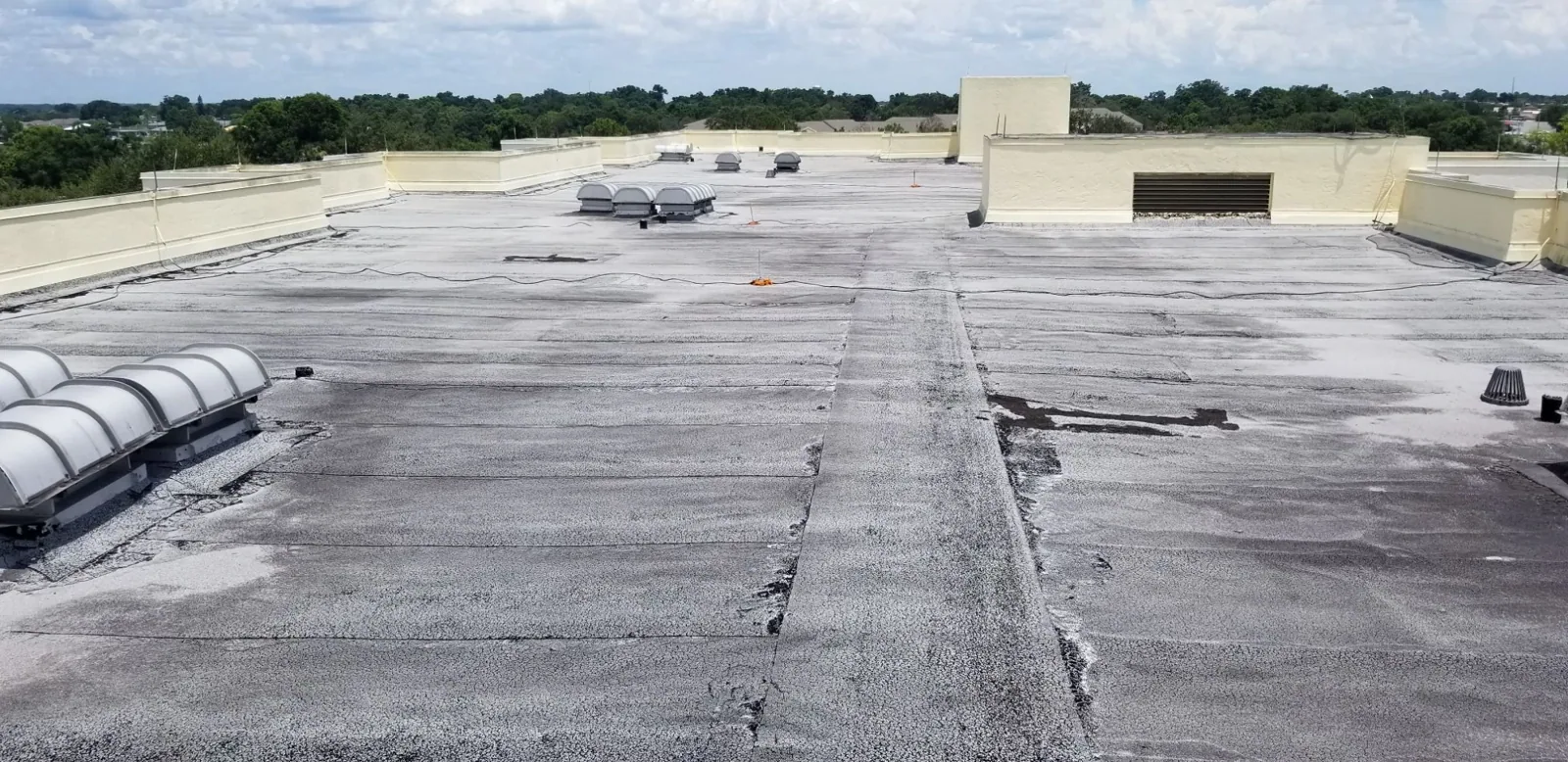
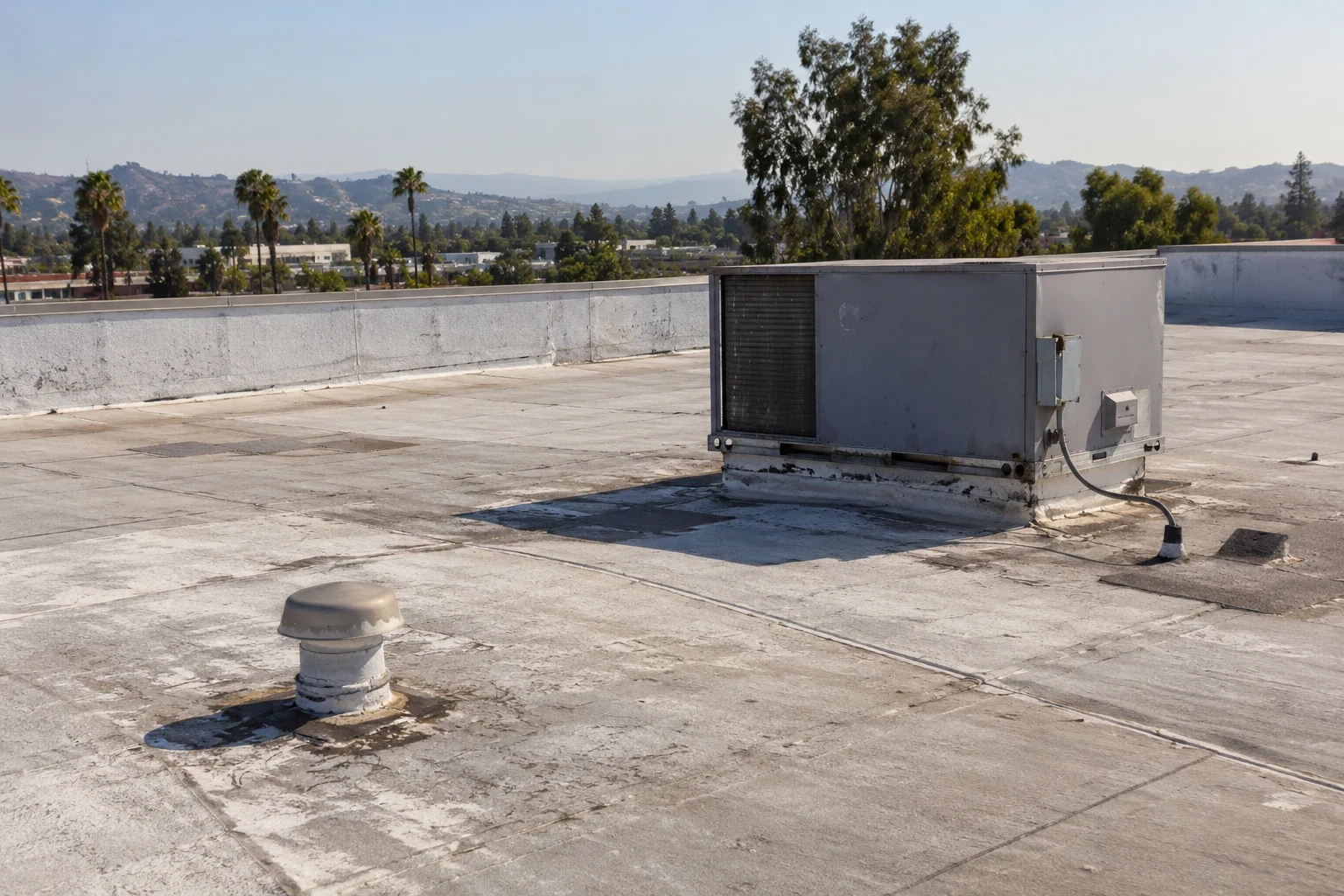
Once access is safe, we compare the interior report with roof details nearby. Common checks include membrane seams, penetrations, curbs, wall transitions, drain bowls, scuppers, and edge metal. Wind-driven rain can enter at a detail and travel before showing inside. A roof leak also can be unrelated to the roof, so plumbing, condensate, and wall openings may need to be ruled out. We record the observed condition rather than naming a cause based only on the nearest visible blemish.
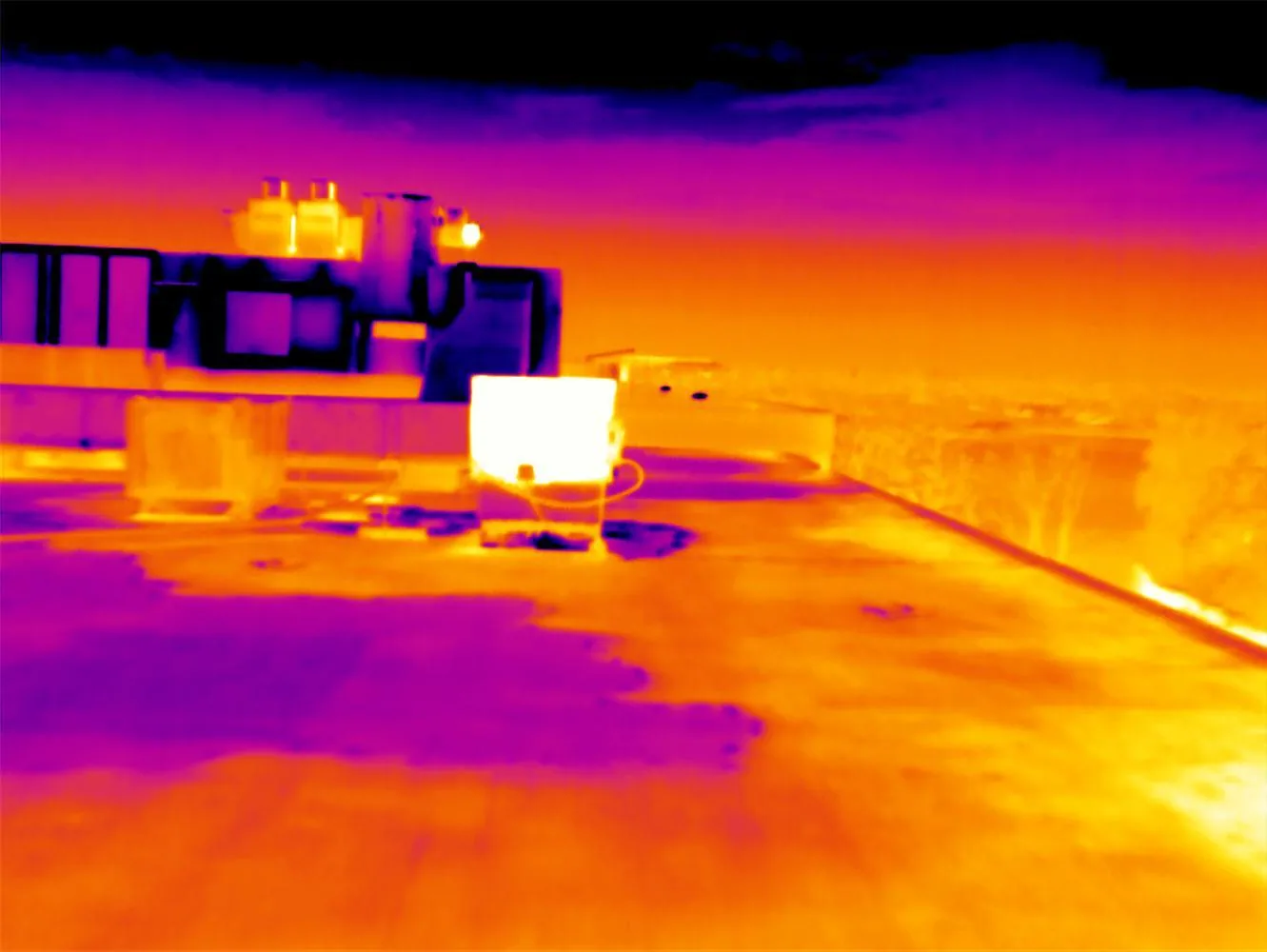
If the surface is wet or the roof system is unknown, the crew may need to return for permanent repair conditions or review roof records first. A test cut or moisture survey is used only if it will answer a specific question and the owner approves it. We keep the opening small, photograph the layers, and close it. The inspection note separates what was seen from what could not be checked. That helps the owner decide whether a targeted repair, broader inspection, or replacement study belongs next.
Choose a Temporary Dry-In with a Limit
A temporary dry-in can reduce water entry while the permanent detail is prepared. Its material and attachment must suit the roof surface and weather exposure. The crew should avoid puncturing sound membrane without a repair plan, covering an active drain, or placing a loose sheet that could become a wind hazard. A tarp is not appropriate for every roof. The selected method depends on the geometry, access, expected weather, and whether a safe attachment point exists.
Visalia’s Visalia's climate averages record an average 10.32 inches of annual precipitation, with most monthly rain falling from late fall through early spring. A dry-in installed before a storm still needs an inspection plan. The written note should identify the location, installation date, expected limits, and who will check it after weather passes. If an urgent opening is near the Visalia Industrial Park, coordination with truck routes and equipment access may affect staging. Along Mooney Boulevard, customer access and visibility may matter more. Neither site condition changes the need for a secure, temporary detail.
Plan the Permanent Repair after Stabilization
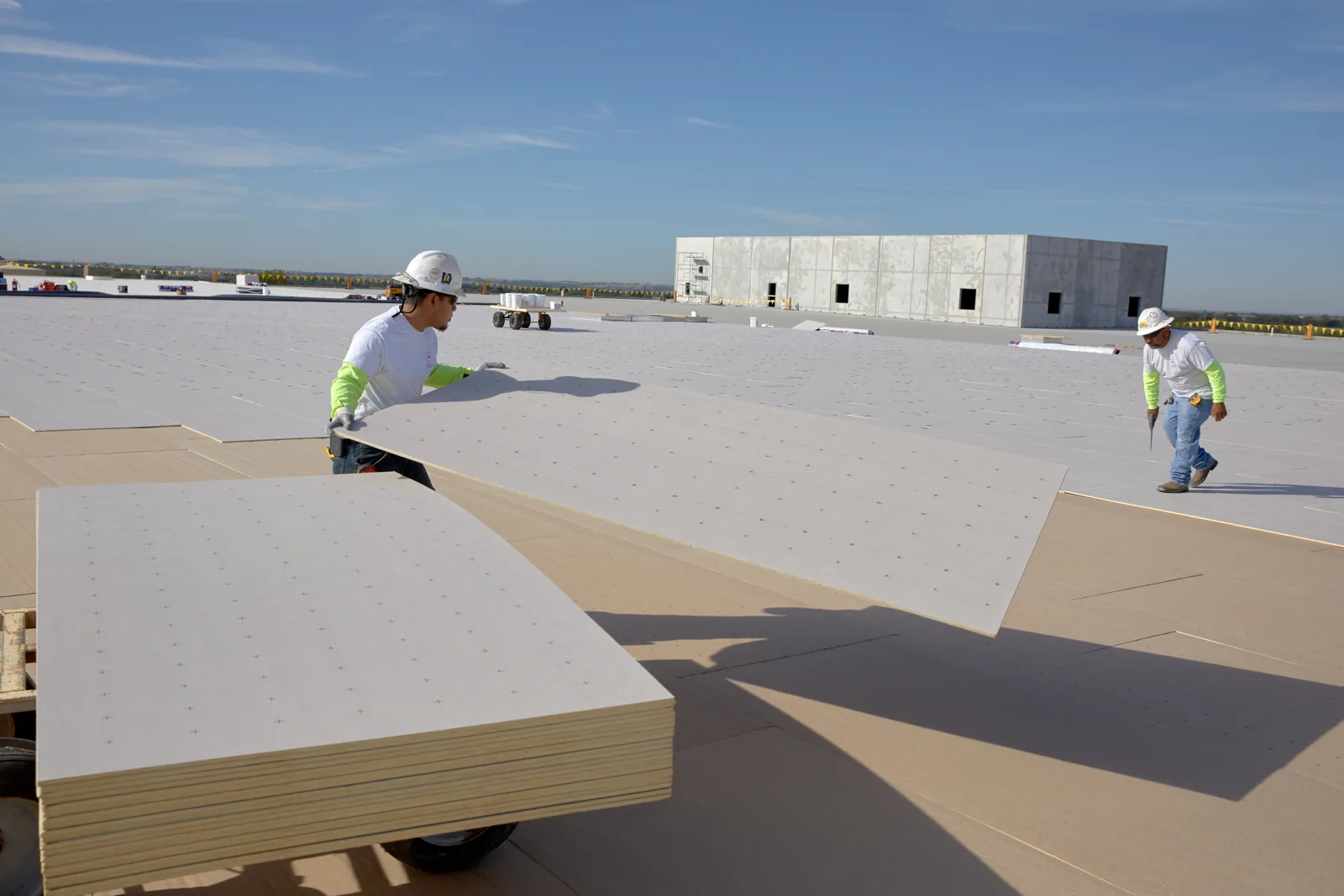
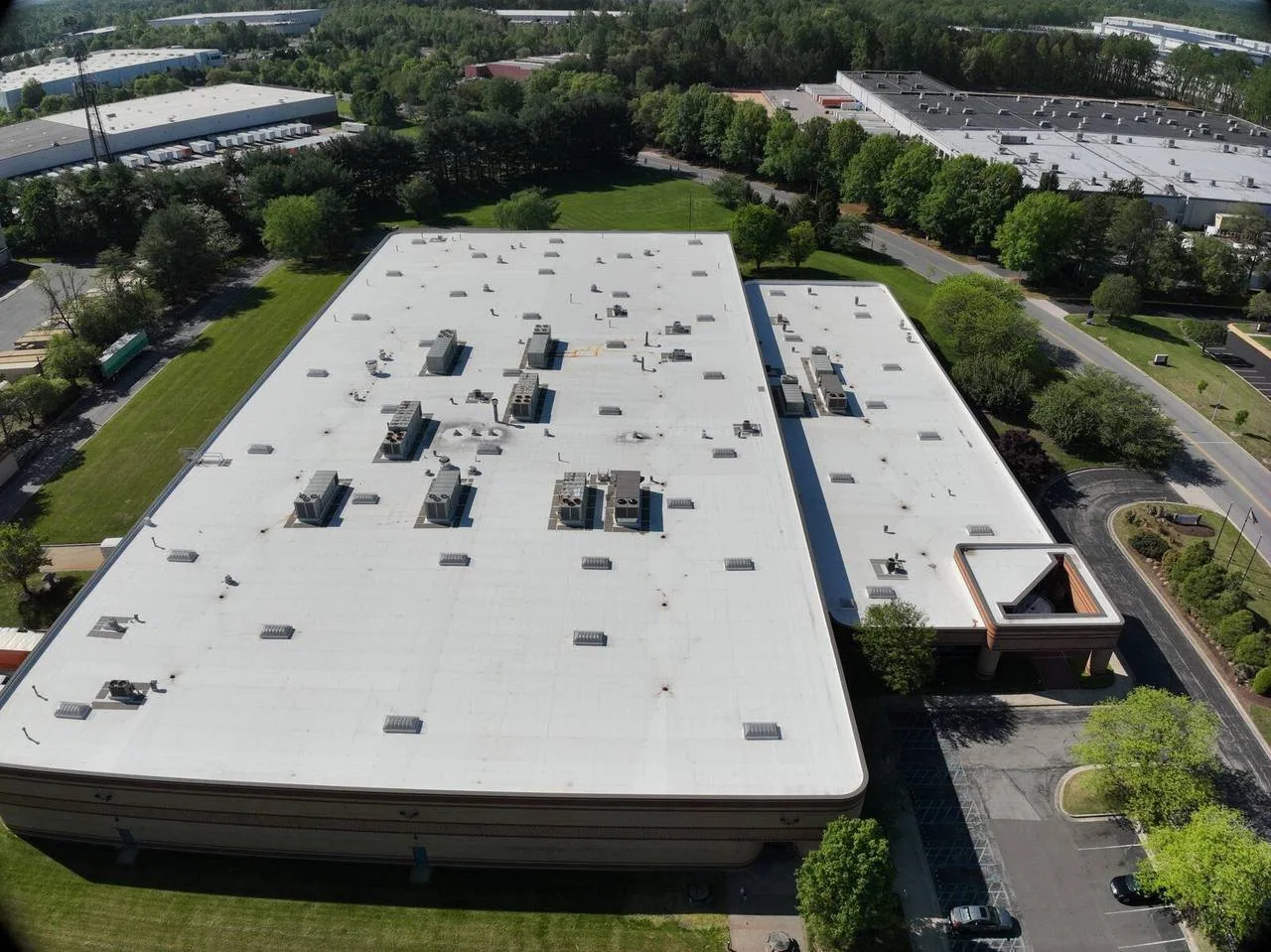
Before removing a temporary measure, confirm the roof is dry enough for the chosen repair material and that the failure has been traced. The permanent work may rebuild a seam, boot, curb flashing, edge transition, or drain detail. We identify the membrane type and use compatible preparation and attachment. A surface patch is not enough when water has reached insulation or deck; the affected material must be assessed and the repair boundary set accordingly. If concealed conditions could expand the scope, the estimate describes how they will be reviewed and approved.
Emergency work can become a planned scope when the first visit reveals a wider condition. We separate the stabilization charge and task from permanent repair, and from any later replacement decision. That lets the manager close the immediate risk without treating a temporary measure as a lasting roof assembly. For longer-term planning, see commercial leak repair, roof inspection, and replacement options. The repair material must match the roof: review TPO details and built-up assemblies only after the membrane is identified. The next step should follow the inspection record, not the urgency of the first call alone.
Record the Handoff to Building Staff
At the end of the visit, the manager needs to know what work is complete and what remains. We record photos, the roof zone, the temporary or permanent detail used, any interior protection, and follow-up recommendations. If the leak was not reproduced, that fact belongs in the closeout too. The note should identify the conditions under which the crew could inspect, so a later return can be planned intelligently.
Keep the record with the maintenance history and share it with the next shift. After rain, check the same interior area and report whether moisture returned. A leak near the Downtown Visalia mixed-use area or a business park may involve different occupants, access routes, and hours, so the contact list matters. In Downtown Visalia, the contact list can be as important as the repair map. The service file should distinguish the roof condition from the work status. That gives an owner a useful next decision: monitor, request a targeted repair, or schedule a fuller survey.
Commercial Roofing Questions
Do you offer an immediate emergency arrival?
Availability changes with weather, access, and current calls. Contact us with the property location and conditions so we can confirm timing and the safest first step.
What should we do if the ceiling is bulging?
Keep people out of the area and follow the building’s safety procedures. Do not stand below it to place a container or attempt a roof inspection.
Will a tarp permanently repair a commercial roof?
No. A tarp is temporary protection with a defined limit. The roof detail must be inspected and permanently repaired once conditions allow.
Can the roof be repaired during rain?
Some stabilization may be possible, but wet surfaces, wind, or electrical hazards can make roof access unsafe or prevent a lasting repair. We confirm conditions first.
What details help us prepare for a response?
Provide the leak location, active water status, roof access rules, building hours, sensitive areas below, and any prior repair notes. Safe interior photos can help.