Commercial Roofing in Downtown Visalia, Visalia, CA
Service Areas | Visalia and Tulare County
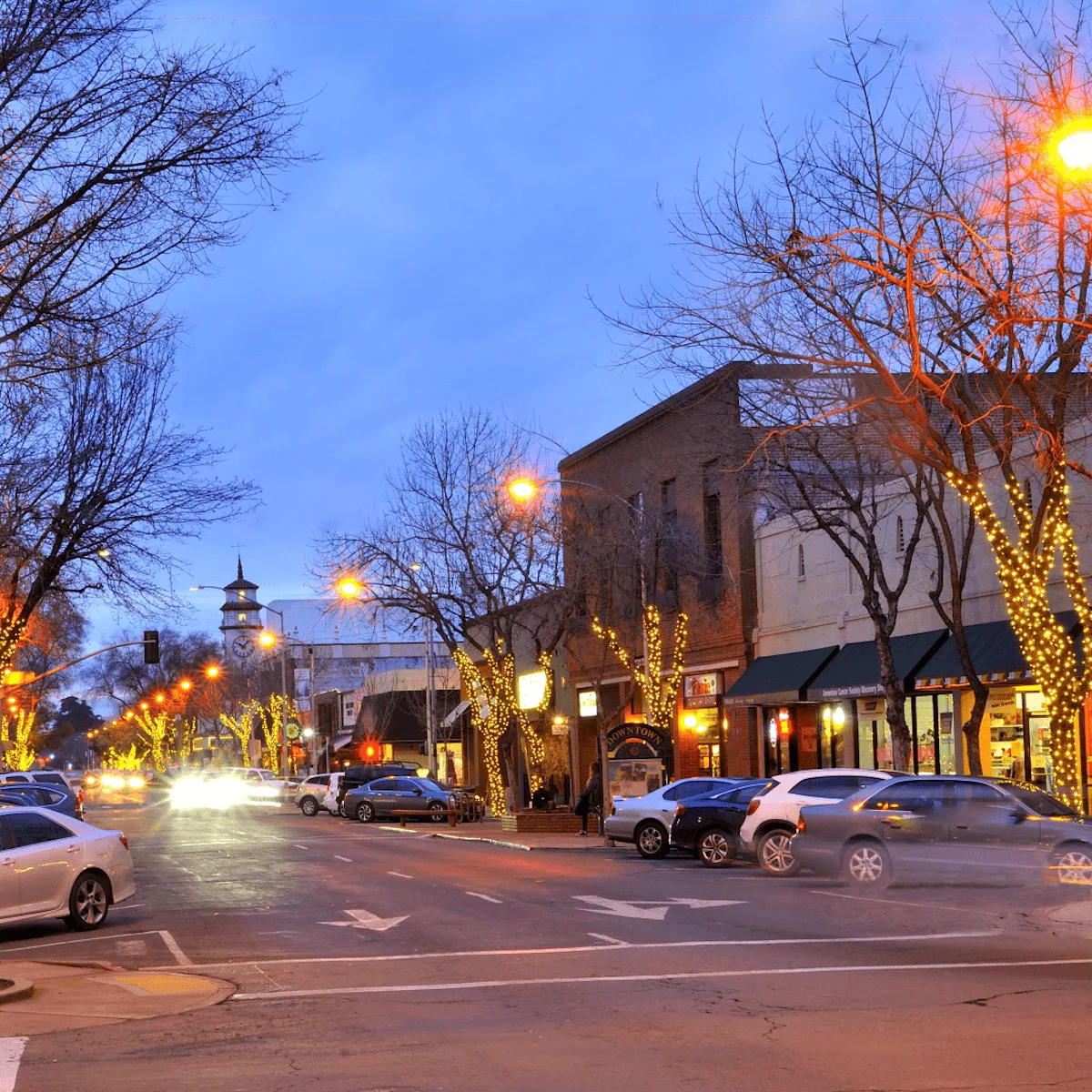
Downtown Visalia
A roof stain in Downtown Visalia may sit well away from the entry point. We start over the affected room, then trace seams, curbs, wall transitions, and drains before widening the repair boundary. The downtown district includes offices, retail, civic, nonprofit, and healthcare uses, so roof access and interior scheduling can differ from one property to the next. The first walk should record the tested area, water path, and any limits on access before repair scope is set.
Trace the Leak Past the Ceiling Mark
A stain inside a professional office or retail space does not show where water entered. We check roof penetrations, wall transitions, seams, equipment curbs, and drains above the affected room. Water can run across a deck or along insulation before it drops. We map that route and inspect the adjoining materials. If one flashing has failed and the surrounding field is dry, a contained repair may fit. If moisture reaches multiple sections, the repair limit must expand.
Downtown land uses include mixed-use properties, office conversions, professional and administrative offices, and residences. Those categories do not identify a specific building's structure or roof. We confirm the actual assembly and the spaces below before opening anything. Where records exist, earlier repairs can show whether the same joint has moved again. An infrared review or test cut may help when visible symptoms do not settle the question. Our commercial roof inspection report records the finding, limits, and follow-up.
Plan Around People and Building Use
A downtown manager needs a roof plan that fits building access and tenant hours. We verify hatch access, ladder position, pedestrian routes, and the place materials can be staged. We also identify rooms that need protection from dust, noise, or water during a repair. If a shared entrance or narrow service area limits deliveries, that belongs in the work sequence, not in a last-minute note.
Healthcare providers and community organizations are part of the downtown mix, so access planning needs to match the property. Before scheduling, we confirm operating hours, sensitive rooms, entrances, and who can approve temporary changes. Those details set the protection plan below the roof and help keep patients, customers, and staff clear of active work zones.
On a clinic, office, or mixed-use property, we divide the roof into controlled sections and keep staging away from public routes. An occupied-building work sequence can coordinate each opening and close-in with the manager while the facility stays in use.
Check Drainage and Roof Edges
Downtown buildings can have parapets, internal drains, scuppers, and transitions added during earlier renovations. We inspect each outlet and its surrounding membrane. A blocked drain can hold water; a failed flashing can allow water behind the wall; a low roof section can keep the same area wet after every rain. Each condition calls for its own correction. We check the route to the outlet and the discharge point so a roof repair does not leave water directed at an entry or wall.
The Court and Locust corridor connects the downtown core and Oval area as a mixed-use corridor. That connection is useful context for neighboring property managers, but we still inspect each building individually. A small opening at a scupper can be repaired after the metal and membrane are secure. Broader ponding may need slope or insulation work. The drain and scupper repair scope lists outlet, membrane, and edge work separately so the owner can see what the price includes.
Check Sealants After Hot Weather
Visalia's extended hot season puts recurring heat on exposed sealants and membrane surfaces, but it does not prove a particular roof is damaged. We inspect laps, corners, pipe boots, pitch pockets, and metal joints for shrinkage, cracking, and separation. A small defect can admit water, then become harder to locate when the entry point dries between storms. We photograph the condition and check nearby material before choosing a patch or wider repair.
Heat affects when some repair products can be applied. We check the material instructions, roof surface, and forecast before opening the assembly. Each work zone gets prepared and closed in a sequence that limits exposure. If a coating is considered, the substrate must be dry, stable, and compatible; otherwise it can trap an unresolved condition. A an assessment of heat and UV roof damage can identify surface wear, while the silicone roof coatings option is reserved for a roof that qualifies for restoration.
Choose the Smallest Sound Repair
A repair should stop at sound material, not at an arbitrary line. We remove failed flashing, wet insulation, or loose membrane only as far as the inspection supports, then tie the new work into a stable surface. If multiple patches overlap or the membrane has lost adhesion broadly, replacement may be more reliable than continuing local repairs. We explain what was observed, what remains concealed, and which finding would change the scope.
Cost depends on the number of roof layers, demolition limits, insulation replacement, drain and edge details, access, and the number of mobilizations. For an owner comparing options, a roof recover or overlay may retain a sound existing roof. A commercial roof replacement removes wet or incompatible material but requires noise and debris controls. We set those alternatives beside the building's use, capital timing, and interior risk.
Set the Work Window with Tenants
For a downtown property, a delivery path or public entrance may matter as much as the roof hatch. We confirm working hours, noise limits, customer access, tenant notices, and any equipment shutdown before scheduling. A repair can often be isolated to a smaller area, while a tear-off requires daily protection and close-in. If rain is forecast, we stage only the area that can be made watertight within the work period.
The Oval Park Commercial Corridor is another mixed-use commercial area with restaurants and small businesses near its perimeter. A property manager with buildings in both areas can compare occupancy needs, but each site gets its own access plan. We do not assume the same curb, drain, or tenant setup. Written phasing identifies the area opened, protection below, route for materials, and how the roof will be secured at shift end.
Keep Repairs Easy to Revisit
A closeout record should show the roof zone, the failed detail, and the material installed. We include photos and note any area that remained inaccessible or needs a later check. A manager can use that record when a new stain appears to determine whether the water path matches the last repair or comes from another detail. This makes future triage faster and avoids treating every leak as a new full-roof issue.
Share prior repair notes, roof plans, leak locations, occupancy limits, and any planned tenant work. We inspect the assembly, define a repair boundary, and return a written scope with any concealed conditions identified. If the work touches a medical, office, or residential space, we coordinate protection and timing before the crew opens the roof. The goal is a clear roof decision that fits the building's current use.
Commercial Roofing Questions
Can you find an entry point from a ceiling stain?
The stain is a clue, not a roof location. We trace the water path from the room to the roof and inspect adjacent seams, drains, and penetrations before setting the repair limit.
How do you work above occupied offices or clinics?
We confirm access, sensitive rooms, work hours, and interior protection. The scope can phase roof openings and close-in so occupants know what changes each day.
Does downtown mixed use mean every roof is flat?
No. The land-use mix does not identify the structure or roof assembly at a given property. We confirm the system on site before selecting materials or methods.
What if the roof has several old patches?
We inspect each repair edge and the surrounding membrane. If patches remain sound, they may stay. If repeated failures show wider adhesion or moisture problems, we compare broader work.
What information helps price a downtown repair?
Leak locations, roof plans, access rules, tenant hours, prior repairs, and any planned interior work help define the scope. We verify the roof condition before finalizing quantities.