Commercial Roof Leak Repair in Visalia, CA
Commercial Roofing Services | Visalia and Tulare County
Commercial Roof Leak Repair
An active roof leak needs two answers: how to protect the interior now and where the roof assembly is letting water through. We start by locating the affected room, checking the roof above and around it, and documenting conditions before a patch hides the evidence. Water can travel along insulation or deck flutes, so the visible ceiling mark is only a clue. In Visalia, heat can stress exposed sealants, and seasonal rain gives drains, laps, and penetrations a hard test. A leak near the Goshen and Murray commercial corridor may disrupt loading or customer access; a repair near Downtown Visalia may affect occupied offices. The response should fit the building and the failure.
Protect the Space below the Leak
Move sensitive stock, equipment, files, and furnishings where water can still reach them. If a ceiling is bulging or electrical fixtures are wet, keep people clear and involve the building’s safety and electrical contacts. The roofing crew can help identify a catch area and the likely roof zone, but interior hazards should be managed by the responsible facility staff. We record the room, stain location, and any active drip so the roof walk can be directed rather than widened at random.
Temporary containment may be needed before a permanent repair is possible. A safe tarp or dry-in must be secured without creating a new path for water or blocking drainage. We explain what the temporary measure protects and what it cannot establish. If rain continues or the roof is unsafe to access, interior protection and another inspection window may be the responsible first step. The service call should leave a clear handoff between the facility manager and the person responsible for roof access.
Trace Water to a Roof Detail
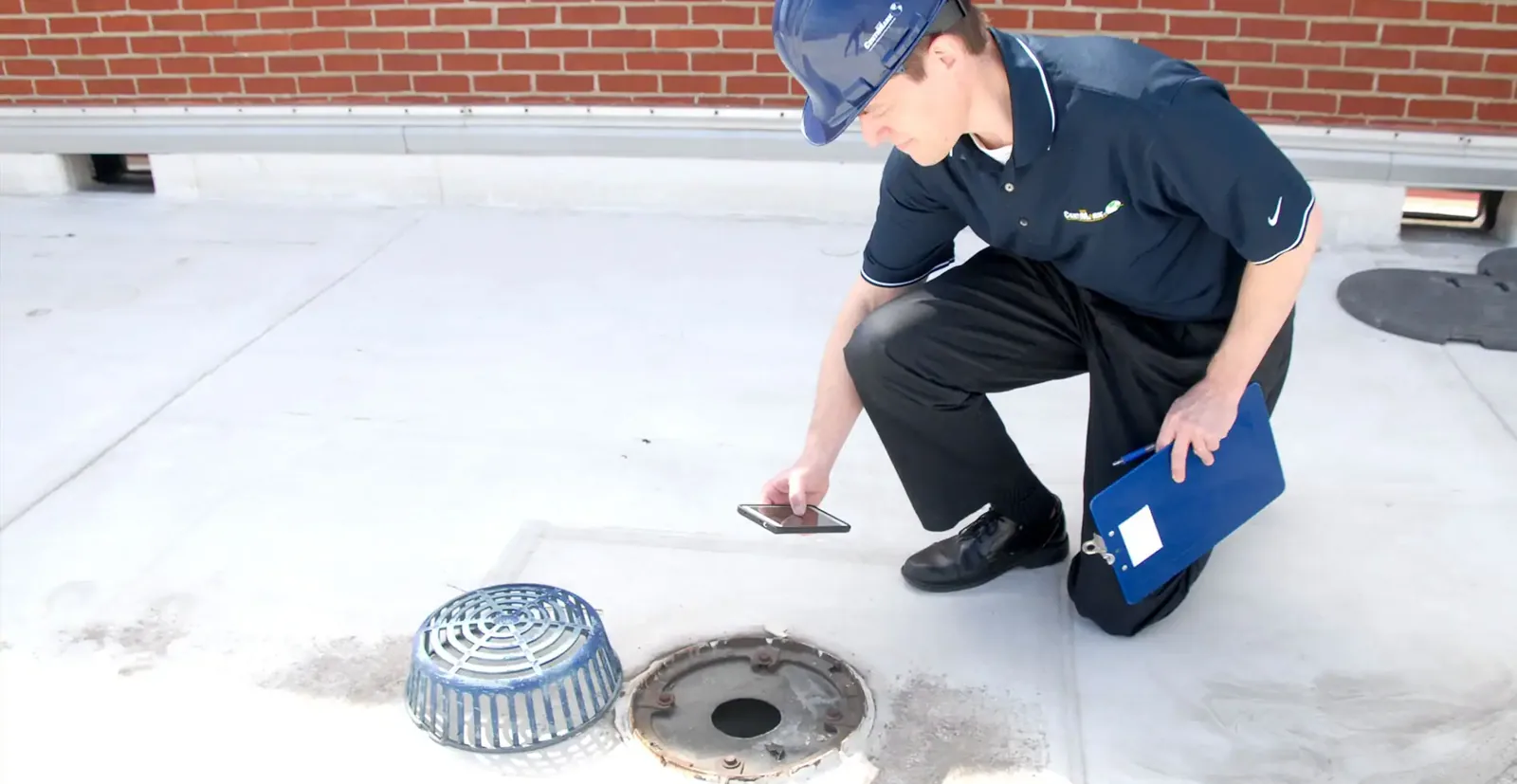
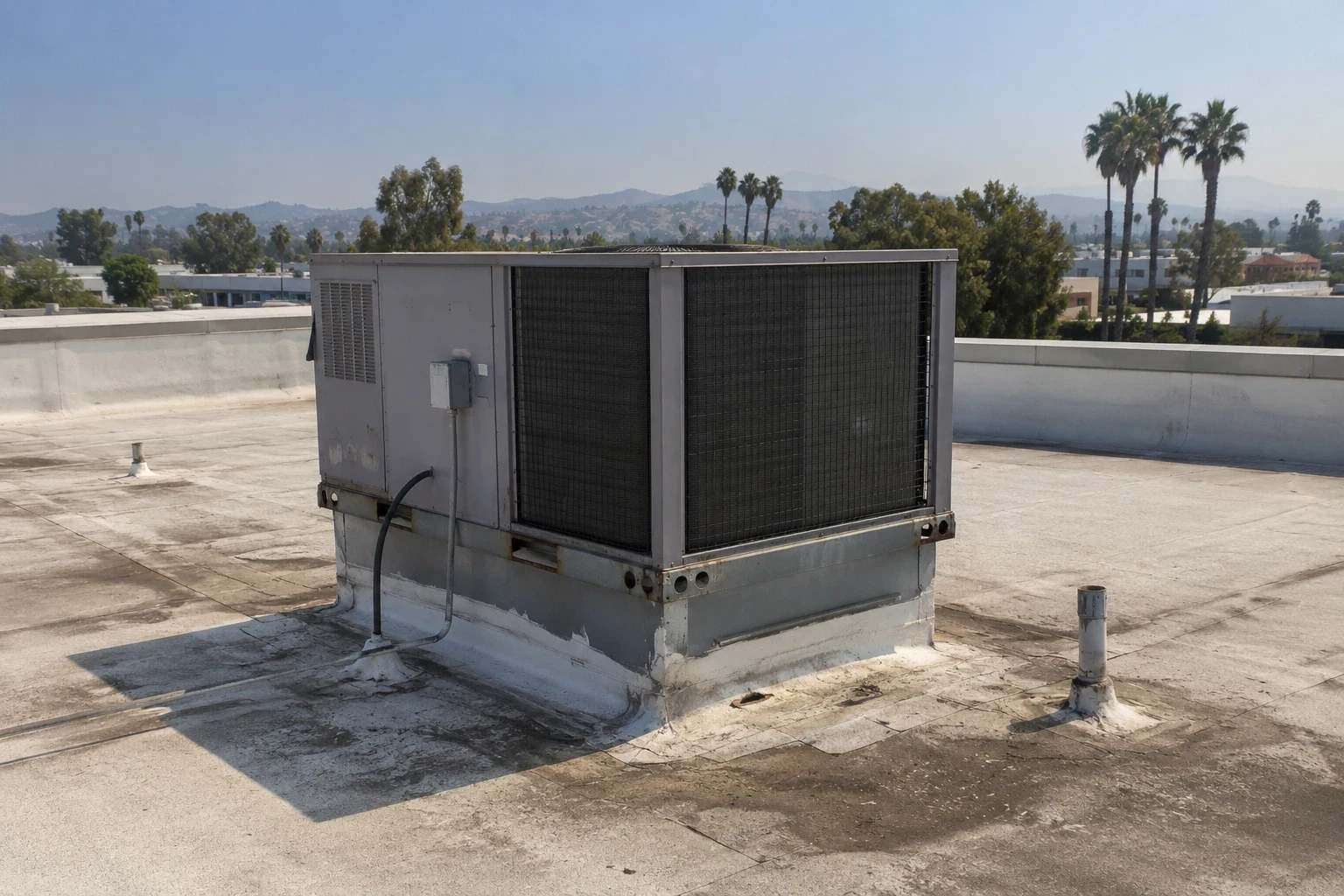
Start with the timing. A leak that appears during wind-driven rain can point to a different detail than water noticed after a long storm. HVAC condensate, plumbing, and wall openings also need to be ruled out when the evidence suggests an cause of interior moisture. On the roof, we inspect penetrations, seams, laps, drains, scuppers, curbs, and perimeter transitions near the affected zone. We compare the surface with the interior report and follow the path instead of patching the nearest visible defect.
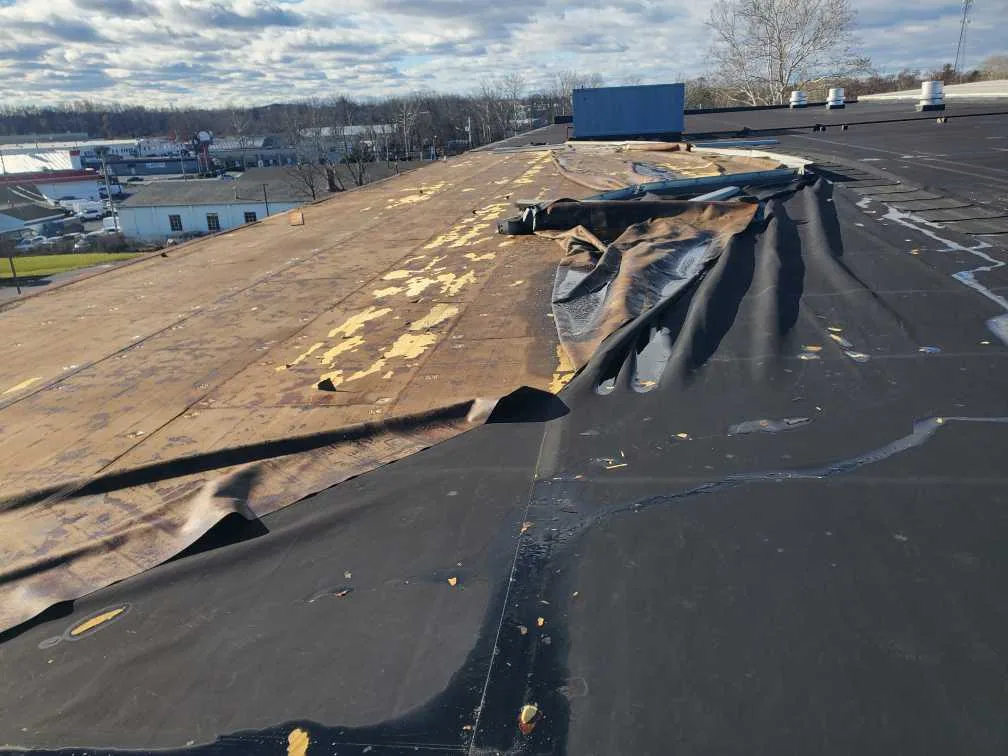
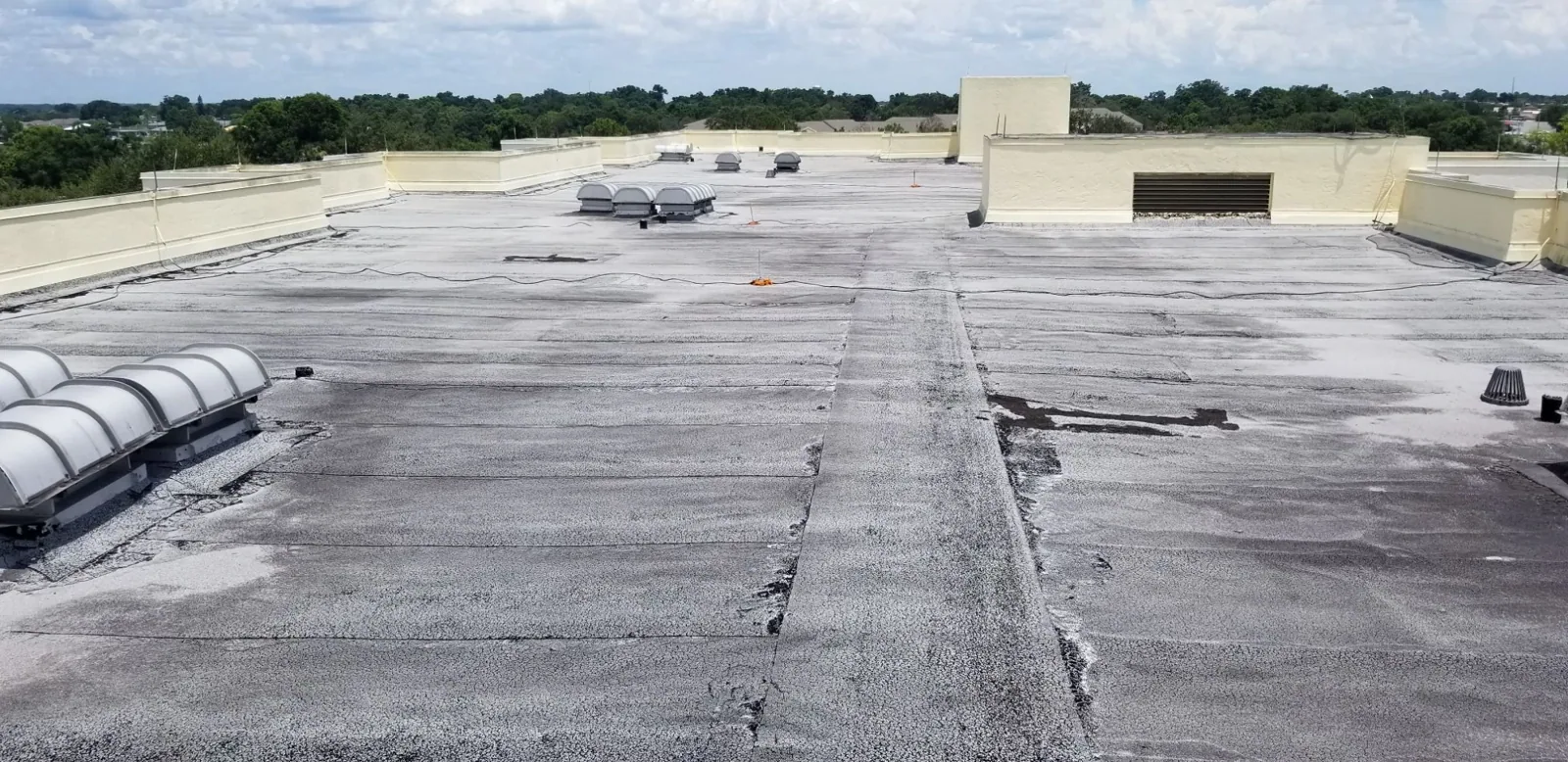
Water may move beneath the membrane before reaching a ceiling. We look for blisters, open seams, displaced flashing, wet insulation indicators, and prior repairs that may have changed the route. If findings do not settle the cause, a moisture survey or test cut can help. The owner approves any opening, and the crew photographs and closes it. The record distinguishes the observed defect from areas that were not opened or tested. A small leak can need careful diagnosis even when the eventual repair is localized.
Match the Repair to the Roof System
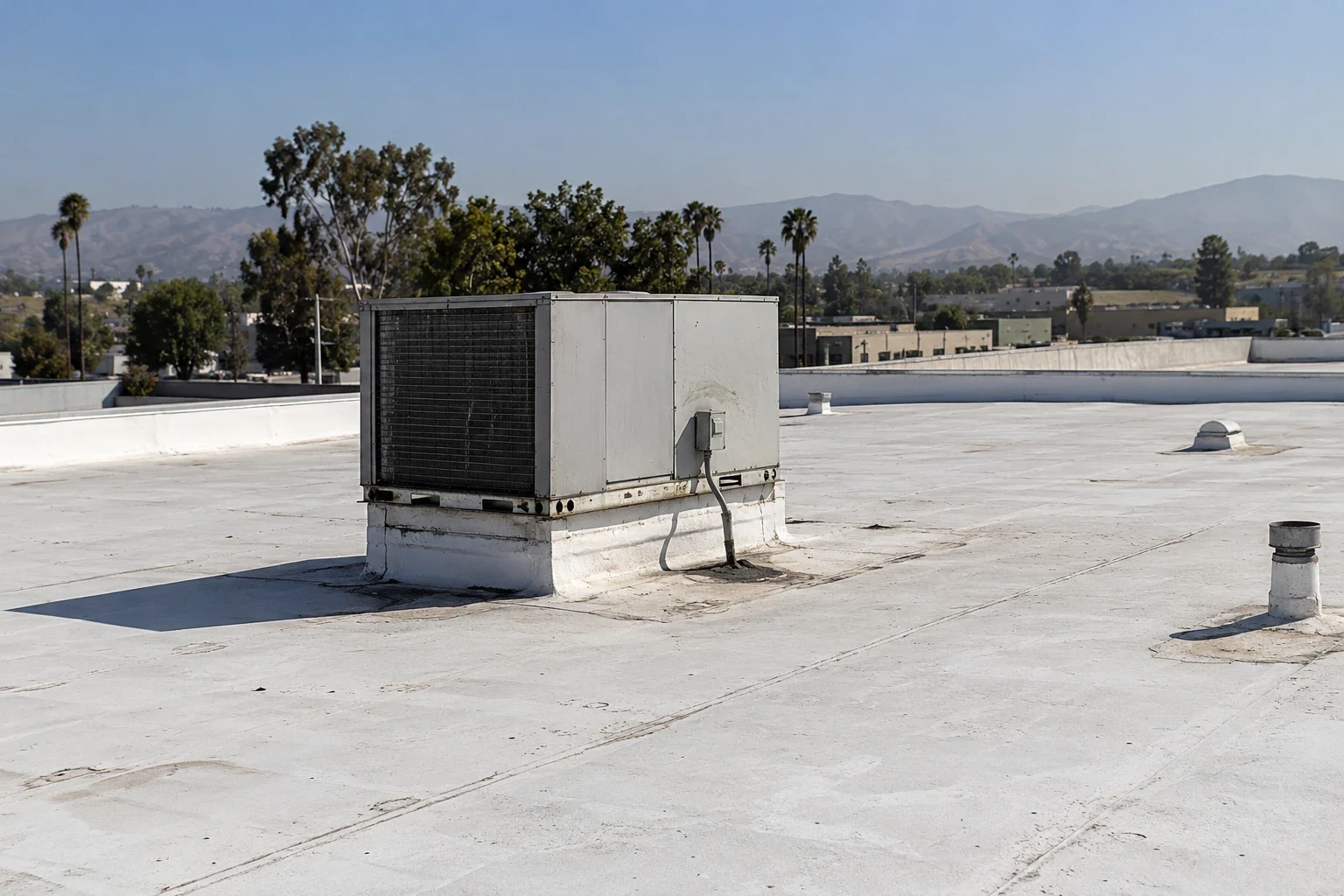
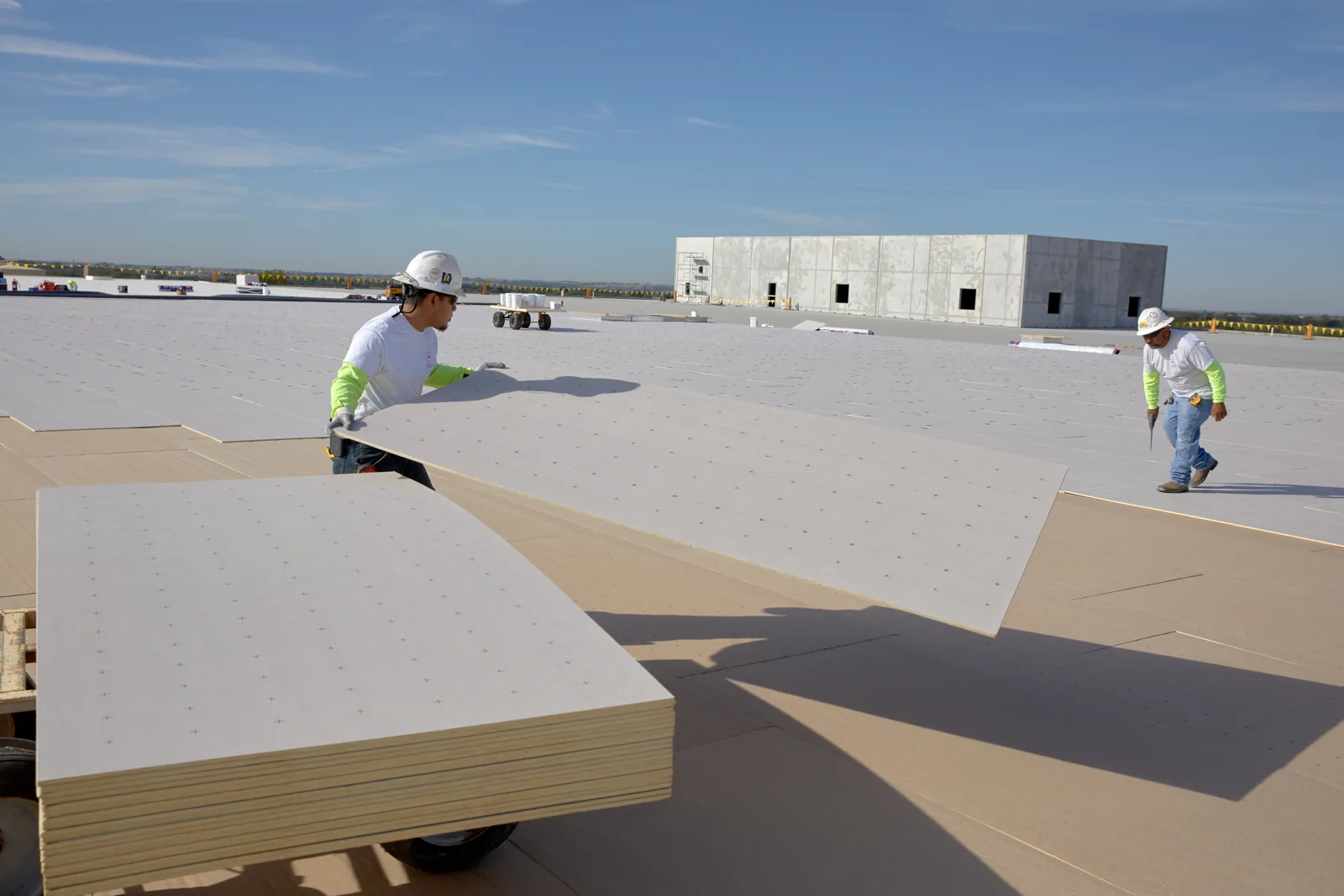
After the failing detail is identified, we confirm the membrane or roof covering and select compatible materials. A seam repair needs the correct preparation and weld or adhesive method for that membrane. A pipe boot, curb, or wall transition may require a rebuilt flashing rather than another bead of sealant. At a drain, the repair needs to tie into the bowl without leaving a lip that traps debris. Metal roof leaks call for attention to fasteners, laps, and thermal movement; a coating is not a substitute for correcting a loose connection.
Where the roof has several layers of prior work, the repair boundary must reach sound material and remain accessible for future inspection. We state whether wet insulation or damaged deck was found and what would change the scope if hidden conditions appear. A repair proposal should tell the manager what area is included, how temporary protection will be removed, and whether a return check is recommended after the next rain. That is more useful than a vague promise that the leak is fixed everywhere.
Check Outlets and Low Areas
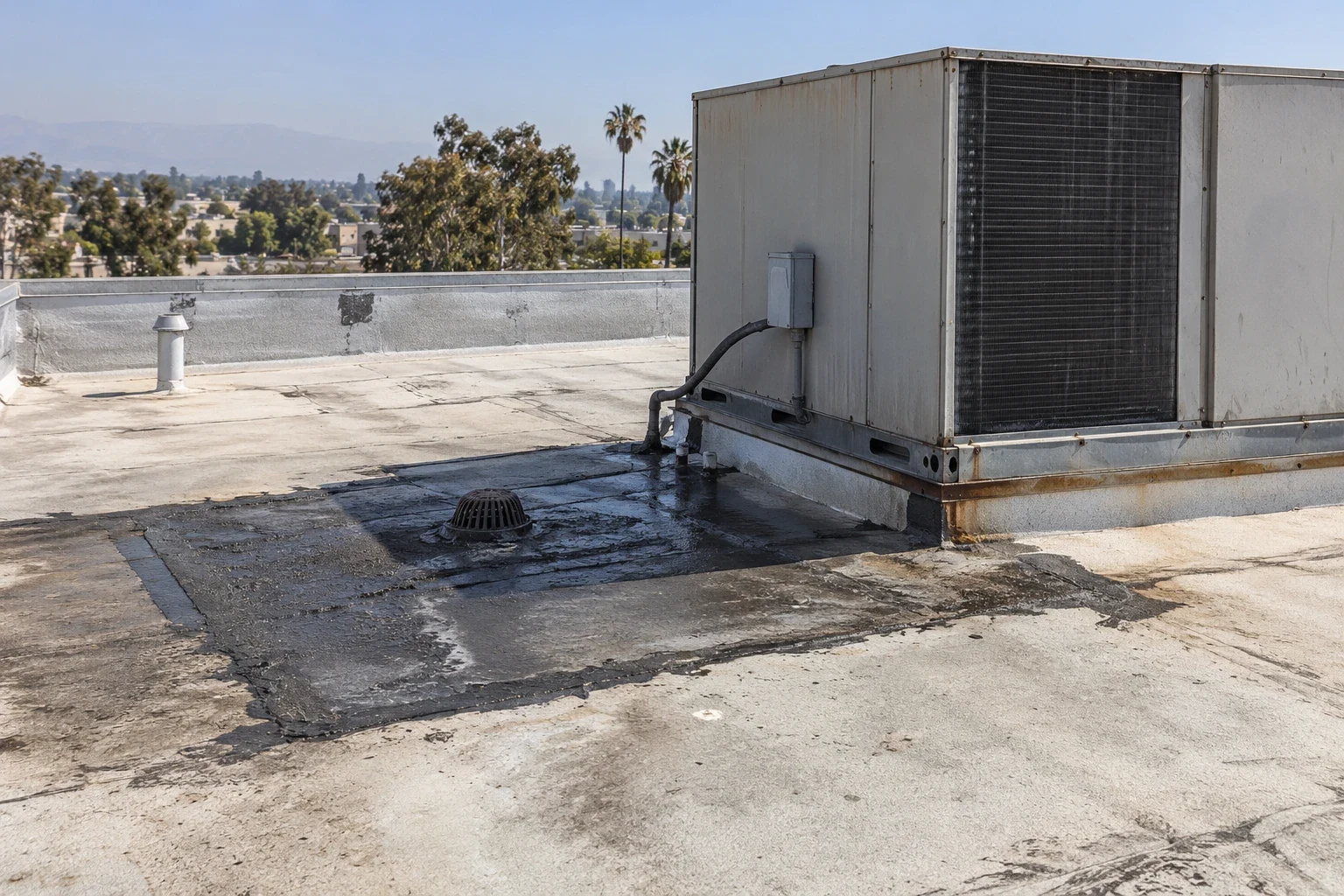
A drain can be both the leak location and part of the reason water remains on the roof. We inspect the strainer, bowl, leader, overflow, and nearby membrane. Leaves or packaging can block an outlet, but a low area may instead reflect deck deflection or a failed sump. Clearing debris can improve flow where the outlet is obstructed; it does not correct structural movement. We identify which condition was observed and whether a separate drainage review is needed.
Visalia's climate averages Visalia station normals show a mean 10.32 inches of precipitation annually, with most monthly totals falling from late fall through early spring. Before that wetter period, owners can ask for drains and overflow paths to be checked as part of routine maintenance. If the leak report follows a storm, we also inspect edge metal and transitions exposed to wind-driven rain. A drain and scupper repair can address the outlet detail, while preventive maintenance helps keep debris and small defects from going unnoticed.
Coordinate the Visit around Building Use
Before dispatch, confirm who can authorize roof access, where the crew can park or stage, and which rooms need protection. A business in the Mooney Boulevard regional retail corridor may need a route that keeps customers away from ladders and material handling. A facility near the Visalia Industrial Park may need the repair staged around truck movements and rooftop equipment. Those facts guide logistics; they do not establish what roof is installed. We check each property directly and agree on a safe work zone with the manager.
Urgent work can still require a short inspection and a clear scope. If rain is falling, wind is high, or the surface is too hot for a specified material, the crew may need to stabilize first and return for a permanent repair under suitable conditions. We document the temporary work and state what remains. For broader leak investigation, see commercial roof inspection; for a system-level decision, review commercial roof repair or replacement after the condition is understood.
Leave a Leak Record the Next Shift Can Use
Closeout should include the roof location, the detail repaired, the materials installed, and photographs before and after work. Note whether water was active during the visit, whether insulation or deck was opened, and which areas remain untested. If an interim dry-in was used, specify its limits and who will arrange the next inspection. This helps another manager tell a new leak from moisture that remained in the building after the roof was closed.
We also identify follow-up timing. A return check may be useful after the next rain or after interior materials have dried. If the same stain returns, the property team can compare its position, timing, and roof conditions with the original record. A leak repair is complete when the described scope is finished and the owner understands any remaining uncertainty. For a property around Goshen and Murray or Downtown Visalia, keep that record with the building rather than treating neighborhood conditions as a substitute for roof-level evidence.
Commercial Roofing Questions
What should staff do before the roofer arrives?
Keep people away from a sagging ceiling or wet electrical area, move sensitive property if safe, and report the room and timing. Do not climb onto the roof to locate the opening.
Why does water appear away from the roof opening?
It can travel through insulation, along deck flutes, or around framing before it reaches an interior surface. We trace from the reported area through nearby roof details.
Can a temporary dry-in stop the leak permanently?
No. Temporary protection limits exposure until a compatible permanent repair can be installed. We document what it covers and what still needs inspection.
Do you need to cut into the roof?
Only when surface checks do not answer a material or moisture question. We agree on the test location, record the layers, and close the opening after inspection.
When should the repair be checked again?
A return check can follow the next rain or the agreed monitoring period. The closeout should state what was repaired and what conditions would justify another visit.