Commercial Roof Inspection in Visalia, CA
Commercial Roofing Services | Visalia and Tulare County
Commercial Roof Inspection
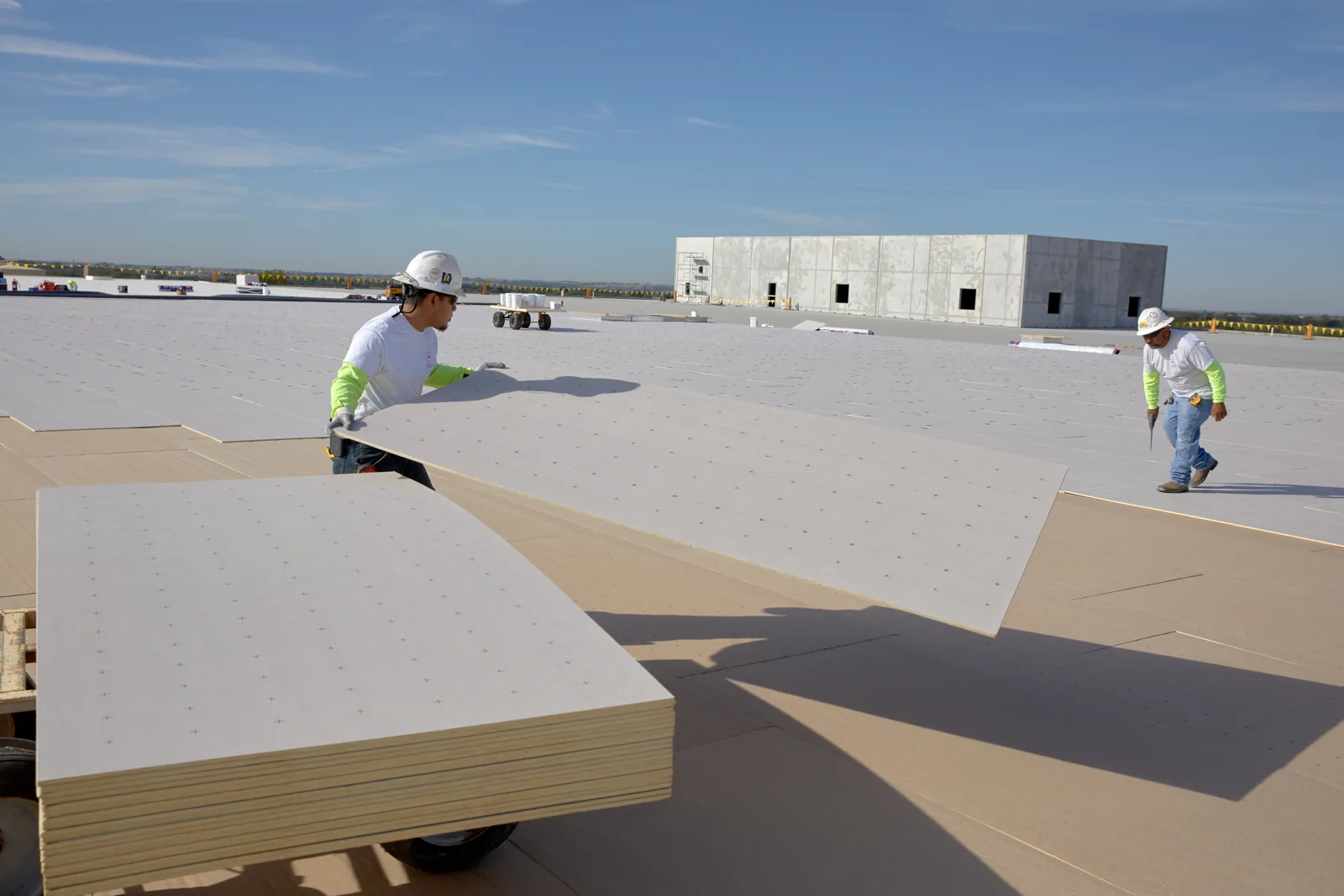
A commercial roof inspection should answer a property question, not just produce a walk-through list. We check the membrane, flashings, drains, roof edges, penetrations, and conditions visible from safe access, then record what needs repair, monitoring, or more testing. For a manager in Visalia, the long hot season and seasonal rainfall make exposed seals and drainage useful places to examine, but climate does not tell us what has failed on one roof. A warehouse in the Visalia Industrial Park, a medical office near Court and Paradise, and a retail building on Mooney Boulevard each need their own roof map and operating plan. The report stays specific to the building inspected.
Define the Question before the Roof Walk
An inspection may follow a leak, support a maintenance plan, document a roof before budgeting, or review a reported concern after a storm. The reason changes what we examine and how we present the findings. Before access, identify the property, roof sections, past repairs, known leaks, interior areas at risk, and any access restrictions. If the owner needs a condition report for several buildings, the scope should list each roof separately rather than blend them into one general condition.
We confirm whether the inspection is visual, includes moisture testing, or needs a core cut. A visual walk can identify open seams, damaged flashing, debris, standing water, failed sealant, and visible membrane wear. It cannot prove that insulation is dry throughout or reveal concealed deck damage. The proposal should distinguish these limits. When a test is recommended, we explain the question it should answer and where the owner can authorize it. That keeps the inspection matched to the decision at hand.
Check the Field, Edges, and Penetrations
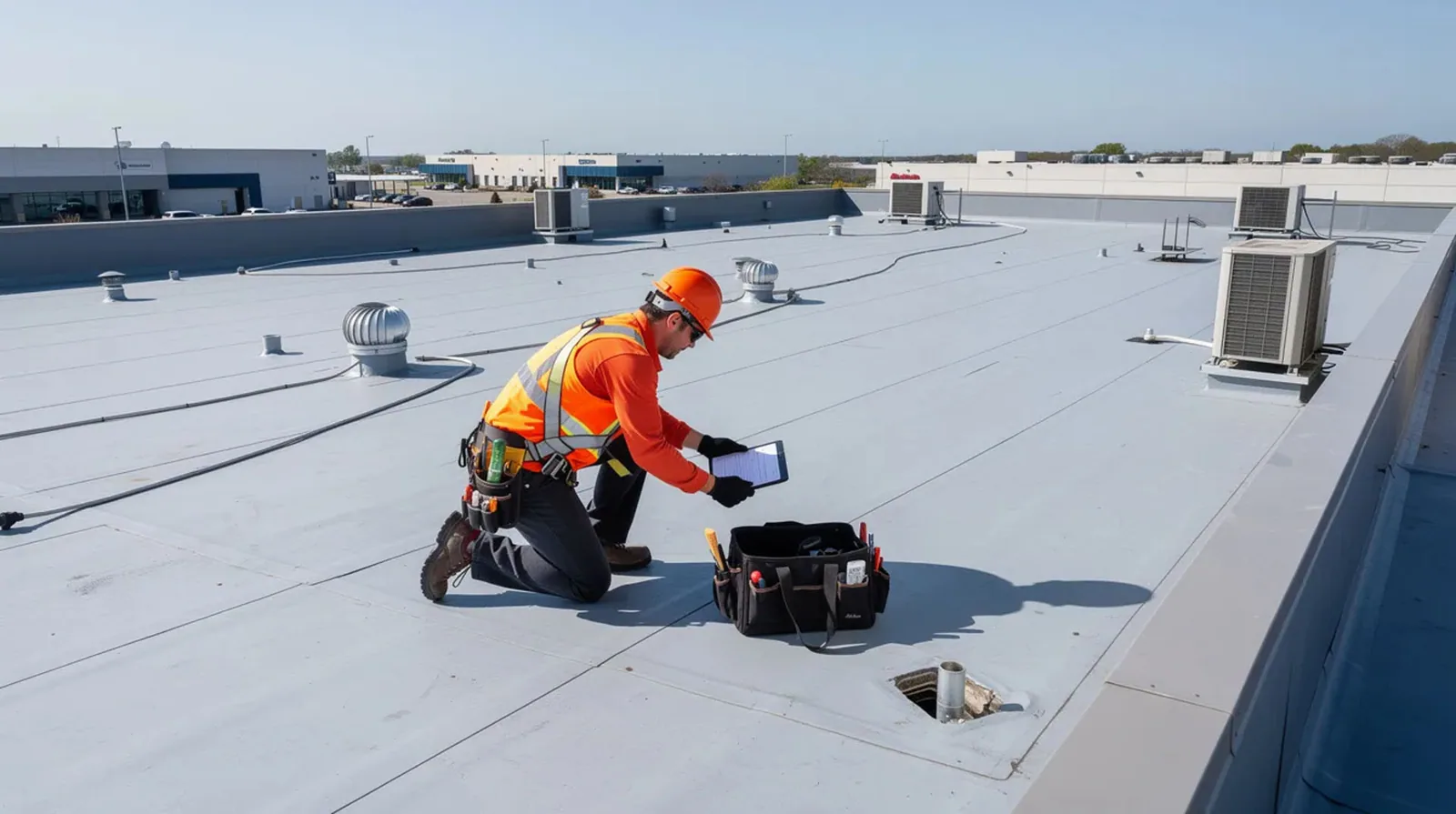
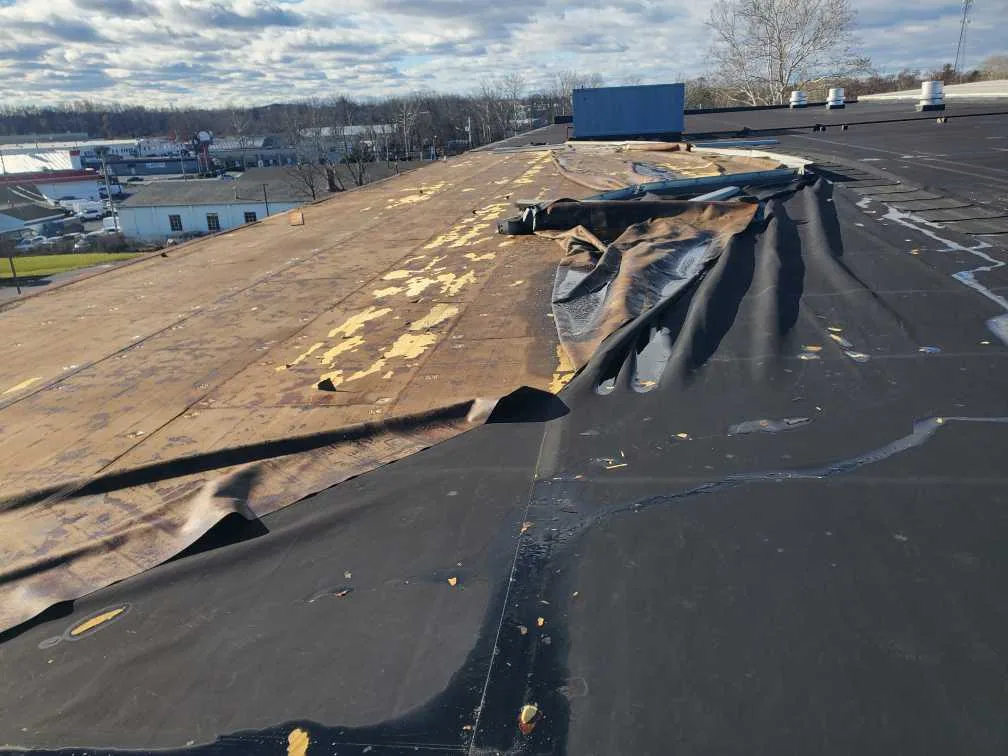
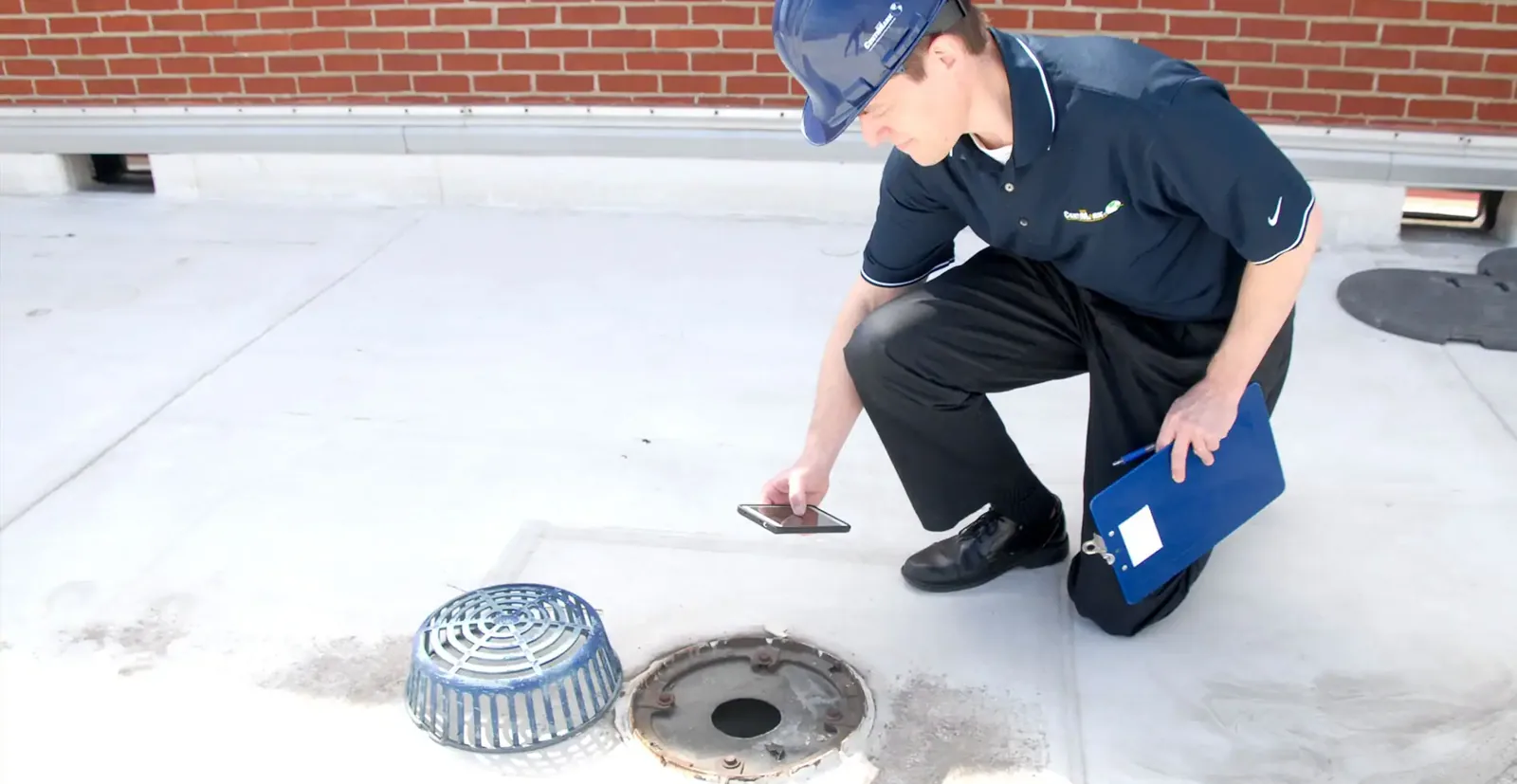
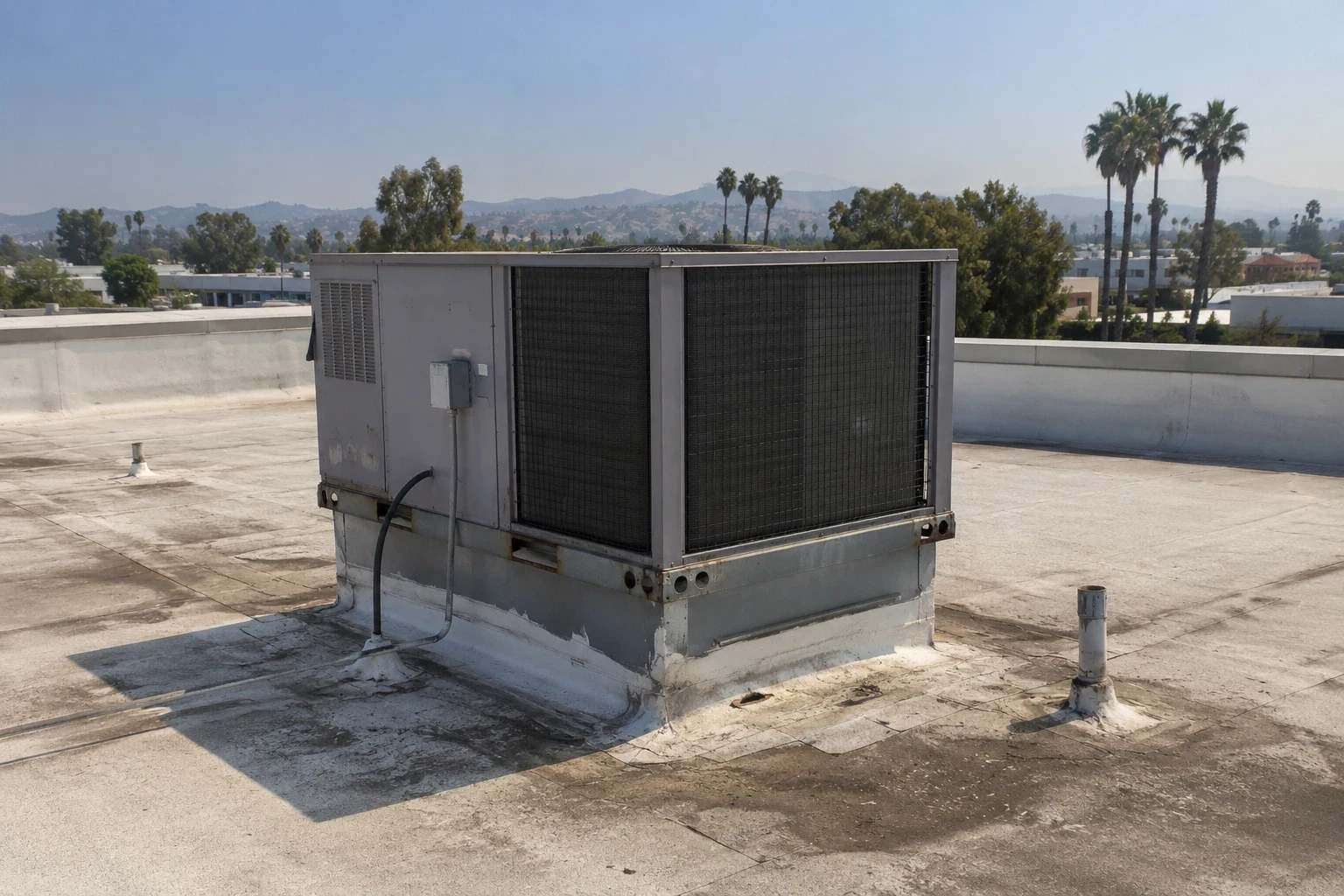
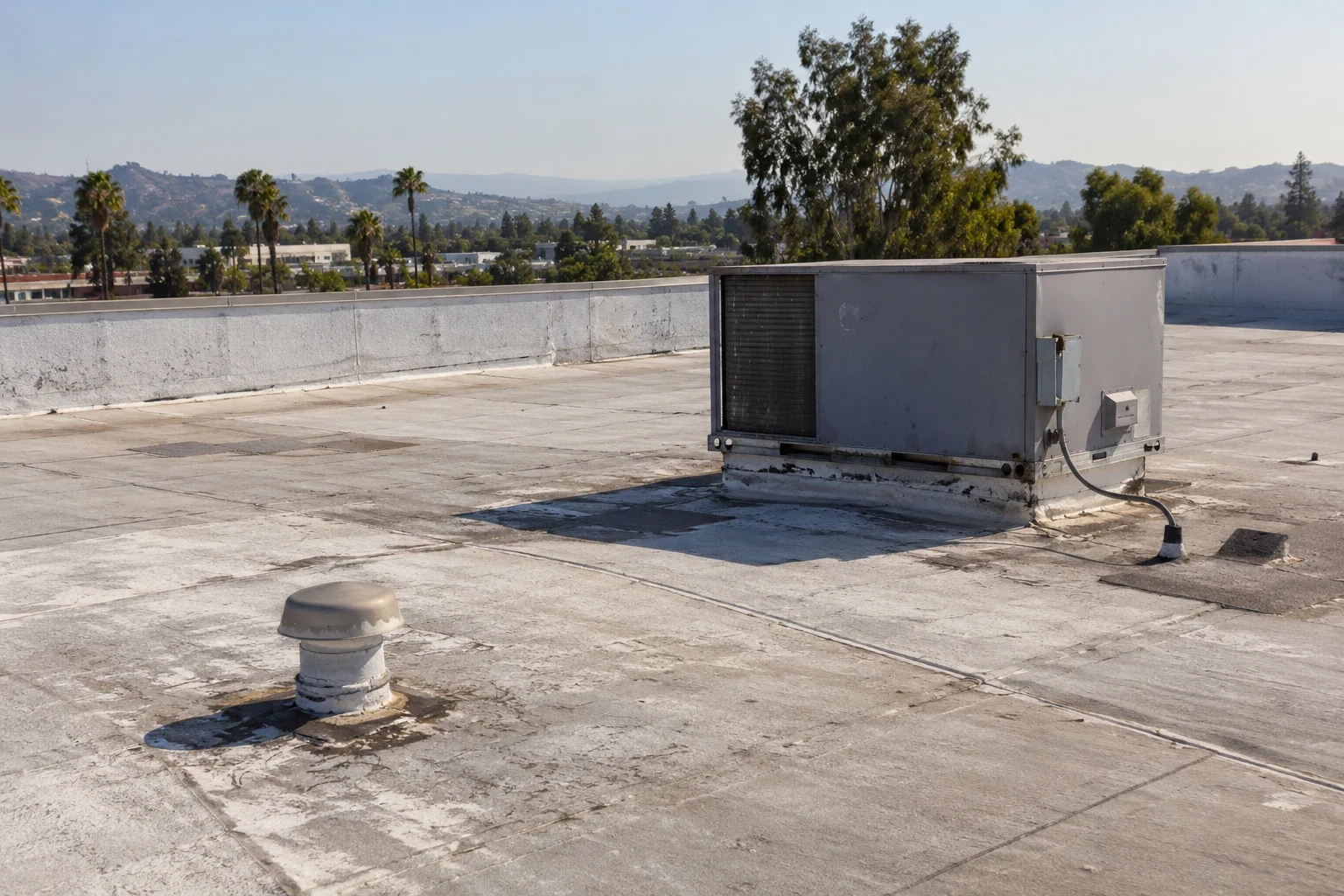
During the walk, we follow a repeatable path across the accessible roof area. The field membrane is checked for punctures, open laps, blisters, surface wear, and prior patches. At drains, we inspect the bowl, strainer, nearby slope, and overflow. At walls and parapets, we look at termination bars, counterflashing, coping, and changes in height. Curbs, pipe boots, skylight transitions, and equipment supports receive attention because movement and service work can disturb their seals.
Edges need a separate look. Loose perimeter metal, exposed fasteners, open laps, and gaps at corners can admit water or lift under wind forces. We note whether a detail is visibly loose or simply inaccessible. On roofs with rooftop units, conduits, or solar equipment, the walking route must avoid fragile components and service hazards. The report uses roof zones and photos so a maintenance manager can find each item. A roof plan is helpful but not required if the area can be mapped clearly during the visit.
Connect Roof Findings to Interior Reports
Where access is approved, interior clues can help test a leak theory. We compare ceiling stains, water timing, and room locations with roof details above and around them. A stain may sit far from the opening because water moves through insulation or along the deck. Condensate and plumbing can also create interior moisture. The report should not label a roof leak unless the evidence supports that conclusion. If the leak entry point cannot be confirmed during a visual visit, we identify the next test rather than overstate the finding.
For an occupied building, coordinate with staff before moving through tenant or production space. Protect furnishings and equipment when the inspection requires interior access. If the inspection is exterior-only, state that limit so the owner does not mistake a roof walk for a full leak investigation. A leak repair visit may be a better fit for an active drip. A broader moisture survey can be considered when visible clues do not settle the extent of wet insulation.
Read Heat and Rain Exposure in Context
Visalia's climate averages 1991-2020 normals for the Visalia station show 94.7 days per year with highs at or above 90 degrees Fahrenheit and an average 10.32 inches of annual precipitation. That information supports attention to heat-aged sealants, surface movement, drain function, and roof closure before the wetter months. It does not establish the condition of a roof or predict a leak. We record local weather as context only when it helps explain why a detail or maintenance interval deserves attention.
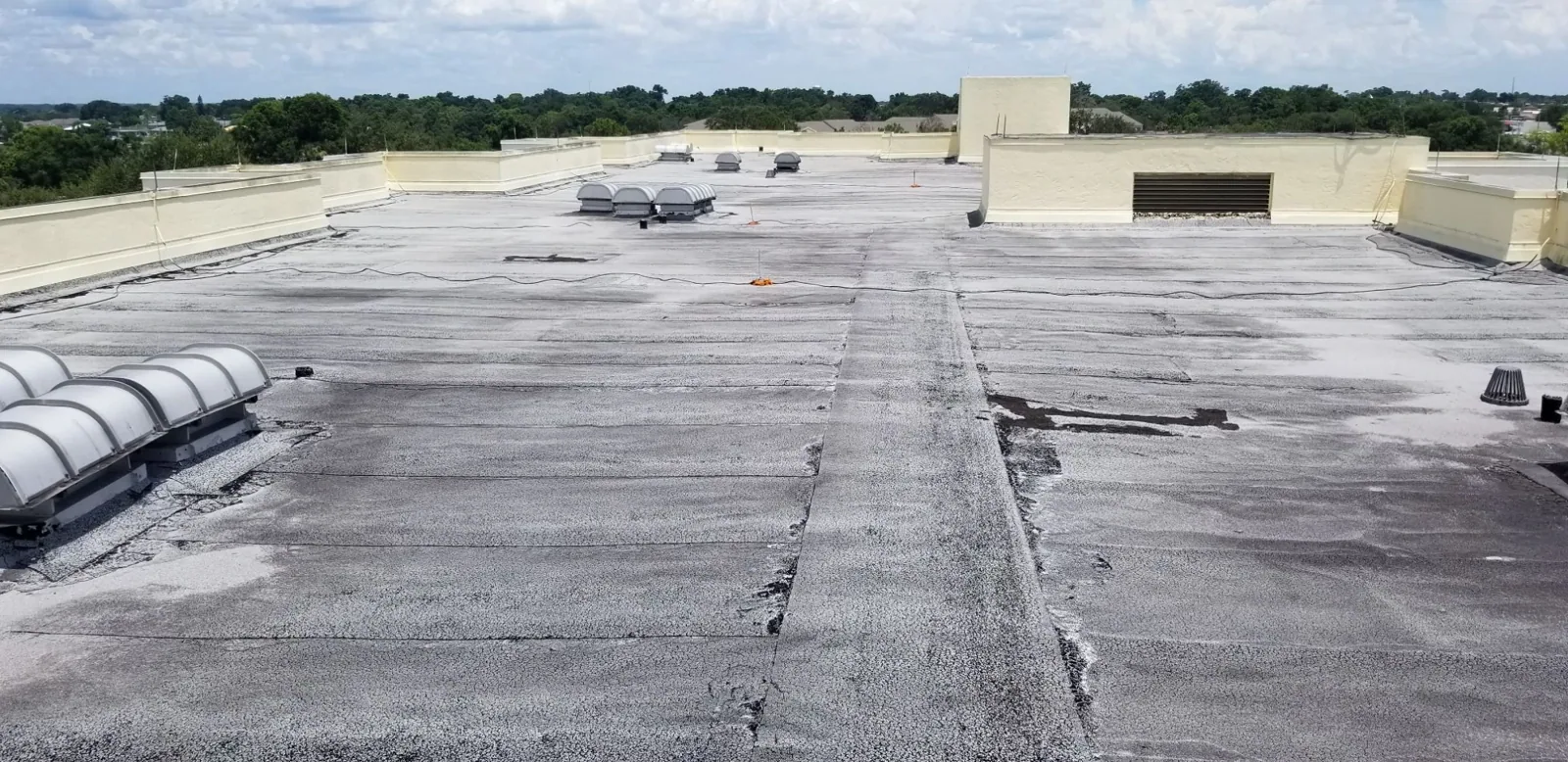
A roof walk should distinguish accumulated dirt from membrane wear, a clogged drain from a slope issue, and an isolated open seam from a pattern across several zones. If a manager on the Mooney Boulevard corridor asks about a ceiling stain after rain, the timing matters; it still has to be compared with the roof above. We photograph conditions at the time of inspection and note recent weather only if the owner provides it. This gives the next repair or capital decision a clear starting point instead of a broad climate-based assumption.
Separate Repairs from Further Testing
Findings should be ranked by water exposure, safety, and the cost of waiting. An open flashing detail may call for prompt repair. Debris around a drain may need removal and a flow check. Widespread surface wear, repeated patches, or uncertain moisture conditions may require a deeper review before replacement is priced. We state the location, visible evidence, and recommended next step for each item. When something cannot be verified, it stays in a separate follow-up list rather than being described as a confirmed defect.
The report can include photographs, a marked roof plan, observations by section, and repair recommendations. It should identify where moisture testing or a core cut would help, and explain what the visual inspection did not cover. For a property in Downtown Visalia or the Visalia Industrial Park, documenting separate roof sections is especially useful where buildings have different use or maintenance histories. The owner can request commercial roof repair, compare replacement, or schedule preventive maintenance based on those findings. A membrane system review can follow when the roof type is known, and the Downtown Visalia property record should keep its own photos and repair notes.
Turn the Report into a Workable Next Step
After the inspection, review the recommendations with the person responsible for roof access, building operations, and capital planning. Confirm which urgent repairs are authorized, which findings can be monitored, and which questions need another test. If several tenants share the building, explain how a repair window affects access and interior protection. If the roof record is incomplete, keep the new photographs and notes with the property file so future contractors can see what was observed and what remains unknown.
Maintenance frequency should reflect the assembly, roof use, debris exposure, and service history. A fixed calendar does not replace checks after severe weather, rooftop equipment work, or an interior leak report. For owners comparing repair and replacement, a recover assessment or replacement study should use the same roof-zone findings. The useful result of an inspection is a next action the manager can verify, not a generic condition label.
Commercial Roofing Questions
Does a visual inspection prove the roof is dry?
No. It records visible conditions. Moisture testing or a core cut may be needed to confirm conditions below the membrane, and each method has limits.
Can you inspect a roof while a tenant is open?
Usually, with access rules and protection planned first. We coordinate rooftop hazards, material routes, interior access, and any work that could affect occupants.
How long does a commercial roof inspection take?
The roof size, number of sections, access, equipment, and requested testing set the time. We confirm scope after learning how many areas need review.
Will the report include repair pricing?
The inspection documents conditions and next steps. A repair price needs a defined scope, access plan, and material selection; we can prepare that separately.
When should a roof be inspected again?
Set a schedule based on roof use, history, drains, and maintenance needs. Also request a check after a reported leak, rooftop work, or damaging weather.