Infrared Roof Moisture Survey in Visalia, CA
Commercial Roofing Services | Visalia and Tulare County
Infrared Roof Moisture Survey
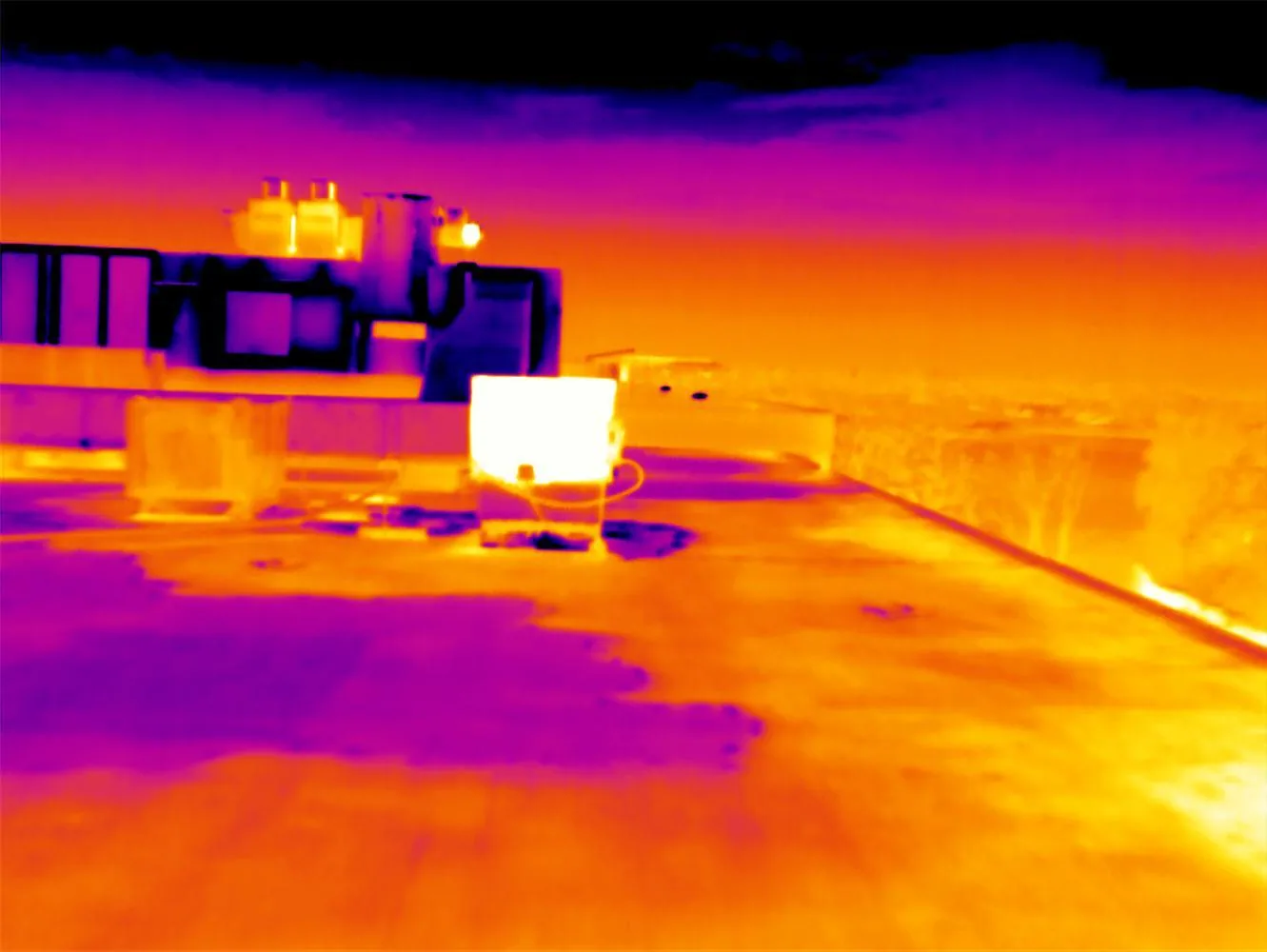
An infrared image can point to roof areas that deserve a closer look, but color on a thermal camera is not proof of wet insulation. We review the roof construction, scan under suitable conditions, compare thermal patterns with visible surfaces, and confirm suspicious areas with an approved test when needed. In Visalia, prolonged heat and a pronounced dry-to-wet seasonal pattern make timing important: sun exposure, recent rain, and how the roof was built all affect readings. A scan of the Visalia Industrial Park or a large retail roof on Mooney Boulevard needs a labeled zone map and clear limits. The result is a screening record, not a diagnosis on its own.
Set the Moisture Question First
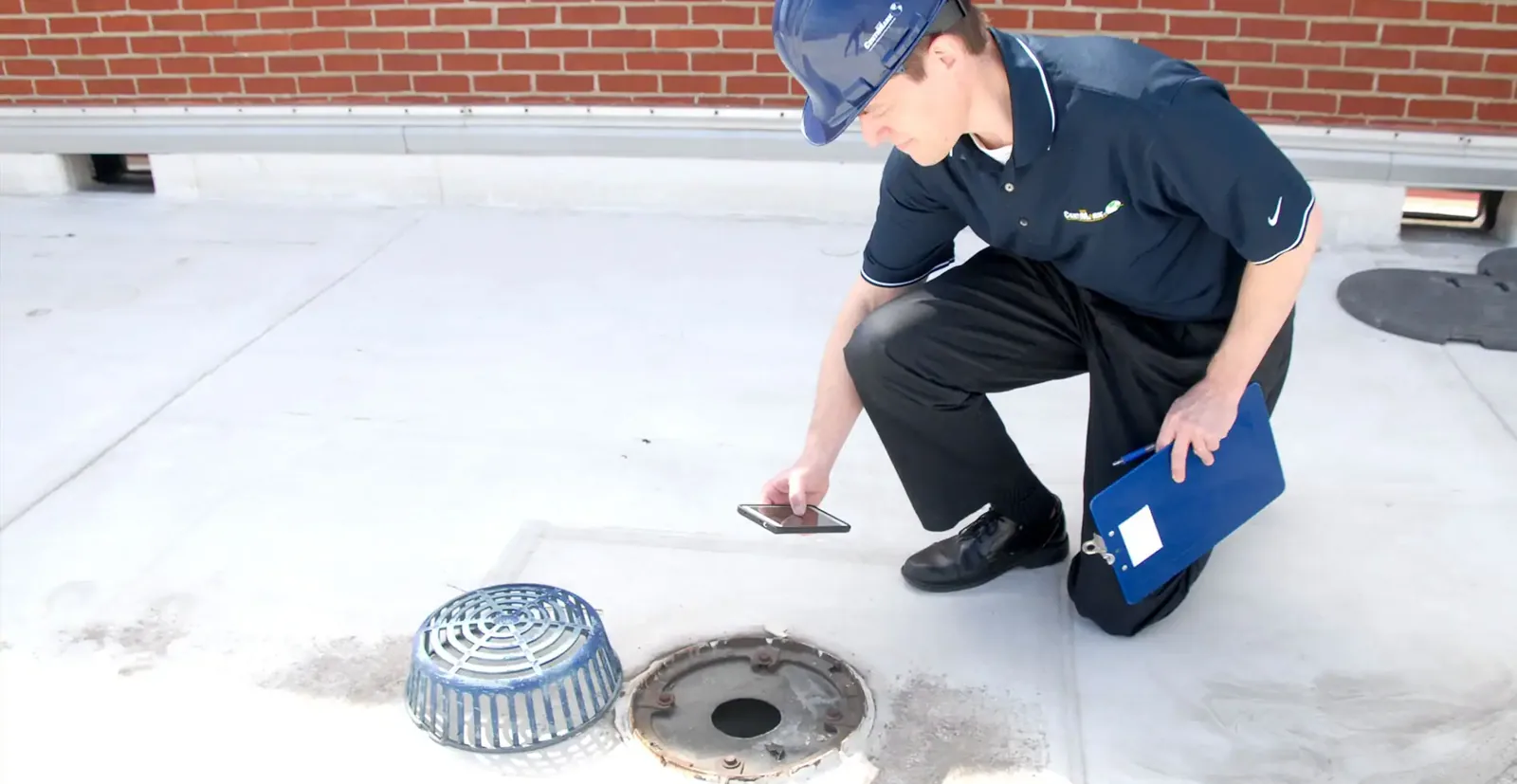
Before scanning, identify the leak history, roof areas of concern, known repairs, and the decision the owner wants to make. Is the goal to locate a suspected wet section, compare roof zones before replacement planning, or check a specific area after a leak? The scan plan follows that question. If the roof has multiple systems or additions, we note the construction changes because the same thermal pattern can have different causes on different assemblies.
We review roof plans and previous inspection records when available, then choose a time when the surface and weather allow useful comparison. A recently wet roof, heavy shade, rooftop exhaust, or changing cloud cover can influence thermal response. We record conditions and flight or walk paths so readings can be reviewed later. If the conditions will not support a meaningful scan, we explain why and recommend a different inspection method instead of producing a misleading image set.
Scan in Consistent, Labeled Zones
The roof is divided into areas that can be matched to a plan or fixed reference points. We move through the roof in a consistent sequence, capturing thermal and visible images from corresponding positions. Drains, curbs, wall lines, equipment, and repair patches can help orient the map. A zone label gives the manager a way to locate each observation without guessing from a close-up. We also note inaccessible or obstructed areas rather than implying the scan covered them.
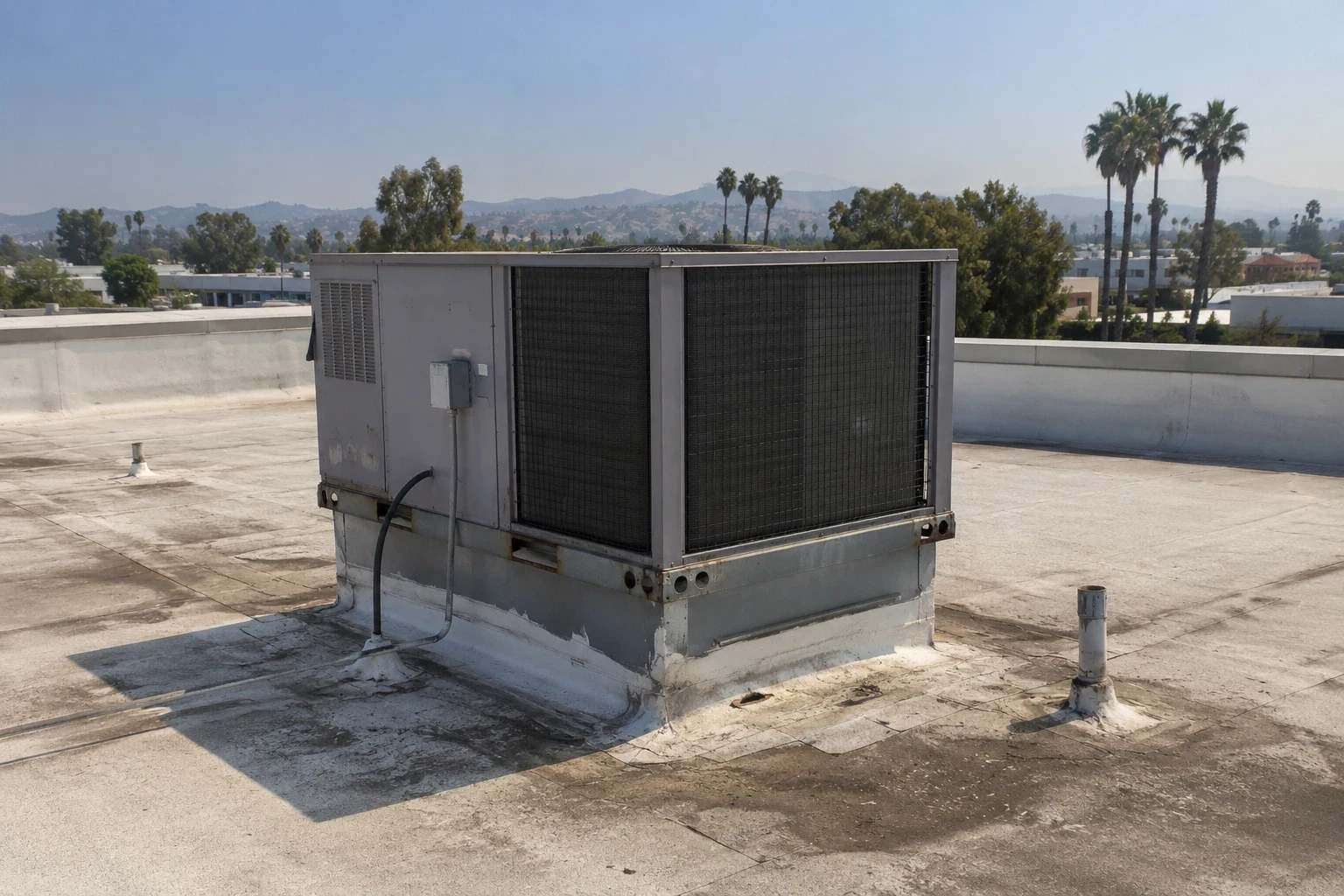
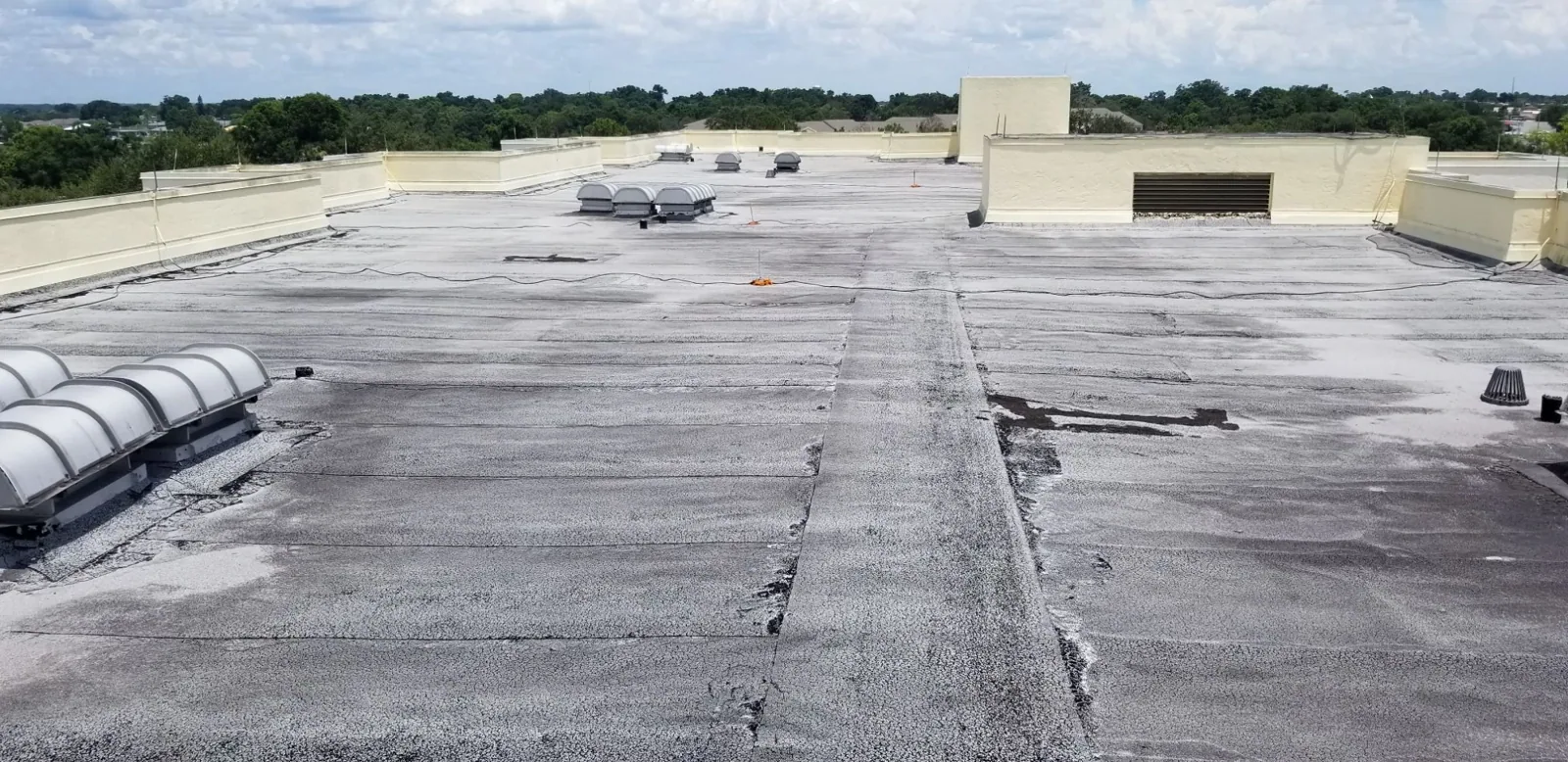
Surface conditions are recorded alongside the thermal images. Ponding, dirt, ballast, patches, metal, and equipment exhaust may create patterns unrelated to concealed moisture. A low-slope roof can heat and cool unevenly; differences need context before they become a repair scope. On properties with several buildings, keep a separate scan and report for each roof. The Visalia Business Research Park is a planning and employment area, but its designation does not tell us what roof layers are present at a specific property.
Read Patterns without Calling Them Leaks
Infrared imaging records temperature differences, not water. A warm or cool area may reflect moisture, insulation type, shading, air movement, equipment exhaust, repairs, or changes in roof construction. We compare the pattern with visible conditions, leak records, and the roof assembly. If the evidence is inconclusive, we mark the location for confirmation rather than labeling it wet. That distinction matters because removing sound insulation adds cost without solving the original issue.
When a suspicious zone needs confirmation, a core sample or other approved test can reveal the actual layers and moisture condition at that point. The owner approves the location, and the opening is documented and closed. A limited sample does not characterize every area; it helps test the interpretation. If readings indicate a broad pattern, we can plan representative checks across more than one zone. A drone roof inspection may help map visible surface conditions, but it also cannot see moisture beneath the membrane.
Account for Visalia’s Heat and Seasonal Rain
Visalia's 1991-2020 climate averages record temperatures of 90°F or higher on 94.7 days in a typical year, with 10.32 inches of mean annual precipitation. Long sunny periods can create useful thermal contrast, while recent rain can change the pattern and delay interpretation. The season and the hours since rainfall should be recorded. These city-level normals provide context, not assurance that any particular roof will produce readable images under every condition.
Before the late-fall-through-early-spring rain period, an owner may want to investigate a reported leak or map insulation concerns. We select the scan window with the roof’s material and recent weather in mind. Areas with heavy shade or unusual heat from equipment may need visible inspection or a different test. A corridor like Mooney Boulevard includes varied commercial property uses, and there is no single scanning schedule that fits every roof. The building’s exposure, assembly, and reason for the survey set the timing.
Deliver a Map with Actionable Limits
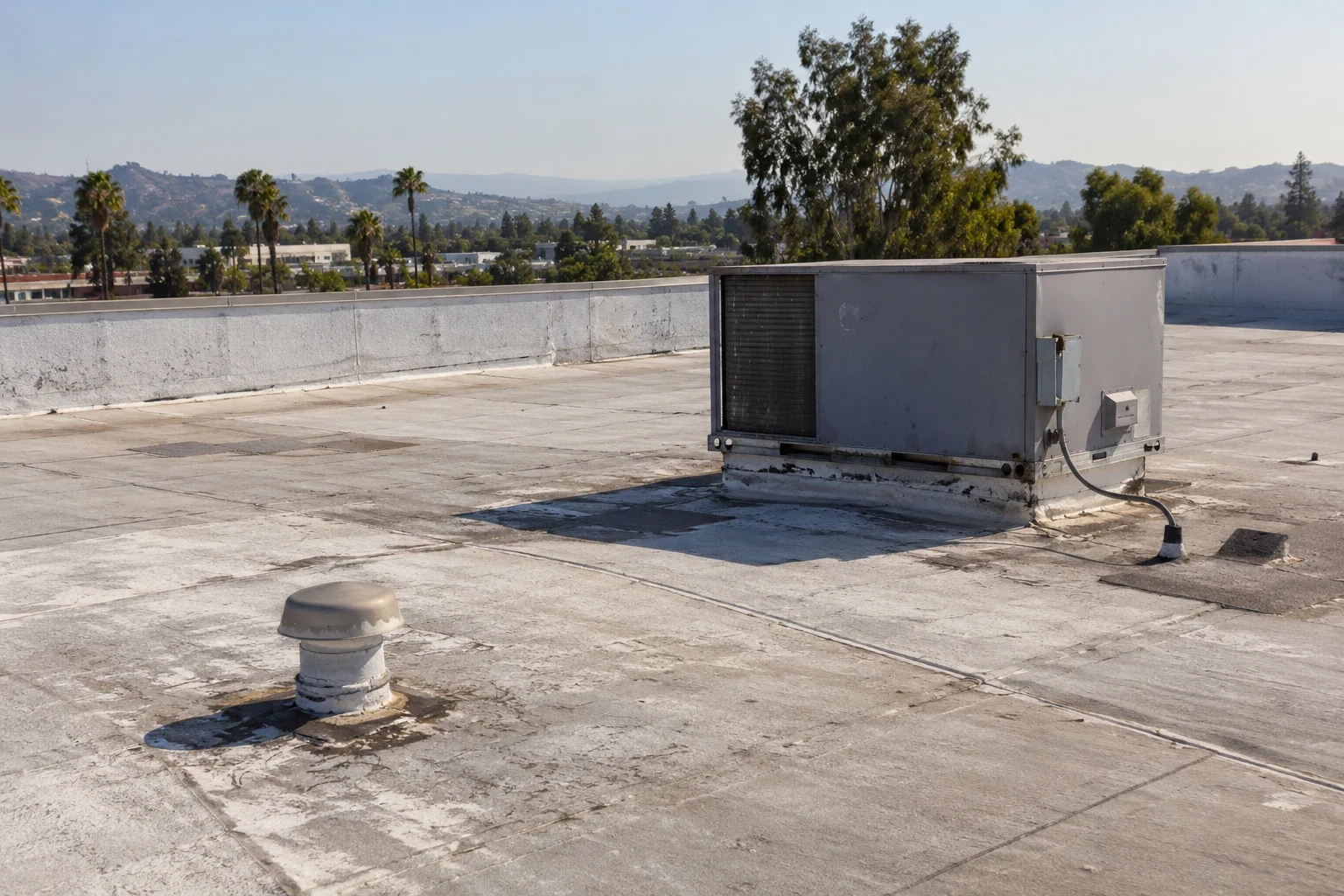
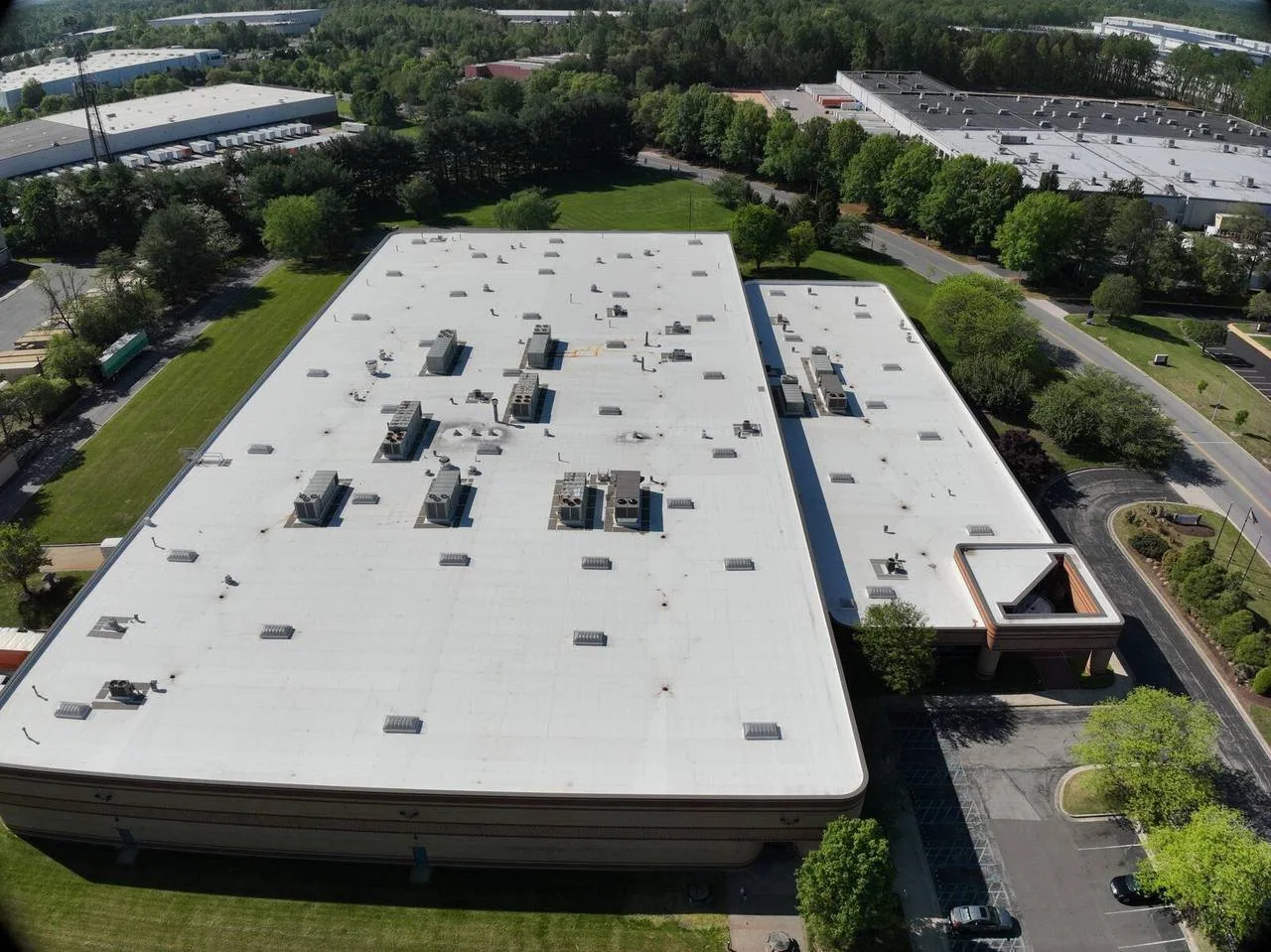
The final report should include a roof plan or zone diagram, date and weather conditions, paired thermal and visible images, and a list of areas requiring confirmation. We separate patterns that appear consistent with possible moisture from areas that need no further action based on the scan. We also identify surfaces not scanned, poor image conditions, and any assumptions that influenced interpretation. Those notes help a future inspector repeat the view or test the right location.
A manager should not receive an unlabeled gallery or a claim that the roof is wet throughout. The report supports a decision: confirm a limited zone, expand testing, include a defined area in replacement planning, or monitor and revisit. On a mixed-use property in Downtown Visalia, keep each roof area tied to its building and tenant access needs. For active water, a leak repair inspection may need to happen before a survey. For broader diagnosis, compare a hands-on roof inspection with aerial images and replacement planning.
Use Confirmed Findings to Set the Next Scope
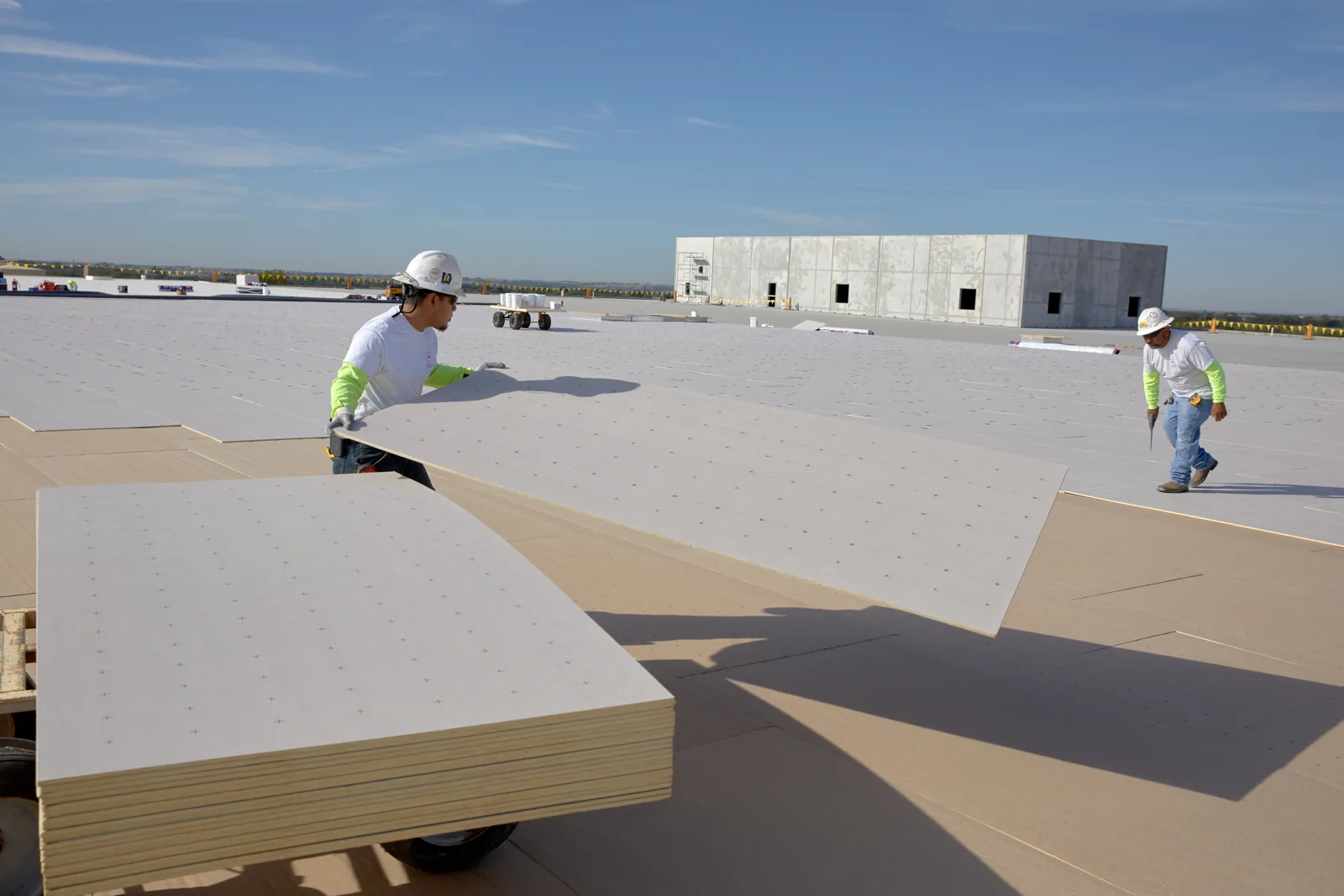
If testing confirms localized wet insulation, the repair boundary can be set around that condition. If several representative samples confirm a broader pattern, replacement or recover options can be compared with more confidence. Dry insulation near a thermal anomaly should not be removed merely because its color differs. The next scope follows confirmed conditions and should note any roof areas that remain untested. If a repair is planned, identify the membrane and verify that the materials and detail are compatible.
For ongoing management, keep the images and test records with the roof history. A later inspection can compare the same zones, while recognizing that temperature, season, surface cover, and camera setup affect the image. Service-area references such as Visalia Industrial Park or Downtown Visalia help identify the market, but never substitute for a property-specific scan. Related work includes targeted repair, recover evaluation, and full replacement review.
Commercial Roofing Questions
Does an infrared survey confirm a leak?
No. It shows temperature differences that may help locate areas for confirmation. Surface inspection and an approved test may be needed to determine whether insulation is wet.
What weather is best for a scan?
The roof, recent rainfall, sunlight, shade, and equipment affect thermal contrast. We review conditions before scheduling and record them with the images.
Will you cut into the roof?
Only if the owner approves a test location and the scan needs confirmation. A core shows the layers and moisture at that point; it does not prove conditions everywhere.
Can the survey cover several buildings?
Yes, if each roof has a defined scope and separate map. We label buildings and zones so thermal images are not attributed to the wrong roof.
Can the scan be used to price replacement?
It can help define where to test or remove material, but replacement scope also depends on roof layers, attachment, deck, drainage, and edge details.