Commercial Roofing in Visalia Business Research Park, Visalia, CA
Service Areas | Visalia and Tulare County
Visalia Business Research Park
Land-use plans can show where employment growth may go. They do not tell a manager what is on a roof today. In Visalia, CA, the Business Research Park is a distinct planning category, separate from industrial and light-industrial land uses. We start with the actual property: its roof assembly, leak history, access, and operating schedule. That keeps a forecast from being mistaken for a field condition. Once we inspect, we can define a repair, recovery, or replacement scope that fits the building that exists.
Check the Roof That Is There
A planning designation is not a roof survey. The property may have a membrane, metal, multiple additions, or a combination of systems, and we confirm that on site. We check seams, penetrations, curbs, edges, drains, and transitions before suggesting a material. If the building's records show past repairs, we compare those notes with visible work. The first question is where water enters and whether the surrounding layers remain sound. A site visit also checks what can be accessed safely and where any opening can be closed by the end of the shift.
A ceiling stain may sit far from the opening above it. We follow the path through insulation and deck flutes, then check the nearest flashing and seam. A small failed joint with dry insulation can stay a local repair. Wet material beyond the opening changes the removal limit. We show that distinction in a commercial roof inspection rather than pricing only the visible mark.
Separate Planned Growth from Present Work
Future industrial and Business Research Park areas may develop in phases as growth thresholds are met. That planning context can inform a long-range property conversation, but it does not establish a construction date or roof condition. For a current roof decision, we identify the occupied spaces below, equipment locations, roof heights, and safe access. We then define which area can be opened without disrupting the property.
Northwest Visalia's employment area includes planned industrial park buildout. A manager reviewing nearby planned uses can compare them with the established Visalia Industrial Park, but each parcel needs its own inspection. We do not assume utilities, roof types, or operations from a land-use label. We verify the hatch, ladder, fall protection, staging, and service routes before bringing material onto the roof.
Trace Water through Each Roof Section
A drainage problem can appear as ponding, a damp ceiling, or staining at a wall. We check the field slope, drain bowl, strainer, overflow, scupper, and the surface leading to each outlet. Debris can conceal a seam defect, and a low area may come from insulation compression or deck movement. Clearing an outlet addresses blockage. It does not correct a depressed roof section or repair wet insulation.
The first walk records each outlet and the route water takes across the assembly. We check whether a curb, pipe, or equipment support interrupts that path. When the defect is isolated, a targeted correction may fit. If moisture extends under a larger section, testing helps set the boundary before materials are removed. A drainage repair for drains and scuppers can correct the outlet or slope detail once we know which condition is driving the water.
Plan for Long, Hot Roof Hours
Visalia's normal climate includes many days above 90 degrees and above 100 degrees. Those are city-level averages, not a reading from this property's roof. They explain why we inspect exposed membrane, seam edges, pitch pockets, and sealant joints for drying, cracking, or movement. The response depends on the material and how far the condition extends. A single failed penetration can be repaired. A broad pattern of adhesion loss or brittle seams calls for a larger comparison.
Heat changes the work window. Surface temperature can affect primer, adhesive, and coating application. Crew exposure also changes the day's sequence. We confirm product limits, open manageable areas, and close each section against weather before leaving. If the existing roof is dry, secure, and compatible, a silicone roof coating system may be considered. It cannot make wet insulation or loose attachment sound.
Compare the Work Options
A repair keeps sound material in place and addresses a defined failure. A recover adds a new assembly over an existing roof only when moisture, attachment, height, and code conditions allow it. A tear-off exposes the deck and lets us replace wet layers, with more noise, debris, and disruption. We explain the finding behind each option and the conditions that would change the recommendation. The estimate should identify the included area and any concealed condition that could change the scope.
Cost moves with layers to remove, insulation replacement, edge metal, drain work, equipment conflicts, access, and how much roof must be opened at one time. If conditions allow retention, a roof recover or overlay can limit removal. When they do not, a commercial roof replacement should list deck repairs, insulation, attachment, flashings, and dry-in measures.
Set Access and Sequencing Early
A planned commercial area may still have active tenants, service calls, deliveries, or equipment that cannot stop. We confirm those limits before a crew is scheduled. For a small repair, the access plan may be simple. A replacement may need a staging zone, material lift, protected route, and daily close-in. The manager identifies sensitive rooms and operating hours; our written scope shows the work area, sequence, and protections.
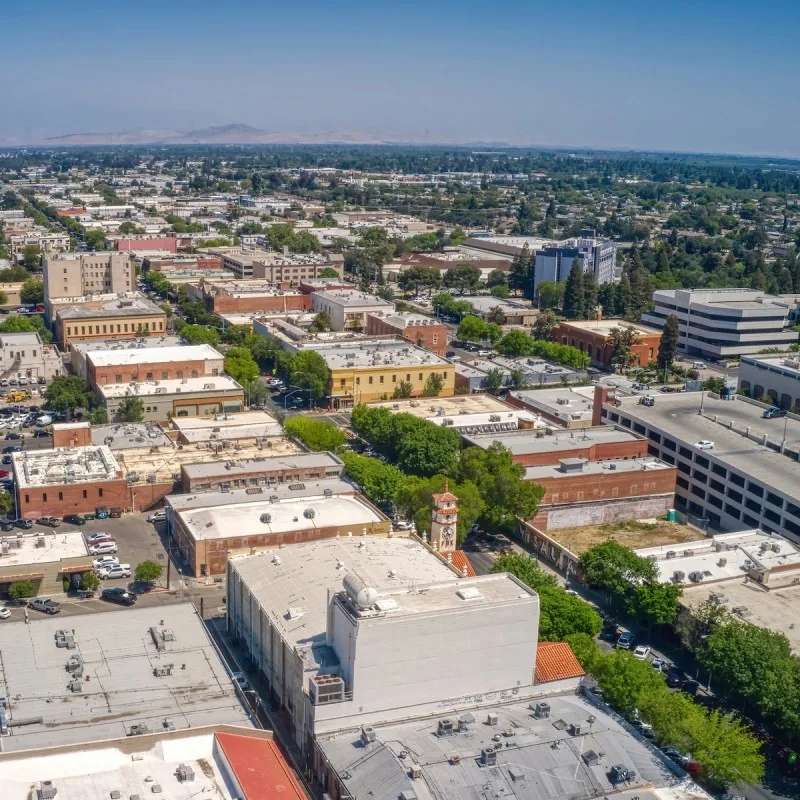
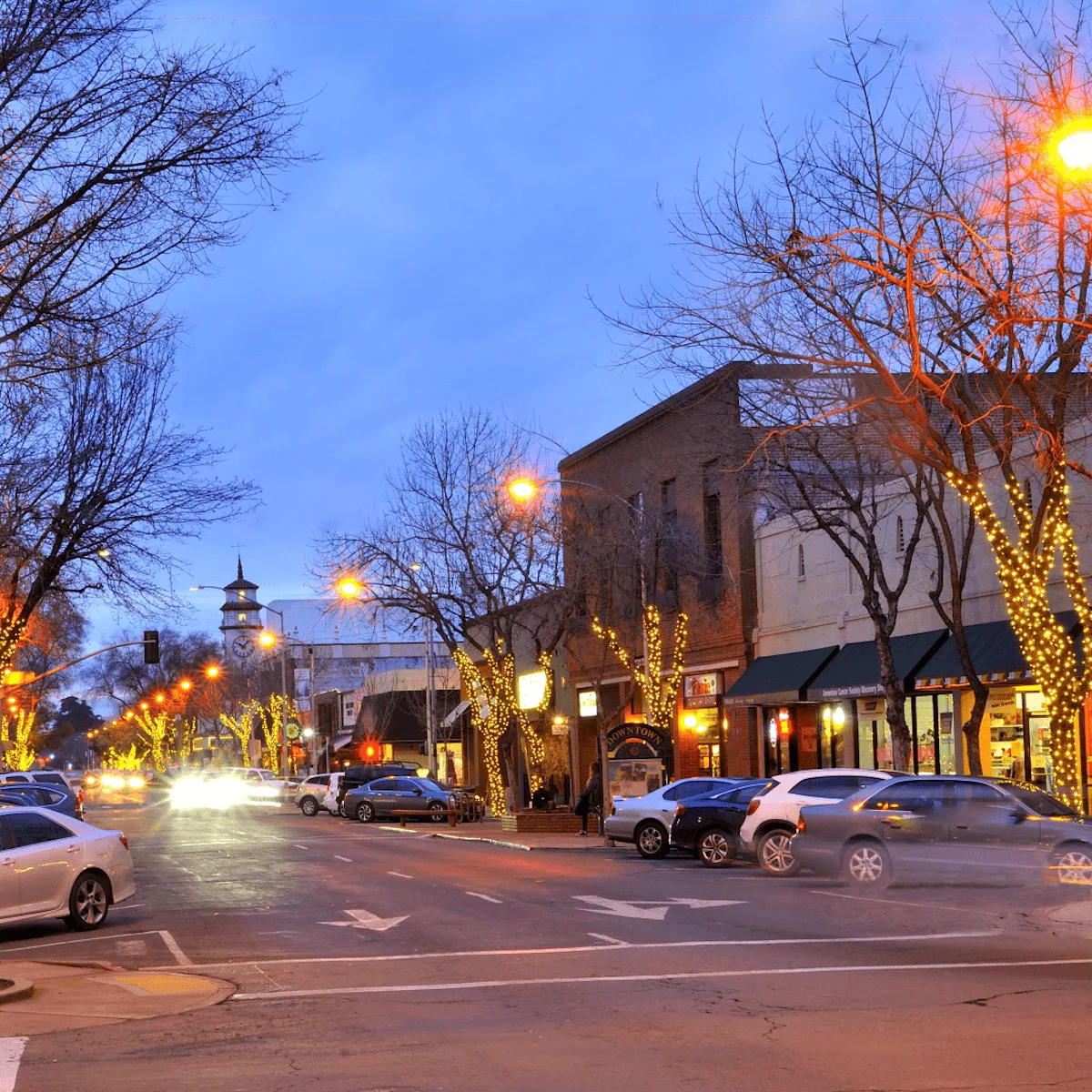
The Downtown Visalia has a mixed-use jobs center with office, retail, government, nonprofit, and healthcare activity. The property manager can use that context to identify likely coordination needs, then confirm the actual occupants and access rules at the subject building. We do not infer a tenant from the district. If work must continue beside occupied space, the occupied-building reroofing plan plan sets the daily limits.
Keep the Finding with the Building
A useful roof record ties photographs to a labeled section, date, observed condition, and completed repair. It also notes what remained inaccessible or needs follow-up. That matters when a leak returns after a season or a property changes managers. The record should not call a whole roof failed because one penetration opened. It should also not call a membrane sound when concealed moisture remains untested.
We provide a written condition report and photographs after inspection or repair. For a property under planning review, keep that record separate from the land-use map and future development assumptions. Share the leak locations, available roof plans, prior invoices, equipment constraints, and access contacts. We can inspect the current condition, mark the repair boundary, and give the manager a practical next step.
Commercial Roofing Questions
Does the planning label tell you what roof system is present?
No. The designation is a land-use category. We identify the installed assembly during the site walk and check its condition before recommending a repair or replacement.
Can the roof work wait for planned development?
That depends on active water entry, wet insulation, and the building schedule. We inspect the current roof and separate immediate protection from longer-term capital work.
What should be ready before an inspection?
Useful items include roof plans, leak locations, prior repair records, hatch access, and any work-hour or equipment limits. We can begin with a site walk if records are incomplete.
When does a recover make sense?
A recover is considered when the existing roof is dry, attached, within height limits, and compatible with current requirements. We test those conditions before including it.
How do you protect occupied areas below?
We map the work zone, interior-sensitive spaces, access route, and close-in point. The sequence can be phased when operations must continue.