
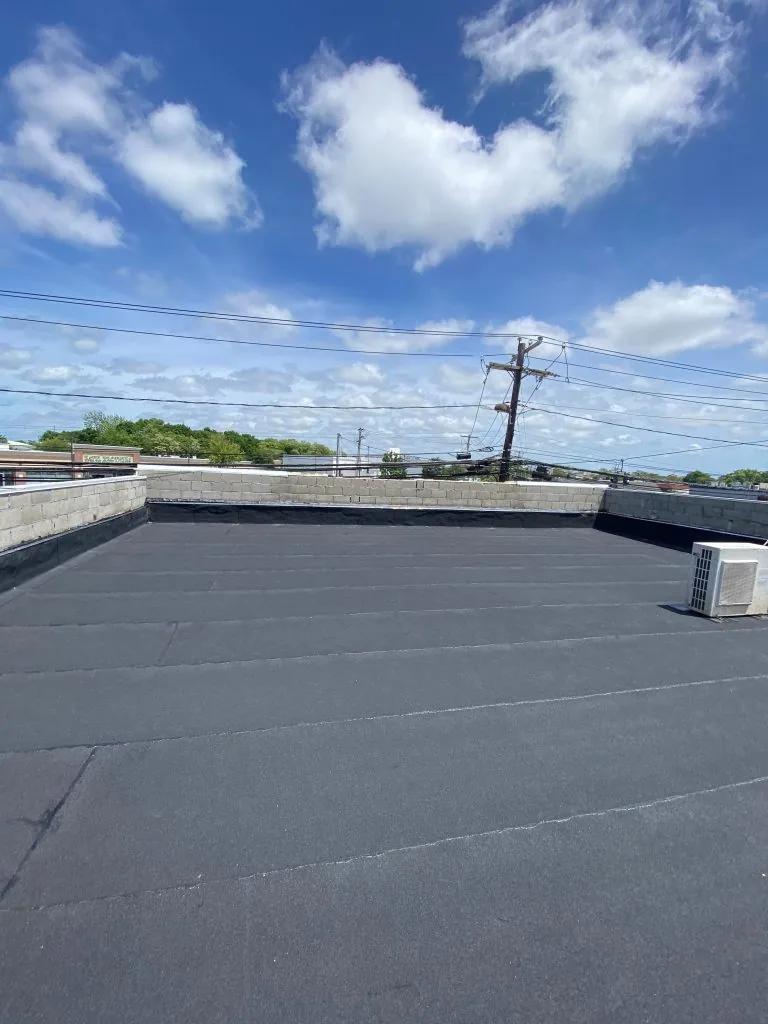
EPDM Roofing in Visalia, CA
Roof Systems | Visalia and Tulare County
EPDM Roofing
A lifted EPDM splice can admit water even when the field membrane still looks serviceable. We inspect the seam edge, flashing, drain, and prior patch before choosing a repair material. EPDM joints use system-specific preparation and bonding, not the heat weld used on thermoplastic sheet. Visalia's hot, dry period can expose aging sealant and adhesive edges, while seasonal rain tests the details that were opened or repaired. A roof in Downtown Visalia and a distribution building near the Industrial Park need separate access and maintenance plans.
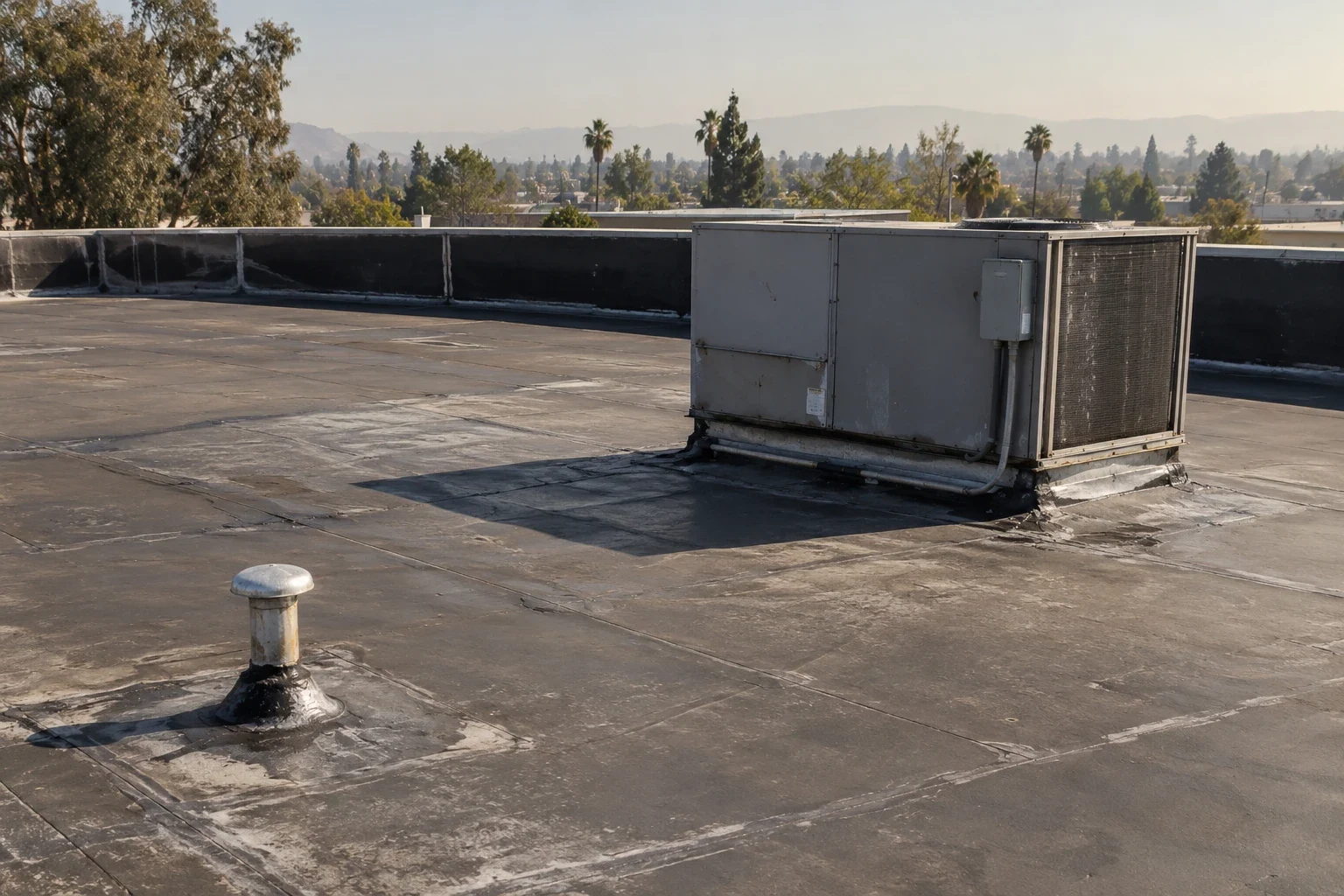
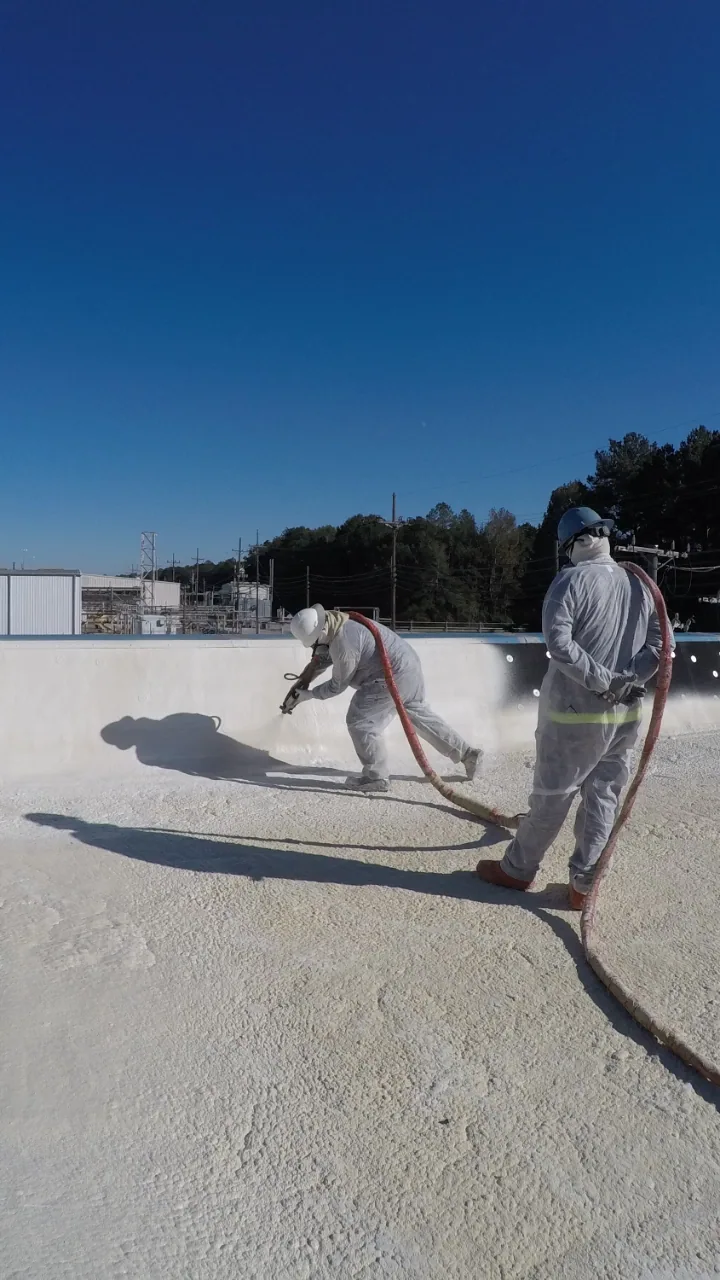
Prepare the Splice before Applying a Patch
We check for open laps, fishmouths, surface contamination, loose cover strips, and movement where sheet edges meet. The repair begins with cleaning and preparation suited to the EPDM system. A compatible primer, tape, adhesive, or cover strip must be installed under the product requirements and field conditions. Simply placing new sealant over a loose edge can hide the gap without restoring the bond. We mark the length that was tested and identify any seam that could not be reached safely.
Where the sheet is split, punctured, or pulled back at a curb, the crew checks whether sound material remains around the opening. A patch needs enough prepared surface and a clean transition beyond the damage. If the sheet has shrunk or the seam failure repeats, a wider area may need replacement. The repair scope states whether it includes insulation removal or only the membrane detail. A roof repair visit can document the boundary and show where the EPDM remains outside the work.
Inspect Curbs, Drains, and Wall Transitions
EPDM turns up at curbs, pipes, skylights, and parapets through details that must remain secure as the building and equipment move. We look at corners, termination bars, metal counterflashing, and any area where sealant has separated. At a drain, we inspect the membrane connection to the bowl and the surface around the sump. A blocked strainer may slow flow; a low deck may hold water after the outlet clears. Those conditions need different work, so the record separates drainage from the flashing repair.
Several roof systems can meet on one property. A PVC addition, metal canopy, or built-up roof may require a designed transition before EPDM repairs continue across the joint. We identify each material and confirm that the proposed tie-in is allowed by the product requirements. The drainage scope can address outlets and scuppers, while a skylight flashing repair can restore a separate curb detail. The repair map notes where each assembly begins and ends. A loose seam edge should be lifted only as far as the approved repair requires, then the substrate is cleaned and allowed to meet the product preparation steps. We check whether old adhesive, dirt, or water remains under a repair strip before placing a new splice. If the sheet has tension or has pulled from a curb, we identify that movement instead of forcing the membrane flat and hiding the strain. The closeout shows the edge that was bonded and the surrounding material left in service. This gives a later inspection a clear boundary to compare after rain.
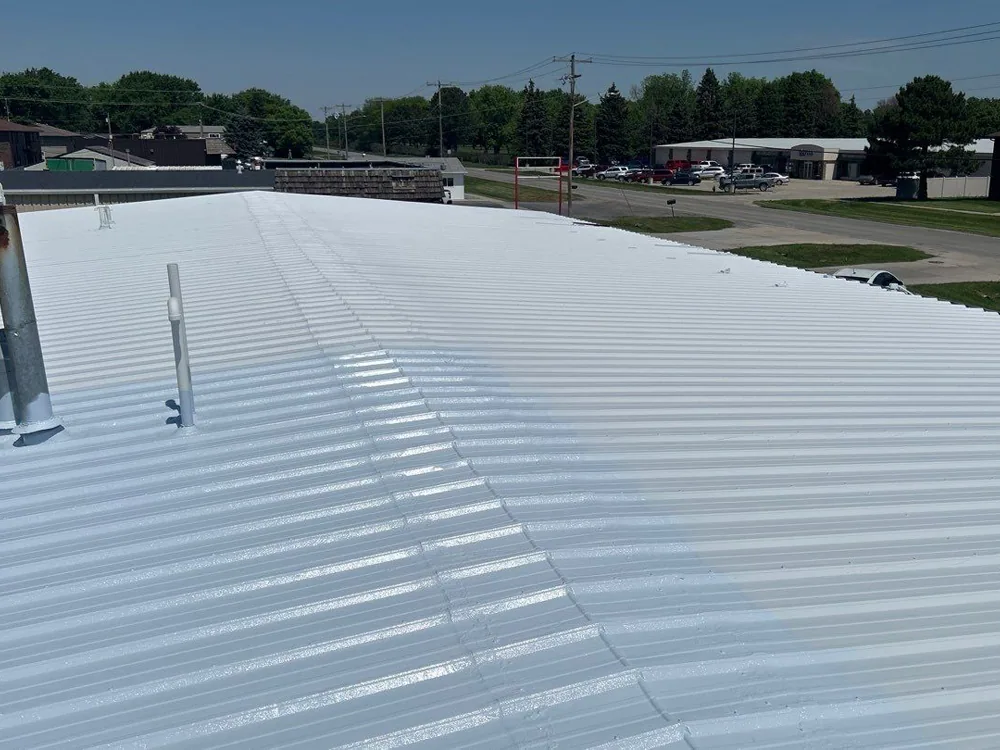
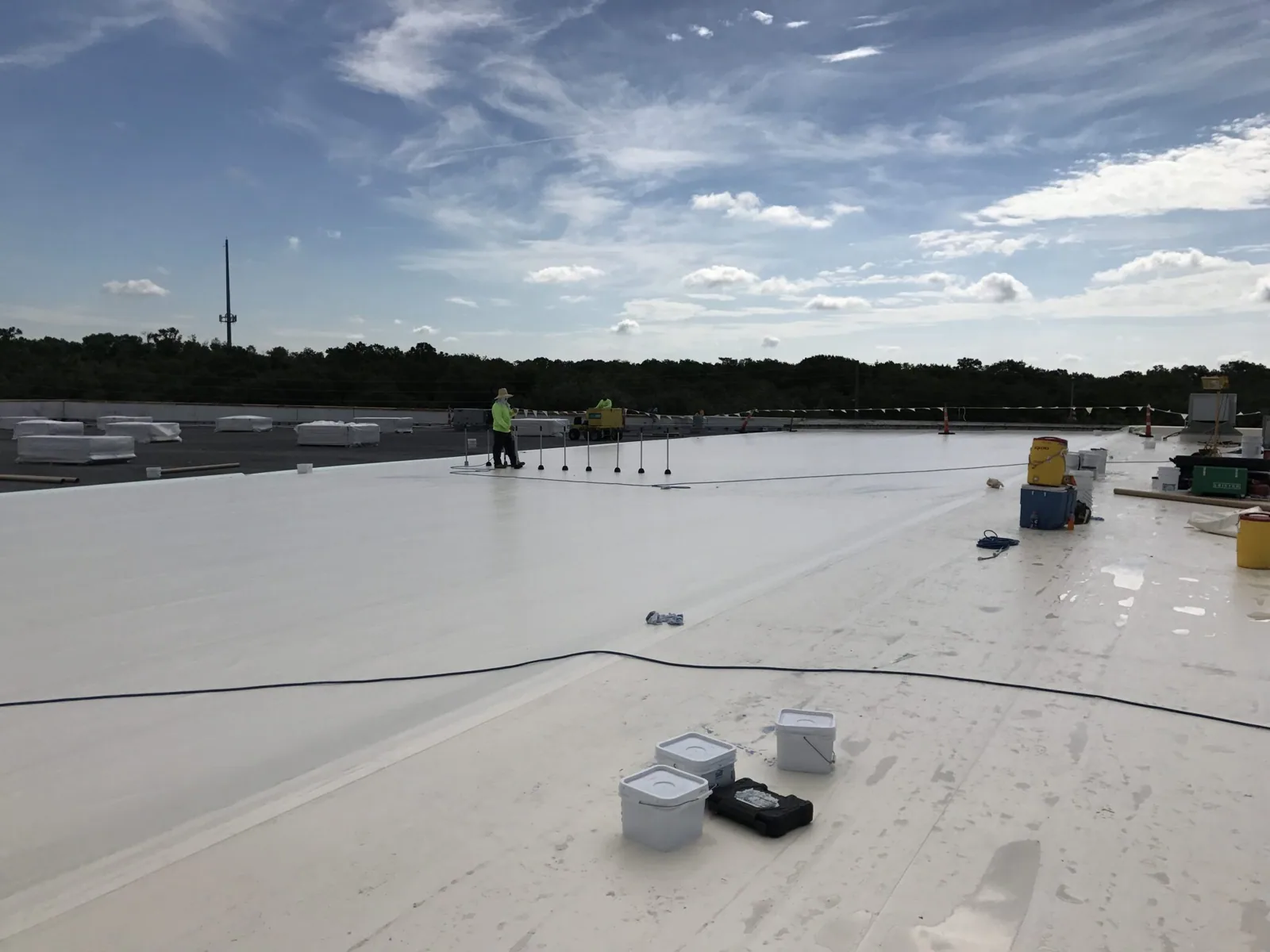
Test the Layers beneath the Rubber Sheet
A visual walk cannot confirm that insulation is dry throughout. We use roof records, moisture patterns, and approved openings to identify the area that needs testing. If an opening shows wet board or damaged decking, the owner receives the location and photos before material is covered. A test at one drain does not establish conditions on the far side of the roof. Each opening should answer a defined roof question before more material is removed. We label the tested section and ask whether more openings would change the repair or replacement decision.
Older EPDM may have previous coatings, patches, or additional roof layers. We check which materials remain and how a proposed cover system would attach without trapping moisture. If the roof is stable and the assembly is eligible, a recover may be considered. Widespread wet insulation, recurring seam failures, or deck movement can point to a larger scope. The insulation review or a condition inspection can map those findings before the owner selects a repair, coating, or replacement option.
Plan EPDM Work for Visalia Weather and Access
Visalia's climate averages show many days above 90 degrees and most monthly rain in the cooler months. EPDM preparation can depend on a clean, dry surface, and adhesives or primers must stay within their application limits. We check roof temperature, wind, moisture, and the forecast before opening a seam. A section that cannot be finished safely receives temporary protection and a return plan. The work record notes the conditions that changed the schedule, not only the material installed.
Downtown Visalia is a mixed-use job center with retail, government, professional, nonprofit, and healthcare activity. Visalia's Industrial Park supports manufacturing, food processing, warehousing, and distribution. Those different operations can set building access, delivery routes, and interior-protection needs. We verify the actual property schedule before staging materials. Highway 99 is a major trucking corridor, so a delivery plan for an industrial roof may need a receiving window that keeps freight movement clear. That route context does not establish a roof condition; we inspect the membrane at the building. The manager confirms where the crew can stage materials and how debris leaves the property. A Downtown Visalia roof scope and an Industrial Park roof plan are broad service locations, not statements about any one tenant or roof condition.
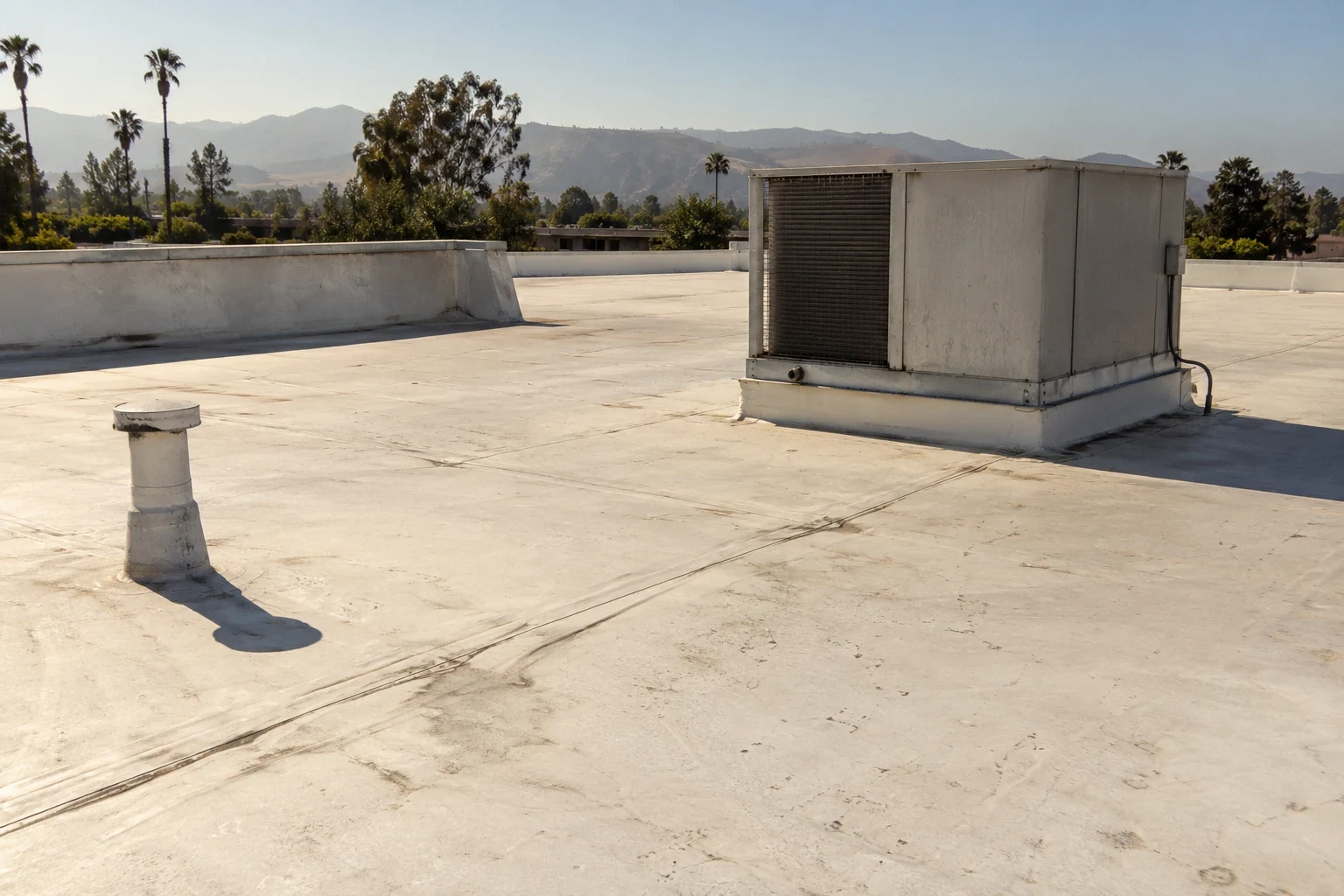
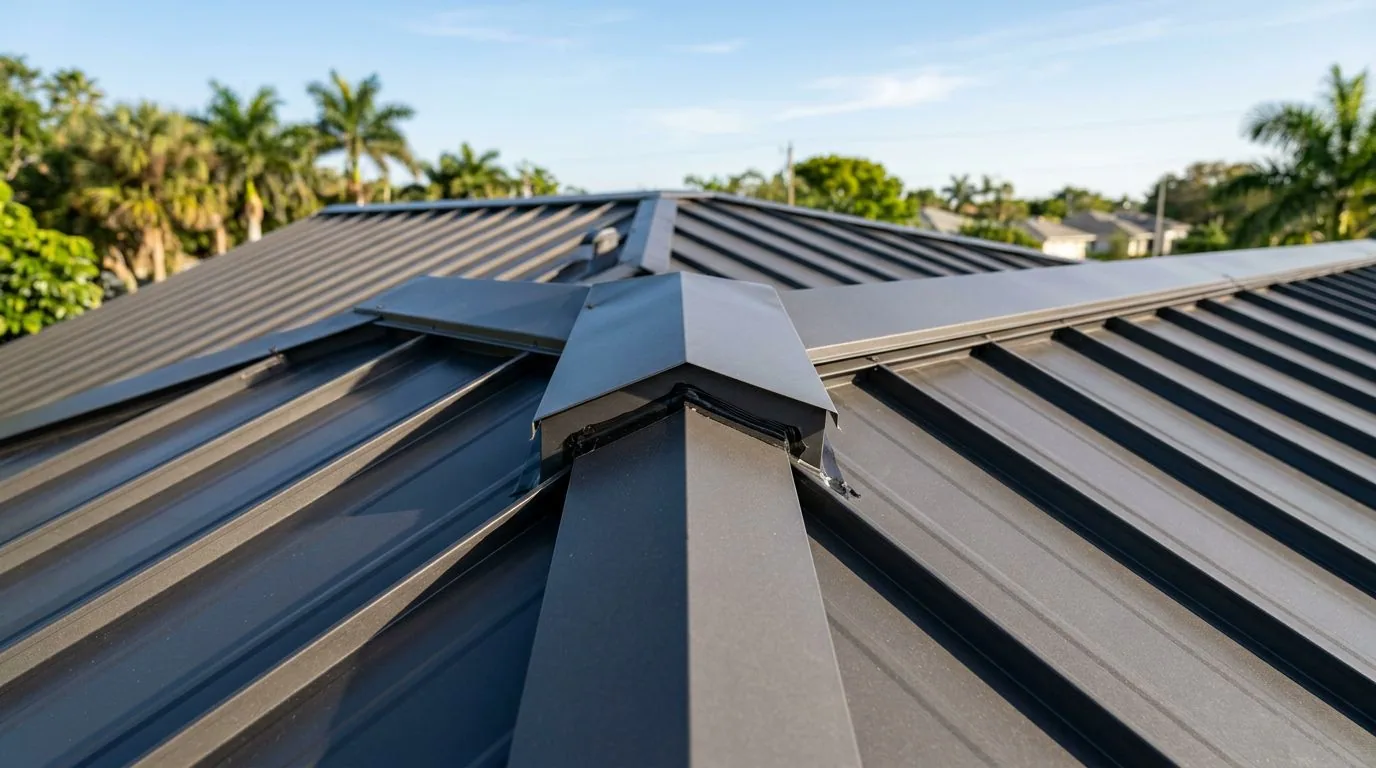
Compare EPDM Repair with the Other Roof Options
Repair cost and timing depend on seam length, flashing access, moisture, deck condition, and how the crew reaches the work. We show the tested area, the material preparation, and any concealed quantity that could change after an approved opening. If a small splice is isolated and the surrounding sheet is sound, a localized repair may be appropriate. If the membrane has repeated splits or wet insulation extends beyond the repair boundary, a larger replacement scope may be worth comparing against the same findings.
EPDM, TPO, and PVC have different joint methods and approved repair materials. A TPO system is heat-welded at compatible seams, while a PVC assembly has its own formulation and details. The old sheet's color is not enough to identify the roof. We note the confirmed system and the scope exclusions. After work, photos and a roof-zone map give the next maintenance visit a location to compare before Visalia's wet months.
Commercial Roofing Questions
How is an EPDM seam repaired?
We clean and prepare the splice, then install a compatible primer, tape, adhesive, or cover strip under the system requirements. The repair record shows the tested length and boundary.
Can you weld an EPDM seam?
EPDM is not joined with the heat-weld method used for thermoplastic membranes. We identify the roof system first and use the approved EPDM preparation and bonding materials.
What if a patch keeps lifting?
We inspect the surrounding sheet, seam, preparation, moisture, and movement at the detail. Repeated separation can mean the repair area is wider or the membrane needs a different scope.
Does ponding water mean the EPDM failed?
Water may remain because of a blocked outlet, low area, or slope issue. We inspect the drain connection and membrane, then keep a drainage correction distinct from a splice repair.
What records help price EPDM work?
Share roof plans, prior repair notes, leak locations, equipment access, and any moisture testing. We use them to identify the assembly and define what the first inspection can confirm.