
Commercial Roof Insulation and Cover Board in Visalia, CA
Commercial Roofing Services | Visalia and Tulare County
Commercial Roof Insulation and Cover Board
A soft spot beneath a roof membrane can signal wet insulation, but the surface alone does not show how far the condition extends. We map the roof zone, check drainage and seams, and identify where a test opening would clarify the assembly. Visalia’s long warm season puts heat on roof surfaces, while most normal rain falls from late fall into early spring. Buildings in the Visalia Industrial Park and Downtown Visalia differ in use and access, yet each insulation decision starts with the deck and layers actually present.
Map the Existing Layers and Wet Areas
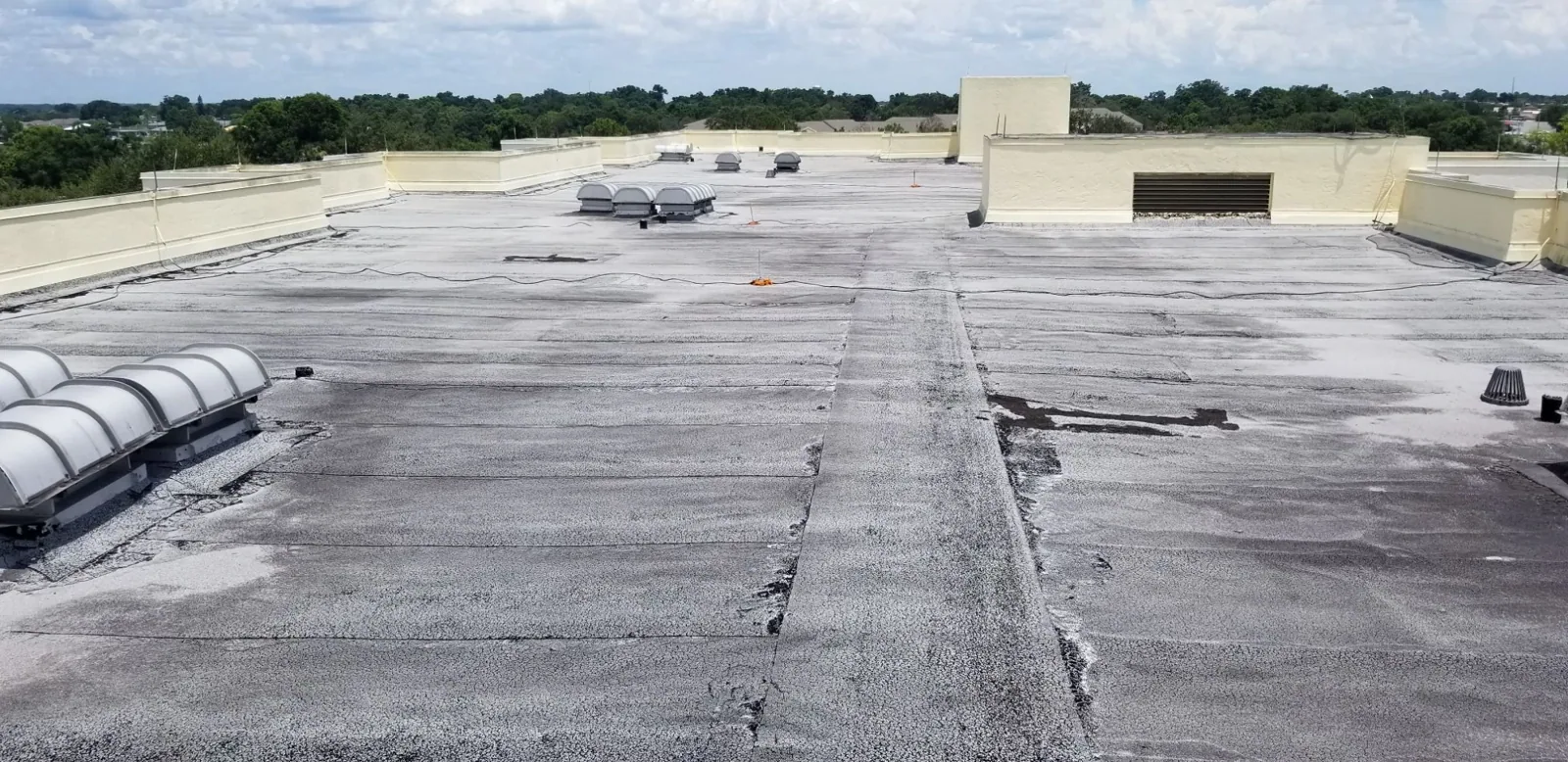
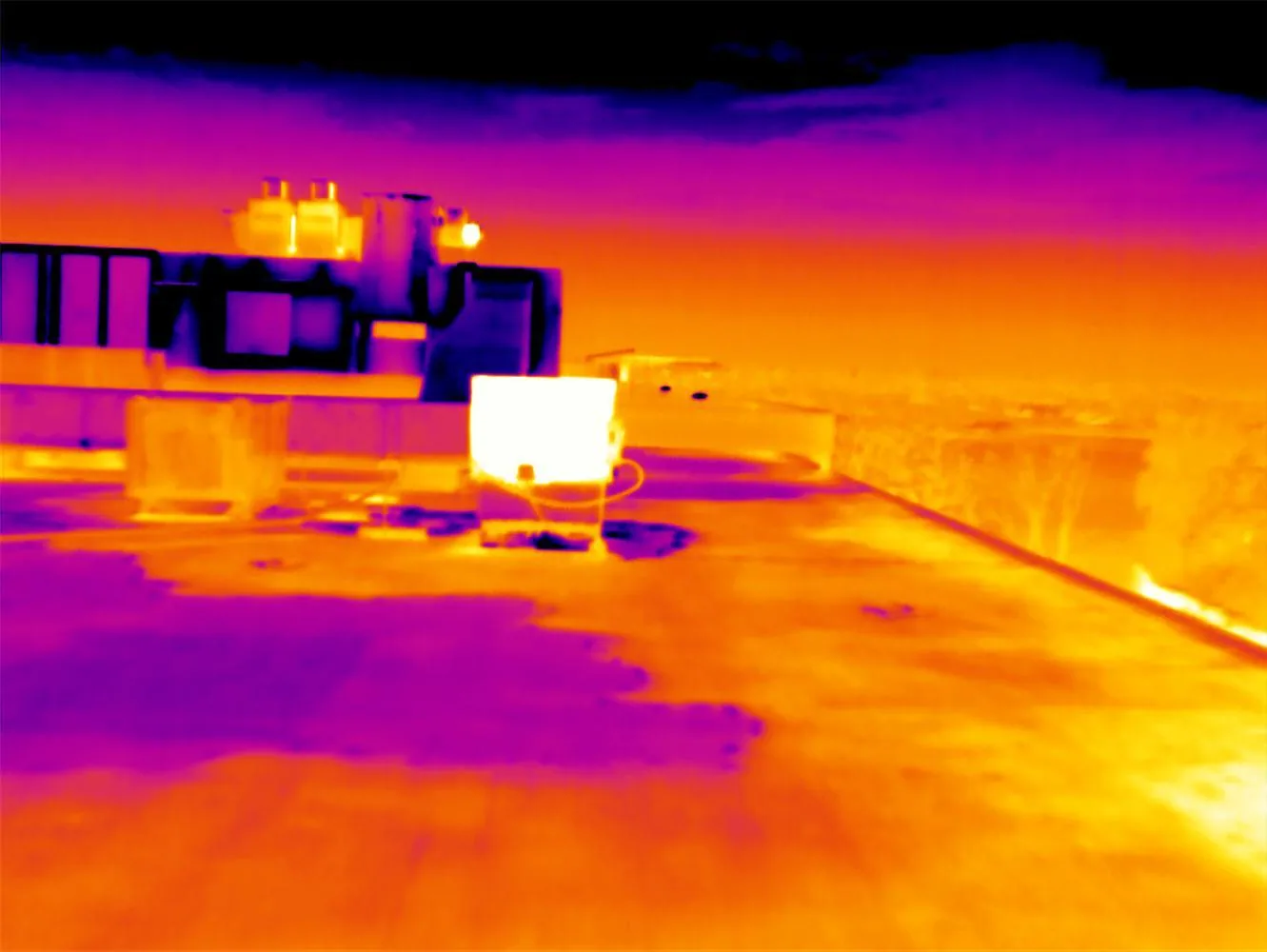
We review roof plans, prior repairs, and any known recover history before walking the surface. Then we inspect seams, penetrations, drains, and areas where the membrane is soft, blistered, or visibly damaged. Infrared scanning can help identify temperature patterns for follow-up, but it does not confirm moisture by itself. If the results point to a test area, an approved opening can show the insulation, cover board, and deck condition directly.
We mark wet material by roof zone and document where the tested assembly changes. A small opening should not be treated as proof about the entire roof. We note the material type, thickness when it can be confirmed, attachment, and whether the deck is sound. If moisture extends beneath equipment or through multiple layers, we explain the additional access required. The owner can then decide whether to test more areas before comparing repair, recover, and tear-off options. A roof map helps keep sampling locations distinct, especially where prior repairs or equipment divide the field into separate conditions.
Trace Slope from the Roof Field to the Outlet
Tapered insulation is laid out to move water toward drains or scuppers. We compare the plan with the roof’s current low areas, drain locations, and parapet transitions. A drain that sits above the surrounding field or a settled area can leave water behind even when the outlet is clear. We identify whether the issue is a blocked route, changed slope, compressed insulation, or a condition that needs measurement before a design can be set.
Visalia rainfall clusters in the cooler months after an extended dry stretch. Reviewing roof slope before that period can help the owner plan testing and construction access. The seasonal pattern does not establish that one building has ponding or a slope defect. A roof walk and, where needed, approved openings provide that evidence. Related drain and scupper work should be scoped with the insulation plan so new layers do not block an outlet.
Select Cover Board for the Assembly
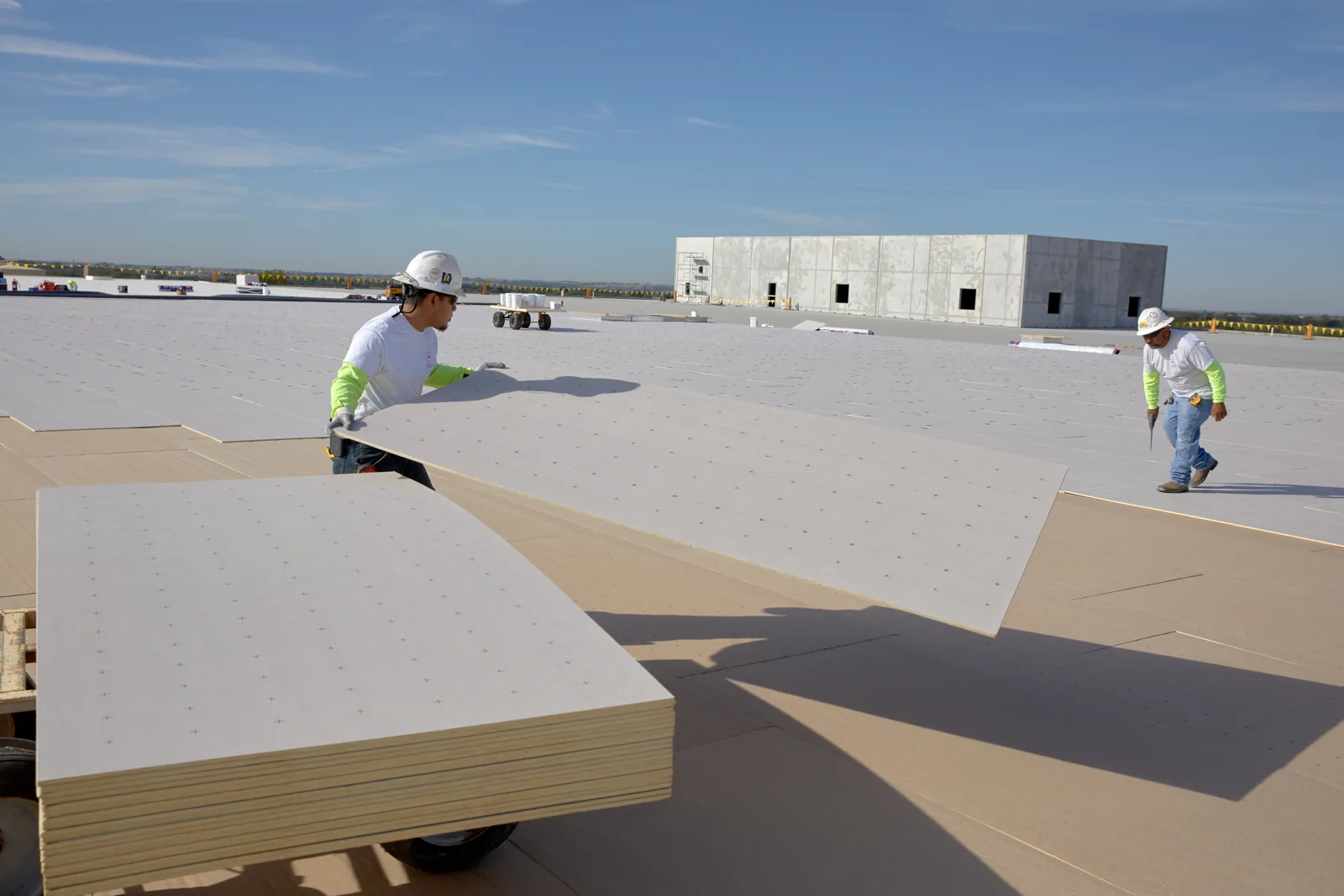
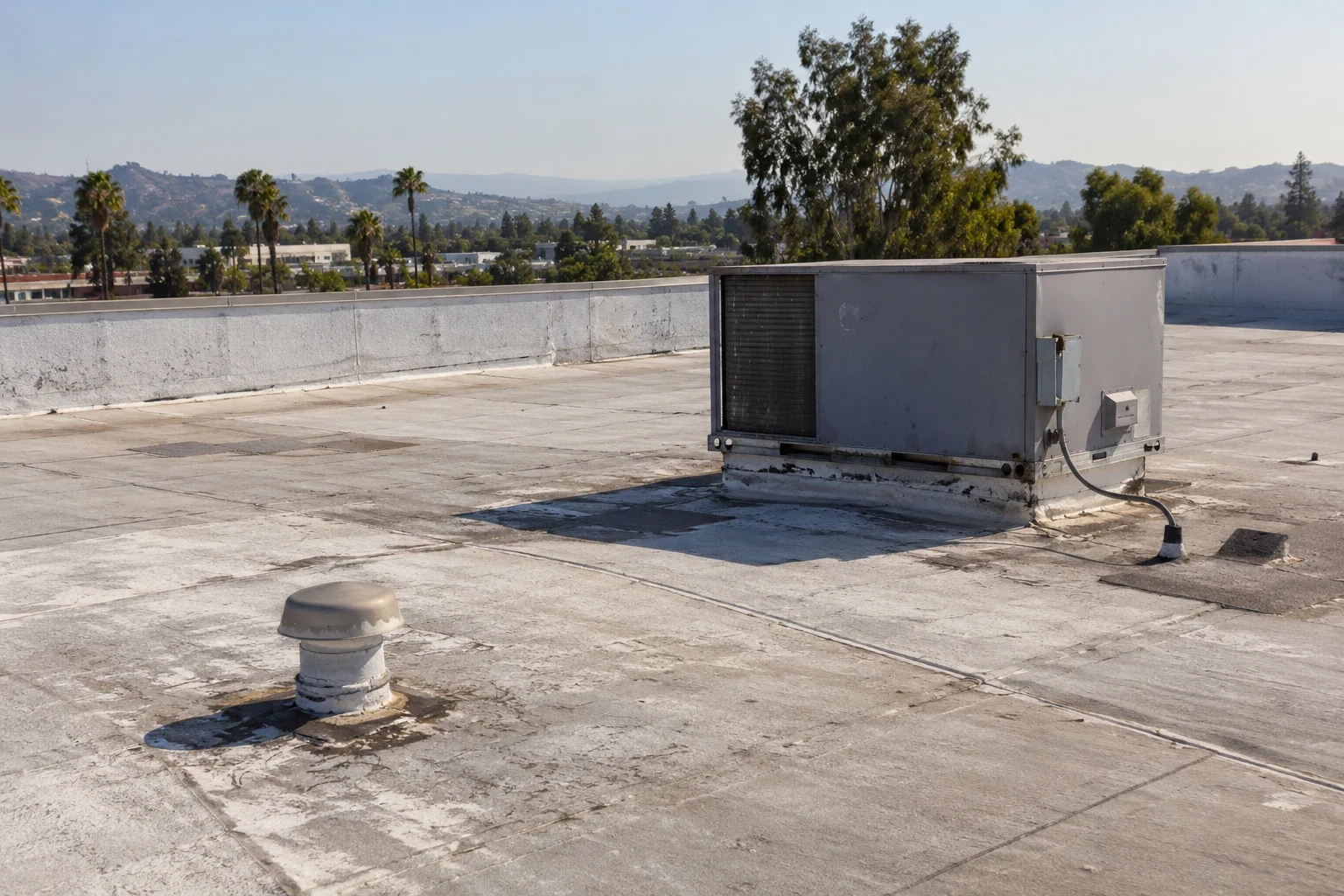
Cover board can provide a firm surface above insulation and below a membrane, but its role depends on the system design and fastening plan. We identify the current membrane, insulation, deck, and expected loads before recommending a replacement layer. Board type, thickness, attachment, joints, and edge securement need to fit the selected roofing system. A cover board does not correct wet insulation or a deteriorated deck left below it.
When a recover is under consideration, we check whether the existing layers are dry and whether adding material is permitted by the roof assembly and applicable project requirements. If moisture remains, the affected insulation may need removal rather than burial. We document the quantities confirmed through testing and flag concealed conditions that could change after tear-off. A replacement scope can describe the deck and insulation work separately from the new membrane installation.
Keep New Insulation Compatible with the Roof
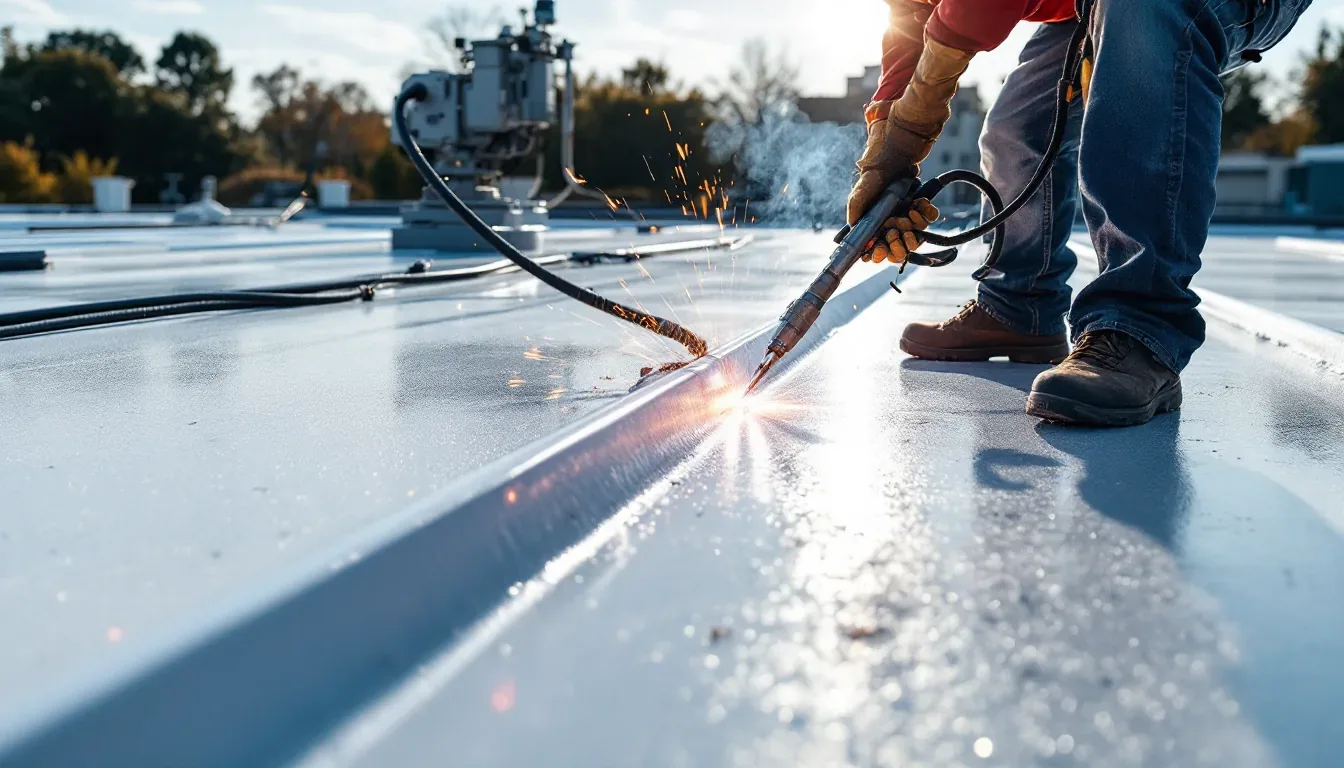
Insulation and membrane selection are linked. Thermoplastic sheet, rubber membrane, asphaltic roofing, metal panels, and old coating layers have different attachment and substrate requirements. We check the specified system, fastener pattern, seam layout, and transitions at drains and curbs before ordering materials. If the roof plan does not match field conditions, we mark the difference and ask for direction before covering it. The installation record should list the materials and areas placed, not assume an unseen assembly remained unchanged.
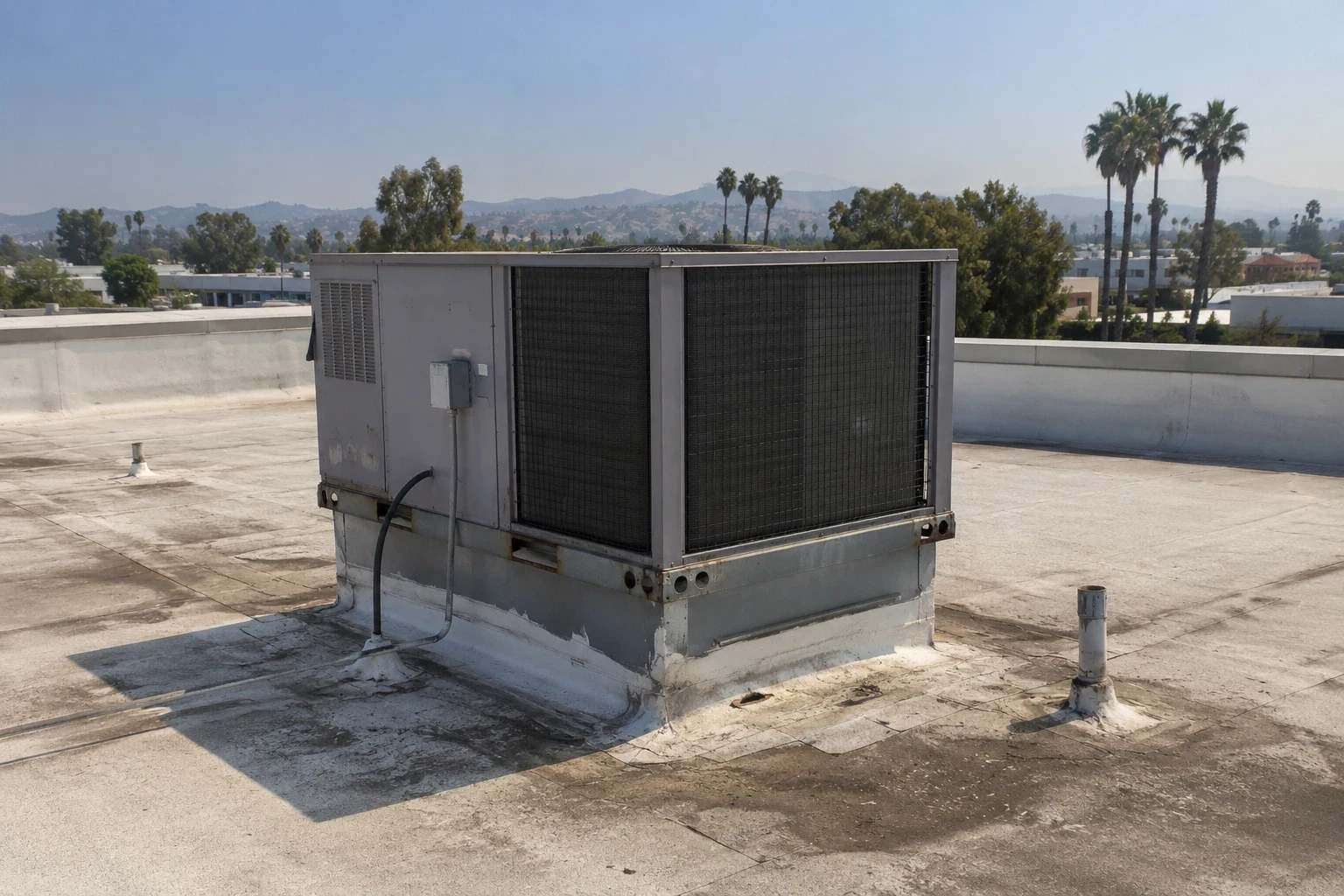
Local economic-development materials describe food processing, manufacturing, warehousing, and distribution in the Visalia Industrial Park. Rooftop equipment, active operations, and delivery access can shape how insulation is staged and installed, but those details must be confirmed at the property. We coordinate roof access, protection below, and temporary weather closure so exposed insulation is not left open to moisture. Where older material must be removed, the work plan identifies debris handling and how the deck will be protected during the transition.
Fasteners must reach the deck or the designed attachment layer, and their pattern changes with the assembly and project requirements. We verify the substrate and deck type before fastening rather than assume a roof plan reflects every later alteration. Board joints are offset as required by the system, while gaps and edge conditions are handled in the specified manner. If the deck is damaged or the existing fasteners cannot hold, that condition is documented before the new membrane covers it.
Compare Repair, Recover, and Tear-Off
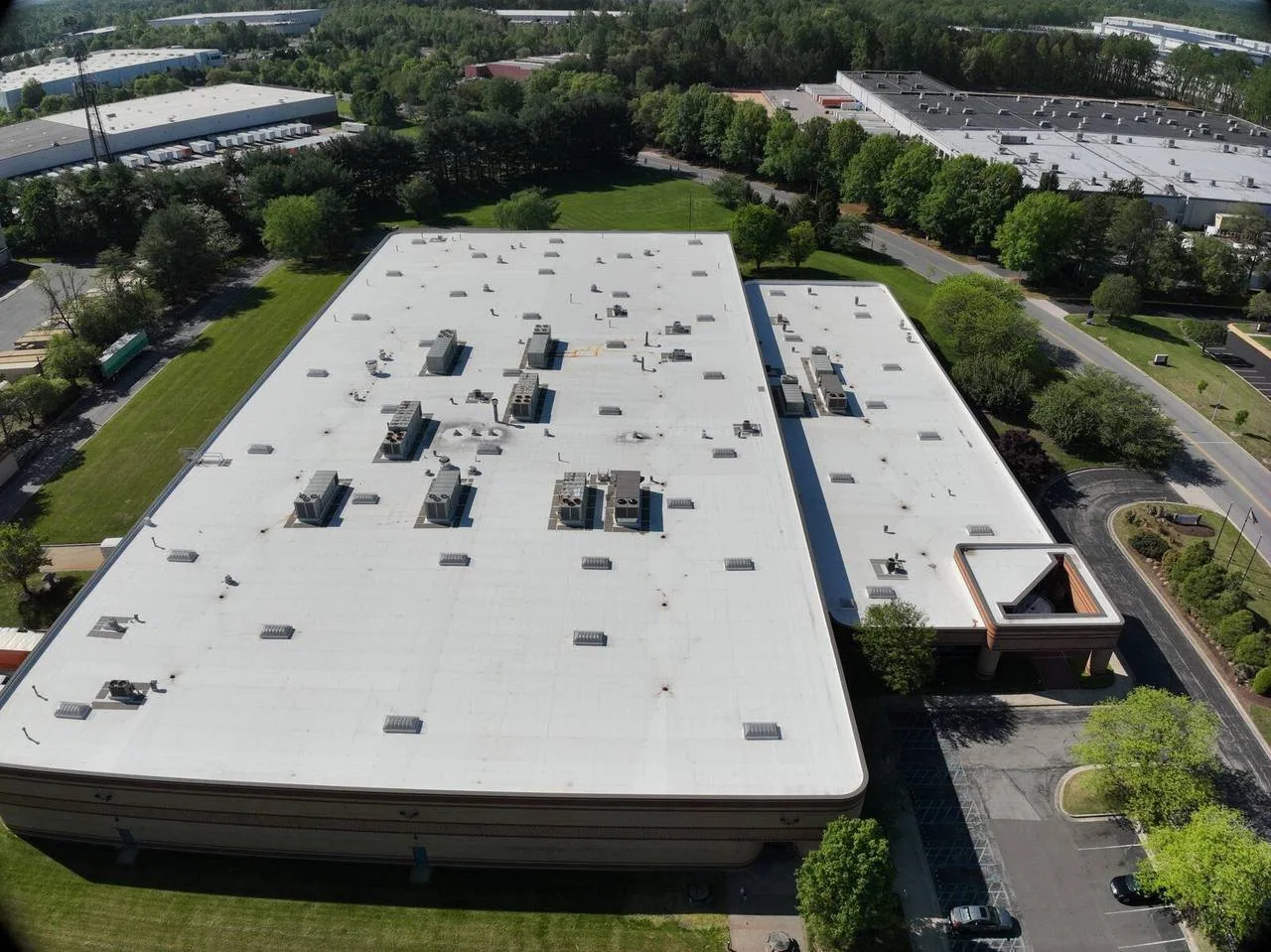
The right scope depends on moisture extent, deck condition, drainage, attachment, and the number of existing roof layers. A localized replacement of wet insulation may fit a limited tested area; wider wet material or recurring failures can favor a larger assembly review. We show the owner the conditions supporting each option and identify which quantities remain unconfirmed. Access, occupied space, demolition, disposal, and rooftop equipment coordination all affect timing and cost.
For a roof section that can remain in service, a compatible coating restoration may be worth review only after substrate condition and moisture are understood. A roof inspection or condition report can map the areas for capital planning. The written scope keeps tested conditions, proposed work, and exclusions distinct so the building manager can compare decisions without treating one opening as a full roof survey.
Commercial Roofing Questions
How do you confirm that insulation is wet?
We use visible observations and, where appropriate, infrared patterns to select follow-up locations. A test opening can confirm the layers at that point. The report maps the tested area and does not extend that finding to roof sections that were not opened or otherwise evaluated.
Can new insulation go over the existing roof?
An overlay is worth considering only after testing shows that retained materials are dry, secure, and suited to the selected assembly. We check moisture, deck condition, layer count, and drainage first. If wet board or a weakened deck remains, the scope needs to correct that condition before new materials conceal it. The owner receives the tested limits and remaining questions in writing.
What does tapered insulation change?
Its layout creates slope toward drains or scuppers. We compare the design with actual low areas and outlets, then identify whether a blocked drain or settled assembly is affecting flow. The plan should show transitions around curbs and parapets as well as the field. The project record lists the layers installed.
Why use cover board beneath a membrane?
A specified board can provide a firm substrate and support the membrane system. The type, attachment, and joints must match the assembly. It cannot replace removal of wet insulation or repair of a damaged deck, so we confirm those layers before installation.
Will insulation work shut down my building?
We plan access, staging, and temporary closure around the operating areas that the manager identifies. The work sequence may be phased to keep parts of a building in service. Equipment shutdowns, deliveries, and interior protection are confirmed before the crew starts. That also informs a phased construction plan for the property.