
Roof Condition Reports in Visalia, CA
Roofing Capabilities | Visalia and Tulare County
Roof Condition Reports
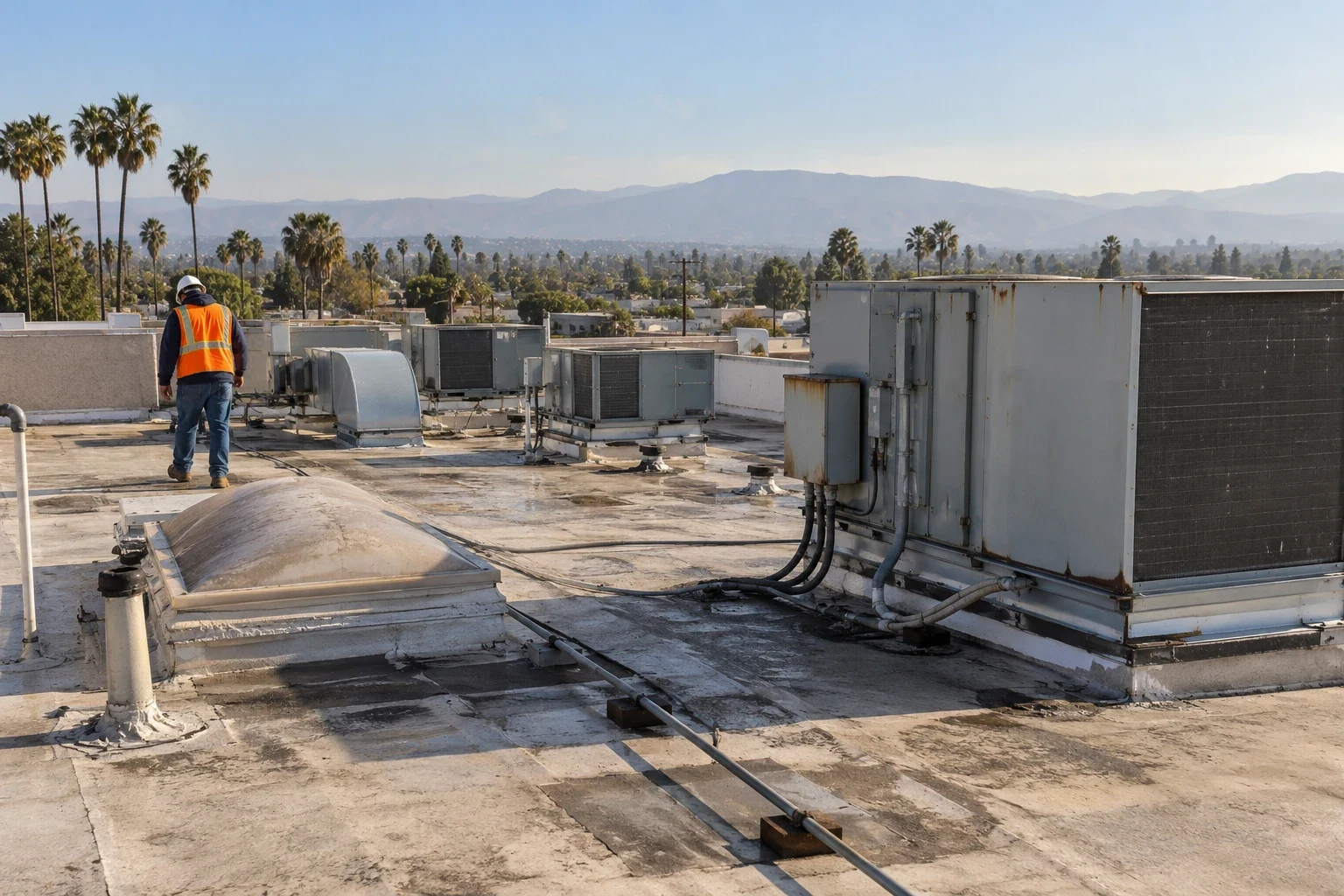
A photo without a roof-section label can leave the next manager searching the wrong area. Our condition report connects each image to the building, assembly, tested location, and finding. We mark where the walk reached, what needs repair, and what needs another test before a scope expands. Downtown Visalia’s mixed office, government, retail, and healthcare uses place different demands on access and interior protection. A report for an occupied property should explain those constraints along with the roof condition, so an owner can act without guessing what the photo shows.
Label the Building before the Finding
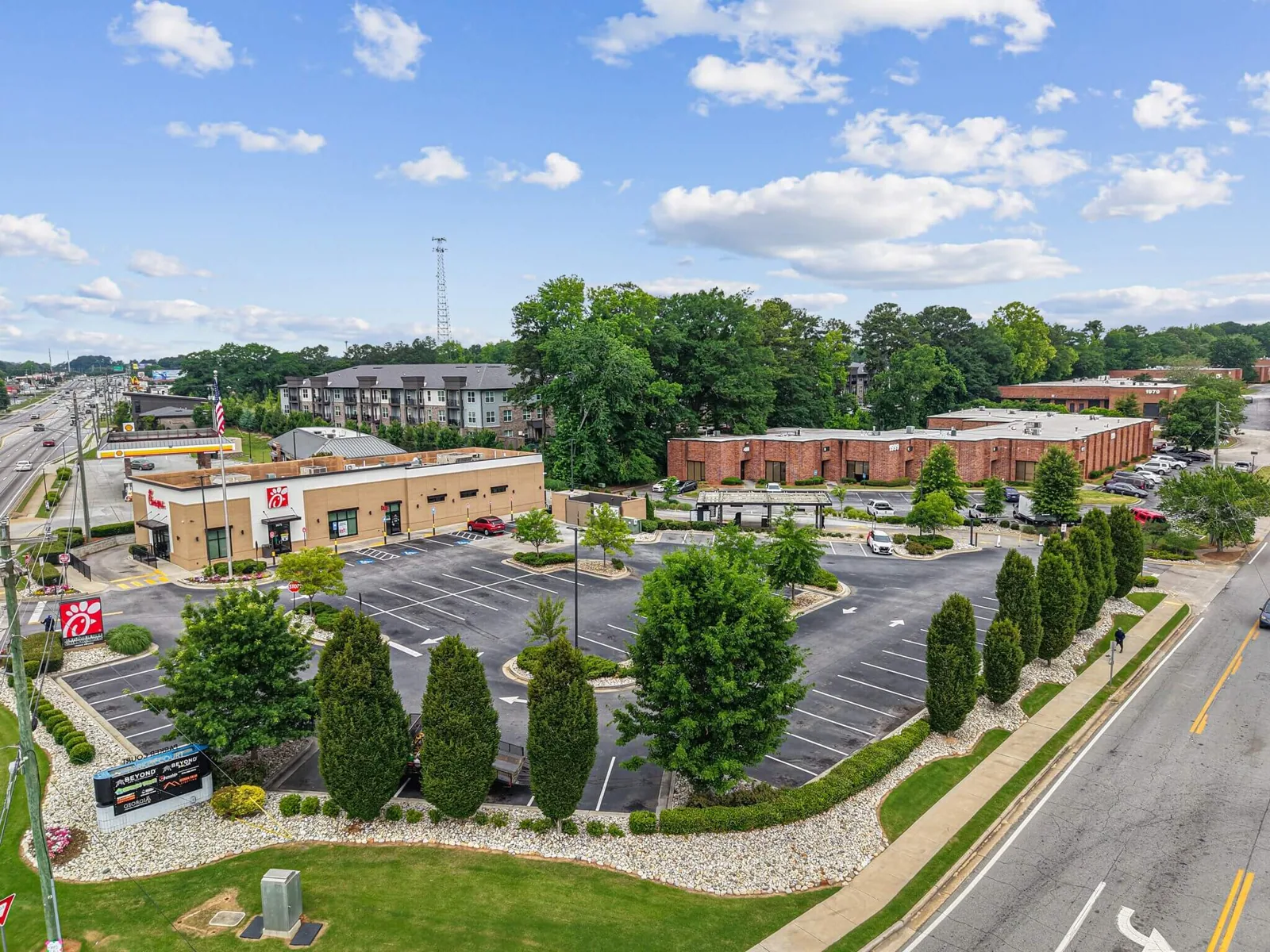
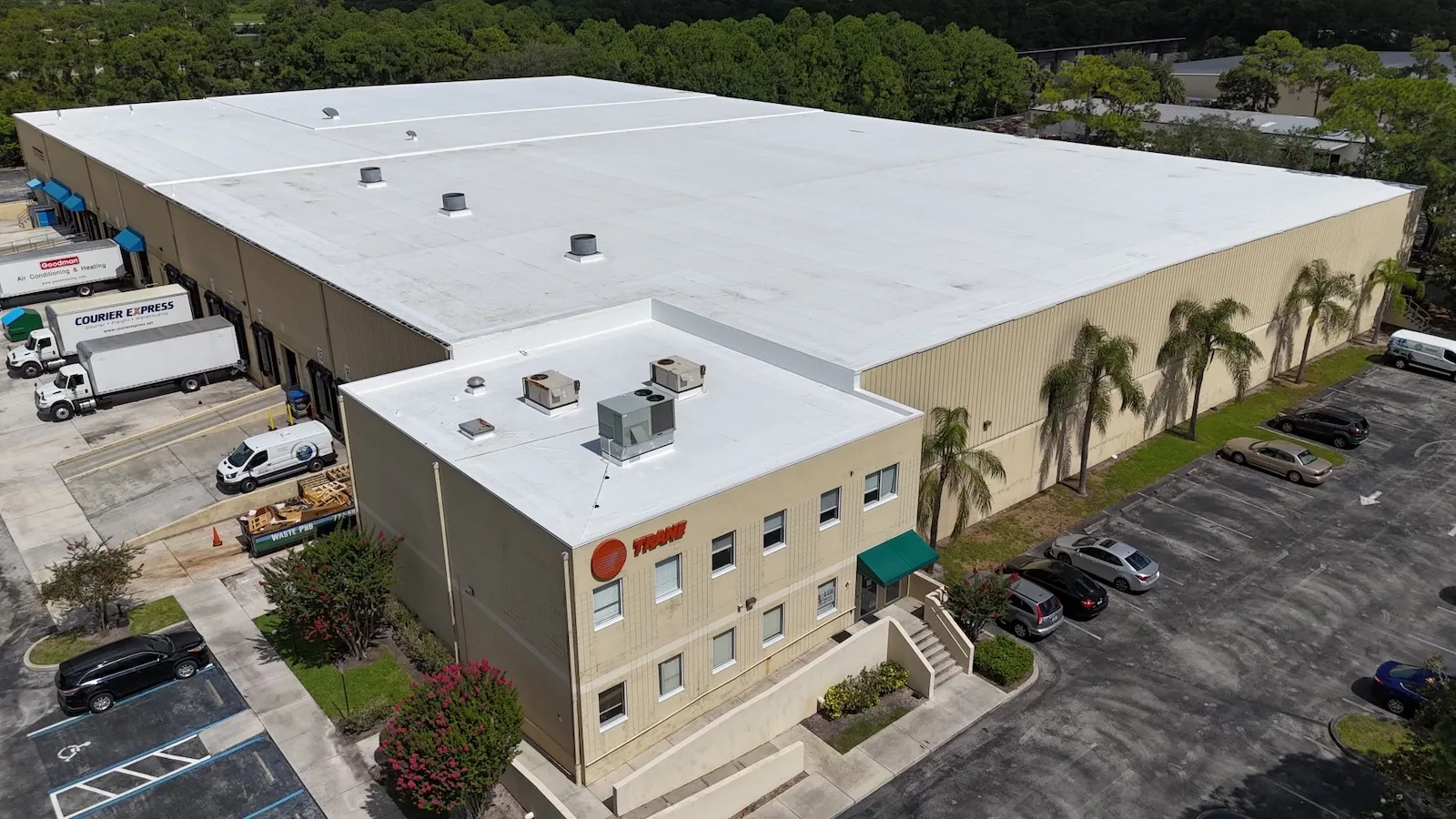
We begin with a roof plan, aerial view, or field sketch and divide the surface into sections that a facilities contact can recognize. Each note names the assembly when confirmed, the approximate detail location, and the path from a safe access point. A drain at a low corner, a curb beside equipment, and a wall termination at an addition should not share one label. A roof asset record can carry those identifiers into future maintenance and repair calls.
The report records the date, weather conditions during the walk when relevant, areas accessed, and any sections blocked by equipment or safety limits. It distinguishes a visible defect from a suspected path and identifies tests used to confirm moisture or attachment. If a ceiling mark sits below a different roof bay than expected, the map helps trace the route without treating the interior stain as a repair location. A commercial roof inspection gives the report its field basis.
Separate Observations from Interpretations
A split seam is an observation. The cause and reach of wet insulation may need a test. We state those levels plainly. Photos should show the detail, a wider reference point, and the condition after any approved opening or repair. Moisture readings belong beside the mapped test area, not averaged across an entire roof. If the deck remains concealed, the report says that the result cannot describe its condition. A moisture survey may identify areas for follow-up, with physical confirmation when the project requires it.
Visalia’s climate cycle helps decide what to check. Local normals record rainfall concentrated from late fall through early spring, making drain bowls, overflows, laps, and low areas useful points for a seasonal review. Heat exposure can move sealants or harden exposed materials, but a report ties that observation to the actual edge, curb, or penetration. We do not turn regional weather into a claim about a particular loss. A drain and scupper review records which outlet was reached and what correction is supported.
Sort Findings by Immediate Exposure
The report should tell an owner what needs attention first. An active opening over electrical equipment or stock may require temporary protection and a prompt repair; a dry seam with surface aging may belong on a planned maintenance list. We label safety concerns, interior exposure, recurring leak history, and work that needs access or testing. The emergency response can stabilize urgent exposure around the clock, while the report records what remains for permanent work.
For a mixed-use block in Downtown Visalia, the crew may need tenant notice, an escort, or an interior protection window. Medical activity near Court Street and Paradise Avenue may affect access coordination for nearby properties. Those land-use facts help frame access questions, while a property contact gives the actual rules. Each report records what was confirmed onsite. The Court and Paradise district route can help managers connect local context with the building-specific scope.
Describe the Repair Boundary
A useful report states where work starts and stops. We identify the failed component, adjacent material that remains sound, and any wet or concealed area that could change the boundary after opening. If the repair requires a curb reset, drain flange correction, membrane patch, or edge-metal work, the recommendation names the detail and sequence. A repair scope should carry the same roof-section labels as the report, so the approved work can be checked against the field record.
A broader pattern of failure may need more than a patch. The owner may compare repair, recover, and replacement after the report documents moisture, attachment, deck, drain height, and code issues. We list known conditions separately from items still needing confirmation. That makes a capital review more useful for budgeting and avoids pricing a full replacement from one isolated leak unless the evidence supports it.
Make the Report Work for the Next Decision
Different readers need different parts of the same record. The facility manager needs the access plan and immediate action. Ownership may need a concise risk summary and budget horizon. A contractor coordinating other trades needs the roof boundary, protection below, and tie-in details. We include the observations, photos, recommended work, testing limits, and open questions so those decisions refer to one evidence set. A property management workflow can preserve the report with service records and tenant notices.
Near Goshen and Murray, office, professional, administrative, medical, and service-commercial uses appear across a city-identified corridor between Divisadero Street and Santa Fe Avenue. That context may affect traffic or access planning, but it does not tell us what roof lies above any tenant. We name the property and roof section, then provide a clear next visit or approval. If an acquisition is active, a due-diligence survey can answer transaction questions with the same discipline.
Close with a Dated Follow-up
Each open item needs a next action, responsible contact, and review point. We note whether a repair was approved, whether another test is needed, and which area could not be reached. After work, the closeout adds completion photos and materials installed to the same roof map. We can include the proposal reference, work authorization, weather delay, and any field change approved during the repair. If a replacement detail was not reached, that item remains open rather than appearing complete in the photo set. A dated checklist can show who received the report and which follow-up is still due. That record lets the next inspection compare the repair boundary instead of starting a new search. The warranty record can retain related product documents and maintenance entries without replacing the report itself.
Send the building address, roof plan, interior leak locations, prior scopes, and access contact. We can agree on the question for the first walk and identify what the report can resolve in one visit. For a Visalia property, the hot season and early-spring rain period can guide timing, but the roof determines the diagnosis. The report should finish with a practical decision: repair now, test an area, monitor a condition, or budget a larger project.
Commercial Roofing Questions
Will the report identify every concealed roof condition?
No. It records the areas reached and tested. Concealed insulation or deck may need an approved opening before its condition can be confirmed.
Can ownership use the same report for budgeting?
Yes, when findings are separated into immediate repair, additional testing, maintenance, and capital planning. We tie each item to a roof area and state its limits.
How do you connect photos to roof locations?
We label each image with the building and roof section, then include a wide reference and a detail view where access allows. That keeps the closeout tied to the inspected location.
Does the report include repair pricing?
The report can define the work boundary and support a separate proposal. We identify confirmed repairs and unresolved conditions before pricing work that could change after opening.
What should a facility manager provide for the inspection?
Share the current roof plan, leak locations, access rules, prior reports, and the contact who can authorize testing. Those details help us label findings correctly.