
Roof Asset Management in Visalia, CA
Roofing Capabilities | Visalia and Tulare County
Roof Asset Management
A portfolio log lists twenty leaks, but it does not tell an owner which roof needs work first. We connect each report to a building, roof section, assembly, and tested area, then record the condition that changes the next decision. Visalia Industrial Park spans production, food processing, storage, and distribution uses; Downtown Visalia has offices, retail, government, and healthcare activity. Those building contexts call for different access notes. The first step is a roof record that keeps observations, repairs, and open questions attached to the right asset.
Map Each Roof to an Asset Record
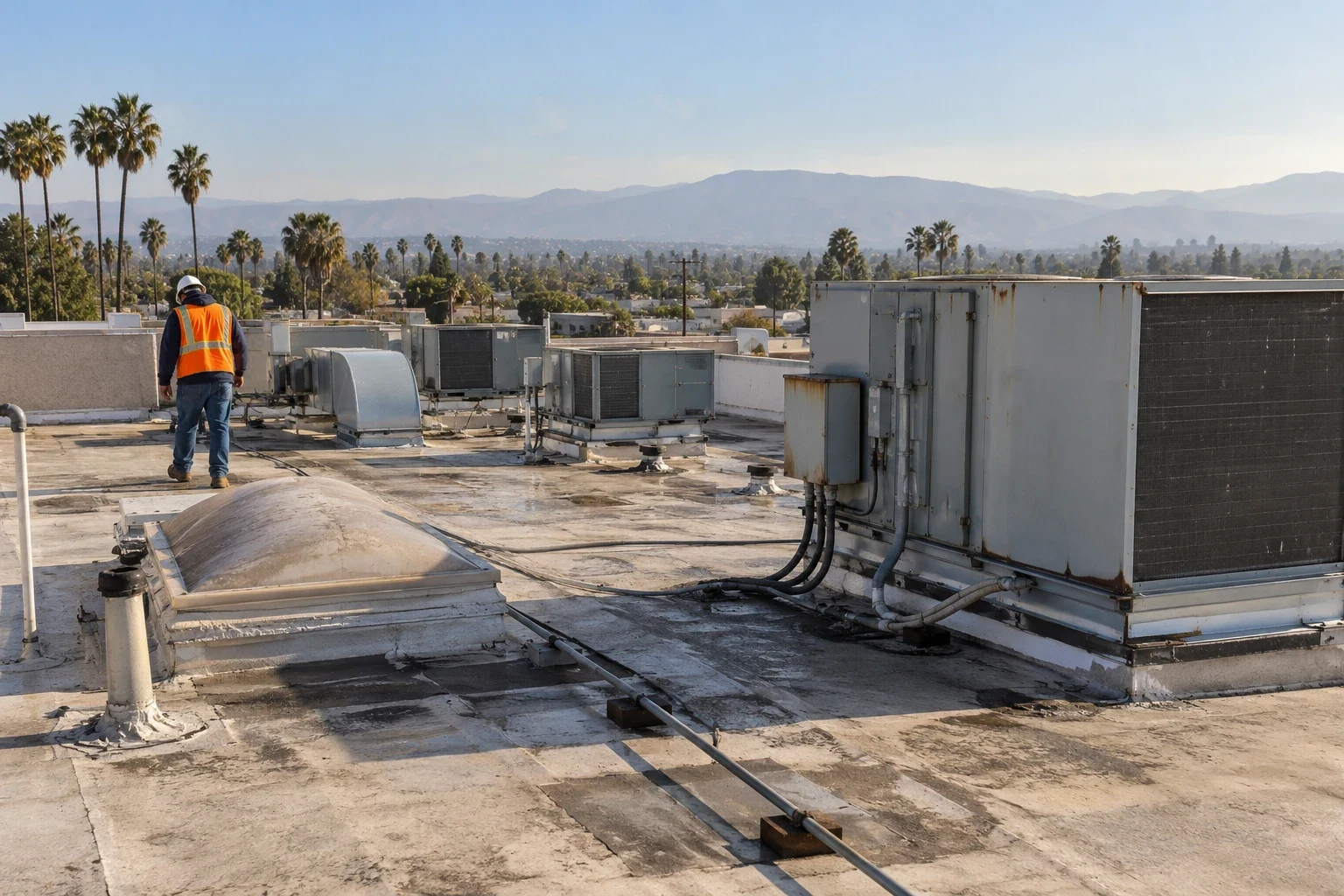
A useful inventory starts with the property identifier, not a spreadsheet row labeled “main roof.” We divide the building into roof sections, note additions and height changes, identify the membrane or metal system where visible, and mark drains, curbs, skylights, and edge details. A drawing or annotated aerial view helps the facilities contact point a later leak to the same area. The condition report can preserve photos and notes from the first walk so later maintenance does not start from memory.
Do not blend several buildings merely because one ownership group manages them. A warehouse, office, and service building can have different assemblies, access routes, and operating windows. We keep those identities separate even when a single invoice or budget covers them. The record should say what was visible, what the crew reached, and where access stopped. That lets the next inspection compare like with like instead of treating a portfolio total as a roof diagnosis.
Give Findings a Repeatable Scale
A condition label matters only when its basis is clear. We record the observable defect, its location, extent, and the test that supports the finding. Open seams, loose edge metal, cracked sealant, wet insulation, and a blocked drain do not carry the same consequence. A condition score can sort follow-up work, but it should not replace photographs or a written repair boundary. For an acquisition or annual review, a roof survey for due diligence can separate visible condition from areas that remain concealed or inaccessible.
Heat exposure deserves its own entry in Visalia. Visalia's climate averages local normals include many days with high temperatures at or above 90 degrees Fahrenheit, which puts repeated stress on exposed sealants and flashing. We note brittle edges, movement, and open laps at the tested location rather than assigning one condition to the whole roof. A later inspection visit can return to the same point and show whether the defect changed, stayed stable, or needs a broader test.
Keep Repair History with the Section
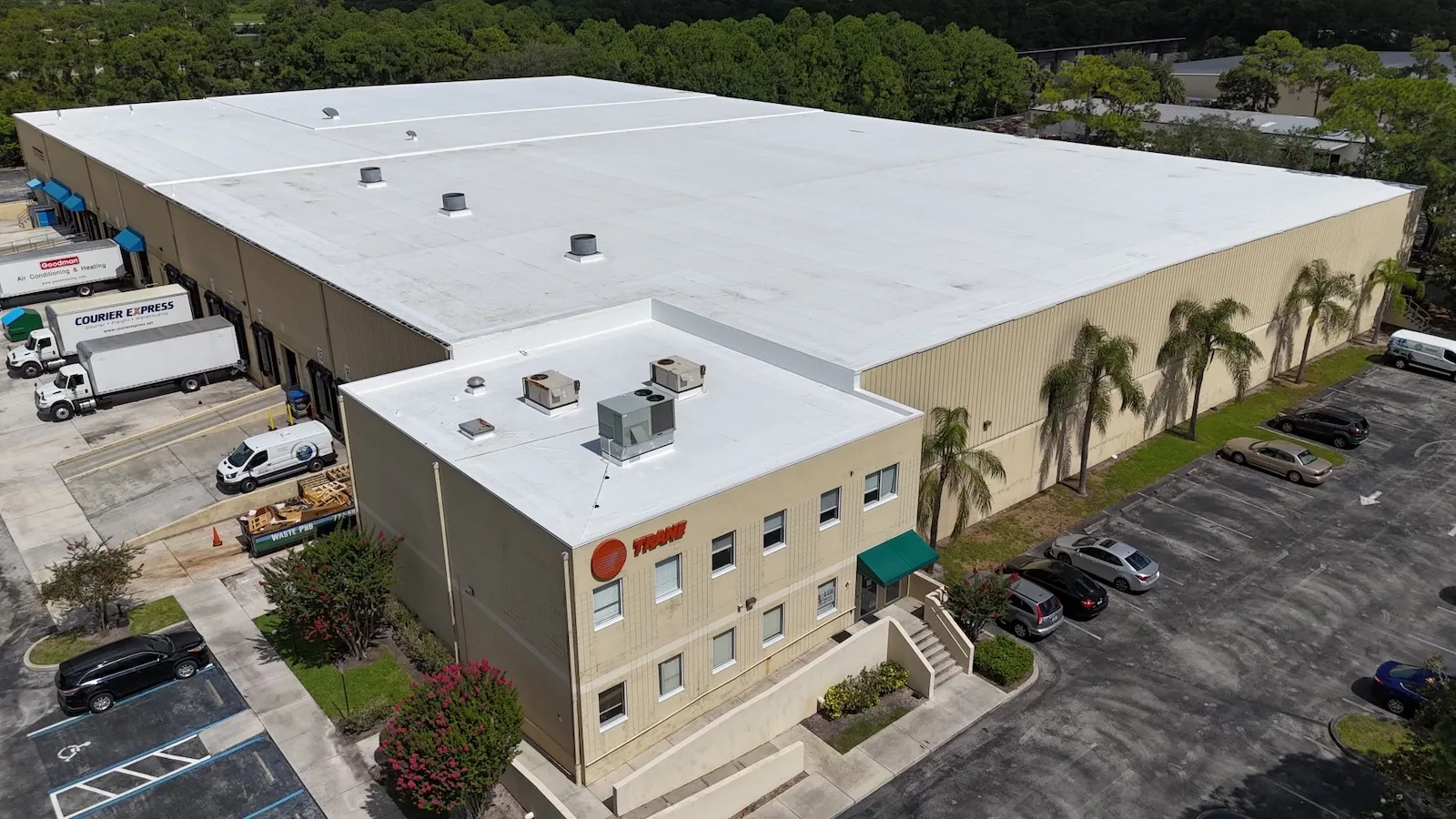
A patch becomes useful history when the record identifies what failed, what material was installed, and where the work stopped. We attach before-and-after photos, the repair date, the reported interior area, and any limitation in access or weather. A follow-up visit then checks the repair edge and adjacent details, not just the same ceiling stain. If water appears in another bay, the roof record helps distinguish a new path from a failed prior repair. A repair scope can mark the tested boundary and any condition that would change the work.
Maintenance entries should include drains, sumps, overflow routes, seams, penetrations, and edge metal, with notes about debris or sealant movement. Visalia’s rain is concentrated from late fall through early spring, so managers can plan a dry-season walk that checks exposed details before wet weather returns. A maintenance visit can add dated findings without turning routine service into an unsupported promise about roof life. The record remains useful when it explains the next action and its reason.
Sort Urgent Exposure from Capital Work
A building with active interior water needs a different response from an asset with an aging but dry membrane. We identify rooms at risk, protect equipment or stored material below, and locate the likely roof path. Emergency stabilization may come first, followed by a permanent repair when conditions allow. A around-the-clock response can address urgent exposure, while the asset register preserves the follow-up item. Each record should distinguish temporary measures from completed repair and state who approves the next access window.
Capital planning uses the same evidence for a longer decision. Repeated wet insulation, broad seam failure, deck concerns, or changing drainage may warrant a larger assessment than a patch. We list repair, recover, and replacement as separate paths with their assumptions. For a portfolio, the capital plan can rank projects by observed risk, access constraints, and timing needs without pretending that a condition label determines a replacement date by itself.
Compare Buildings without Flattening Differences
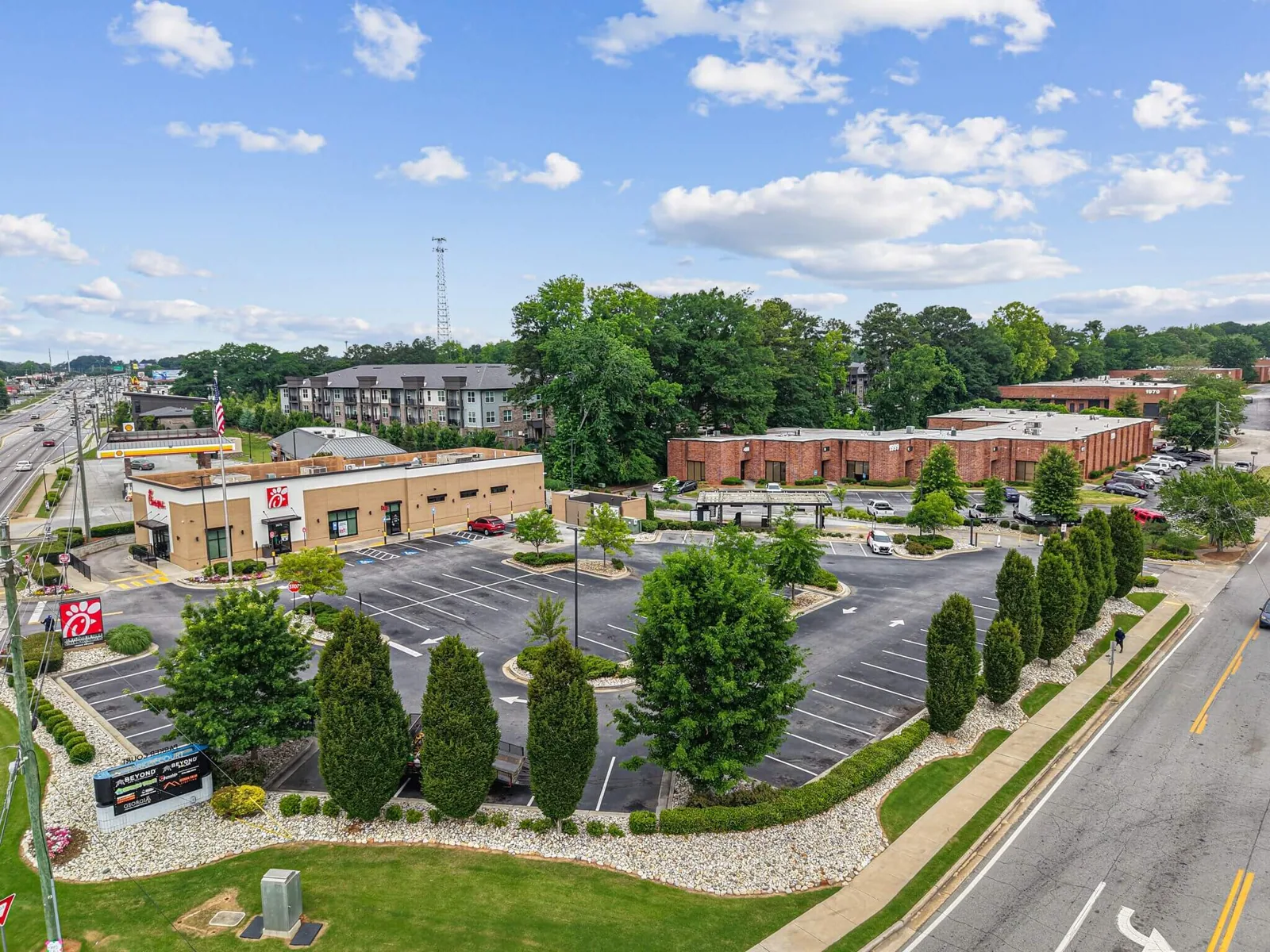
Owners often want a single dashboard, but the underlying roof facts should remain building-specific. We can group records by ownership, district, or budget year while preserving assembly, photos, work limits, and contact information for each property. Downtown Visalia’s mixed-use employment and the Industrial Park’s manufacturing and warehousing profile provide local examples of why access and operational risks vary. The dashboard should reveal those differences, not smooth them away. A property manager’s record set can connect roof findings to tenant access, work orders, and approval responsibility.
For an asset near the Mooney Boulevard Regional Retail Corridor, delivery timing and customer entrances may affect staging. A production site may need a clear dock and equipment shutdown window instead. We record those constraints as scheduling facts, not assumptions based on a district name. Each owner can then compare the same questions across assets while retaining the details that determine actual work. That balance makes the program easier to review and more reliable at the next leak call.
Set the Next Visit before Closing the Record
Every open item needs an owner, a next step, and a point at which the result will be reviewed. The closeout can list an approved test, a scheduled repair, a weather-dependent return, or a condition that needs budget approval. We also state what the last visit did not reach. If a roof section was blocked by equipment or a locked hatch, that boundary should stay visible in the next report. The multi-site program can carry those tasks across properties without losing the original roof note.
Send the building address, roof plans if available, recent leak locations, prior repair notes, and access contact. We can scope a first walk around the assets that need attention and identify which records should be built first. For Visalia properties, heat-related detail movement and the seasonal rain cycle can inform inspection timing, while the actual roof determines the condition. One clean record per section gives the owner a practical basis for repair approval, follow-up, or capital review.
Commercial Roofing Questions
Can one roof score apply to every building in the portfolio?
No. We can use one scoring scale, but each roof needs its own assembly, tested area, access limits, photos, and observed conditions. That keeps the comparison consistent without treating different buildings as identical.
What belongs in a roof asset register?
Start with the building and roof-section identifiers, system type where confirmed, inspection date, findings, repair history, photographs, access notes, and unresolved items. We can add the next action and responsible contact so the record stays useful.
How does Visalia weather affect inspection timing?
The local normals show a long hot season and a wetter period from late fall into early spring. We can schedule a dry-season review of exposed seals and drainage before rain, then base any repair on the roof findings.
Can the register set a replacement year?
It can support a planning range when condition, repair history, assembly, and access are known. We will state assumptions and missing information rather than assign a replacement date from a score alone.
What should we send before the first portfolio review?
Share the property list, roof plans, prior reports, leak log, repair invoices, access rules, and any known warranty documents. We can identify which assets need a field walk and which records need clarification.