
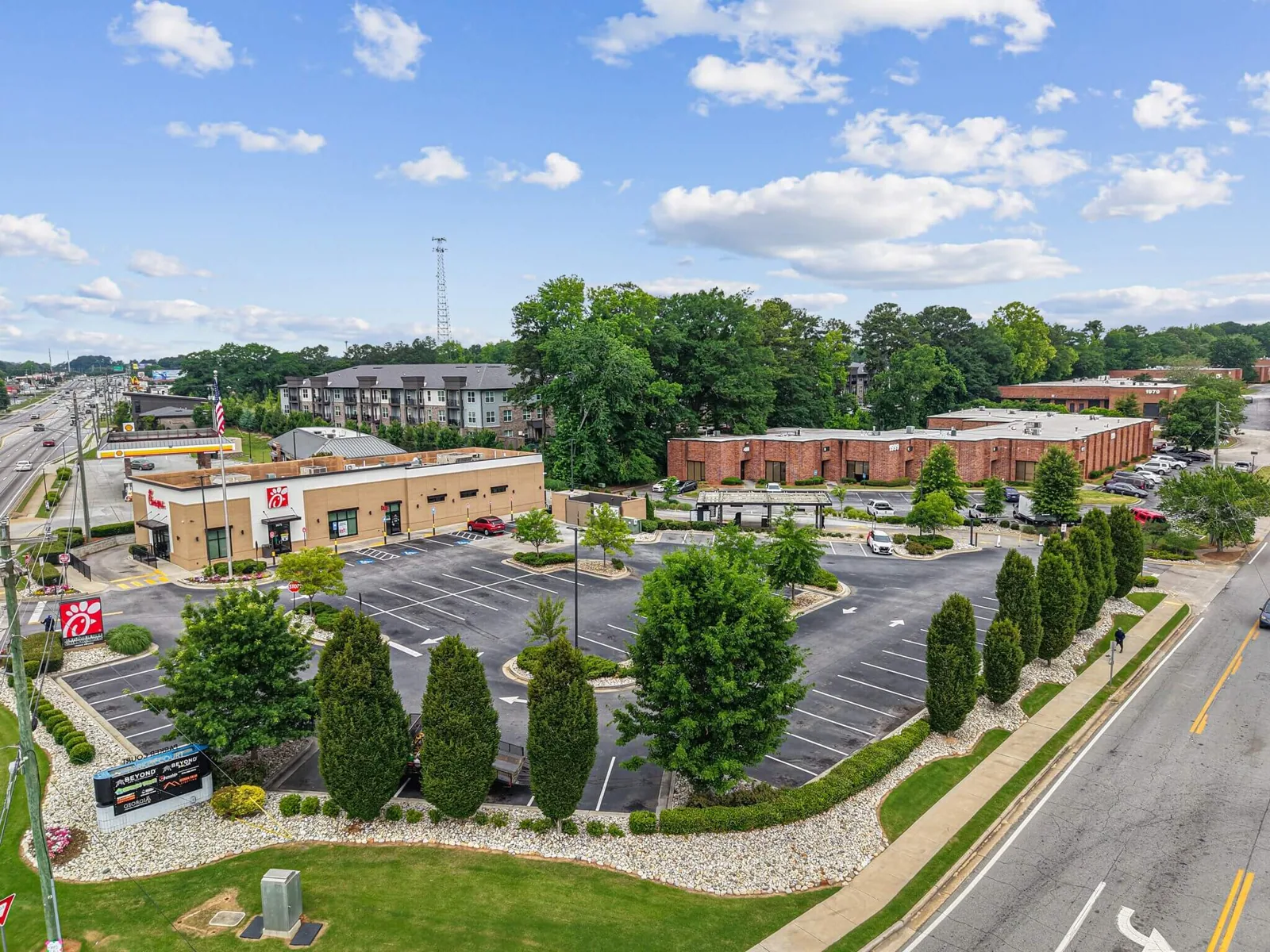
Multi-Site Roof Programs in Visalia, CA
Roofing Capabilities | Visalia and Tulare County
Multi-Site Roof Programs
An emergency call from one property can interrupt the schedule for every roof on the list. A multi-site program gives the owner a shared intake and reporting method while keeping each building's findings, approvals, and access rules separate. Downtown Visalia’s office and public-facing uses differ from the Industrial Park’s production and distribution setting. Ben Maddox Way has a city-identified commercial activity area. Those local contexts affect staging and traffic questions; the site contact still supplies each property’s rules.

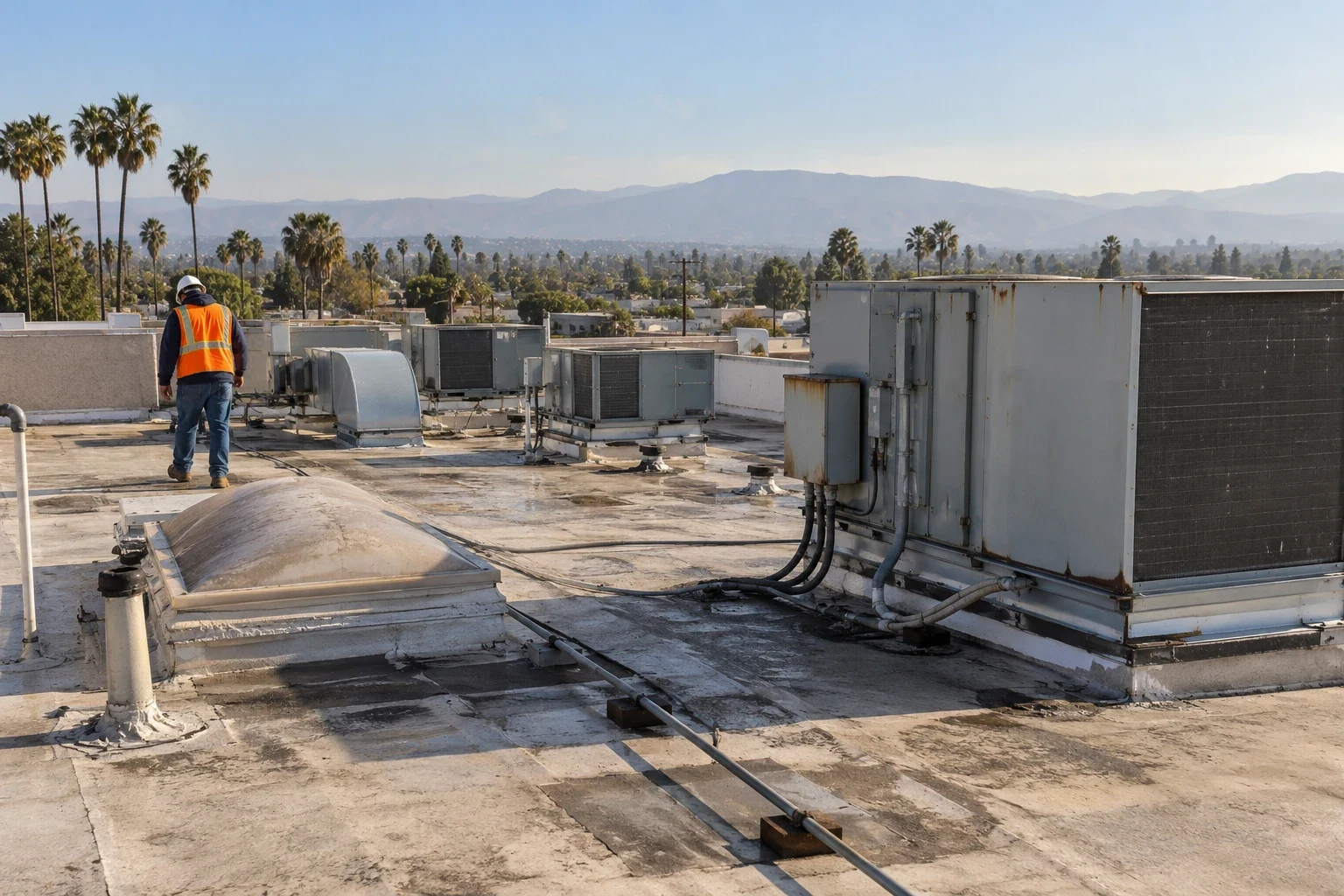
Use One Intake without Merging Roofs
Start with a property roster that names the building, contact, roof plan, known system, leak history, and access restrictions. We can route requests through one coordinator, then assign a separate roof-section record to each visit. An urgent leak above stock or equipment needs a clear interior location and safe access path. A round-the-clock emergency response can stabilize active exposure while the program records what remains for permanent repair.
Do not group properties by owner name alone. Two buildings may have different membranes, equipment, warranty files, and work windows. The asset management record preserves those distinctions under one portfolio view. A service request should identify which roof section is affected, who can authorize testing, and whether the building remains occupied. That information reduces repeat calls and keeps each follow-up tied to the right place. For the first month, we can review open leak tickets, confirm priority roofs, and set a reporting route for new findings. The owner decides whether each property receives an inspection, temporary protection, or a repair proposal. At the program review, we return completed scopes, unresolved tests, and approvals waiting on a site contact. The cadence gives operations and ownership a shared status while preserving separate roof records.
Standardize the Field Record
Each visit can use the same core fields: date, weather context, roof section, assembly identified, condition, test performed, photo reference, repair boundary, access limit, and next action. That consistency lets ownership compare results without assuming the roofs match. A condition report can use the portfolio’s naming convention and still preserve property-level detail.
Visalia’s Industrial Park covers manufacturing, food processing, warehousing, and distribution uses across a large area. That fact informs scheduling questions about docks and operations, not the construction of a particular roof. Downtown Visalia includes mixed employment uses and may require tenant notices or public-entry controls. The program should record those site instructions from the manager before crews arrive. A field standard is useful only when it leaves room for differences at the asset. We can compare open actions by type: active leaks, approved repairs, testing, maintenance, and capital review. That view helps a portfolio manager find overdue decisions without converting unrelated conditions into one score. A quarterly meeting can close records with completion photos and owner approval, then leave only work that still needs a site visit or decision.
Plan Visits around Weather and Operations
Visalia’s rainfall normals concentrate precipitation from late fall through early spring, after a long hot period. A program can schedule dry-season checks of laps, exposed sealants, curbs, and drainage before the wetter months, then add storm-related visits when a roof report calls for them. A maintenance schedule should follow roof condition and access rather than a generic calendar alone.
Operating windows vary. A Downtown office may restrict interior access during business hours, while a production property may need a shutdown or clear dock. Near the Ben Maddox Commercial Corridor, vehicle access can affect staging; on another property, customer entrances or rooftop equipment may control the sequence. We confirm gate, lift, noise, and protection requirements with each building contact before setting the route.
Keep Repairs and Follow-up Connected
When a crew closes a leak, the repair record should identify the material installed and the edge of the work. The next visit can check that boundary and adjacent details rather than restart the diagnosis. We separate temporary water control from permanent work and list concealed conditions that could change the repair. A repair scope should carry the same property and roof-section labels as the program record.
Some sites need additional testing or a larger capital review. Repeated wet insulation, widespread seam movement, or deck concerns may change the decision from patch to recovery or replacement. The capital planning record can rank that work against other assets while preserving the inspection basis. For a transaction or financing question, a due-diligence survey can provide a separate snapshot with stated access and testing limits.
Assign Approvals before Mobilization
A portfolio program needs a person who can authorize access, testing, emergency stabilization, and scope changes. We record the approval path by building and identify the contact responsible for tenant notice, equipment shutdown, or work-zone release. A repair can stall when the site contact and budget approver are different people. The property manager’s record can connect work orders, tenant communications, and roof documentation without merging the decision roles.
Current work also needs a change process. If tear-off exposes wet insulation outside the mapped boundary, the crew records the finding, protects the opening, and sends the owner the affected area and cost driver before proceeding beyond authorization. That avoids treating a field discovery as an approved scope. Each site file should store the decision, date, and closeout. A phased reroof plan can set daily boundaries for occupied operations.
Review the Portfolio by Action, Not Just Age
Quarterly or annual reviews can sort active leaks, open tests, completed repairs, maintenance needs, and projects awaiting approval. Age may help organize the file, but it cannot replace moisture, attachment, drainage, or deck findings. We show which roof needs immediate attention and which needs a better inspection before a budget decision. The warranty record can be checked alongside service history when the owner plans a repair or new rooftop work. A shared dashboard can show owner, last visit, open action, and due date, while the source file remains the signed report and photo set. If an entry changes, preserve the prior value and identify who approved the update. That record trail lets a regional manager act on the summary while a site manager checks the actual roof section. During a handoff, the receiving contact can verify the next action and closeout evidence before the old task is archived.
Goshen and Murray include commercial activity, spanning Divisadero Street to Santa Fe Avenue and serving nearby office, medical, professional, and service businesses. That illustrates why geographic routing can help coordinate visits while each roof still needs its own record. Send the property list, roof plans, current leak log, and emergency contact. We can scope the first group of visits and establish which assets require a field walk before a portfolio review.
Commercial Roofing Questions
Can one crew handle emergency calls at every site?
We can coordinate a shared intake and dispatch approach, but access, authorization, and repair scope remain specific to each property. We record who can approve work at each building.
How do we compare roofs with different systems?
Use a consistent report structure while recording each assembly, condition, tested area, and access limit separately. That keeps the portfolio view comparable without treating materials as alike.
Can visits be grouped geographically?
Yes. Routing can reduce travel between properties, but roof findings and closeout photos stay tied to each building. Local access and operating windows still set the sequence.
What happens when concealed damage changes a repair?
We document the opening, affected area, and new condition, then contact the authorized person before extending work beyond the approved boundary. The closeout records the decision.
What should start a multi-site program?
Provide the site list, roof plans, open leak reports, recent invoices, contacts, and access rules. We can identify the first buildings to inspect and set a common record format.