Commercial Roofing in Ben Maddox Commercial Corridor, Visalia, CA
Service Areas | Visalia and Tulare County
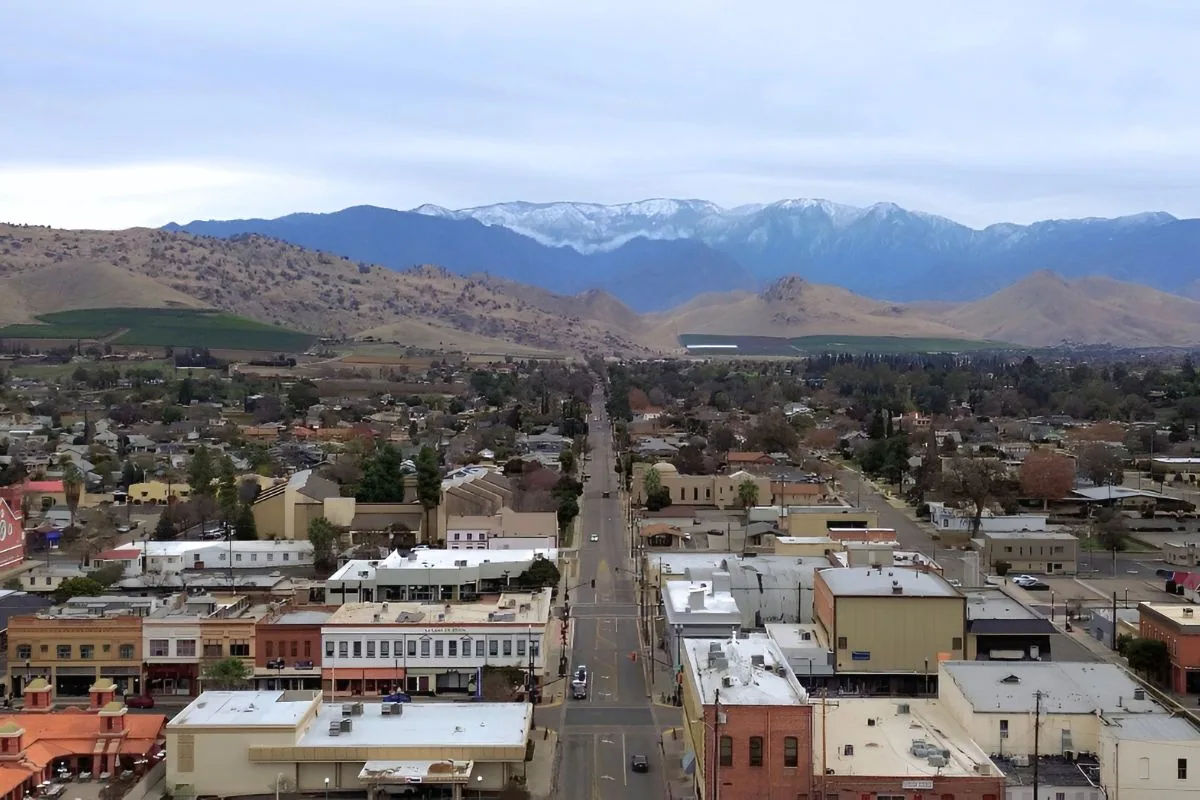
Ben Maddox Commercial Corridor
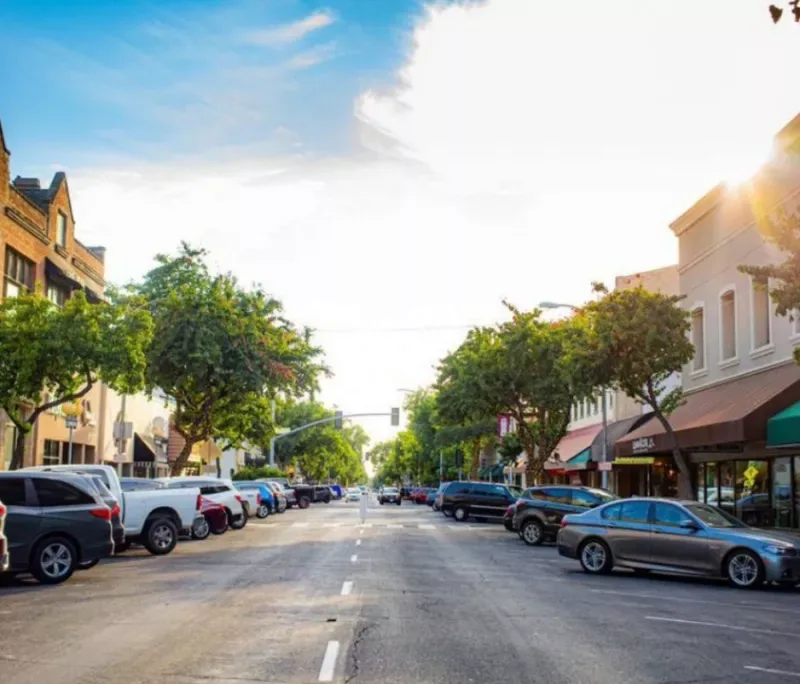
A split seam above an auto showroom or service bay can send water well beyond the first ceiling mark. Ben Maddox Way is among the city’s auto-oriented commercial areas and show shopping near Mary’s Vineyard. That is a broad district, not a description of any one roof. We start with the actual building, trace the water path, and check whether a seam, curb, wall transition, or drain explains the leak. The repair boundary follows the roof evidence, not the storefront below it.
Separate a Local Seam from a Wider Failure
On a long retail or automotive roof, a small opening can be separated from a broader membrane problem only after we inspect both the visible defect and the surrounding field. We look for lifted laps, cracked sealant, loose edge metal, punctures, and moisture in insulation. A mark over a service department may sit several bays away from the entry point. We map the path before removing material, then identify what can remain and what needs to be opened.
The surrounding Ben Maddox area spans service-commercial, office, mixed-use, industrial, and retail categories. Those categories do not tell us the roof assembly at a particular parcel. We confirm whether the building has a single-ply membrane, built-up surface, metal panels, or another system. A commercial roof inspection can document the tested area, repair boundary, and any moisture checks needed before a larger scope is priced.
Keep Customer and Service Routes Open
Auto-oriented properties depend on open drives, customer parking, delivery access, and functioning service bays. We mark where the crew will stage, which entrances need protection, and when a repair can be performed without blocking a working lane. If a roof opening sits above an active bay, we coordinate the opening and close-in so the interior is protected before the work window ends.
For an occupied retail building, we divide larger work into manageable roof sections and connect each section to the tenant schedule. A short repair may need only a controlled perimeter; a replacement may require a sequence that preserves customer access while materials move overhead. We confirm access with the property contact and record any limits that affect labor or staging. Our occupied-building roofing sequence can include phased tear-off, daily dry-in, and clear handoffs to the manager.
Check Outlets, Edges, and Runoff
Water that reaches a wall or showroom ceiling may have traveled from a drain, curb, or roof edge. We inspect the drain connection and nearby membrane, then follow runoff toward its discharge point. Debris, a damaged drain bowl, or a poorly sealed transition can hold water at the same location. We also check whether the observed low area reflects a local obstruction or a broader slope issue. That distinction affects whether a repair can stay small.
Retail uses near Ben Maddox sit within a wider Visalia commercial pattern, while the City also identifies industrial activity in the Visalia Industrial Park. Those settings call for roof-specific findings rather than assumptions based on neighboring properties. If water is entering around a drain, we document the bowl, flange, membrane, and connection. A defined drain and scupper repair can separate outlet corrections from membrane or insulation work so the scope stays readable.
Look for Heat-Moved Sealant
Visalia’s hot season puts repeated stress on exposed sealants and flashing. Visalia's climate averages for the Visalia station include many days at or above 90 degrees Fahrenheit, so we pay attention to joints that expand, dry, and move through a warm season. A cracked bead alone does not establish the source of a leak. We check the adjoining membrane, metal edge, fastener line, and water path before choosing a material or repair size.
At a retail roof, equipment curbs and wall transitions can interrupt an otherwise continuous field. We inspect corners and terminations where movement can open a small path. If the membrane is sound and the defect is limited, a targeted repair may fit. If heat exposure has coincided with recurring seam or field deterioration, we compare repair, coating, and replacement options. The heat and UV damage assessment records what is actually weathered and what remains serviceable.
Price the Tested Boundary
A useful scope states which seam, curb, edge, or drain is included. We take photos, identify the tested area, and note any limits that prevented a complete inspection. If wet insulation is found, we map the affected section and keep dry material separate from proposed replacement. The property manager can then compare a contained repair against a broader correction without treating the entire roof as failed.
When the existing membrane remains stable but surface protection is wearing, a coating may be worth evaluating after adhesion and moisture checks. A coating does not repair a failed substrate or correct trapped water by itself. We confirm compatibility and detail preparation, then set the repair boundary before applying a system. Explore silicone roof coating options alongside commercial roof repair when the condition and assembly support those choices.
Leave a Clear Roof Record
After the walk, the manager should be able to see where water entered, what we tested, and which work remains. We list photos by roof area, distinguish observed damage from conditions that need another test, and note the access or tenant constraint that shaped the visit. That record can guide the next repair and help compare future inspections after the dry season.
When roof plans or prior invoices are available, we match them to the areas opened or repaired. This keeps a future leak from being treated as the same failure without checking the boundary. For a property on Ben Maddox, send the building location, affected room or bay, safe roof access details, and any recent repair records. We can scope the first visit, test the likely entry point, and return a written recommendation based on the roof in front of us. Managers comparing nearby properties can also consider the Mooney Boulevard retail corridor and the Court and Locust corridor, both broad multi-property areas that still call for their own roof inspection. Before pricing, we confirm whether the repair is above a customer area, a work bay, or a back-of-house space. That detail affects protection, staging, and the time available to open and close the roof. If water appears during a dry interval, we record whether it followed cleaning, equipment service, or another roof opening. The timeline can help distinguish a new penetration issue from an older seam failure without treating either possibility as proven until the roof is checked.
Commercial Roofing Questions
How do you locate a leak above a service bay?
We start above the affected room, then trace seams, curbs, drains, and wall transitions uphill and outward. A ceiling mark can be offset from the opening, so we define the tested area before setting a repair boundary.
Can work stay clear of customer parking?
We verify staging, access lanes, and the work window with the property contact. The plan can keep equipment and material movement away from active customer routes and identify any short closures before work begins.
Does a retail district tell you which roof system is present?
No. The City land-use description establishes the corridor’s commercial character, not the assembly on a specific building. We identify the membrane or metal system during the first walk and select compatible repair materials.
When is coating a reasonable alternative?
Only after moisture, adhesion, drainage, and detail conditions are checked. We compare coating with repair or replacement when the existing assembly can support the system and the scope includes the preparation its details require.
What should I send before the inspection?
Share the property location, leak area, access rules, operating hours, roof plan if available, and any prior repair notes. Those details help us set a safe work window and focus the first test.