
Built-Up Roofing in Visalia, CA
Roof Systems | Visalia and Tulare County
Built-Up Roofing
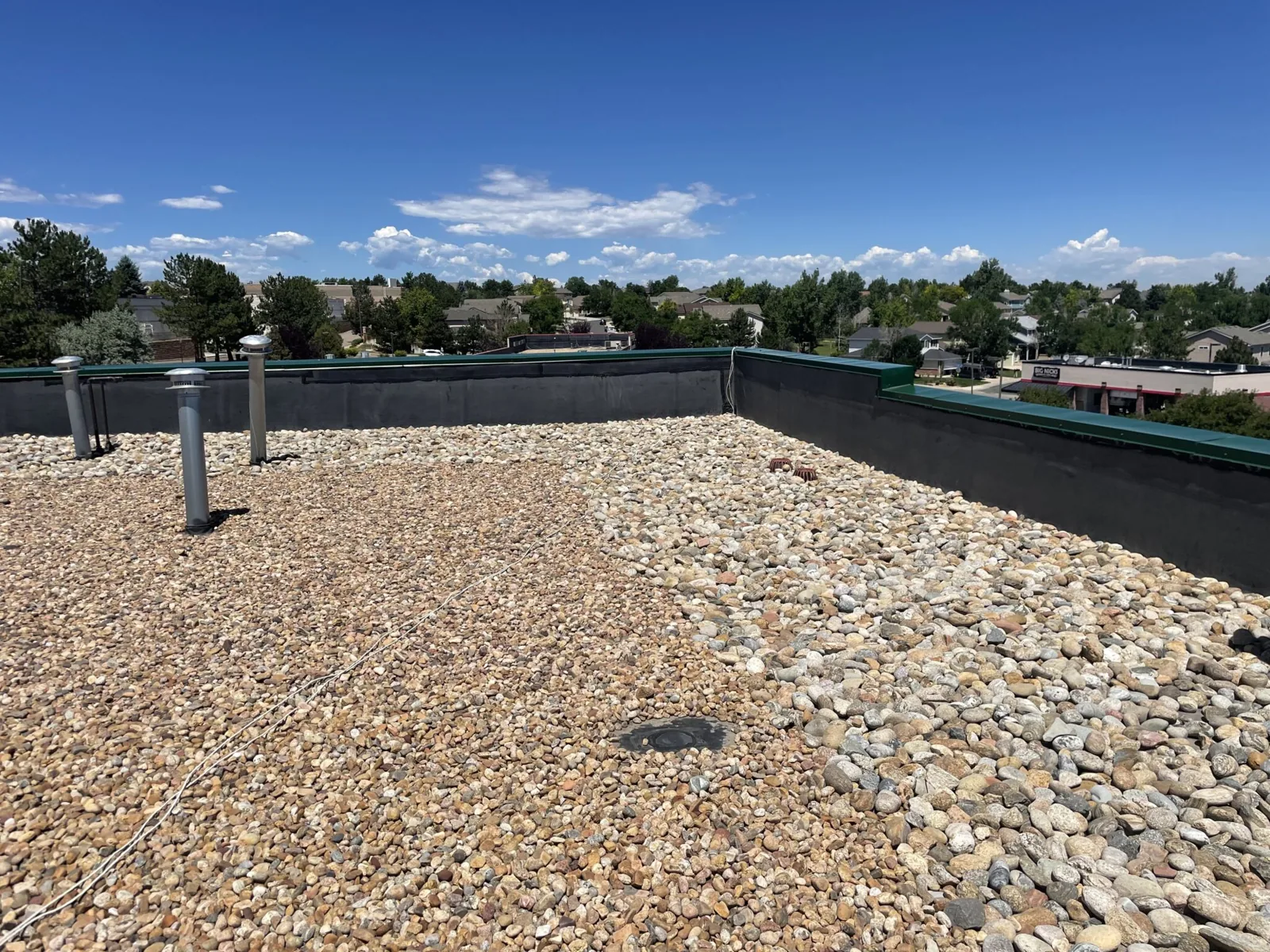
A gravel pocket that stays damp after nearby areas dry can hide a seam or drainage issue. We inspect the surfacing, visible plies, flashings, and outlets before recommending a repair. Built-up roofing uses multiple asphaltic layers, so a surface patch may miss a wet ply underneath. The test area and roof records help establish how many layers remain. In Visalia, hot days and a cooler rainy season put different demands on exposed asphalt and drainage details; the roof condition still has to be checked at the building.
Read the Gravel and Cap Sheet Conditions
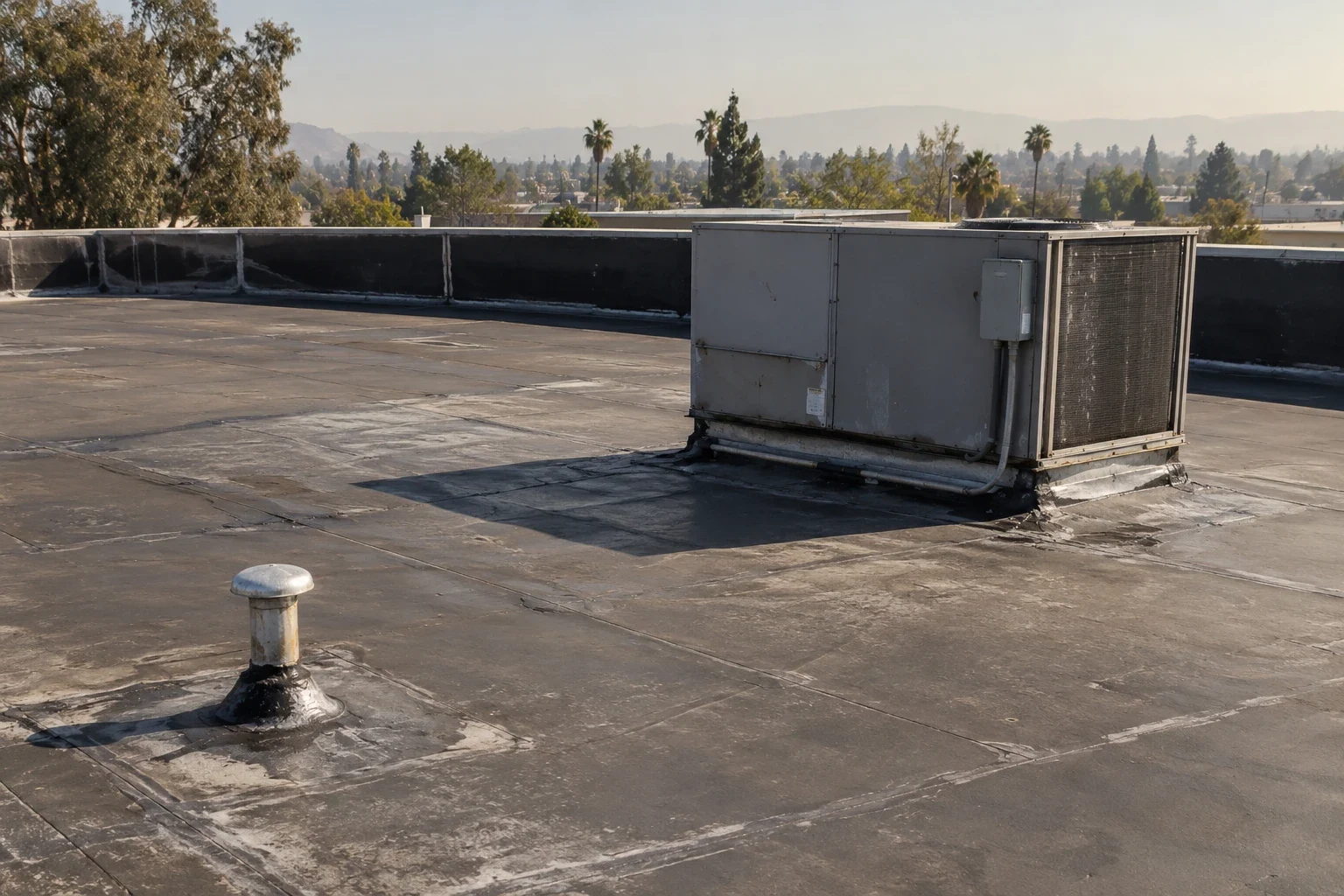
We look for displaced aggregate, bald areas, exposed asphalt, ridges, blisters, and cracks where the roof meets a curb or parapet. Gravel can protect an asphaltic surface, but loose stones may also collect at drains or hide a small opening. We inspect the field and nearby details together, then mark the exact area. If the roof has a mineral-surfaced cap sheet, we record where granules have worn and whether the layers beneath remain attached. The repair boundary follows sound material, not a convenient square around the visible mark.
Water can run below the surfacing or travel along a deck before it reaches a ceiling. A wet area found by testing should be mapped by zone and compared with the reported leak. One core sample does not confirm every section of a multi-ply roof. We explain whether more testing could change the scope before opening additional areas. A condition inspection can map the plies and identify the next question, while a repair scope can address a defined surface or flashing failure.
Separate the Plies before Setting a Scope
Built-up roofs may contain several plies and surfacing layers from different installation periods. We check the visible edge at drains, roof cuts, or transitions to determine what can be confirmed. If the exact assembly is unclear, an approved opening can show the layers and deck at that point. The owner receives a map of the test and a note about untested sections. That matters when a new layer or coating is being considered, since added material can conceal moisture or increase load.
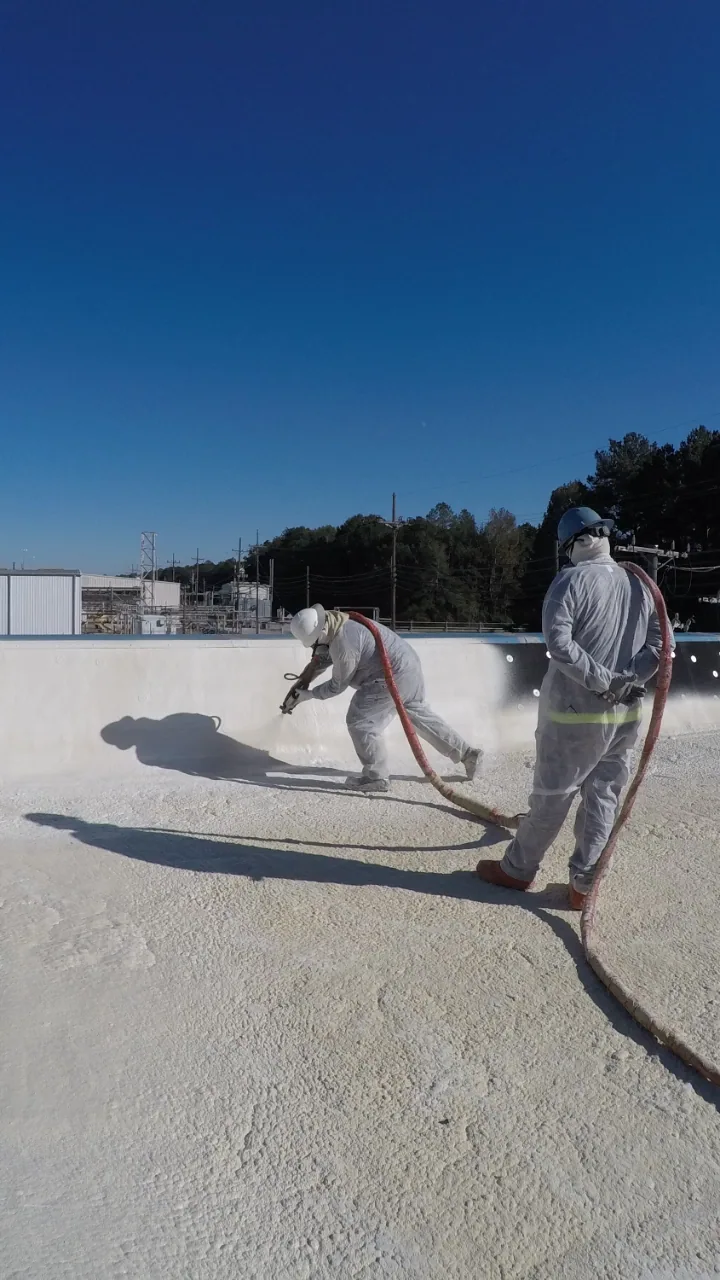
Repair methods depend on the existing material and the approved system. A new ply can be tied into sound asphaltic roofing when the substrate and installation conditions support it. A coating or sheet membrane may require different preparation and transition details. A modified-bitumen assembly is also asphaltic, but its sheet and seam construction differ from a multi-ply BUR system. We identify those differences before a patch or overlay is specified, and list any deck or insulation work separately.
Assembly comparisons should stay specific to the roof area being evaluated. A TPO roof system uses welded thermoplastic seams, while BUR relies on alternating asphaltic plies and surfacing. The PVC system has its own membrane and seam compatibility requirements. Neither comparison establishes that one option belongs over this existing deck. We review attachment, insulation, wind design, rooftop equipment, drainage, code requirements, and owner specifications before presenting a recover or tear-off option. If an existing BUR surface is unusually heavy or saturated, a structural review may be needed before adding layers. The estimate keeps testing, selective removal, deck repair, and new-system installation as distinct line items, so an owner can see which findings drive the recommendation. This is useful when a facility has several roof areas installed at different times: the same building address does not mean every section has the same ply count, moisture condition, or remaining service potential.
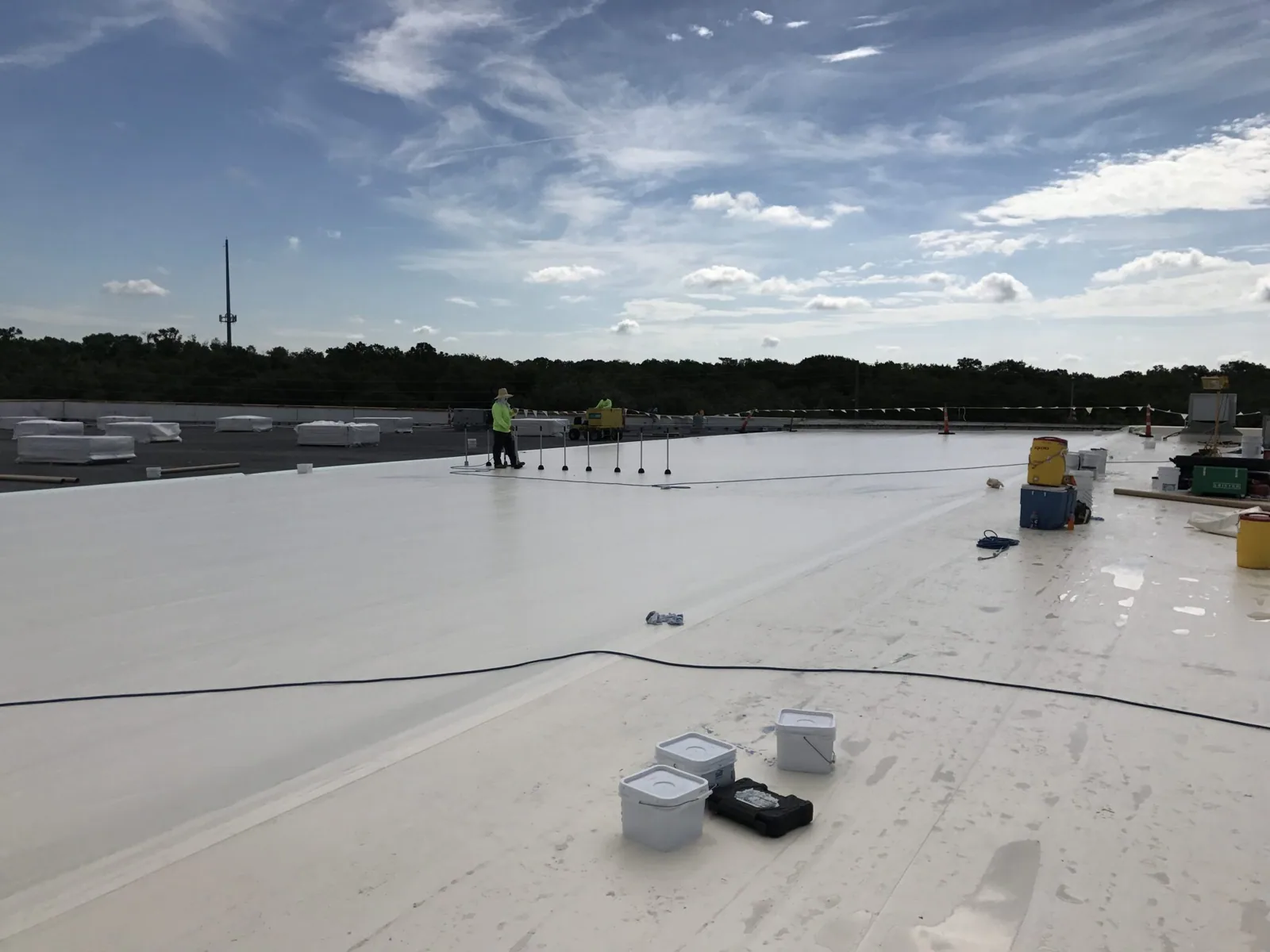
Check Sumps, Drains, and Edge Details
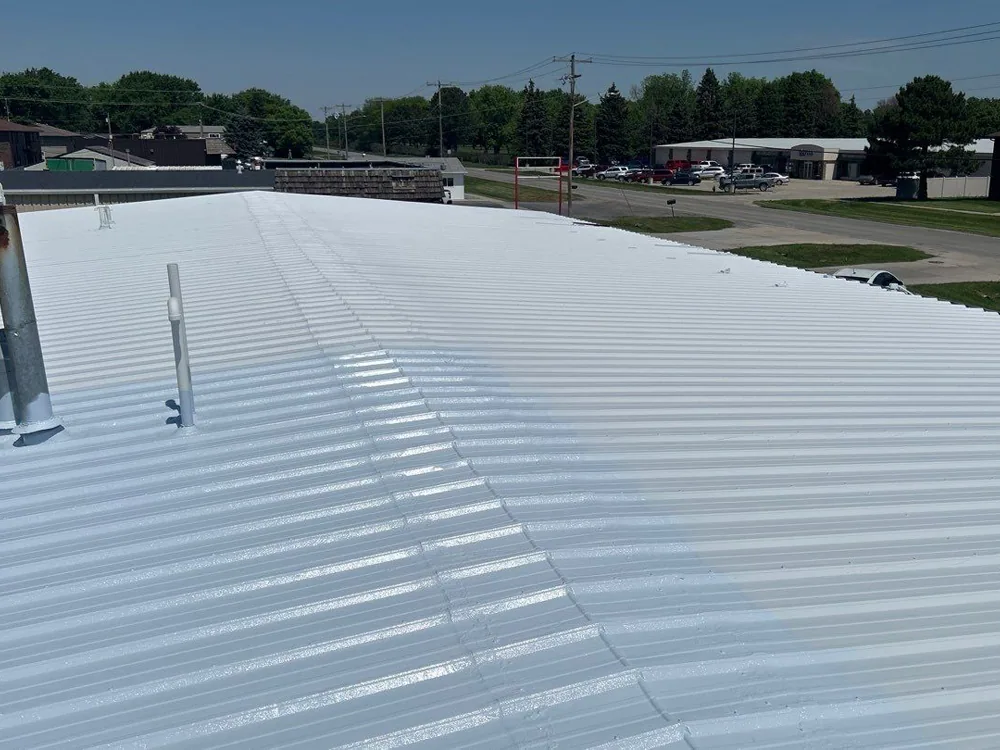
At a drain, we inspect the bowl, strainer, sump, membrane connection, and overflow path. Gravel or debris can restrict the opening, while a low deck can hold water even after the outlet clears. We record what was present and whether a slope correction lies outside the immediate repair. At parapets and roof edges, we look for loose metal, open seams, and transitions where the plies stop. A drain repair and an edge-metal repair may touch the same water path but need separate work descriptions.
The drain and scupper scope can address outlets, while coping and edge-metal work can restore perimeter details. We photograph the junction where each trade's work begins and ends. If water repeatedly backs up at one outlet, the roof map can show whether it is isolated to one sump or part of a wider low area. The manager can then compare a cleaning task, a localized repair, and an engineered slope correction as different decisions.
Plan Built-Up Roof Work around Visalia
Visalia's climate averages 1991-2020 Visalia normals show a long hot season and rainfall concentrated in cooler months. Surface temperature, wind, and moisture affect asphalt handling, adhesion, and safe access. We check the product requirements and forecast before opening a section. If a work area cannot be closed before weather changes, the crew sizes the section to the available window and protects exposed layers. The daily note records the materials installed and any condition that delayed the next ply or surfacing step.
Downtown Visalia is a mixed-use employment area that includes retail, government, professional, nonprofit, and healthcare activity. The Visalia Industrial Park supports manufacturing, food processing, warehousing, and distribution. Those areas can have different staging and access needs. We confirm the route with the property manager, not infer a work schedule from the district label. An area roof assessment in Downtown Visalia and an Industrial Park roof scope remain tied to each building's actual use and assembly.
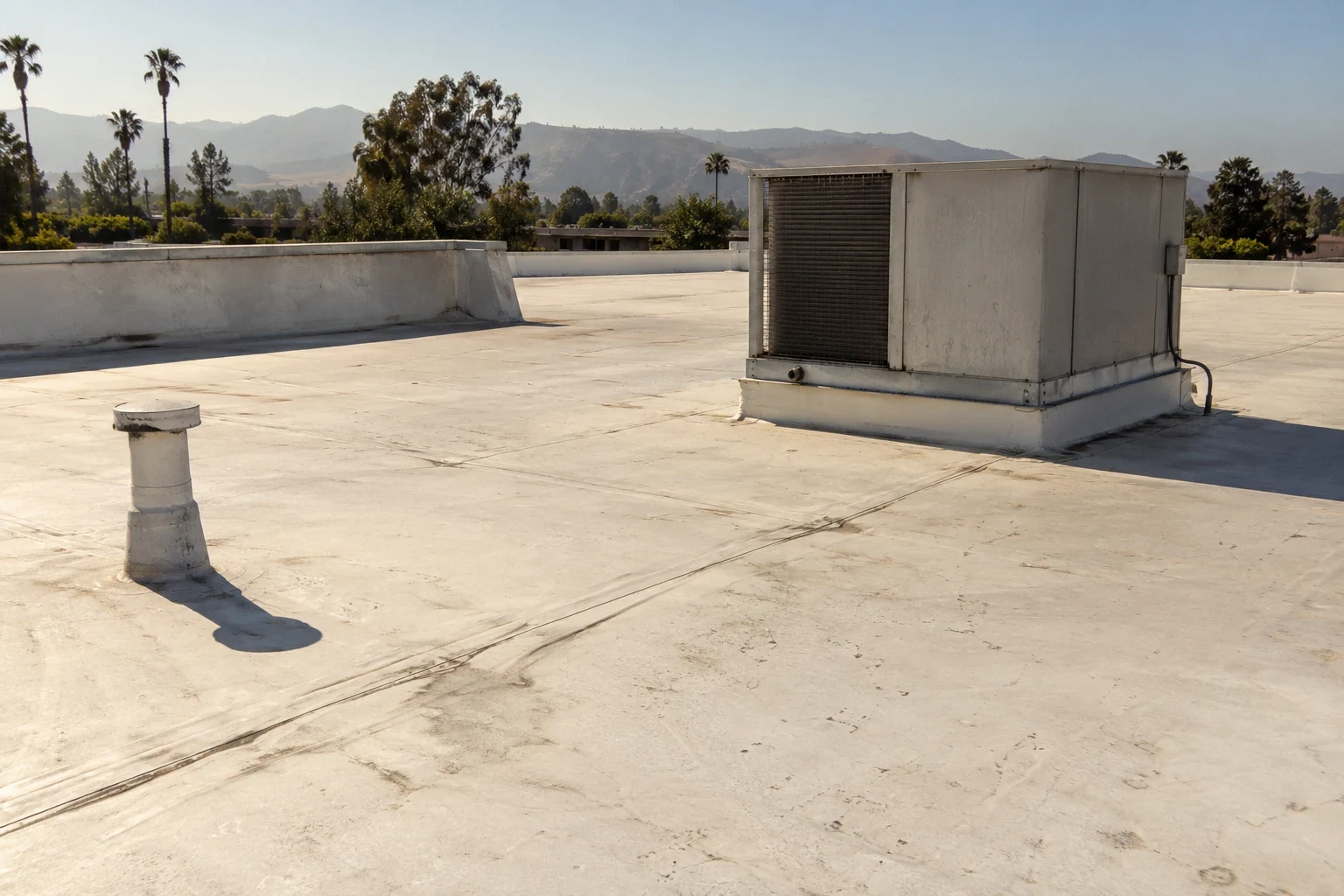
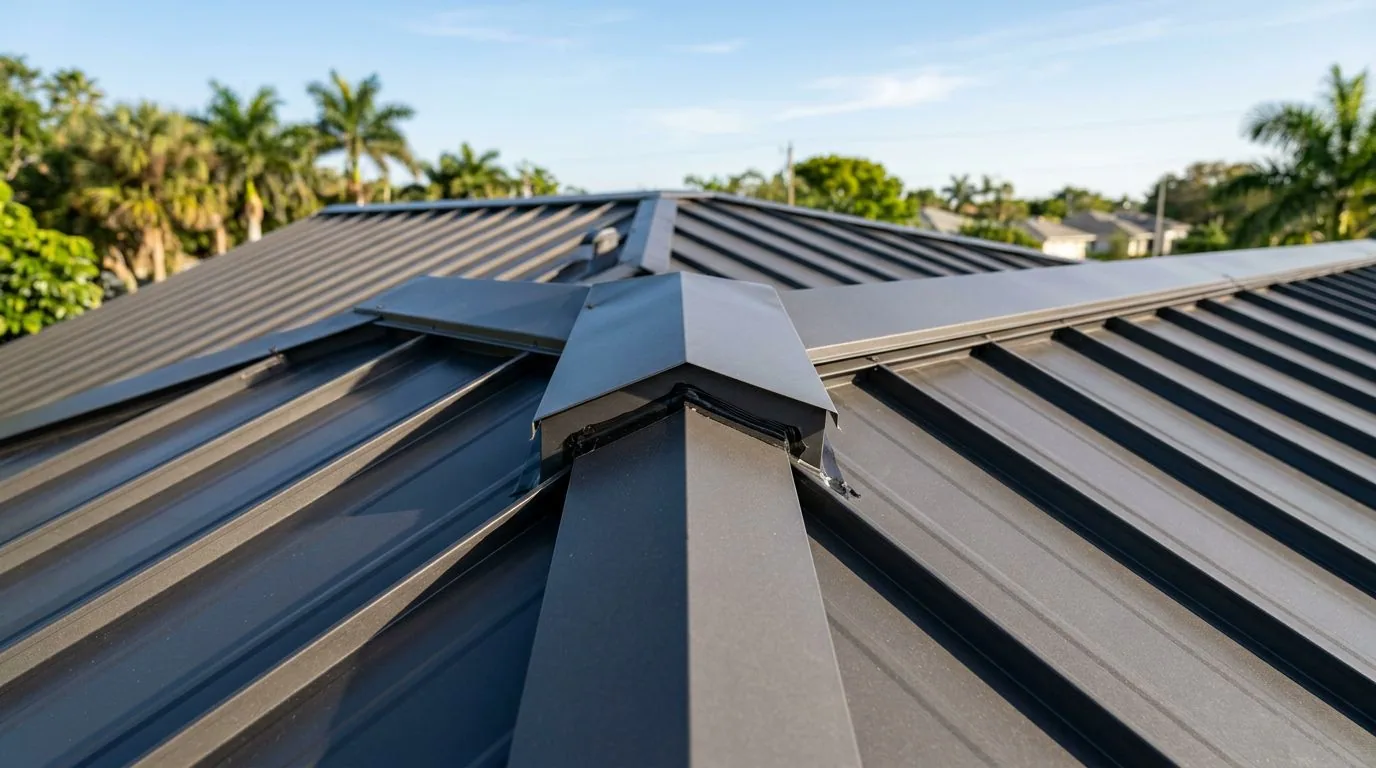
Compare Repair, Recover, and Tear-Off
Repair cost and timing depend on ply count, surfacing removal, wet insulation, deck access, and how much area must be protected during work. We separate confirmed quantities from conditions that need an approved opening. If moisture is localized and nearby layers remain sound, a focused repair may be appropriate. Repeated leaks, widespread wet material, or several failing plies can point toward tear-off. A recover option requires review of the existing layers, load, drainage, and project requirements before another roof is installed.
At closeout, we record the repaired zone, materials, surfacing, drain and edge details, and any areas left for monitoring. The roof map supports a future dry-season check and gives the maintenance team a place to compare. If another membrane is installed later, the transition should show which BUR layer was retained or removed. Share the roof plan, leak notes, prior scopes, and access window before the first walk. We will identify what the layers show and price the work that the tested conditions support.
Commercial Roofing Questions
Can gravel hide a built-up roof leak?
It can make the surface opening hard to see. We check the gravel, seams, flashings, drains, and the reported water path, then test a marked area if the layers below need confirmation.
How do you know how many plies remain?
We inspect visible edges and approved openings. The report maps each test location and does not apply one sample result to untested roof sections.
Can a BUR roof receive a coating?
Only after the surfacing, substrate, moisture, and details are reviewed against the coating system. Loose aggregate or wet plies may require removal or another roof scope first.
Does ponding mean the whole roof needs replacement?
Not by itself. We check the drain, sump, slope, and tested layers. The repair boundary and any separate drainage correction are shown so the owner can compare options.
What raises the cost of a built-up repair?
Ply count, surfacing removal, hot-work controls, wet insulation, deck access, staging, and disposal can change labor and timing. We mark concealed quantities that need approval before expansion.