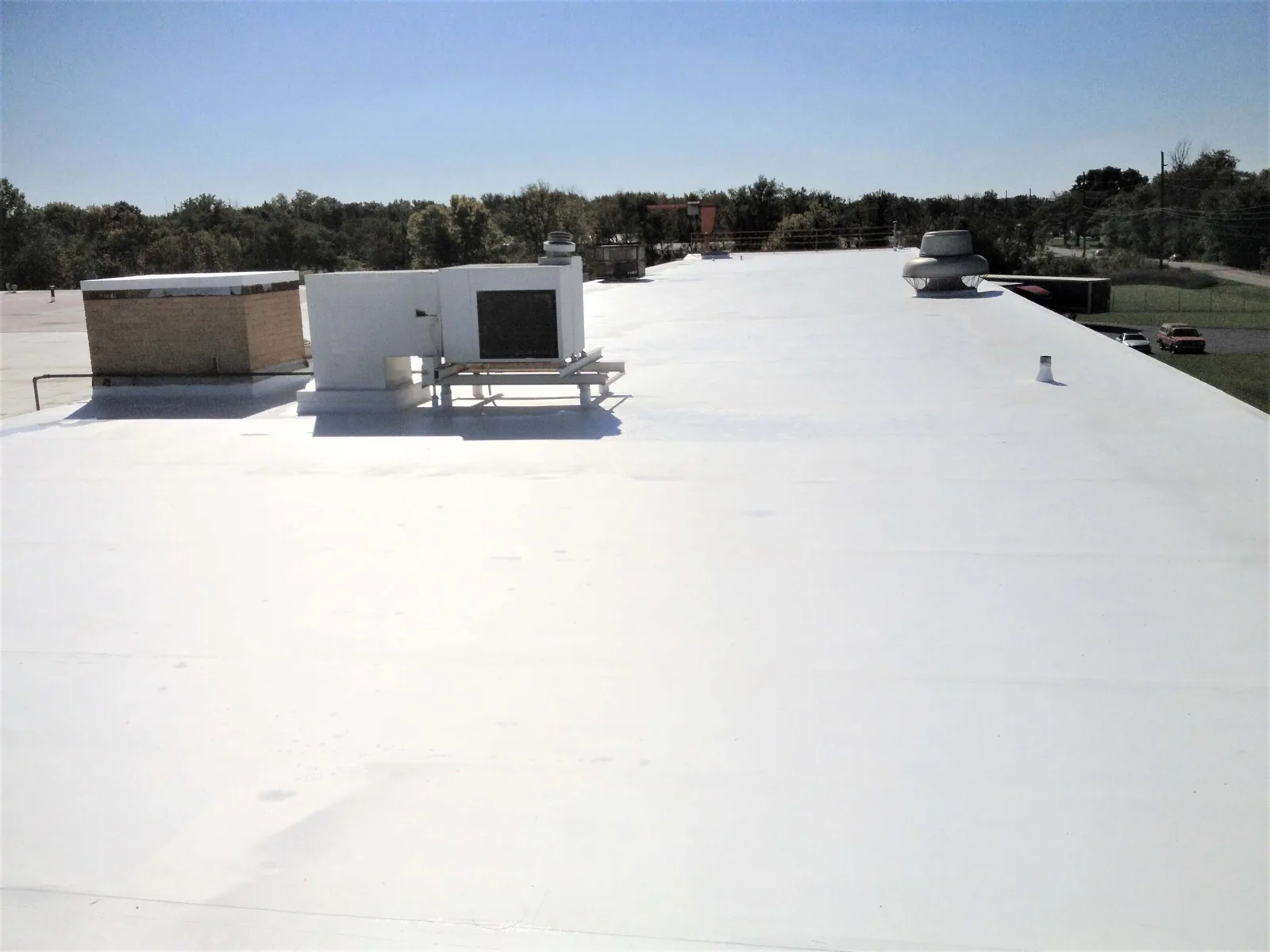
Commercial Roof Coatings in Visalia, CA
Commercial Roofing Services | Visalia and Tulare County
Commercial Roof Coatings
A coating can only protect the roof surface it bonds to. We start by checking whether the existing membrane is dry, sound, clean, and able to accept the proposed system. Visalia’s Visalia's climate averages show a long warm season and most rain arriving from late fall through early spring, so surface temperature and the work window matter during preparation and cure. The Mooney Boulevard commercial corridor and the Visalia Industrial Park include different building operations, but the first coating decision is the same: confirm the assembly before covering it.
Confirm the Existing Roof Can Be Restored
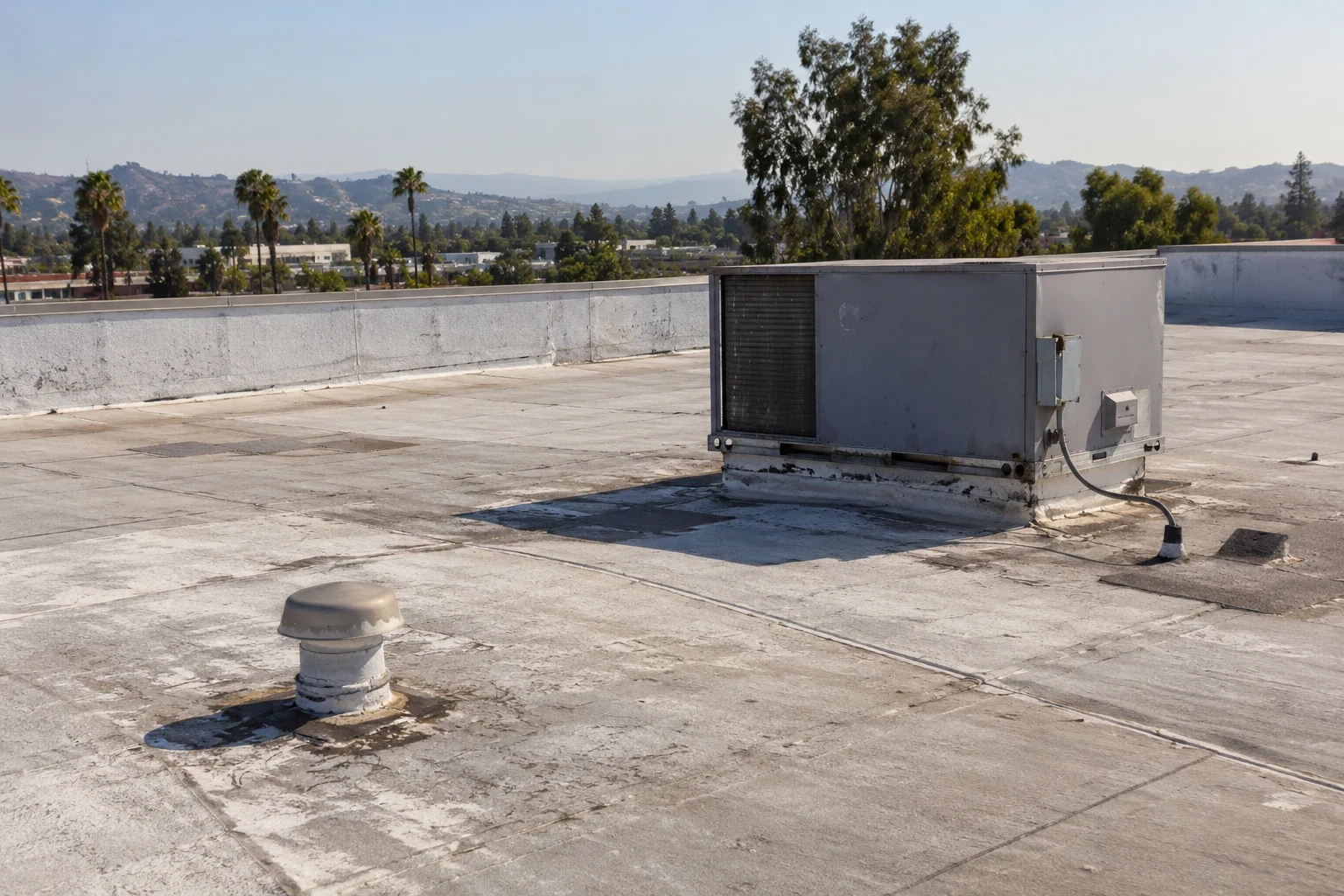
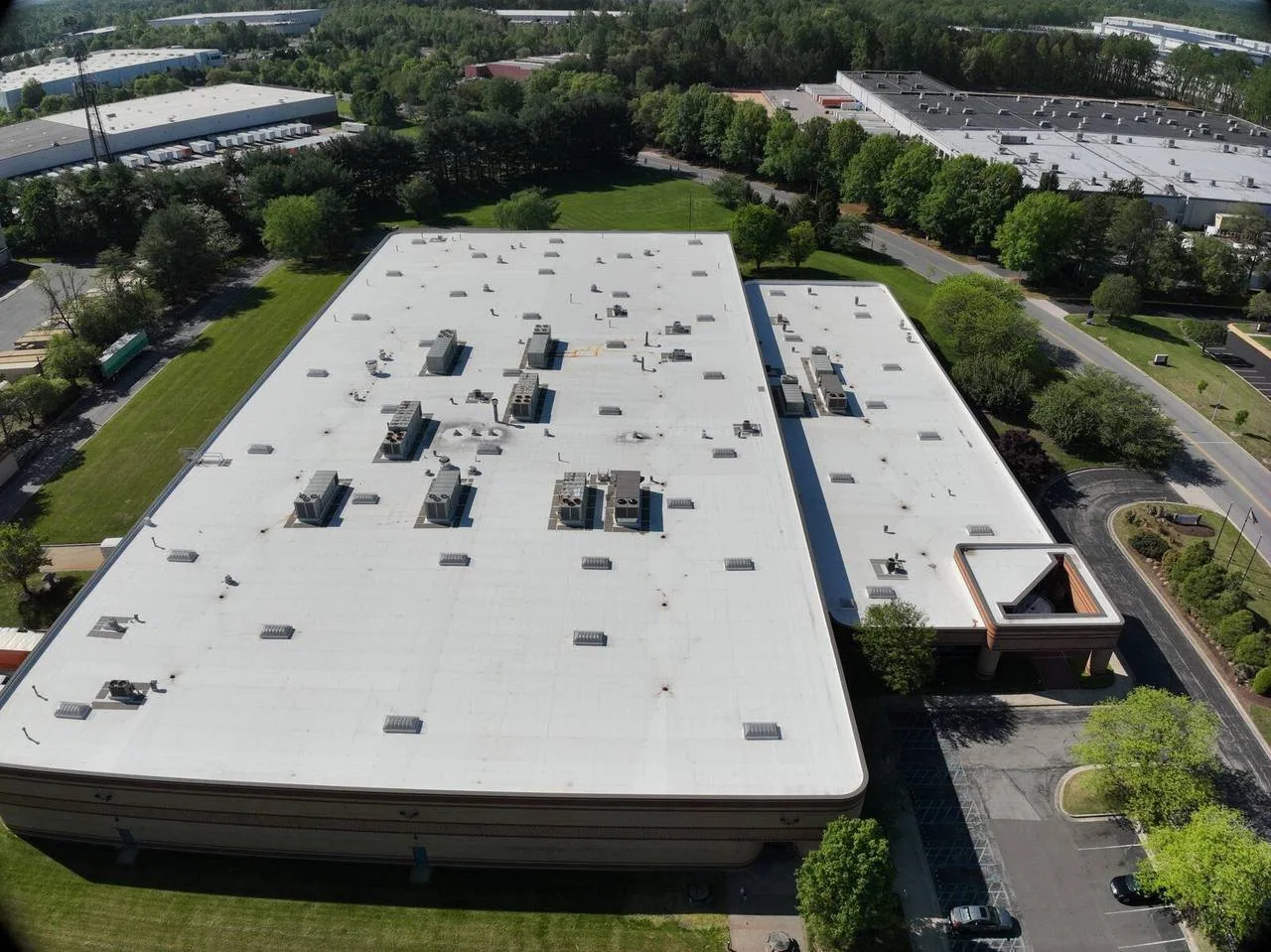
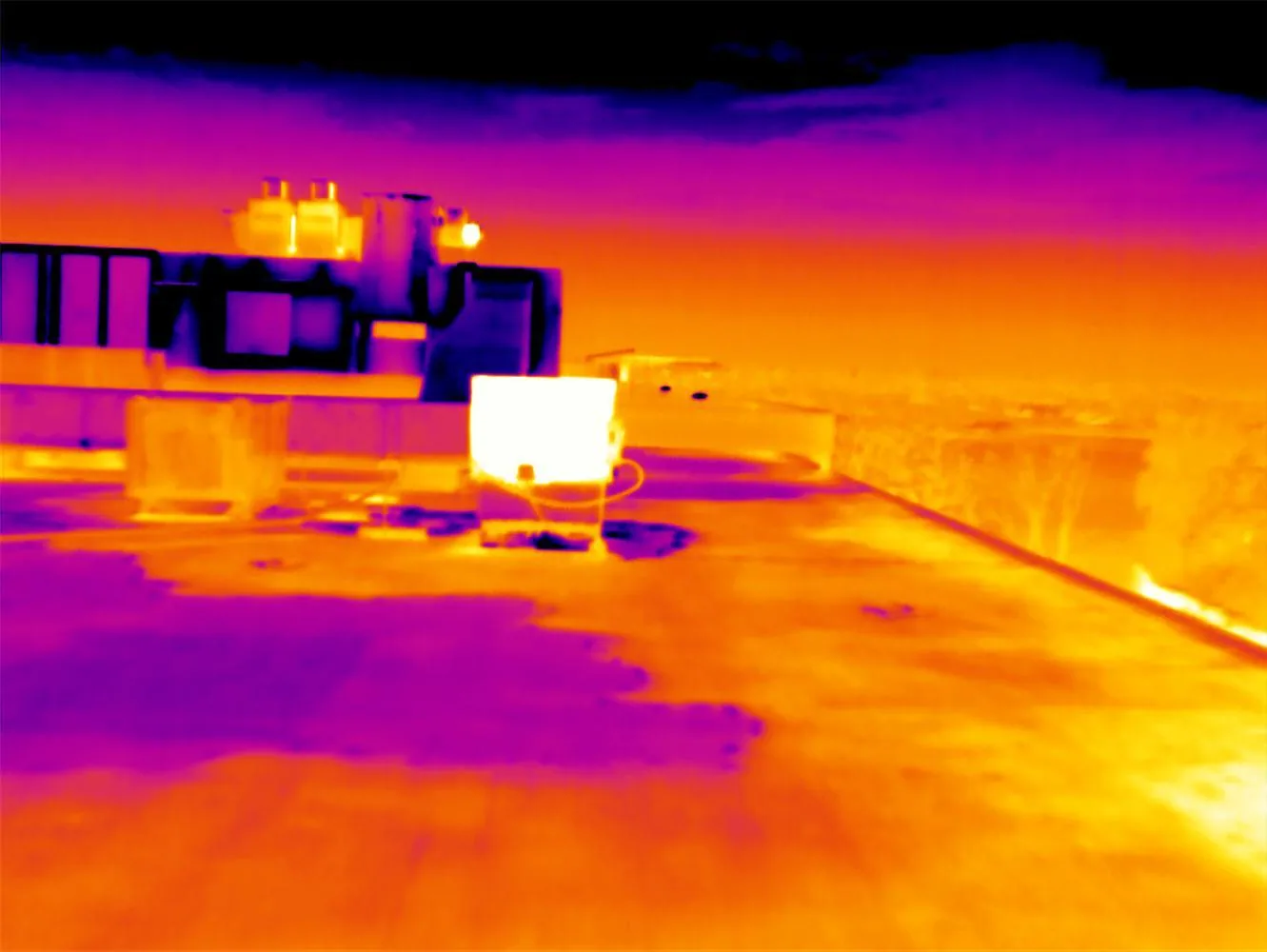
We inspect the field membrane, seams, penetrations, perimeter details, drains, and prior repairs. Blisters, open laps, loose flashing, soft insulation, and repeated patches can point to different problems. A coating may suit a roof with a sound substrate and repairable details; it is not a substitute for removing saturated insulation or correcting an unstable deck. We mark areas that need a test cut or moisture survey before setting a scope. The report separates what the crew saw from what remains concealed.
Roof records help identify the membrane and past work. TPO, PVC, EPDM, modified bitumen, built-up roofing, metal, and older coating layers need different primers and preparation. If the system is uncertain, we test a small area and confirm that the proposed coating adheres before planning full coverage. We also check whether the roof can carry another layer and whether existing layers already limit that option. The inspection record should show the roof zones examined and the reason restoration remains under consideration.
Prepare Seams and Flashings before Coating
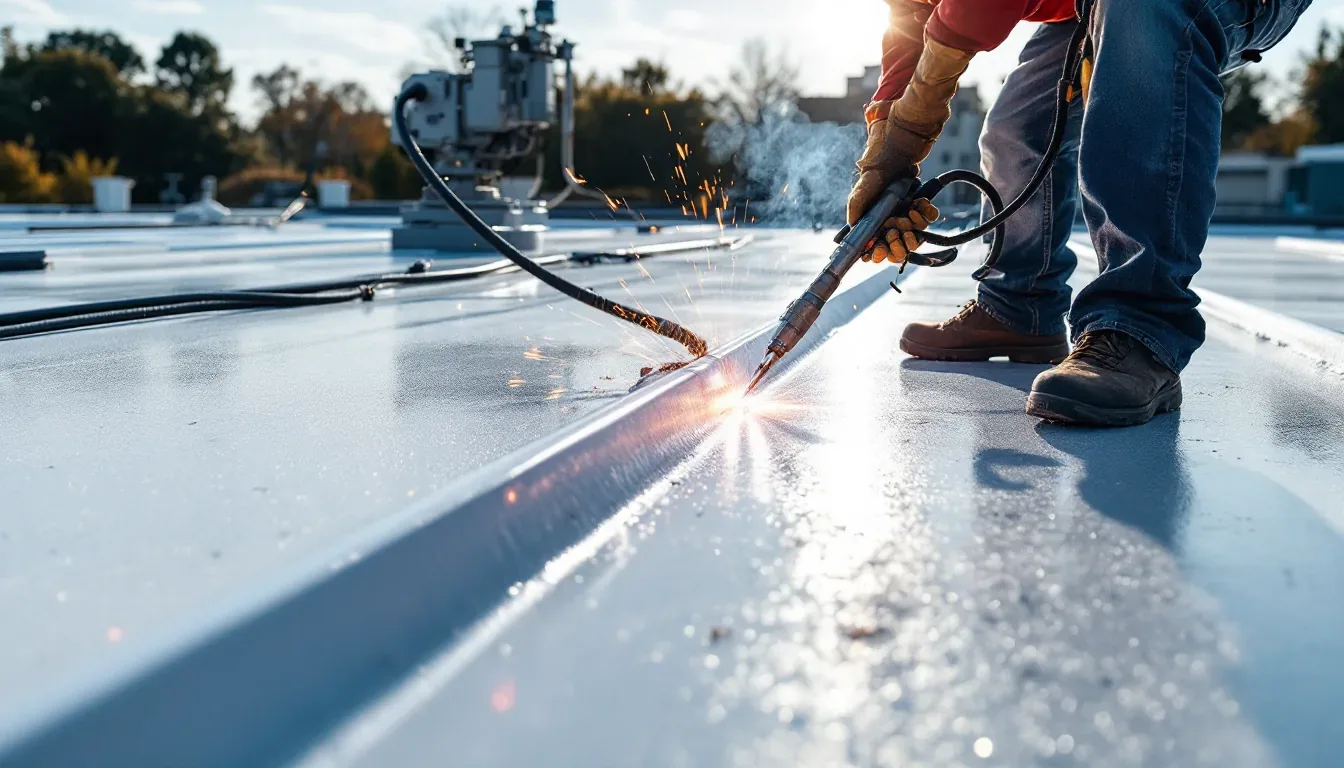
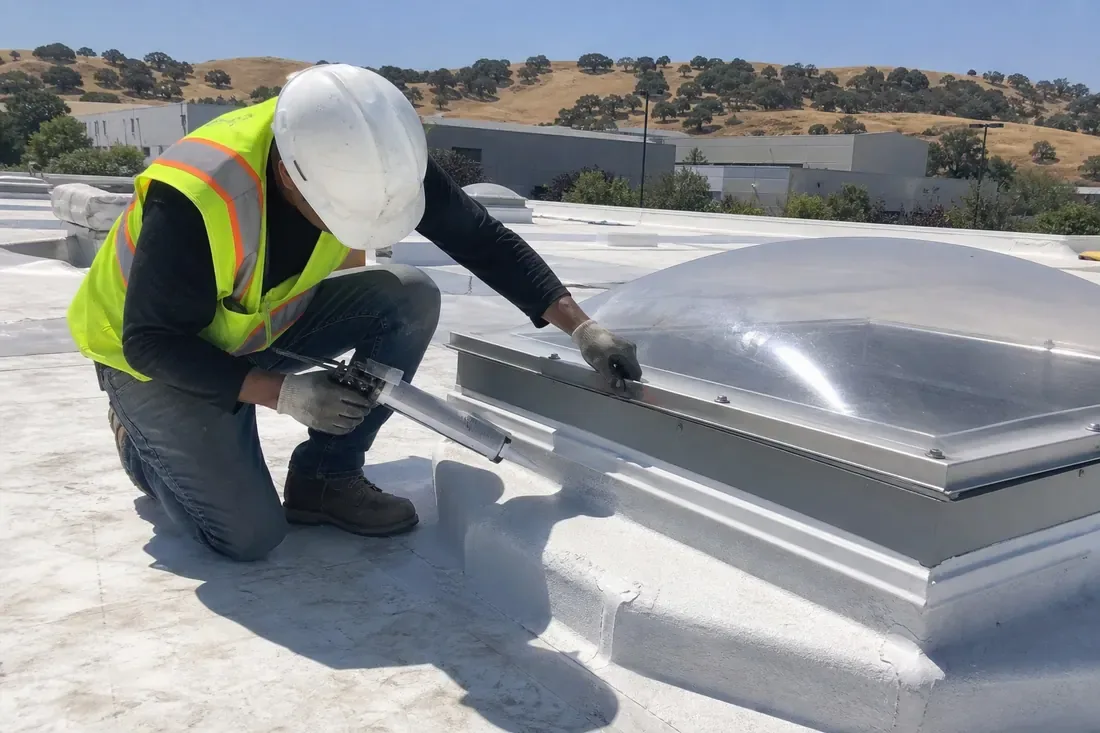
Loose seams, open penetrations, damaged edge metal, and ponding areas need repair before coating. We remove contaminants with a method suited to the membrane, make compatible repairs, and reinforce details where the system requires it. Coating over dirt, moving joints, or wet material can leave the failure in place and make later repairs harder to locate. A sample area confirms adhesion and coverage on the actual roof instead of relying only on a product description.
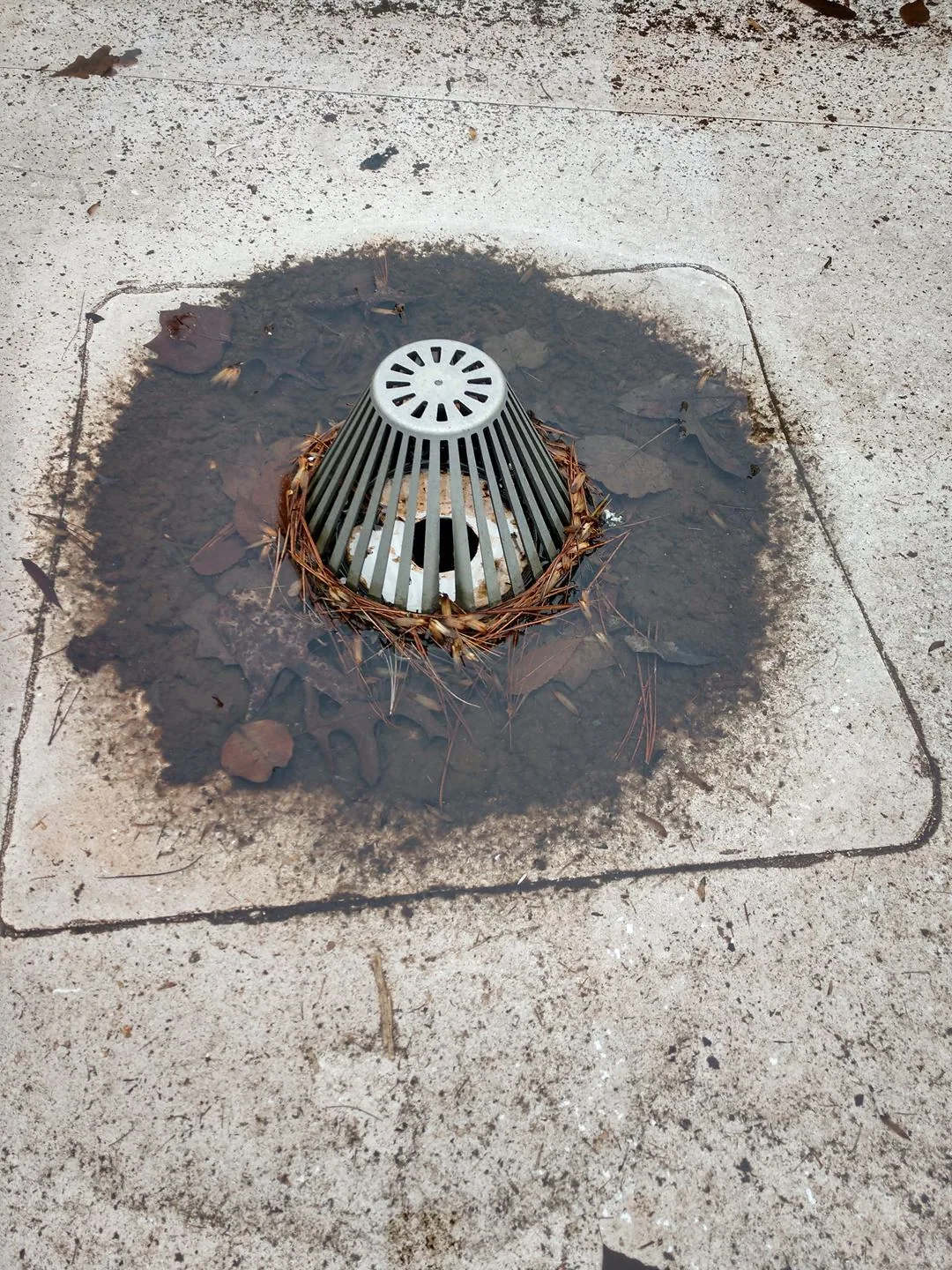
Drain bowls and scuppers stay clear of coating buildup. We check the outlet and overflow route, then protect openings while surface work proceeds. If water remains in a low area after the outlet is clear, the roof may need a drainage correction before restoration. Review drain and scupper conditions as part of the scope, and record which areas are excluded. Within the Mooney Boulevard Regional Retail Corridor, material staging should stay clear of customer paths and active entrances. We confirm the property’s actual hours and roof route with its manager before setting the work window.
Match the Coating to the Roof Assembly
Silicone and acrylic coatings do not behave the same way, and neither is a universal answer. We compare the roof material, slope, drainage, exposure, and compatibility requirements with the proposed product system. A manufacturer’s published application conditions and coverage requirements shape the work plan. We do not promise a service life or warranty term before the assembly, preparation, and product requirements are confirmed. The owner receives the specified system, repair limits, and exclusions in writing. Before full installation, we confirm the approved substrate, reinforcement details, and application sequence with the field conditions.
For a roof with sound insulation and a compatible membrane, a fluid-applied layer may offer a restoration path with less tear-out than replacement. If the roof has widespread wet insulation, recurring leaks, or failing attachment, the coating discussion may need to stop while we compare larger options. Thermoplastic sheets, rubber membranes, asphaltic assemblies, metal panels, and older liquid-applied layers each require their own preparation and tie-in method. A targeted repair may address a limited failure, while replacement planning may better fit a roof with broader damage. The distinction comes from tested conditions, not the appearance of a clean surface from the lot.
Set Application Timing around Heat and Rain
Visalia has frequent hot days and rain concentrated in the cooler months. That swing affects coating operations: our crew checks surface temperature and morning moisture, then matches the schedule to the product limits and forecast. A field that is ready at sunrise may be too warm later in the day, while overnight dew can delay preparation. We document conditions at the work area and stop if the substrate falls outside the specified range. If rain may arrive before cure, we choose another work window rather than leave a partially bonded surface.
Work near the Visalia Industrial Park may need coordination with truck routes, rooftop units, or active production areas. The park supports manufacturing, food processing, warehousing, and distribution, but each property’s operating rules must be confirmed with its manager. We agree on access, staging, odor controls where applicable, and protection for equipment before mobilizing. A daily work note records the areas coated and the conditions that affected application.
Compare Restoration with the Other Roof Options
Restoration costs depend on how much preparation and detail repair the assembly needs, whether wet materials must be removed, and how the building can be accessed. A low initial scope can become a poor choice if it leaves failed insulation or drainage unresolved. We map the tested area, explain repair quantities, and identify costs that cannot be established until an opening is approved. The owner can then compare restoration with a recover or tear-off using the same roof conditions and operating constraints.
At completion, we photograph the prepared details and coated sections, note the product system used, and record areas left outside the scope. The roof record should identify cure limitations or conditions that call for a return check. For the next dry-season review, a manager can compare the same seams and edge transitions rather than relying on memory. A broader roof capital plan can place the coating decision beside expected repairs, access needs, and other building work.
Commercial Roofing Questions
Will a coating fix a roof with wet insulation?
No. Wet insulation must be located and its limits understood before restoration is selected. We use the inspection evidence and, when needed, an approved test opening to separate dry material from affected areas. A coating can cover a compatible, prepared surface; it does not remove moisture below it.
How do you know the coating will adhere?
We identify the membrane, prepare a sample area, and test compatibility and adhesion against the proposed system requirements. If the roof has an unknown coating or contamination, that check can change the primer or scope. The report records the test location and result before full application is planned.
Can you coat a roof that holds water?
First we check the drain, overflow, low areas, and roof slope. A blocked outlet may need cleaning, while persistent ponding can indicate a depression or drainage issue. We address the cause where it is within scope before coating, and identify any separate correction the roof needs.
What affects the work schedule in Visalia?
Surface temperature, moisture, rain timing, access, and the product’s application limits all matter. We check those conditions before starting each area and coordinate staging around the building’s operations. If the surface cannot accept the material or rain could arrive before cure, we move the work window.
How will I compare coating with replacement?
We document repair quantities, wet areas, detail conditions, access, and any unknown deck work. Those findings show whether restoration can address a sound assembly or leave a larger failure underneath. We can then present coating, recover, and tear-off scopes with their distinct preparation and disruption requirements. The tested section and exclusions stay in writing.