
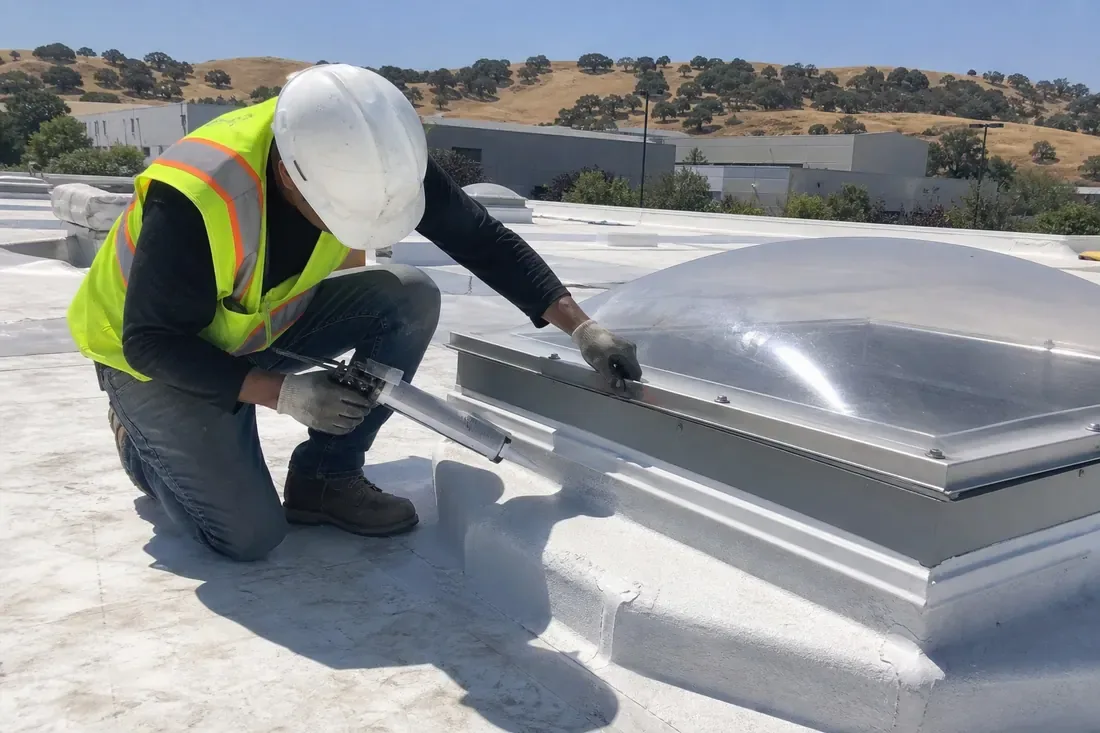
Commercial Skylight and Penetration Flashing in Visalia, CA
Commercial Roofing Services | Visalia and Tulare County
Commercial Skylight and Penetration Flashing
A ceiling mark below a skylight curb can come from the glazing, its frame, the curb flashing, or a roof detail nearby. We check each connection before opening the assembly. Visalia’s long warm season puts heat on exposed sealants and flashing transitions, while seasonal rain tests the roof-to-curb connection. A warehouse in the Visalia Industrial Park may have several rooftop penetrations and restricted production access. A mixed-use building in Downtown Visalia may need an interior work window. The repair follows the tested condition at that building.
Separate the Curb from the Skylight Unit
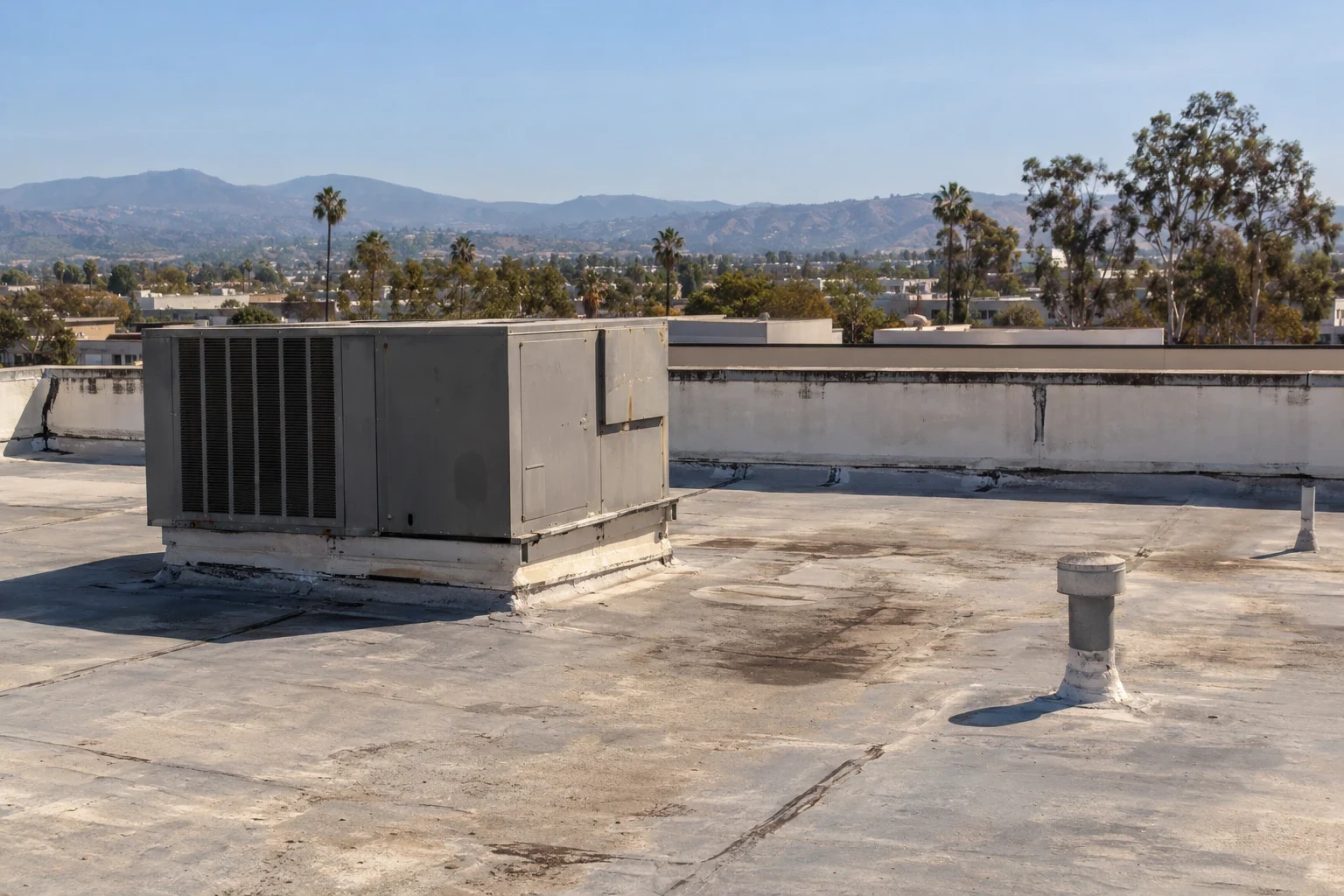
We look for open curb flashing, cracked sealant, loose counterflashing, damaged membrane, and water trails on the inside face. The glazing frame and roof curb are separate parts of the assembly; a leak can begin at either one. We photograph the condition from safe roof access and compare it with the interior report. If the stain appears beside the unit rather than below it, we inspect adjacent seams and penetrations before assigning a cause.
A test opening can show whether insulation around the curb is wet or whether the deck needs a closer look. We mark the location, explain what the opening can confirm, and request approval before cutting. If the skylight itself is cracked or the frame has failed, that may call for glazing work separate from the roof flashing. The scope identifies which component was inspected and where another trade may need to evaluate the unit.
Rebuild the Flashing at a Roof Curb
A curb needs a continuous connection from the field membrane up its sides and into the termination detail. We identify the roof system before choosing flashing materials or seam methods. TPO, PVC, EPDM, modified bitumen, and built-up assemblies do not share one repair method. Loose base flashing, a failed corner, or a cut that leaves an open path calls for a repair that ties into sound material rather than a surface bead placed over the symptom.
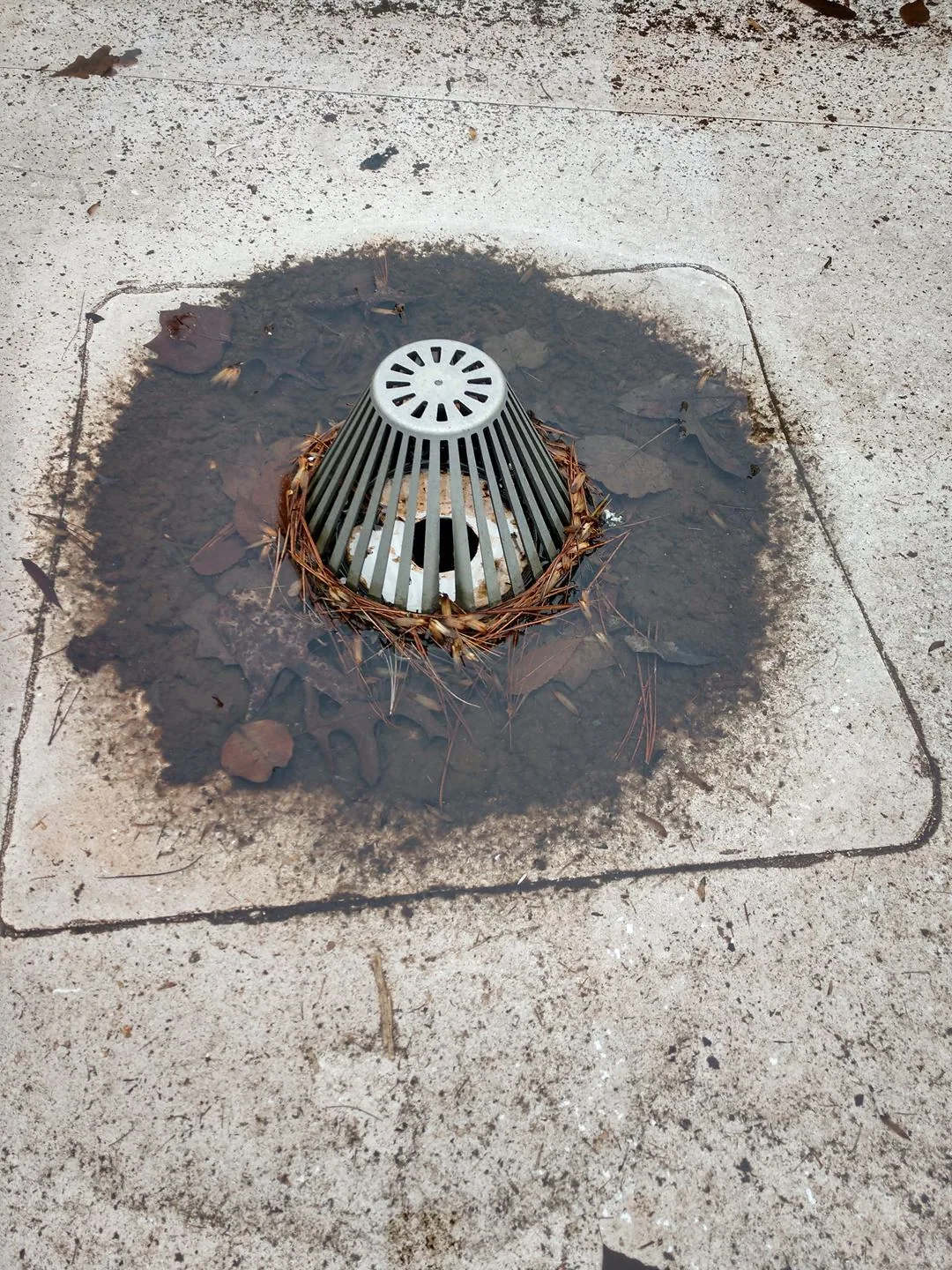
We check curb height, nearby equipment support, and whether water can drain away from the unit. If a curb sits in a low area, the repair may need to include a cricket or drainage correction. The report keeps that question separate from the flashing itself. A manager can review the repair boundary with the photos and see whether the work includes only the curb or a wider roof section.
At corners, we check whether the flashing is fully bonded or mechanically secured as the system requires. A sharp turn can leave a void if the material was cut too close, while a loose top termination can let water pass behind an otherwise intact curb. We show those transitions in the photo record and identify any counterflashing or blocking that needs separate attention. The repair is not complete until the membrane-to-curb tie-in and its upper termination are both addressed.
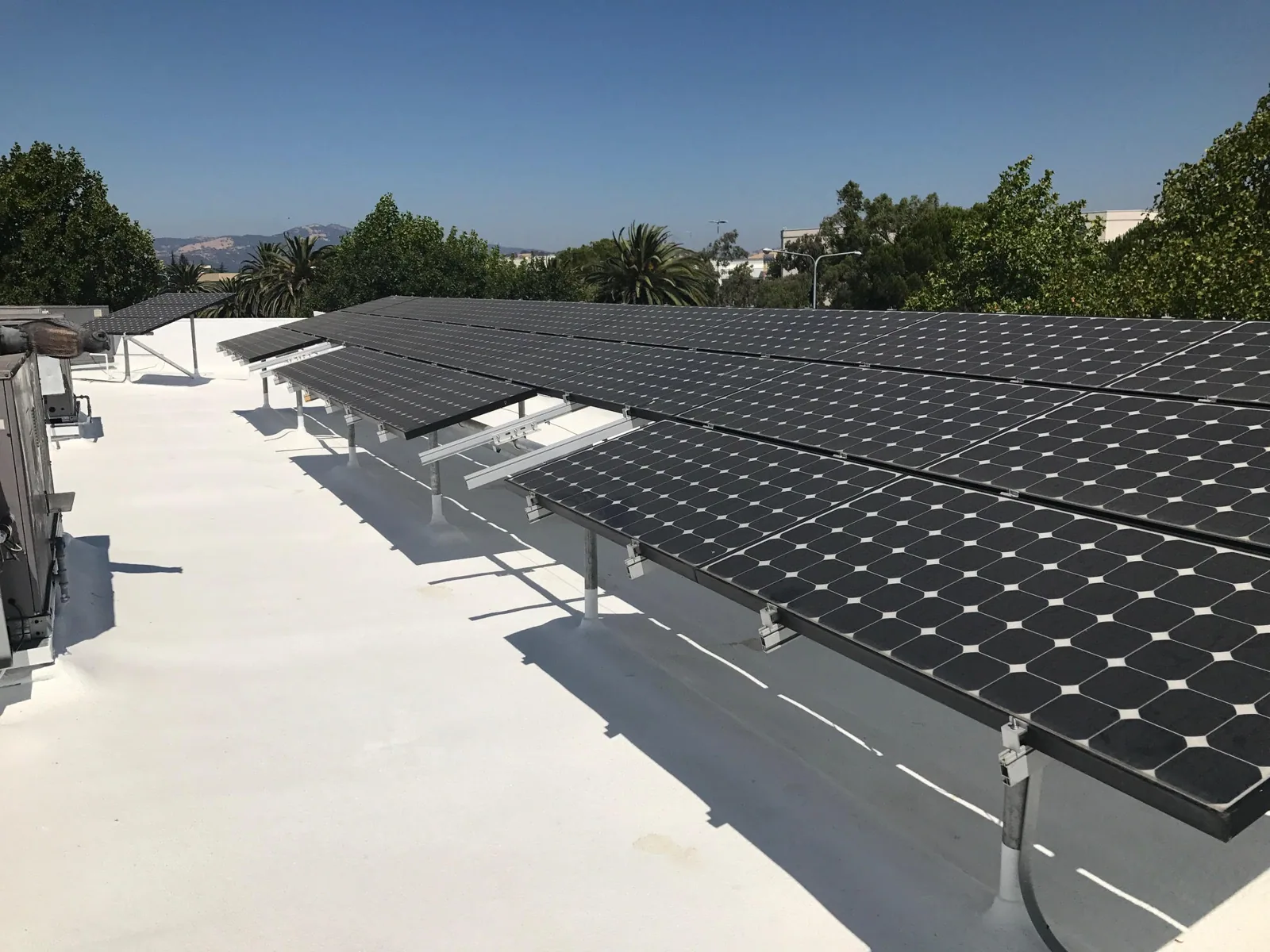
Seal Pipe and Equipment Penetrations Correctly
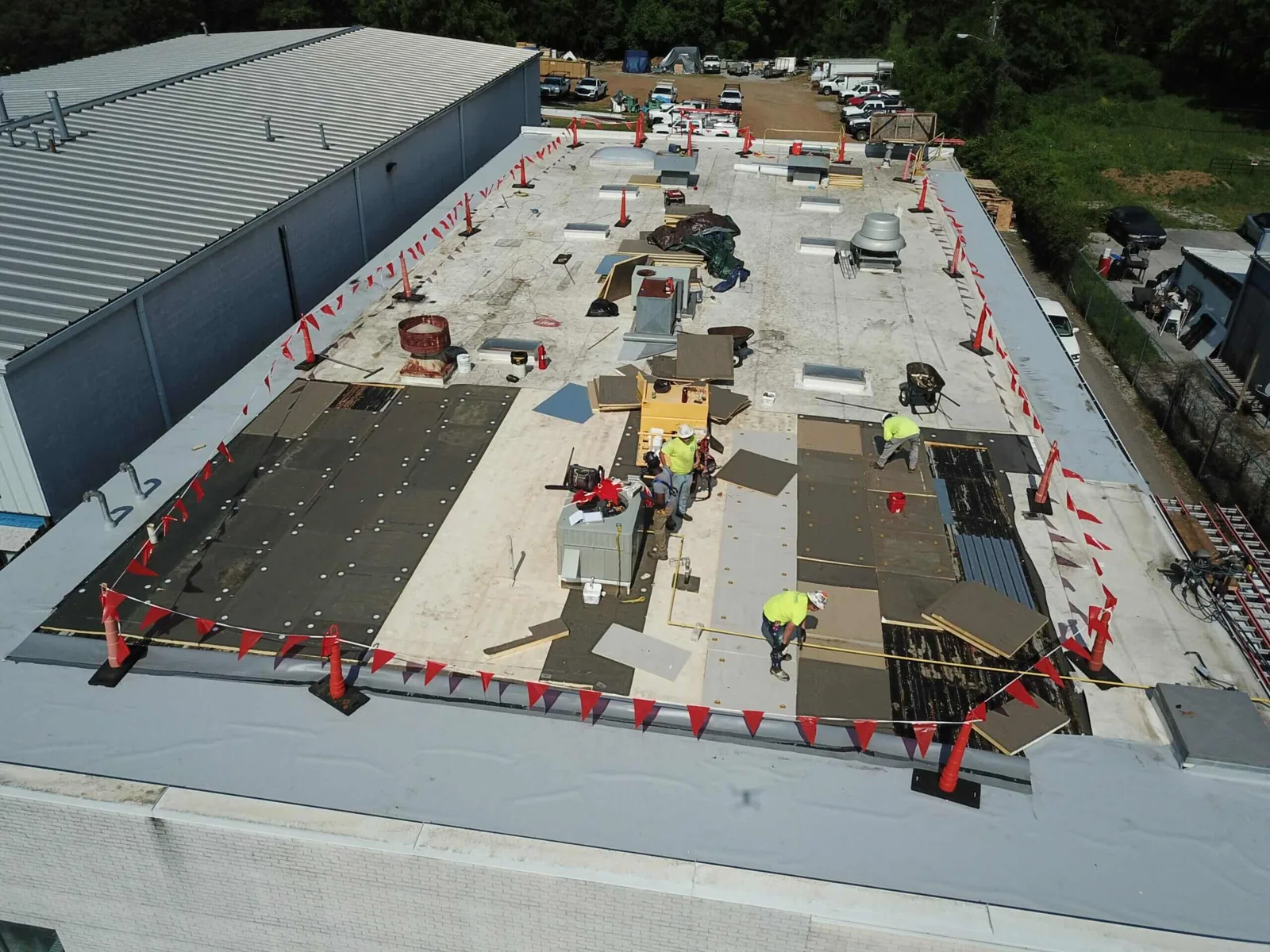
A pipe boot, conduit, or equipment support can leak where its flashing meets the field membrane or where movement has opened a seam. We check the boot, clamp, sealant, fasteners, and support condition. If the pipe moves or lacks secure support, replacing the boot alone may leave the same strain on the new detail. We coordinate with the responsible trade where a mechanical adjustment is needed, then complete the roofing transition once the penetration is stable.
Small groups of conduit often need a fabricated curb or compatible flashing detail instead of several sealant beads. We identify the spacing, roof material, and access required before writing the repair. The Visalia Industrial Park business mix includes manufacturing, food processing, distribution, and logistics. Those operations can affect access around rooftop equipment, but we confirm the specific building’s safety and shutdown rules with its manager. A photo record shows which penetrations were addressed and which remain outside the scope.
Schedule the Repair for Surface Conditions
Visalia’s warm season brings repeated days above 90 degrees, while rainfall clusters in late fall and winter. That contrast matters for skylight work: the curb, membrane, and sealant need a clean, dry application window. We check the selected product’s limits and the forecast, then set a return visit if the roof is wet or surface conditions could affect the repair. Heat exposure also informs crew timing and protection for the interior below.
We protect the interior and nearby equipment before removing failed flashing. If the roof cannot be closed permanently during the first visit, we describe the temporary protection and the return condition required for a lasting repair. Access to the space below may need an escort or tenant notice. The schedule identifies the unit, roof zone, and interior area so the property manager can coordinate people and equipment without treating all rooftop work as interchangeable.
Sealant should be applied within its specified temperature range, with enough time for the joint to cure before rain or cleaning. We check the product instructions and roof surface rather than infer conditions from the citywide climate normal. If a unit must be shut down or protected during the work, that coordination belongs in the schedule. A written window gives occupants and maintenance staff a clear point to plan around.
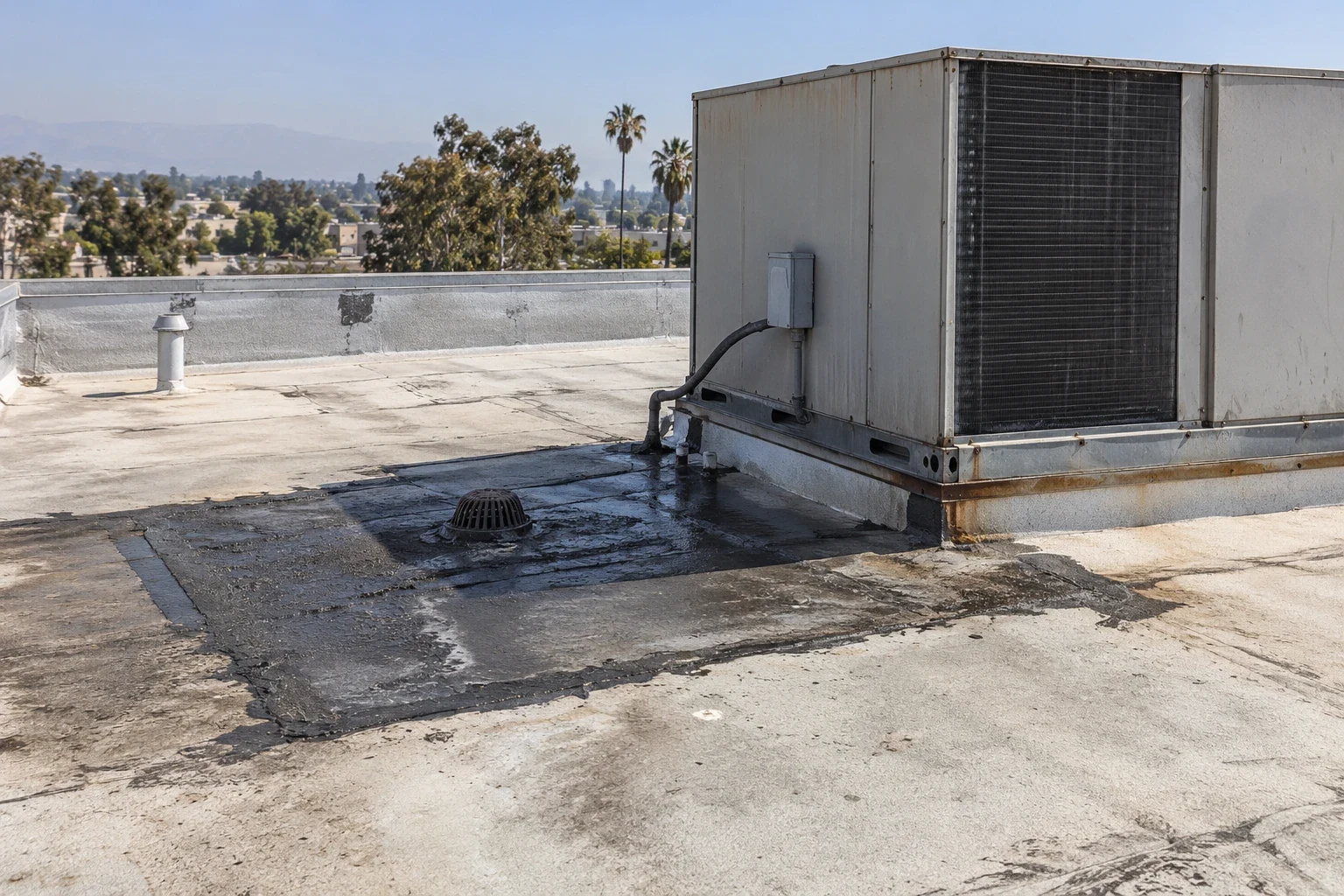
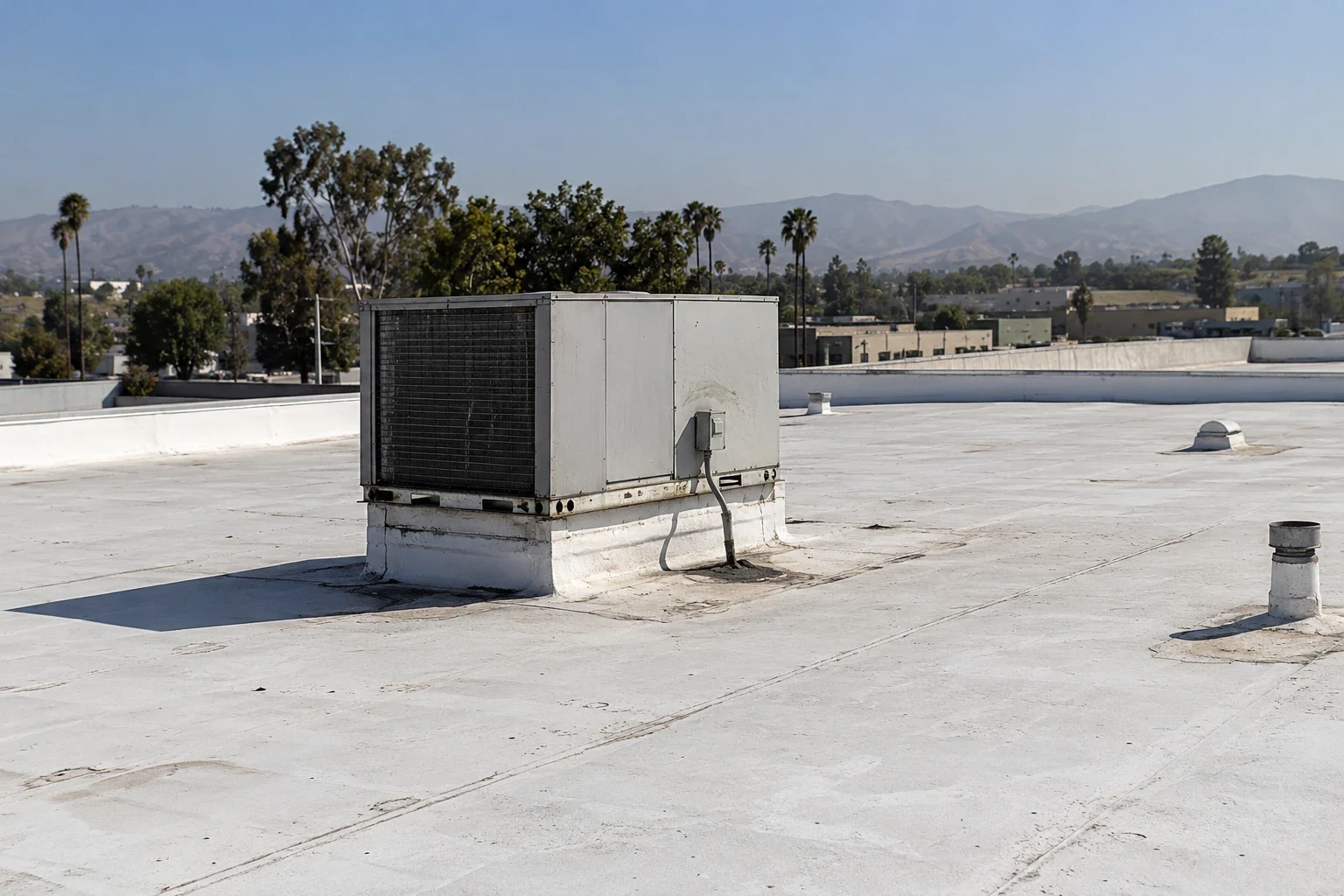
Leave a Record for the Next Roof Walk
After the flashing is repaired, we photograph the curb corners, membrane tie-in, and any adjacent condition that remains open. The note describes the materials used, test area, and limits of the work. If water enters again, the manager can compare the new report with the roof zone we closed. A separate claim record can include these photos and repair notes, while a roof inspection can map other details that need review.
For repeated leaks around several units, we look at the pattern before assuming each one has the same cause. A maintenance plan can track exposed sealant movement and curb condition after the hot season. Where drainage is part of the problem, drain and scupper review may clarify why water reaches a curb. The final record keeps observed conditions, completed repairs, and recommended follow-up distinct.
Commercial Roofing Questions
How do you find whether a skylight or curb is leaking?
We compare the interior report with the glazing frame, curb flashing, nearby membrane, and roof details. Photos and a controlled test opening can help separate those components. The report identifies what was inspected and where another trade may need to evaluate the skylight unit.
Can you repair flashing without replacing the skylight?
Yes, if the unit and curb remain serviceable and the leak is at the roof transition. We inspect the frame, curb, and membrane tie-in before setting the scope. A failed glazing component is listed separately so roof flashing work does not imply a window repair.
What if several pipes share one roof opening?
We check spacing, support, and the flashing condition before choosing a detail. Several closely spaced conduits may need a curb or fabricated flashing rather than separate sealant beads. Any support change is coordinated with the responsible trade before we close the roof connection.
Do you need to cut open the roof?
Not for every inspection. We begin with visible conditions and use a test opening only when concealed insulation or deck condition changes the repair decision. We identify the location and reason, obtain approval, and close the opening within the agreed scope.
How will the repair be documented?
We photograph the curb or penetration, note the membrane connection and materials, and define the area repaired. The record also identifies nearby details that were not included. That gives the manager a reference if the interior report changes after rain.