
Roof Insurance Claim Documentation in Visalia, CA
Commercial Roofing Services | Visalia and Tulare County
Roof Insurance Claim Documentation
A useful claim record ties each labeled roof photo to the zone inspected and the condition visible there. We inspect the reported area, mark the related roof details, and prepare notes that distinguish observed damage from an untested cause. Visalia’s wet months are concentrated from late fall through early spring, but seasonal timing alone does not establish why a roof leaked. A production building in the Visalia Industrial Park and a professional office in Downtown Visalia may need different access coordination. The documentation should stay specific to the building and the work performed.
Separate Roof Findings from Coverage Questions
We can document the roof assembly, visible conditions, test locations, and repair boundary. We do not decide whether a carrier will accept a claim or how coverage applies. The property owner or its representative manages that discussion with the insurer. Our report can give that conversation clear technical information: what was damaged, where it was found, what was repaired, and which conditions need more testing.
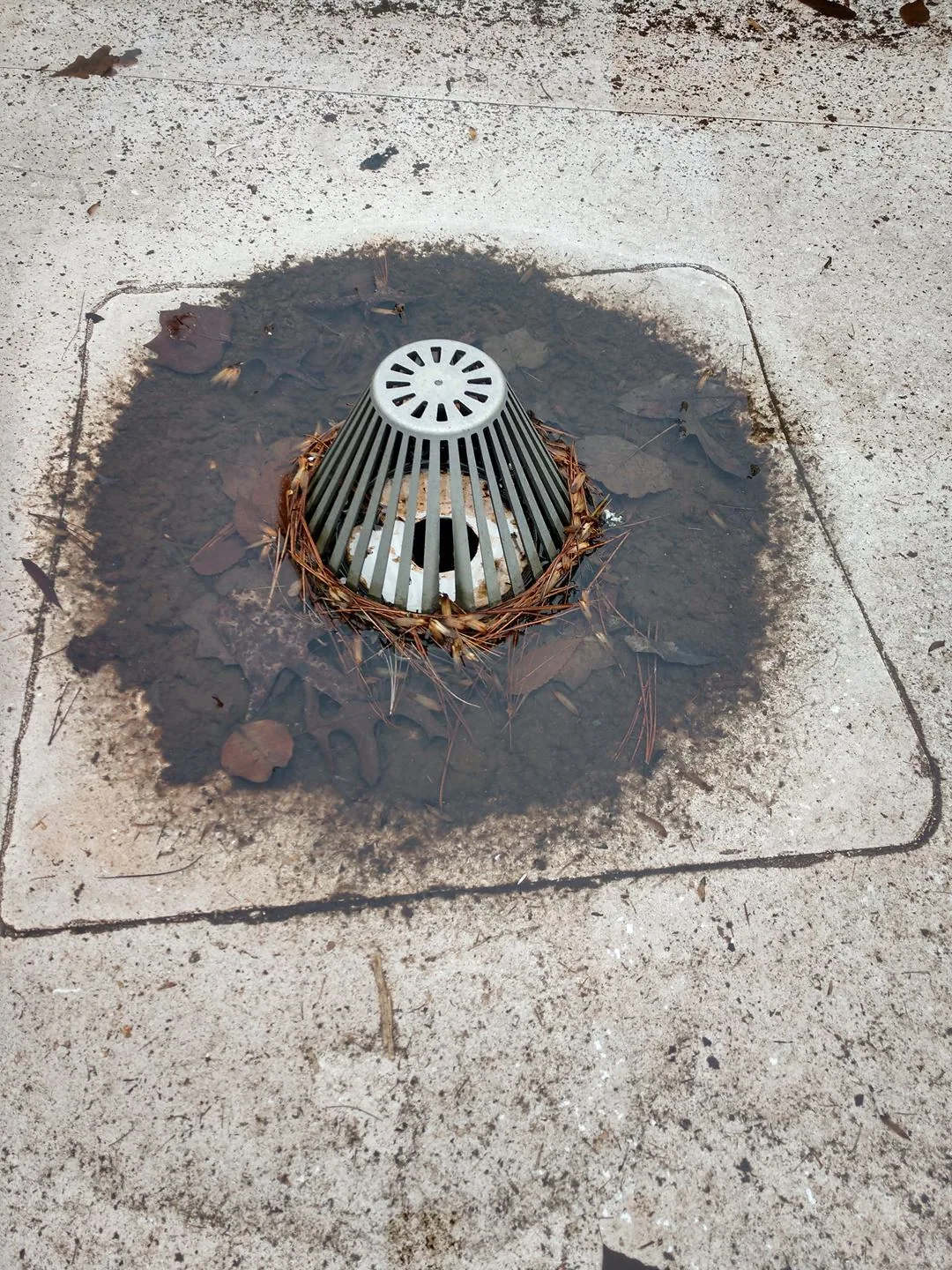
The first visit starts with the reported timing, interior impact, recent maintenance, and roof records. We compare those details against seams, penetrations, edge metal, drains, and earlier patches. Water can move beneath the membrane before reaching the interior, so we mark the path that evidence supports and label areas that remain uncertain. A dated photo should show enough surrounding context to identify the roof zone, not only a close-up that loses location.
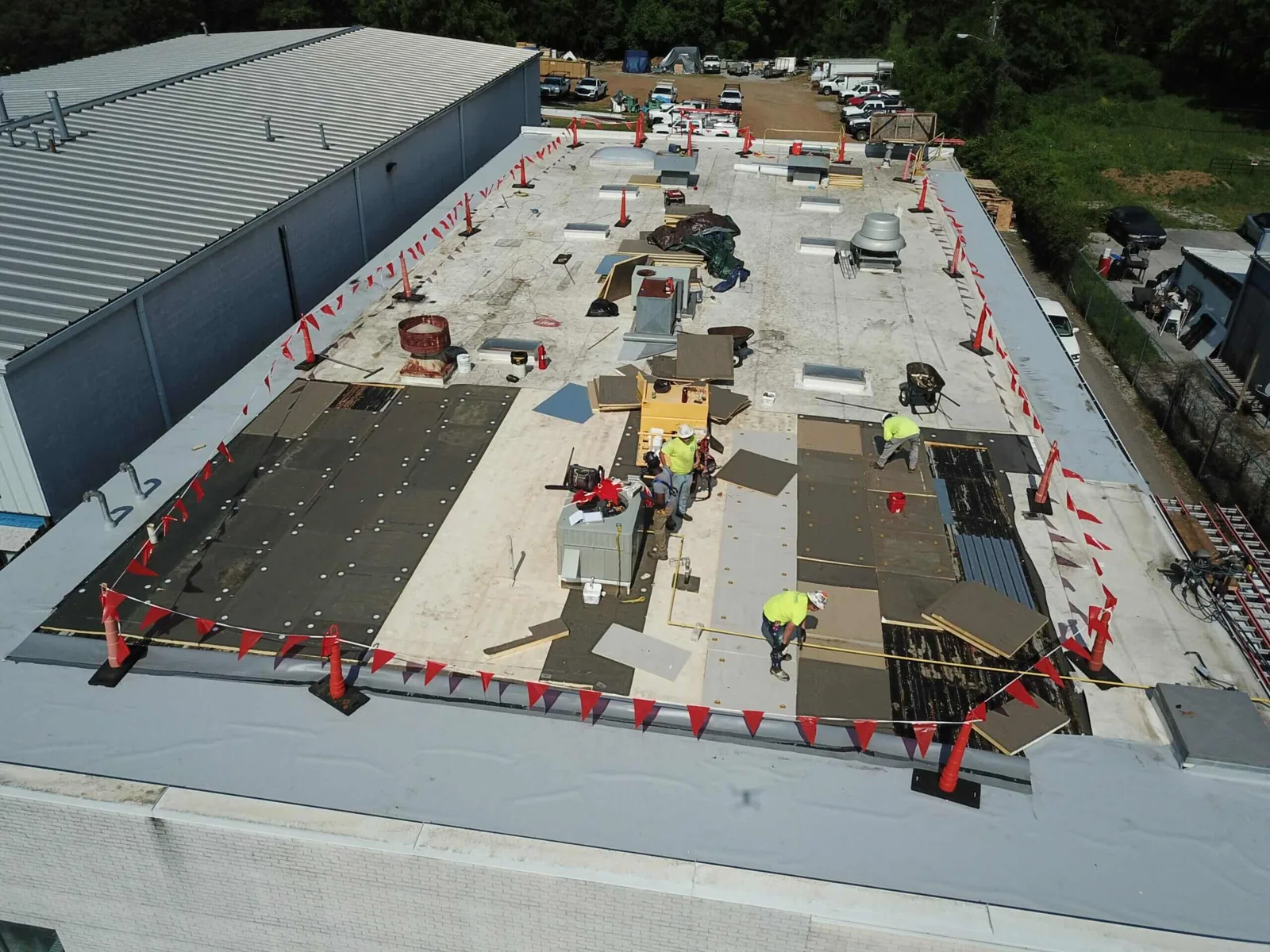
Before work starts, we can separate emergency protection, investigation, and permanent repair as distinct tasks. That matters when a property manager must preserve an active interior while gathering information. Each line of the scope names its location, material, and approval point. If a test opening reveals more wet insulation than expected, the crew documents the added condition and pauses for direction instead of treating concealed work as already authorized. The resulting file lets the owner compare the inspected condition with the work performed and the invoice, without blending them into one broad claim statement.
Build a Photo Record the Manager Can Use
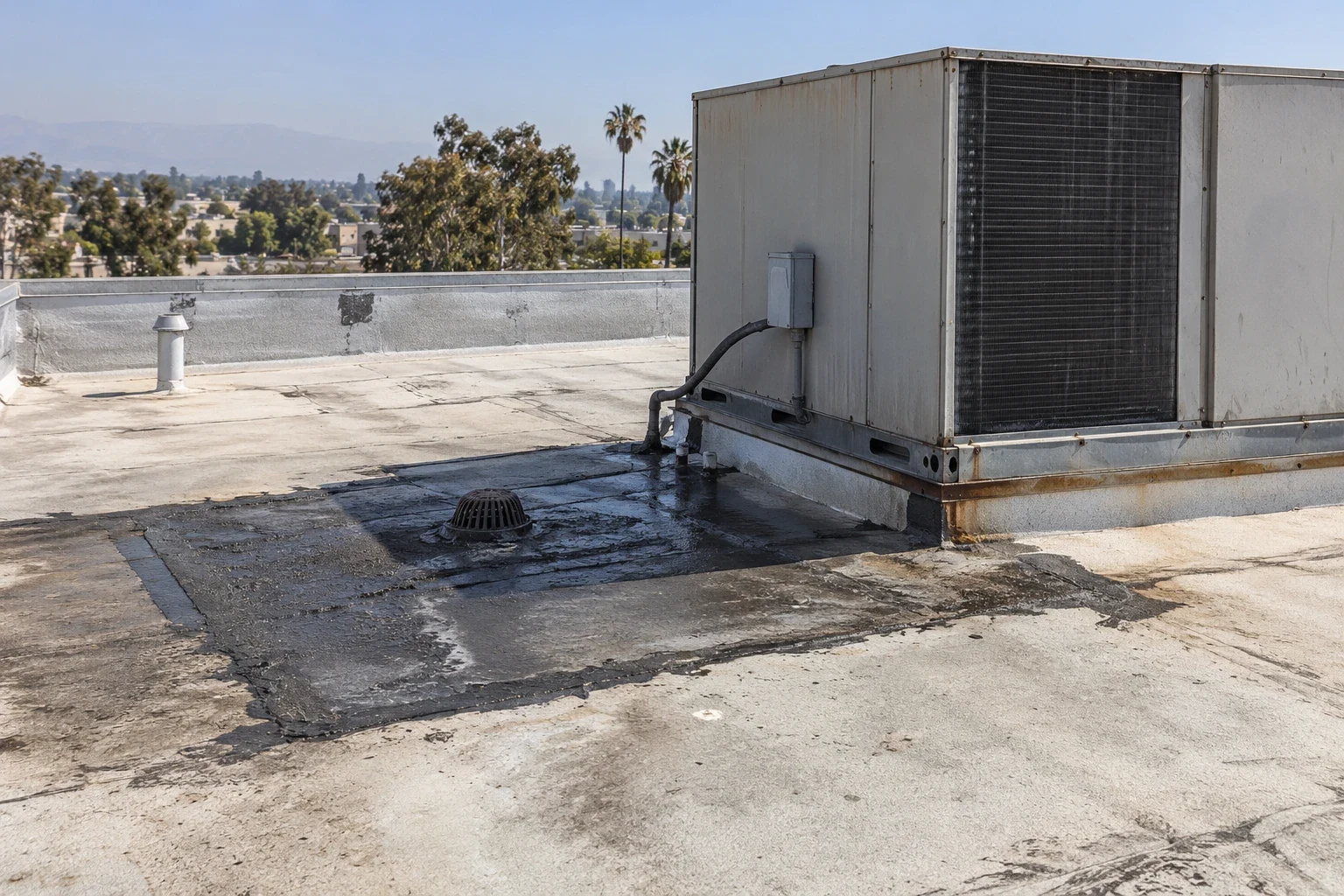
Each image should connect to a short note: roof zone, visible condition, date, and whether a test was performed. We include overview photos, detail views, and a roof plan or sketch when available. If an opening reveals wet insulation or a deck condition, we record the boundary and close the area under the approved scope. Photos do not replace measurements or testing, but they help explain what the crew saw and where.
For a retail or healthcare-use property near the Court and Paradise medical-commercial district, interior protection and access timing may affect the inspection sequence. In the Industrial Park, production and warehouse operations may control how equipment and materials reach the roof. We confirm those rules with the manager before moving through occupied areas. The completed file notes any access limit that prevented a full view, so an uninspected section is not presented as a sound section.
Describe the Work without Expanding the Evidence
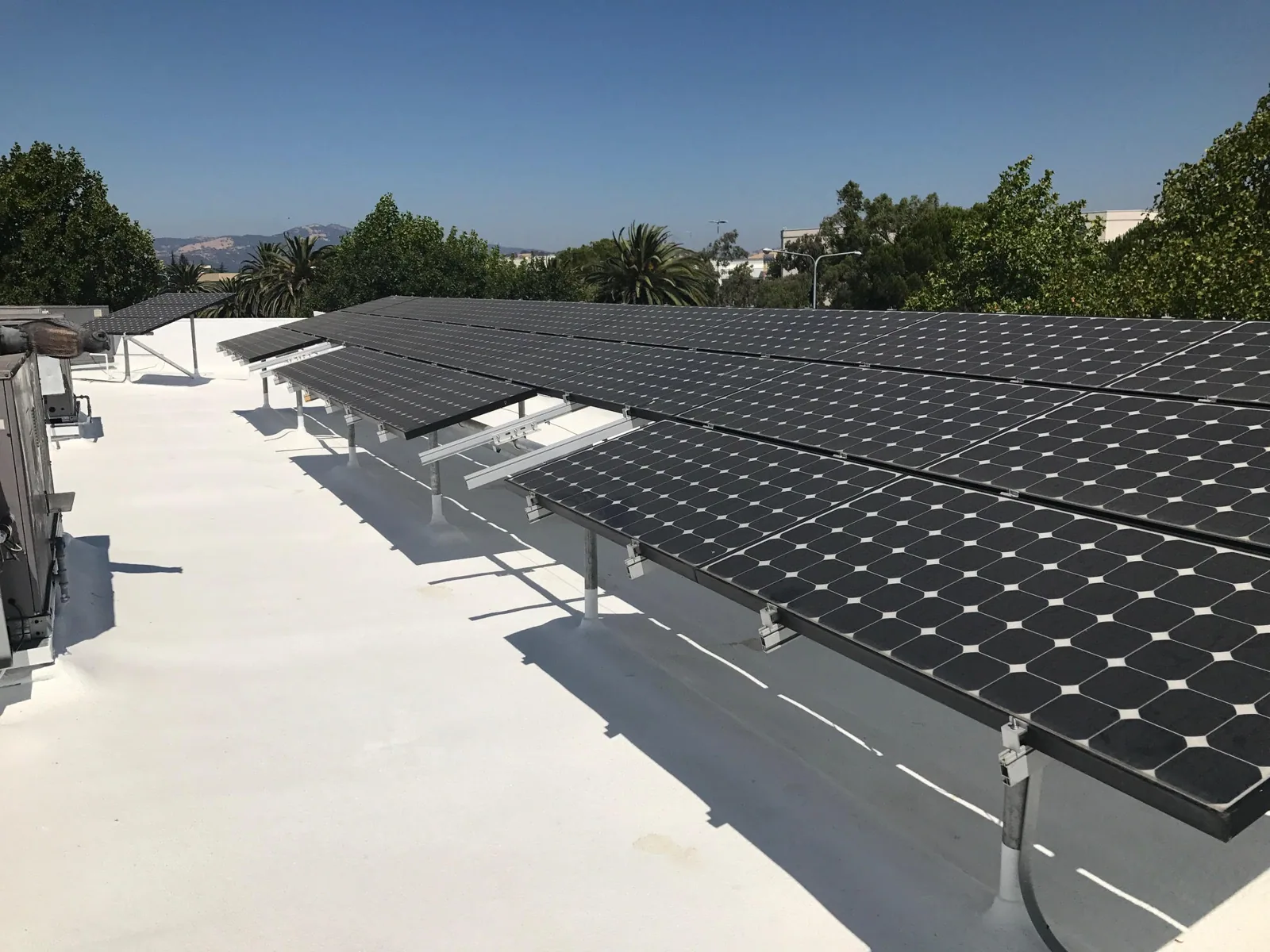
A repair estimate should trace back to a documented condition. We list the affected details, material removal, compatible replacement materials, and transition into sound roof. Where quantities depend on concealed damage, we identify the approval point before work proceeds. A limited opening near a drain does not establish the condition of every roof bay. The file separates confirmed work from contingencies and states what remains outside the repair boundary.
If the roof includes more than one membrane or prior coating, we identify what is visible and note any uncertainty in system type. A commercial roof inspection can map conditions beyond the reported area. A storm-related repair visit can document protection and corrective work, while general repair addresses a tested detail. These scopes support the technical record; they do not promise an insurer’s decision.
Keep Dates and Temporary Measures Straight
Claim documentation benefits from a simple sequence: when the leak was reported, when the inspection occurred, what temporary protection was installed, and when permanent work was completed. We note roof and interior conditions at each visit. If rain occurs between inspection and repair, the manager should log any new water entry and affected room so the crew can compare the report with the roof area again.
Visalia averages 10.32 inches of annual precipitation in the Visalia 1991-2020 normals, with most monthly rainfall in late fall through early spring. That seasonal pattern can affect roof access, drying, and material application. We record weather conditions relevant to the work window, but do not turn a climate average into proof of a particular event. A clear timeline helps the owner and carrier review the sequence while keeping technical findings within the limits of what the crew inspected.
Deliver a File with Clear Limits
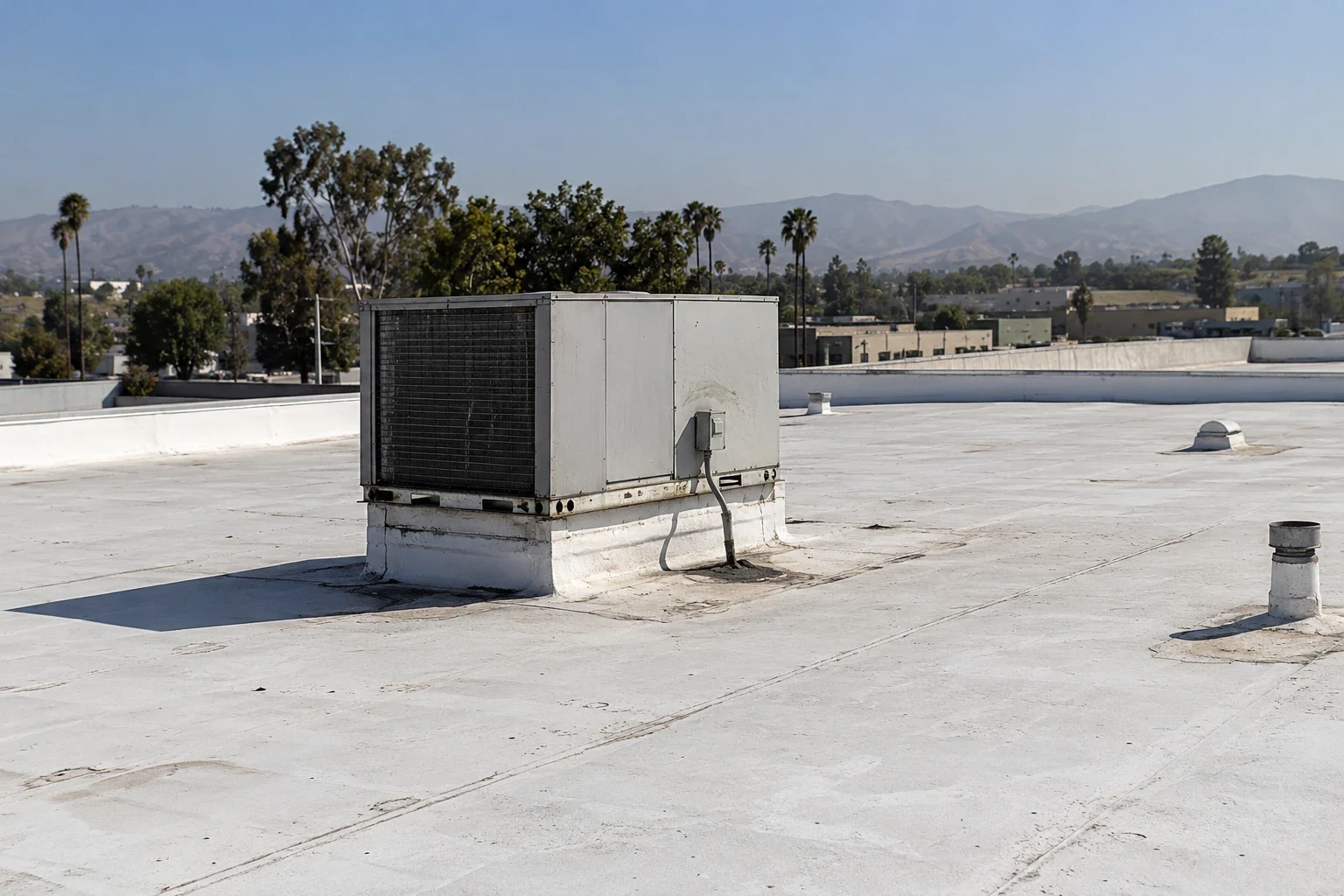
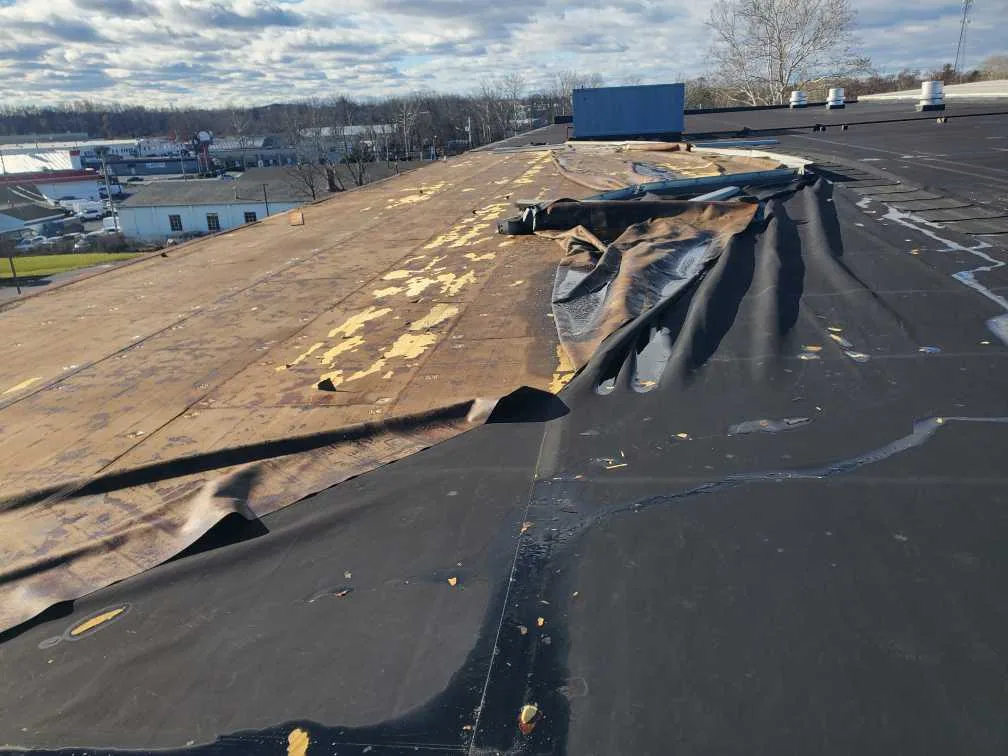
The handoff can include the inspection notes, labeled photos, repair scope, invoices for completed work, and any follow-up item. We identify the material used and areas addressed without describing unrelated roof sections as inspected. If additional testing is recommended, the report explains what question the test would answer and where it would occur. The owner can then decide whether to authorize that step or submit the current record for review.
For ongoing property records, keep this file with prior maintenance visits and roof plans. A condition report can help compare repair history with future capital work. For systems with exposed transitions, edge metal and gutter details may be recorded separately from membrane work. A drainage scope should identify the outlet and overflow route examined. Clear limits make it easier to understand what the documentation says and what still needs inspection. A manager can also note who approved each added task and when the crew received that direction, which keeps later review tied to the correct version of the work scope.
Commercial Roofing Questions
Will your report tell me whether insurance will pay?
No. We provide roofing observations, photos, test findings, and a repair scope. Coverage decisions belong to the insurer and policyholder. Our role is to keep the technical record tied to inspected locations and completed work, without predicting how a claim will be decided.
What should be in a roof claim photo set?
Use overview and close-up images that identify the roof zone, visible condition, and date. We can label photos with a roof plan or sketch and add notes on testing, temporary protection, and repair limits. That context makes an image more useful than a detail shot without location.
Can you document damage before repairs begin?
Yes. We can record visible conditions and identify the areas that need immediate protection or further testing. If water entry is active, safety and interior protection may come first. We note any temporary work and return to document permanent repairs once the surface and access conditions allow. The property file keeps each visit in sequence.
What if damage is hidden below the membrane?
We identify the suspected area and explain what an approved test opening could establish. Once open, the crew records the insulation and deck condition and the limits of the tested area. Concealed conditions outside that opening remain unconfirmed until separate inspection supports a conclusion. The manager receives the photos with the location marked.
Can the documentation include completed repairs?
Completed work can be recorded with the affected detail, materials removed and installed, and photos of the finished boundary. The file also identifies exclusions and recommended follow-up. That keeps the repair record connected to the inspected condition without extending the finding to untested roof sections.