

Roofing in Exeter Highway Commercial District, Exeter, CA
Service Areas | Visalia and Tulare County
Exeter Highway Commercial District
A roof over a restaurant, service station, or hotel has different interruptions than a warehouse roof. Exeter’s Highway Commercial zoning district permits those kinds of businesses, so a repair plan has to account for customer access, deliveries, equipment, and the hours the property stays active. The City’s zoning map shows multiple CH parcels rather than one single property. For broader work in commercial roofing in Exeter, the specific parcel and roof assembly still decide the visit. We begin with the specific building, the reported water entry, and the roof areas that can be reached safely. Exeter includes service-commercial uses west of the original townsite and in some industrial parks. Site plans help before a crew arrives. A walk traces the water path, edge detail, and drain bowl, separating an opening from wet insulation or a larger assembly problem.
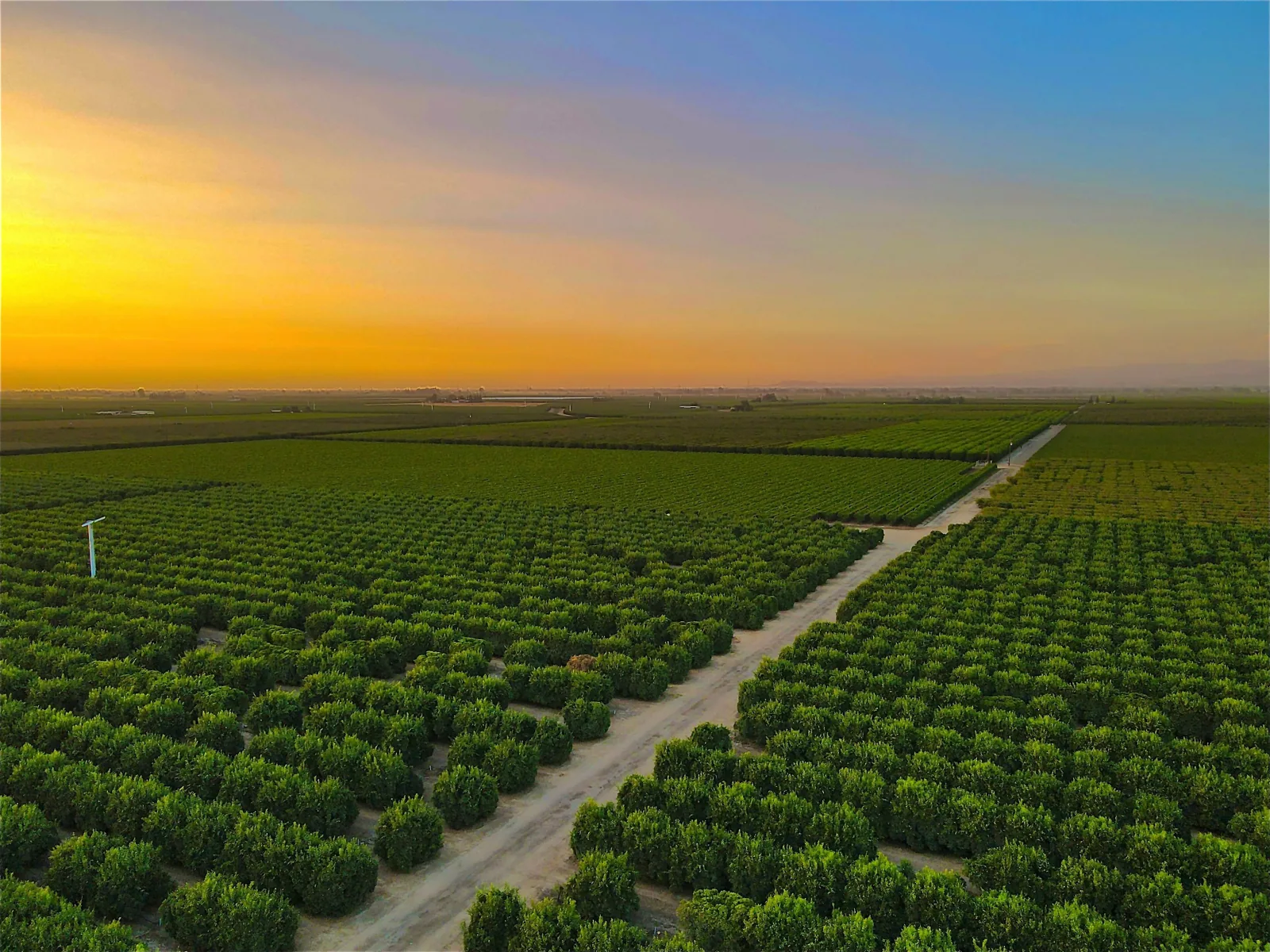

Read the roof line
On a low-slope roof, the first useful check is not a broad look across the membrane. We follow the reported leak toward a seam, curb, wall transition, drain, or previous repair. Water can travel below the surface before it marks a ceiling, so the stain alone does not set the repair boundary. We note what is sound, what has moved, and where another test would change the scope. For a restaurant or lodging property, we also record interior access limits and the rooms that need protection during the visit.
Exeter’s CH ordinance lists restaurants, hotels and motels, convenience stores, and service stations among permitted uses. Those permitted uses describe a district, not a promise about any individual parcel. At the property, we confirm the actual occupancy and roof layout. A commercial roof inspection can document seams, penetrations, flashing, drainage, and past patches in a way the owner can use to compare a repair with a larger renewal.
Separate a leak from the assembly
Visalia’s Visalia's climate averages averages 10.32 inches of precipitation each year, with most monthly rainfall arriving from late fall through early spring. That nearby seasonal record helps set the timing for Exeter drain and seam checks, although it is not a measurement from any individual roof. Water held at a blocked bowl, open lap, or wall transition can reach insulation and framing. A split sealant bead, opened seam, and wet layer call for different scopes.
We mark the tested area and photograph the condition before recommending a repair. A dry surface around a leak does not prove the assembly below it is dry. When the evidence calls for it, a TPO roof system review checks the membrane, welded seams, penetrations, and edge terminations together. If moisture extends past a small repair boundary, we identify that limit and explain what additional opening or survey could confirm it. The owner can then decide whether to make a contained repair, stage more investigation, or compare replacement paths.
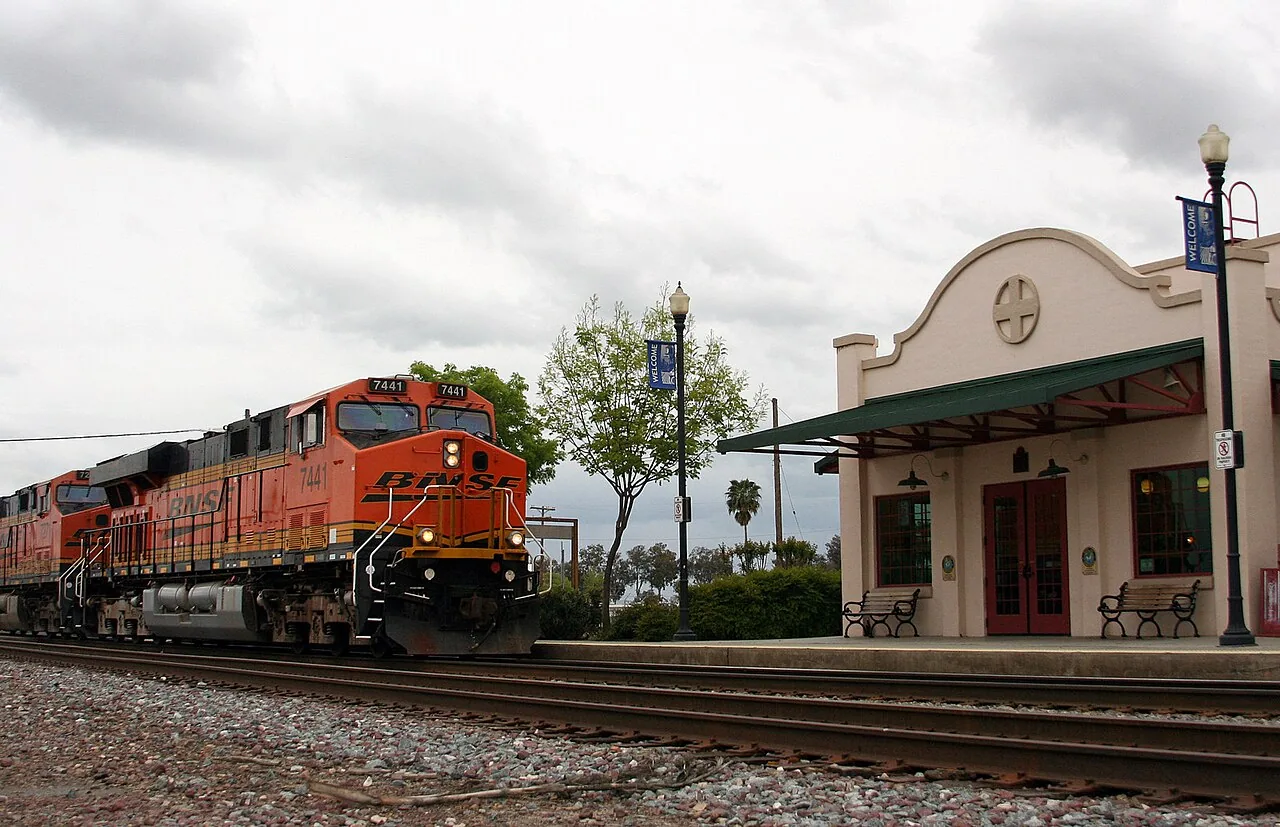
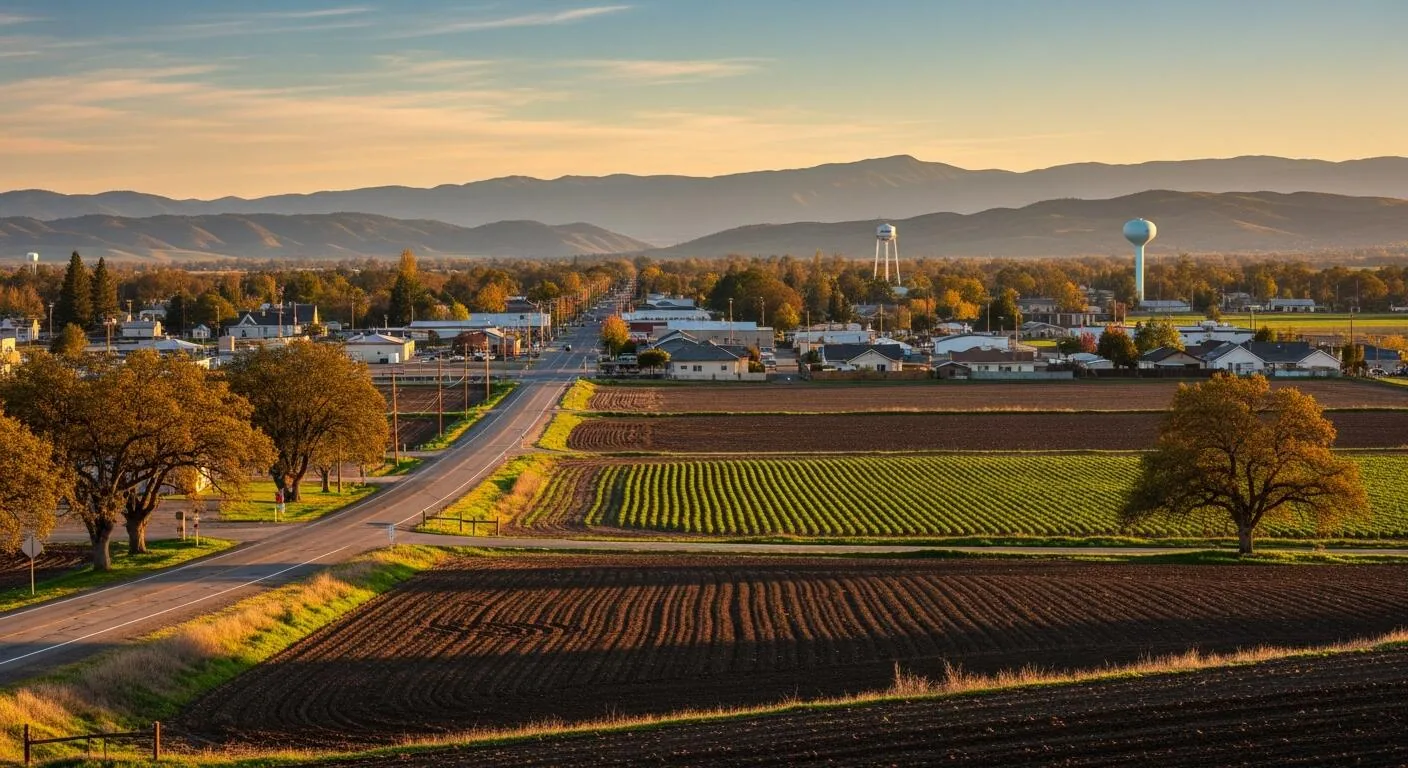
Check where water leaves
Drainage deserves its own pass. Debris at a bowl, a blocked outlet, a loose strainer, or a low area can keep water on the roof after rain. Ponding may reveal a slope or drain issue, but it does not by itself tell us whether insulation is wet or a membrane has failed. We record the drain, overflow, surrounding field, and any route water can take toward a curb or wall. Exeter land-use designations cover city properties and the Sphere of Influence, and are tied to parcel zoning. For a roof visit, the property’s current plans and actual conditions still decide where we test.
During the dry season, exposed details and sealant movement are easier to inspect without an active storm. Before Exeter’s cooler, wetter months, a maintenance visit can clear drainage paths and document open laps, aged flashing, or previous repairs. A focused ponding-water roof repair assessment distinguishes a drain obstruction from a surface or slope concern. We then set out the repair boundary and the next decision in plain terms. A scheduled preventive maintenance visit can also leave a seasonal record of drains, seams, and flashing.
Compare the practical scopes
A localized repair fits when the failed detail is defined, adjacent materials remain serviceable, and the repair can tie into sound surfaces. If wet insulation, recurring seam trouble, or widespread deterioration appears, a patch may leave the main issue in place. We can compare repair, recover, coating restoration, and replacement after confirming the existing assembly, roof access, drainage, and any limits on added weight. A recover is not suitable for every roof. The existing layers, moisture, attachment, and edge conditions have to support it.
In the CH district, timing can matter as much as material selection. Restaurant service, lodging turnover, vehicle circulation, and deliveries may narrow the work window. We divide the roof into workable areas, identify noisy or exposed tasks, and coordinate the sequence with the property contact. A roof condition report can keep photographs, test limits, and repair priorities together. If a broader work package is justified, the report gives the owner a basis to schedule phases rather than treat every roof area as one emergency. When operations span nearby cities, an owner can compare the roof record with commercial roof work in Woodlake without assuming the buildings share an assembly.
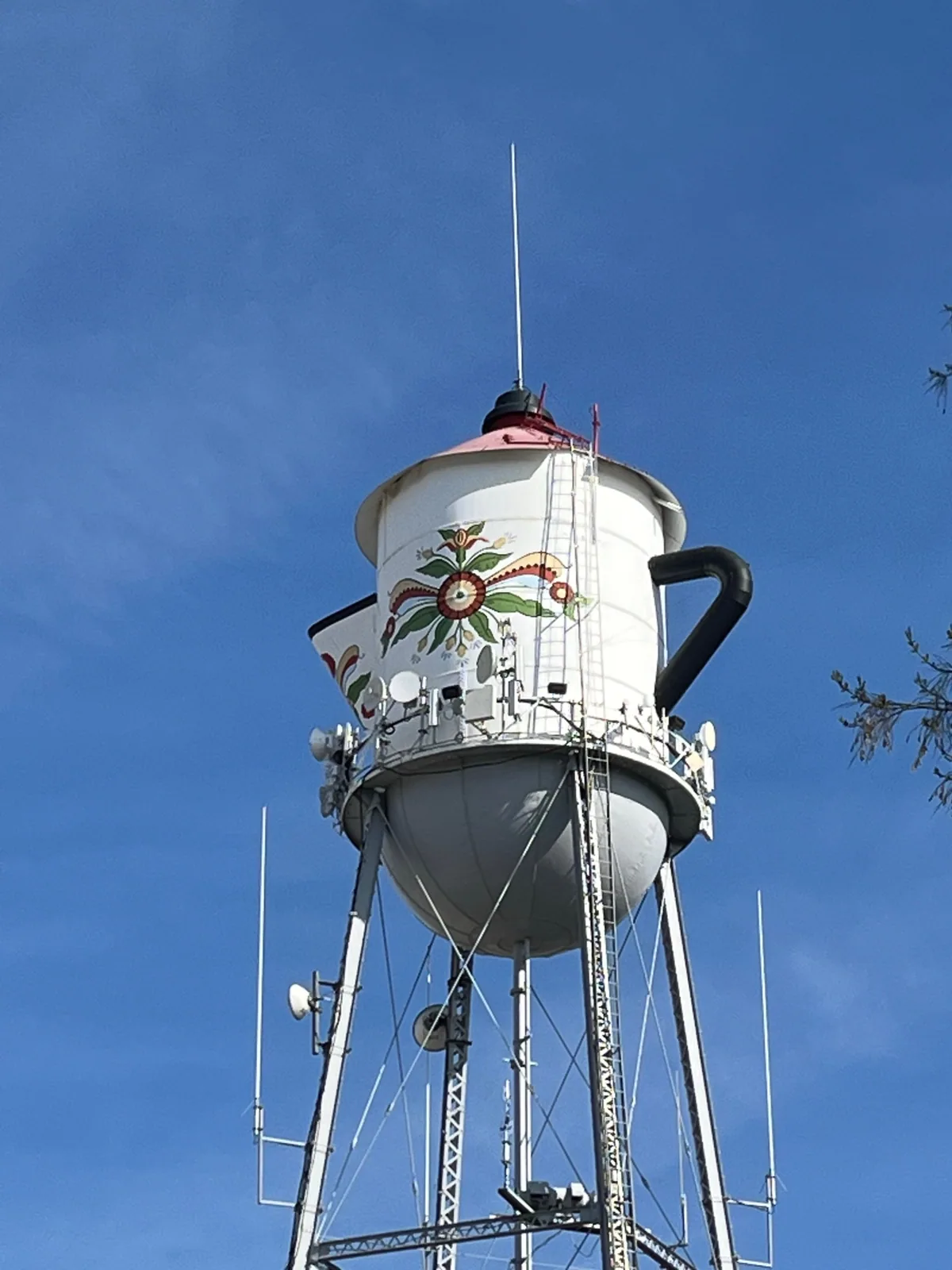
Keep the decision useful
Useful roof records answer a few direct questions: where was the opening, what material was affected, which repair was made, and what should be checked next? We provide photos and a written scope that distinguish observed damage from conditions that still need testing. That detail helps an Exeter manager compare a new leak with earlier work without assuming that the same cause returned. It also gives maintenance staff a clear point to watch after the repair.
Approval requirements can affect the schedule. Before work that may need a permit, we confirm the project location, proposed scope, and applicable local process with the owner and the authority for the property. For a first visit, send the property location, leak area, available roof plan, access window, and recent repair notes. We can then scope the walk around the building’s use and the evidence on the roof. For properties near the Goshen commercial area, we confirm the actual address and access contact before scheduling.
Commercial Roofing Questions
Can a ceiling stain identify the repair area?
No. Water may travel across a deck flute, insulation joint, or framing before appearing indoors. We trace the likely path on the roof and mark the area checked. If another opening or moisture test could change the scope, the report names that next step rather than pricing beyond the evidence.
What changes when a business stays open during roof work?
The work window and access plan. We confirm which doors, loading areas, customer routes, and rooms must stay clear, then stage the repair so exposed work and cleanup fit the property schedule. That plan also identifies when noise or temporary protection will affect operations.
When is a coating worth comparing with replacement?
A coating is worth reviewing when the existing surface is suitable, details can be repaired, and wet material is not being covered. We first check adhesion conditions, seams, penetrations, drainage, and the repair history. If the base assembly has broader moisture or deterioration, replacement or another scope may be the better comparison.
What belongs in a roof visit request?
Send the site location, the room or roof area affected, the best access window, and any roof plan or past repair record. Those details help us arrive with the right access arrangements and compare the interior report with the roof condition. We confirm the exact property contact before scheduling.
How should an owner prepare for seasonal rain?
Before the wetter part of the year, have drains and overflows checked, remove debris where safe, and document any open seams or moving sealant. A dry-season visit can make those details easier to inspect. The record should identify the areas reached and any item that needs a separate test.