
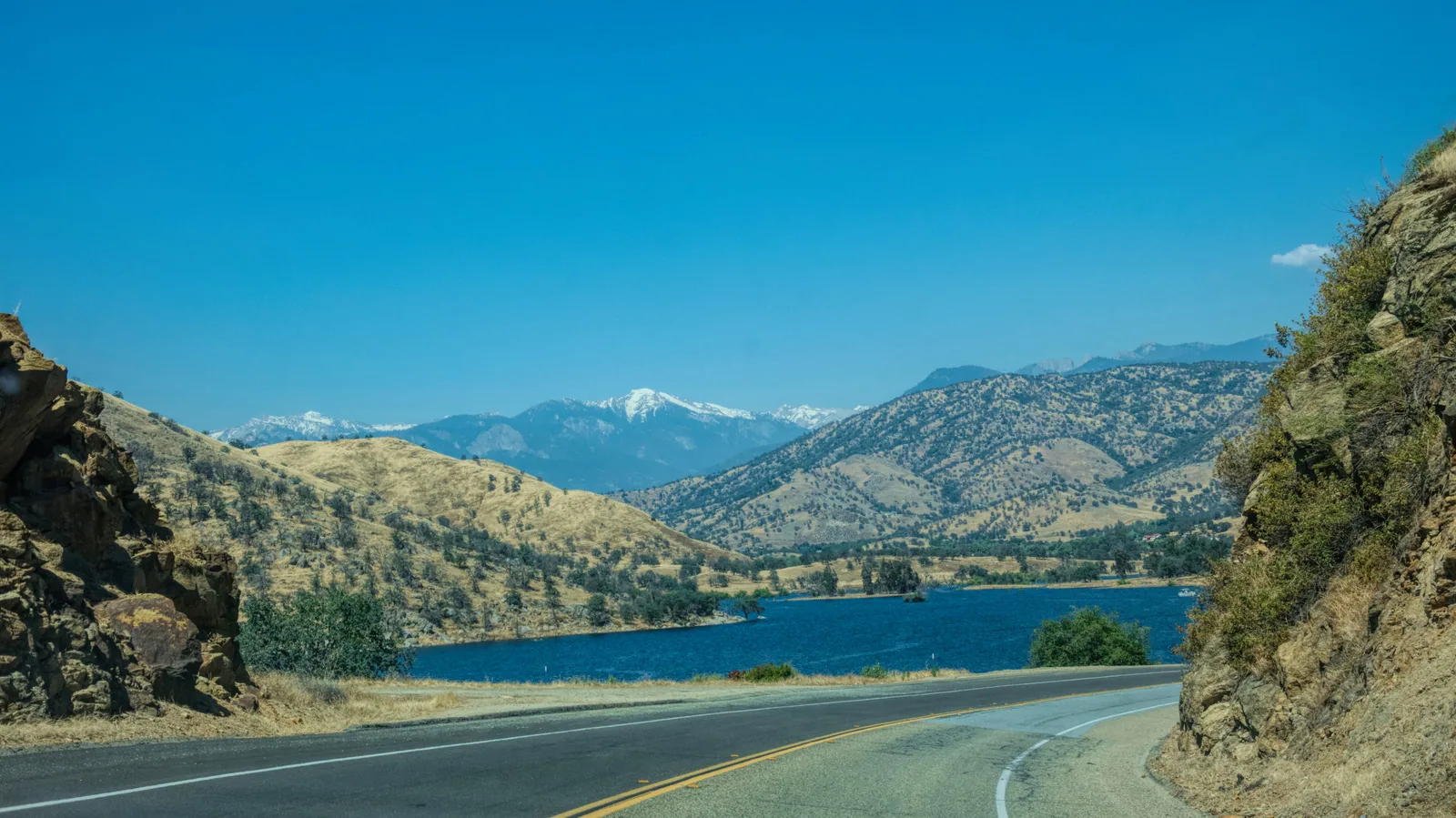
Commercial Roofing in Woodlake, CA
Service Areas | Visalia and Tulare County
Woodlake
A roof above a business that moves goods needs more than a patch at the ceiling stain. Woodlake describes itself as a shipping hub for the surrounding agricultural region and part of the San Joaquin Valley citrus belt; the City also identifies an industrial base and business activity. The owner or manager identifies the operation at each property; we verify its roof and access in person. We begin with the actual building, trace the leak, and plan roof access around the operation below.
Find the Water Path Before Choosing Materials
We start where the interior shows water, then inspect above that point for open seams, curb corners, wall transitions, drains, and edge metal. Water can travel under a membrane or along insulation before it appears indoors. If a test cut is needed, we map the area and identify whether insulation is wet. A repair limited to one detail should remain limited; if the evidence reaches another roof section, we document that before expanding the work.
Woodlake’s agricultural shipping context may mean a manager cares about keeping inventory areas dry and loading schedules intact. It does not establish the use or contents of any named building. We ask the property contact how materials move through the site and which doors must remain clear. A commercial roof inspection records the roof condition, access limits, and any test needed before we price a larger repair.
Check Outlets and Discharge Conditions
A low-slope roof needs a working path from each low point to an outlet and then to a discharge location. We check drain strainers, bowls, scuppers, downspouts, and membrane around the opening. If water collects after the outlet clears, we inspect slope, insulation, and deck transitions. A drain repair may be enough for a local blockage; a broad depression requires a different evaluation. We keep those findings separate in the report.
The local shipping and agricultural context can make access to service doors important, but it does not change the mechanics of drainage. We coordinate temporary barriers before any hose test or repair affects a loading zone. If runoff is directed toward a door or wall, we record where it leaves the roof and whether the issue is at the outlet or downstream. The drain and scupper scope names each component inspected and the membrane tie-in needed to restore continuity.
Keep Deliveries and Roof Work in Sequence
Before the crew arrives, we confirm delivery periods, lift access, staging, and the route material will take to the roof. An open bay or customer entrance cannot be treated as spare work space. We agree on where a truck or lift can stand and how the crew will keep pedestrians and staff clear. If a repair sits above a loading area, we coordinate short closures and protect the area below the roof opening.
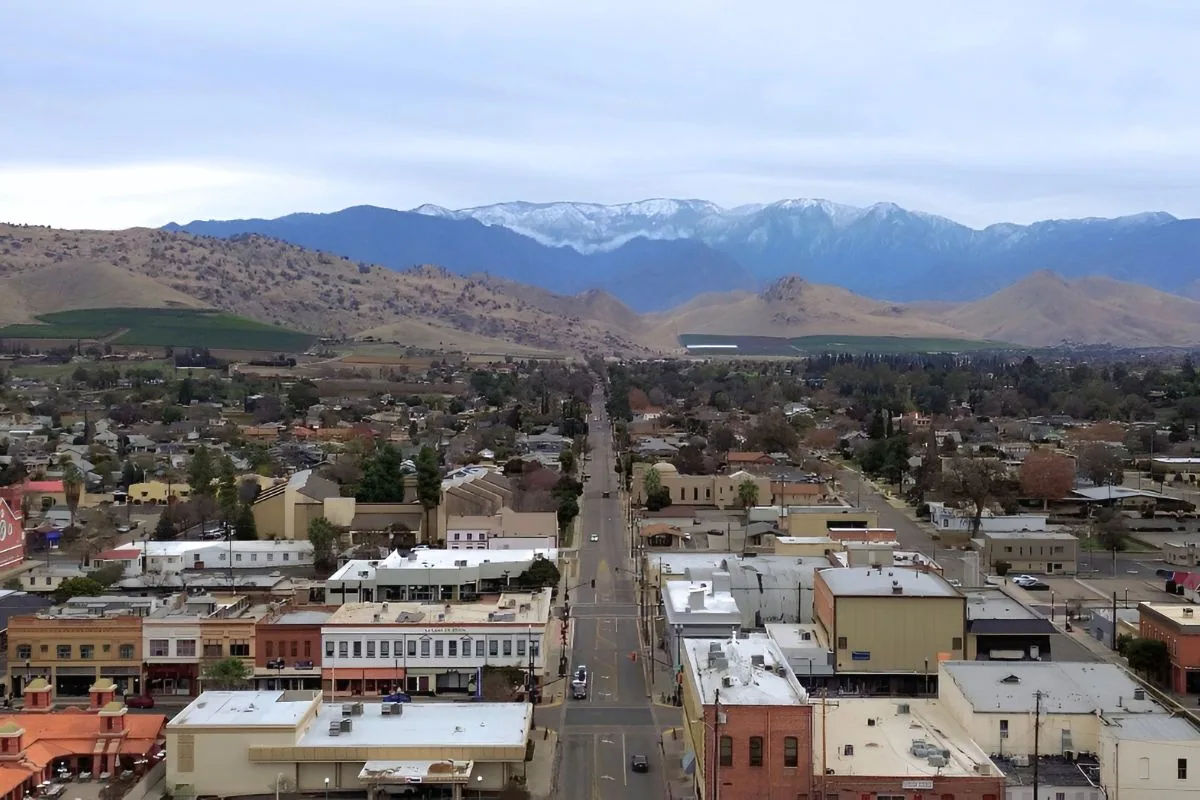
Woodlake’s downtown remains a community center while local activity also includes business and industrial operations. That broad pattern supports different kinds of workday, not assumptions about any individual property. The manager tells us what operation is on site and when it can pause. We schedule the roof section accordingly and leave a clear handoff for the next shift. A phased work sequence sets the protection, close-in, and access changes for each day.
Use the Dry Period to Check Roof Details
Visalia’s annual precipitation normal is just over ten inches, with wetter months concentrated from late autumn into early spring. For a Woodlake property, that regional cycle is a scheduling cue, not a roof diagnosis. During a dry-season check, we inspect exposed sealant, pipe boots, seams, edge metal, and drain connections. Heat can move or dry a detail; only the visible condition and testing establish whether a leak path is open.
If rain has already exposed a weak point, we document the date and affected room alongside roof photos. The next visit can compare the same repair boundary and confirm whether water is still entering. A targeted maintenance visit can record developing movement before a ceiling stain returns. For a storm-related opening, the storm damage assessment distinguishes the observed damage from pre-existing wear, keeping the scope accurate.
Set a Practical Repair or Replacement Boundary
We compare repair and replacement only after we understand the existing roof layers, attachment, moisture, and drainage. A local seam or flashing failure may be fixed without disturbing a sound membrane. If water has traveled into multiple areas or the system shows broad deterioration, replacement may be the safer scope to price. A recover can be considered only when the existing roof and deck can support it; trapped moisture should not be covered.
For a property with a repeat leak, we show the repair boundary and what would justify wider work. That prevents a small leak call from becoming an unsupported roof-wide recommendation. Replacement scope notes tear-off limits, insulation, cover board, edge details, and the weather-tight sequence. For the nearby city context, the Lindsay service area and Exeter service area are separate municipalities, not evidence of work performed there. Each Woodlake roof receives its own inspection and recommendation.
Record What Changed and What Remains
At the end of work, we photograph the completed detail and mark its location on the roof plan. The closeout lists materials, test results, moisture findings, and anything that could not be inspected. If a later trade changes rooftop equipment, the record can identify which curb or flashing requires a new check. If operations change, the manager still has the repair boundary and can point the next crew to the same place.
Woodlake identifies a regional shipping and agricultural role, plus a local industrial base, but the building’s actual use comes from its owner or manager. For a service call, send the property location, leak area, roof access instructions, and any loading or operating windows. We will confirm how to enter and stage, inspect the roof, and provide a written scope tied to the tested condition. If the best answer is a follow-up test, we will identify what that test needs to resolve. We also note whether the leak appeared after rain, a maintenance visit, or work on rooftop equipment, then compare that timing with the area opened. A sequence of photos can show whether an old patch moved or a different detail began to admit water. The record should name the tested boundary and any portion hidden by equipment or locked access. That way a new manager can continue the inspection without assuming a prior visit cleared areas it never reached.
Commercial Roofing Questions
Can you work without stopping a loading operation?
We coordinate the roof section, lift position, and material route with the manager. If a lane must close briefly, the schedule identifies the window and a safe alternate path.
Does Woodlake’s shipping role mean a building has a warehouse roof?
No. Citywide economic context does not establish a specific building’s use or roof system. We verify both with the property contact and on-site inspection.
How do you handle water over inventory space?
We protect the interior, trace the roof entry point, and map any wet insulation. The repair scope states what was opened and how the area was closed back in.
When is a moisture survey useful?
It can help when water has traveled beyond the visible leak or the roof surface does not show the wet boundary. We identify the tested area and explain what the results can support.
What should we send before a roof visit?
Provide the property location, leak area, site operating hours, loading windows, access rules, and available roof records. We will use those details to set a safe inspection and work plan.