Commercial Roofing in Dinuba, CA
Service Areas | Visalia and Tulare County
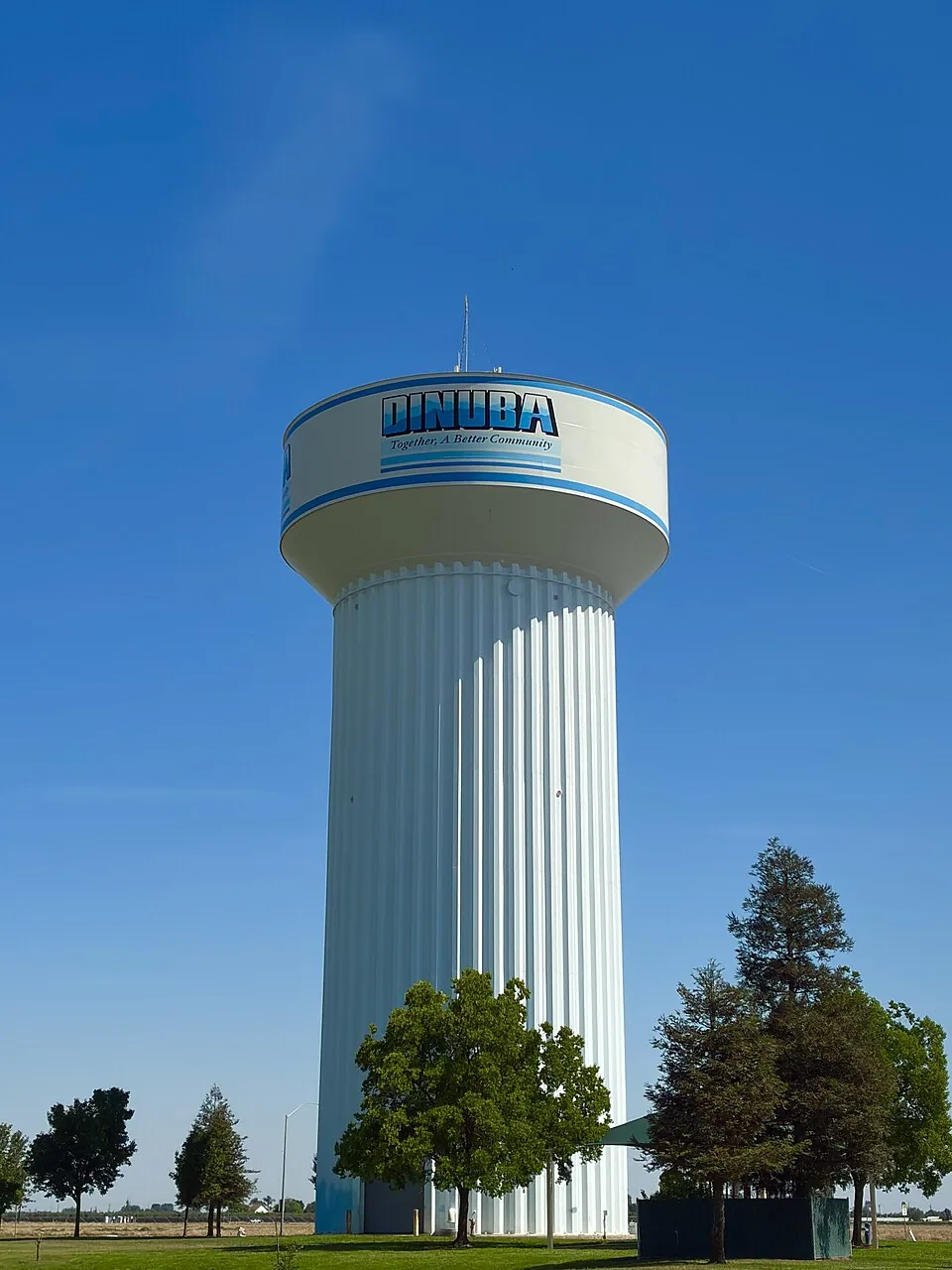
Dinuba
Food production, regional distribution, logistics, retail, and automotive work all appear in Dinuba’s local business mix. A roof supporting any one of those uses needs to be inspected at the building, not assumed from the industry name. We identify the assembly, trace leaks to the roof detail, and ask what must keep running while work is underway. The first visit should leave a clear repair boundary and a list of access or testing questions that affect the next decision.
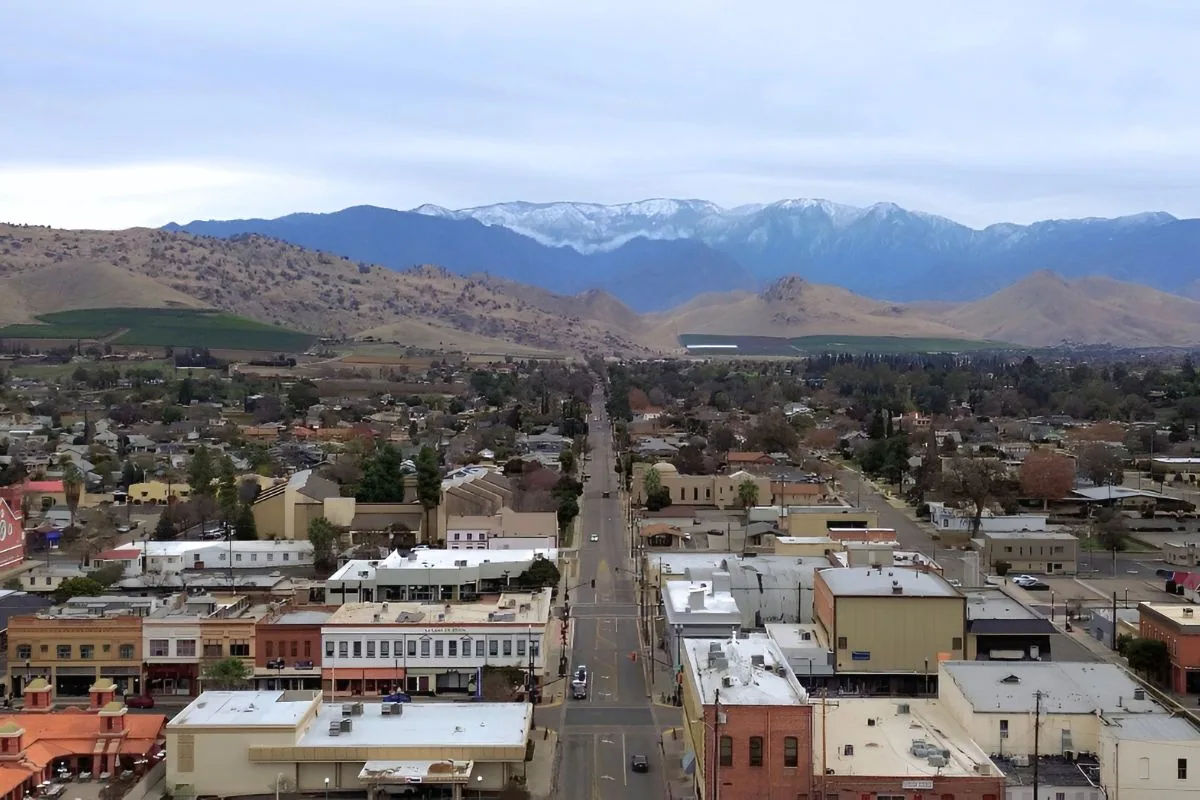
Highway 99 and State Route 198 give Dinuba regional access; Visalia has a long warm stretch and a cooler wet season. Heat works on exposed sealants and membranes; rain can reveal an open lap or drain issue. We use that as regional context, then inspect the actual roof. A commercial roof inspection documents the system, drainage, transitions, and any interior signs before the owner compares repair with wider work.
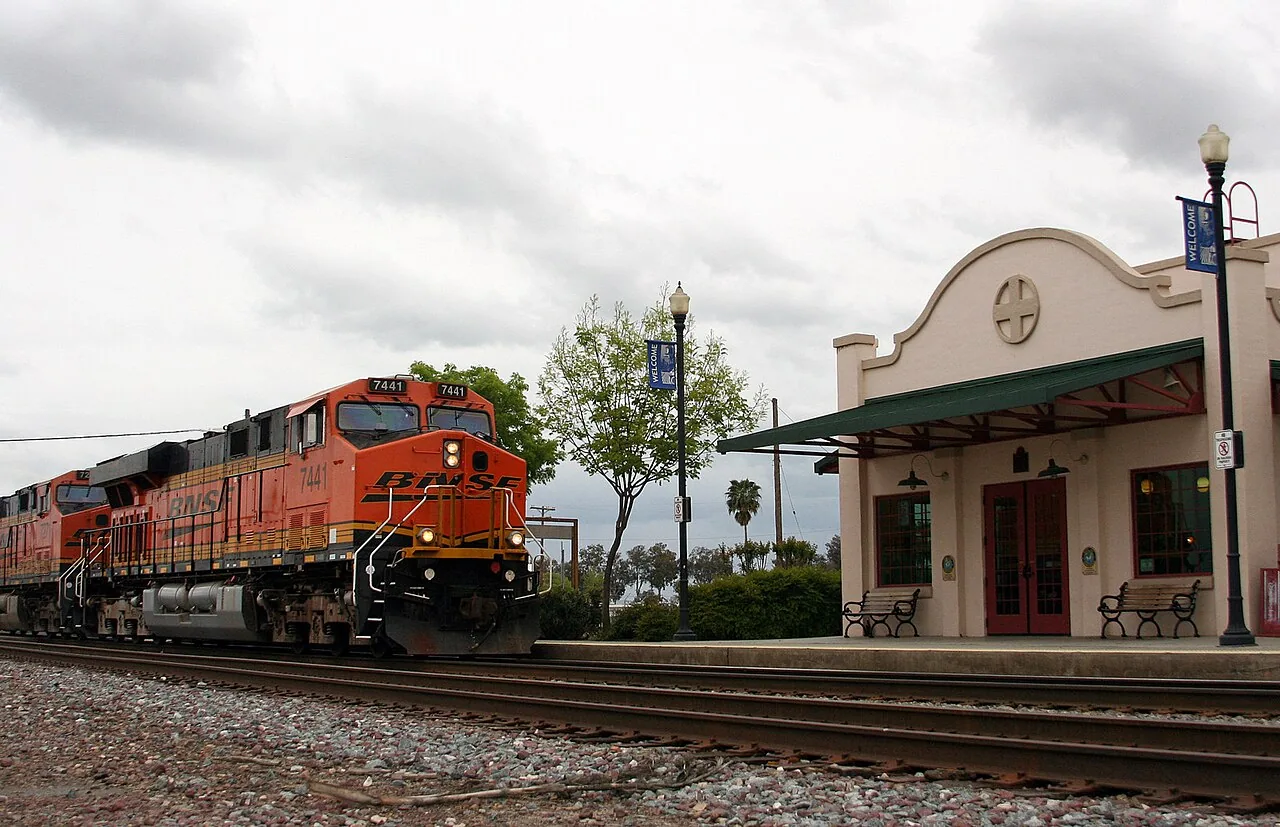

Map the Roof Work to the Building Use
A food-production roof may require protected intake points, clean staging, and a work window that avoids a sensitive process. A distribution operation may need a clear route for loading or rooftop equipment service. Retail and automotive spaces can have customer access below the work zone. Those are coordination questions, not assumptions about a particular Dinuba property. We confirm the building’s operating rules with the manager and put them into the roof access plan before material is opened.
Dinuba’s city-owned development properties and larger commercial sites can involve active project planning as well as existing facilities. If a building is being changed, the roof review should include plans, proposed penetrations, drainage connections, and how new work meets the existing assembly. We compare the drawing with what can be seen on site. A capital planning review can record timing and condition assumptions, while a broader East El Monte corridor is a separate location context inside Dinuba.
Trace Water past Equipment and Drainage
A ceiling mark is one clue, not a roof map. We start above the affected room and look at nearby penetrations, wall flashings, laps, drain bowls, scuppers, and the direction of the roof slope. Water may travel across a deck or insulation joint before it appears indoors. We photograph the likely entry points, identify what is dry and sound, and mark the smallest area that can answer the cause question. If another test is needed, the scope says what it will establish.
Visalia’s normal rainfall is concentrated in the cooler part of the year, after months of heat on exposed materials. A drain that appears clear during a dry visit can still have a restricted leader or a low area beside it. We check the bowl, overflow path, membrane tie-in, and visible outlet before calling the drainage route sound. Our drain and scupper work addresses a confirmed roof-side condition. A separate flashing repair can close a split transition after we verify the substrate.
Identify the Membrane before Selecting a Repair
Single-ply sheets, asphalt-based layers, metal panels, and liquid-applied systems each need their own preparation and tie-in method. We look for seams, fasteners, surface texture, edge details, and records that identify what is installed. If the system remains uncertain, an approved test area or product documentation may be needed before materials are ordered. A surface patch that does not bond to the existing roof can reopen under heat or movement, so compatibility belongs in the scope.
At a larger facility, multiple roof sections may have been installed or repaired at different times. We label each area separately rather than treating the whole site as one assembly. If moisture readings or an opening show wet insulation, we mark its boundary and identify whether replacement is limited or continues beyond the visible leak. TPO system work requires a clean, compatible weld zone. A moisture survey can help map a suspected wet area before a coating or recover is considered.
Compare a Local Repair with a Broader Scope
A contained repair can be the right move when the defect is isolated and the surrounding roof is stable. We remove failed material, prepare a sound tie-in, restore the detail, and record what remains outside the boundary. If similar seams have failed in several roof zones, repeating a patch may not address the attachment or movement behind them. The report separates confirmed damage from the condition that still needs a test or owner approval.
A coating stays on the table only when testing confirms the substrate is dry and the membrane can accept a compatible bond after preparation. Any restoration scope still needs reinforced transitions and penetrations, with drainage kept clear during and after the work. Replacement may be more practical where moisture is widespread, the deck or attachment is compromised, or repeated work has not stabilized the roof. We compare access, tear-off, insulation, disposal, staging, protection, and daily close-in. A restoration evaluation and replacement scope give the owner distinct options rather than one unexplained recommendation.
Leave a Roof Record the Next Manager Can Use
Closeout photos should show each repaired seam, penetration, or drain with enough context to find it again. We mark the roof plan, note the material and preparation, and list any area that could not be reached safely. That record helps a facility manager coordinate a later equipment change or compare the same detail during maintenance. If another trade enters the roof, the owner can identify where the membrane was altered and what needs a follow-up inspection.
Dinuba’s access along Highway 99 and State Route 198 may help with travel planning, but the property contact still sets the approved gate, parking, lift, and delivery route. The Farmersville Highway 198 corridor is a separate target; route names do not establish a building’s roof condition or access. Share the Dinuba property location, leak area, operating hours, roof plan, and prior repair notes. We will state the first check, the evidence behind the scope, and the decision that remains with the owner.
If the inspection finds a condition that needs a specialist or another trade, we identify the boundary between roof work and that separate task. A blocked concealed leader, damaged electrical support, or structural movement may require access beyond the membrane surface. We document what is visible, coordinate the next inspection with the owner, and avoid describing a roof-side patch as a complete correction when a separate cause remains. That keeps approval tied to the work actually included.
Commercial Roofing Questions
Can roof work be scheduled around production or deliveries?
We set the access route, staging area, protection, and work window with the facility contact. If a process or loading zone cannot be interrupted, the scope identifies a phase or alternate route before material is opened.
What records help with a roof inspection?
A roof plan, product or installation records, prior repair notes, leak dates, and photos help us plan the first walk. We verify the exposed assembly and mark any mismatch between records and field conditions.
Does a leak mean insulation must be replaced?
Not by itself. We check the likely entry path and test the area that could be wet. If an approved opening shows moisture, the report marks its extent and the repair boundary before removal is priced.
How do you handle several roof sections at one facility?
We label the areas, materials, and known repair history separately. That prevents a finding on one section from being applied to another and gives the owner a clearer sequence for maintenance or capital work.
Can a coating go over an older commercial roof?
It can be considered when the roof is dry, attached, and compatible with the coating system. We check adhesion, seams, transitions, and drainage, then identify preparation and reinforcement needs before pricing.
What should we do if water is entering now?
Tell us the property location, affected room, and roof access rules so we can scope a priority visit. We can protect an active opening first, then complete the inspection and document any permanent repair still needed.