
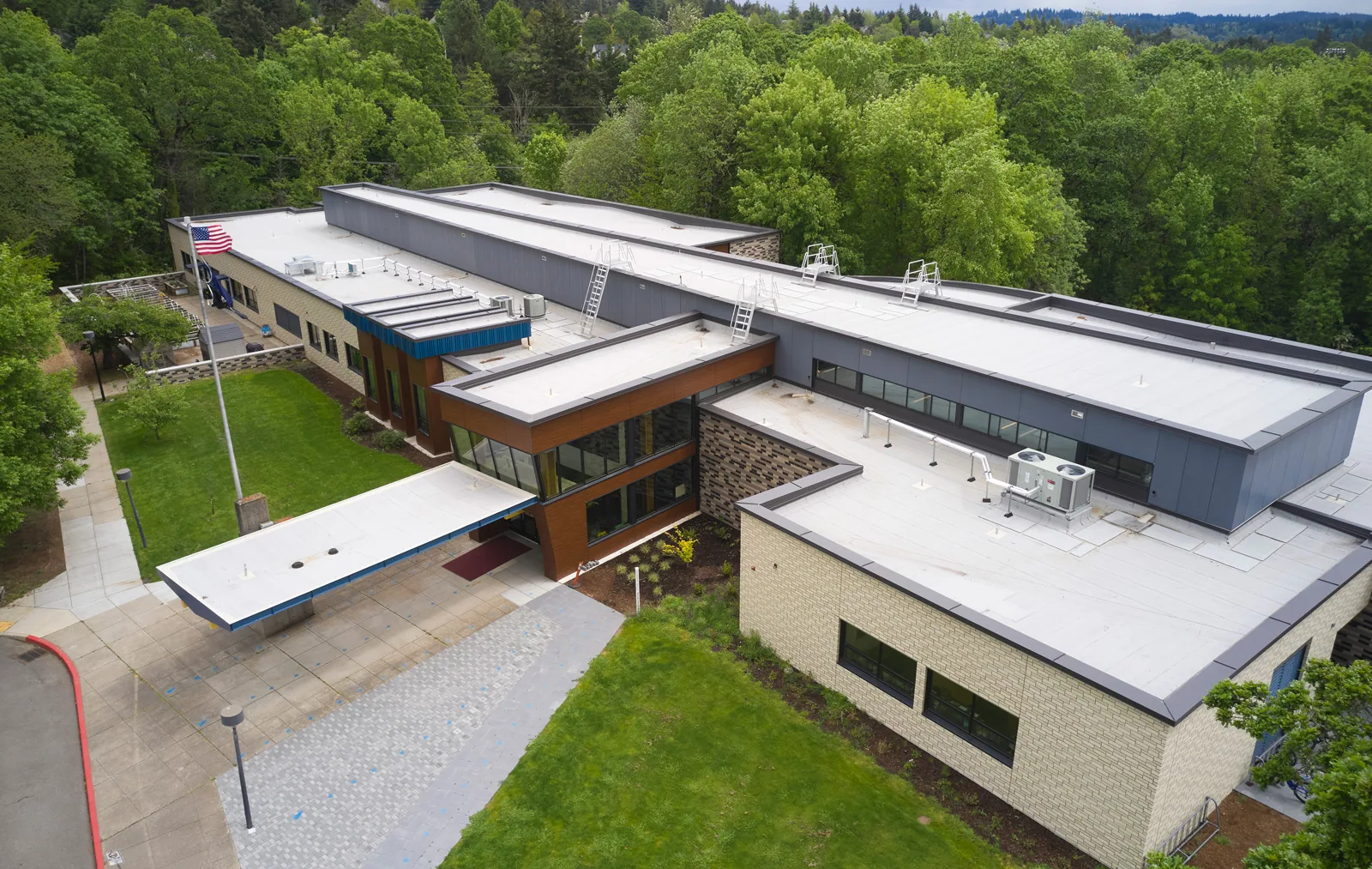
Soprema Commercial Roofing in Visalia, CA
Roofing Manufacturers | Visalia and Tulare County
Soprema Commercial Roofing
A split at a roof transition can expose the membrane, insulation, or a layer below an older repair. We identify the Soprema system and follow the affected detail before recommending new material. The manufacturer’s commercial range includes modified bitumen, liquid-applied membranes, and single-ply PVC, so one product name cannot describe every assembly. Visalia has a long warm season and most normal rainfall falls in cooler months. That timing can make a dry-season walk useful for locating open laps, cracking, and drain problems. At the Visalia Industrial Park, production and freight schedules may affect access. Near Court and Paradise, medical and service-commercial properties may need a different work window. We confirm those conditions at the building, then record the roof facts that affect the scope.
Separate the PVC, Bitumen, and Liquid Systems
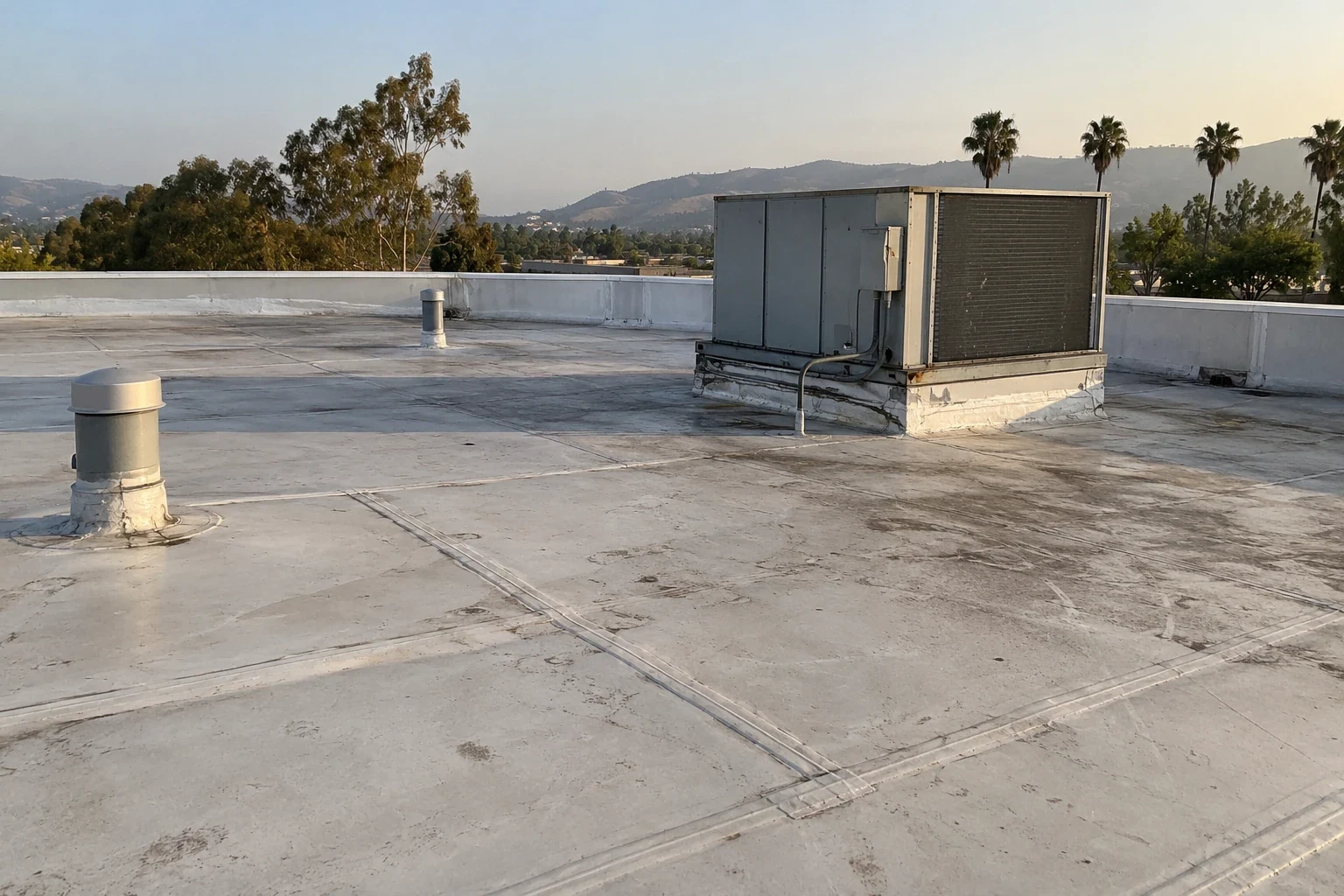
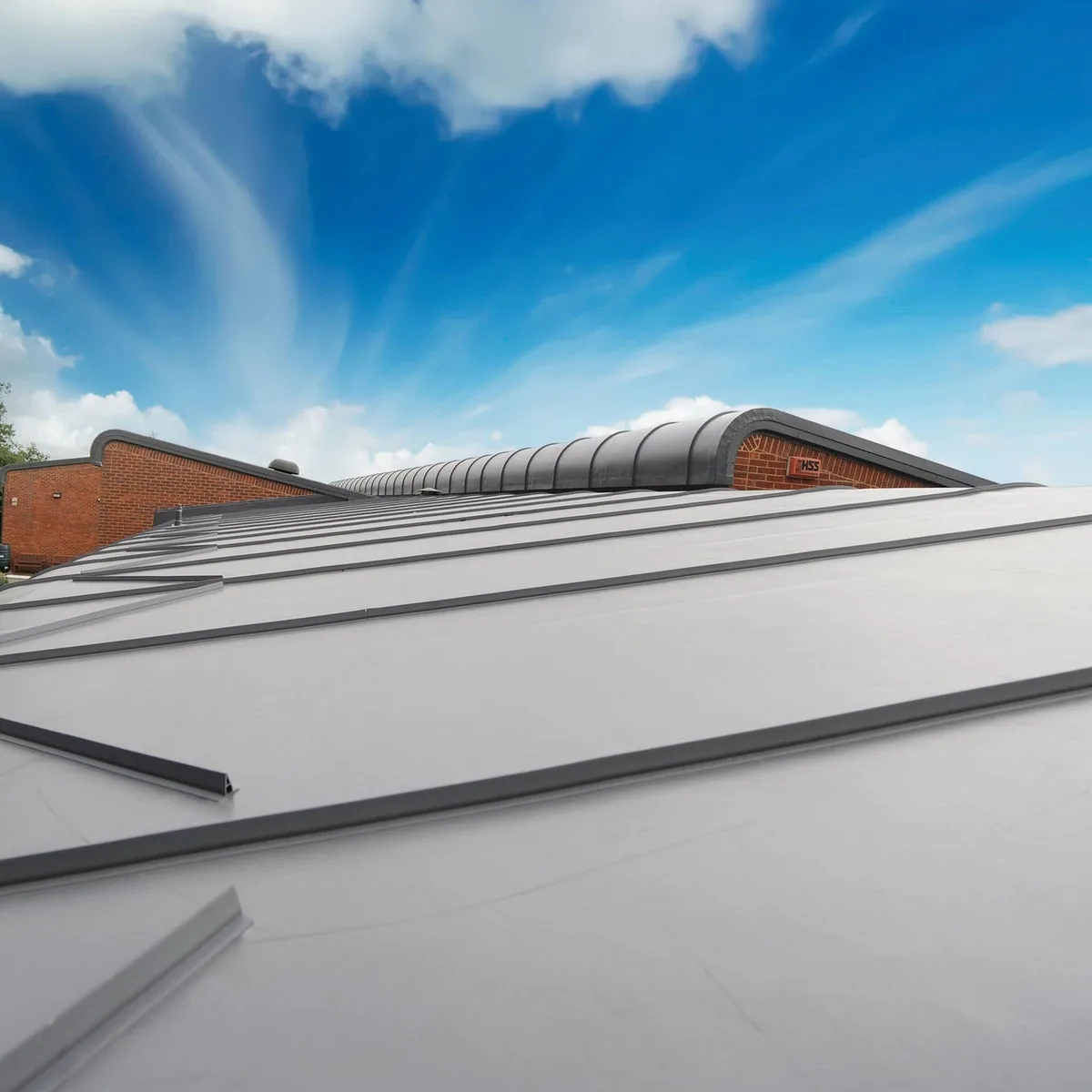
Soprema describes commercial roofing products that include Sentinel single-ply PVC, SBS-modified bitumen, and PMMA or PMA liquid-applied membranes. These systems perform different roles and use different repair materials. A PVC seam is heat welded. A modified-bitumen repair involves the compatible asphaltic layers and surface. A liquid flashing or coating needs a prepared substrate and manufacturer-approved coverage. We identify the installed assembly before describing a repair, including at transitions where an addition meets the original roof.
Records can help locate the product name, but we compare them with the field. Look for exposed edges, lap arrangement, reinforcement, surfacing, and previous patches. A rooftop view may conceal the lower plies and insulation, so a test opening could be needed before replacement is priced. The modified-bitumen assembly review is different from a PVC membrane evaluation. If another roof section uses Duro-Last, keep its custom-fabricated PVC details separate from a Soprema repair plan. A Sika Sarnafil membrane review also follows its own product records and repair details.
Check the Surface before Coating or Flashing
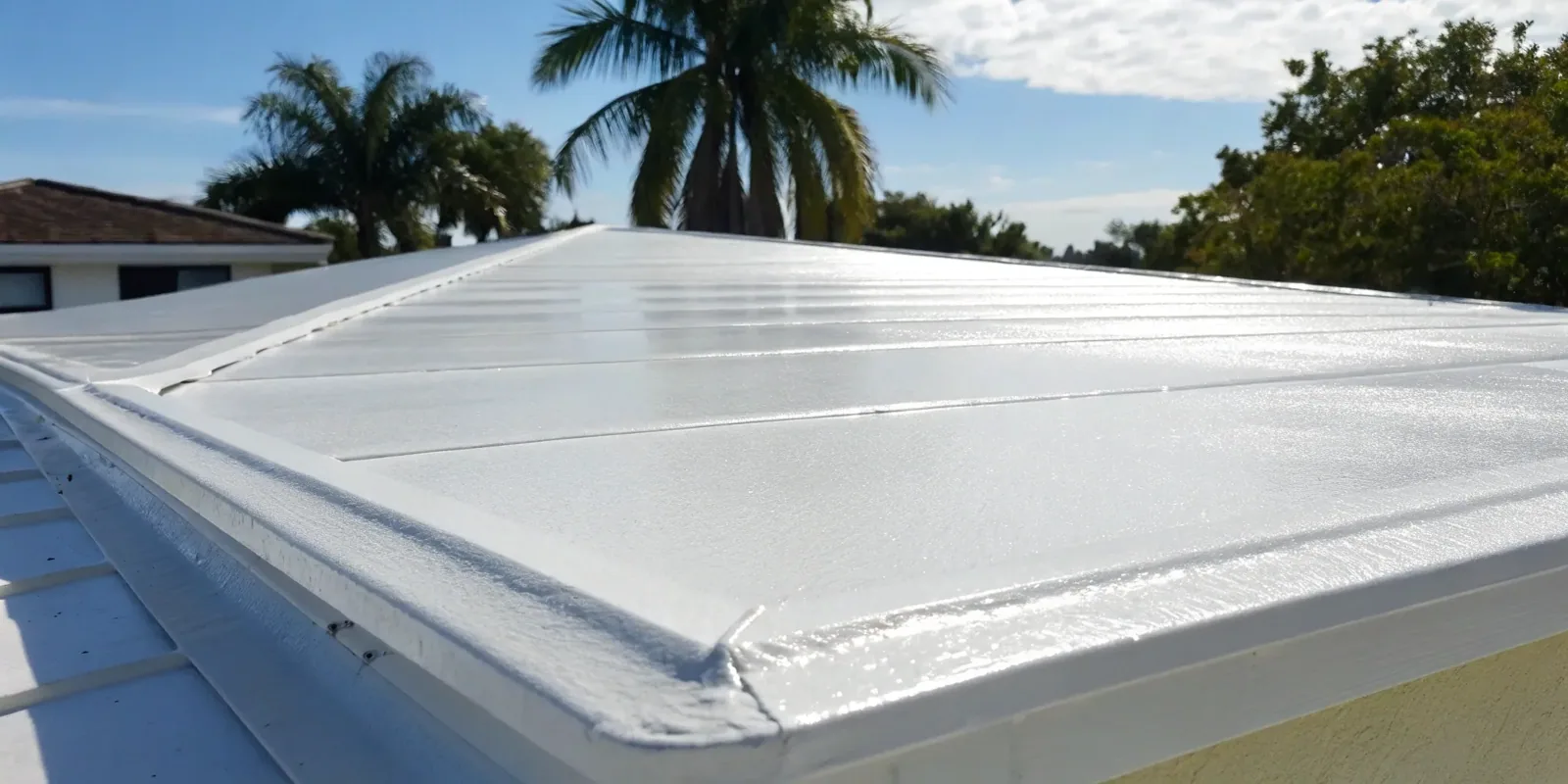
A liquid-applied flashing may work at a complex transition only when the substrate is sound, clean, and compatible. We inspect cracks, movement, embedded fabric, prior coating, and exposed fasteners before considering a liquid detail. A surface coating cannot bridge a loose membrane or trap moisture below the system. If the issue is isolated, the scope defines the area to prepare and the reinforcement or membrane tie-in required. If blistering or wet insulation extends beyond that area, more testing may be useful.
For modified bitumen, we check granule loss, splits, open end laps, blistering, and flashings at walls and drains. For PVC, the seam and the sheet must accept a hot-air repair. A generic coating over an unidentified roof can make later repair harder. We can provide a coating restoration assessment after confirming the assembly, or a repair scope for a defined defect. Our notes distinguish visible surface wear from a confirmed moisture condition.
Follow Water through the Layer and Detail
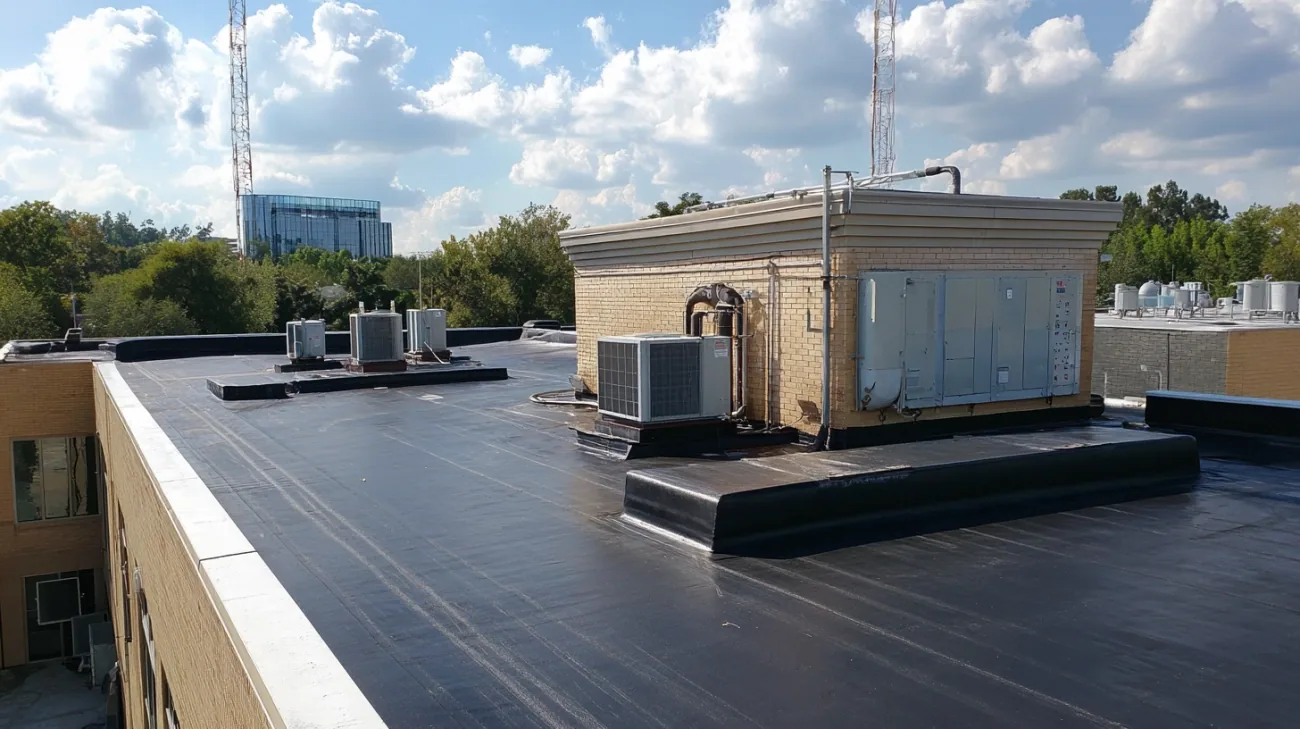
Water can enter at an open lap, wall transition, pitch pocket, or drain, then move between roof layers before reaching the ceiling. We compare the leak report with nearby seams and penetrations instead of cutting only above the interior stain. At each drain, inspect the bowl, clamping ring, overflow, and surrounding slope. On a built-up or modified-bitumen roof, an opening may expose several layers. Record which ply and insulation are wet, and where the sound material begins, before closing the work area. For an occupied facility, pair the roof walk with drain and overflow checks, record debris and ponding after storms, and keep every repair within the compatibility requirements of its specific membrane family.
The Visalia Industrial Park includes manufacturing, food processing, warehousing, and distribution. A production manager may need equipment access and material delivery coordinated before a repair begins. The Court and Paradise area includes medical activity across a broader service-commercial tract. An occupied medical building may require interior protection and a short work window. The roof system does not change to match the schedule, but the work plan does. Coordinate drain repairs with a flashing inspection when both appear in the water path. A Court and Paradise district roof visit targets an area rather than one facility.
Use Visalia Weather as Timing Context
Visalia's climate averages long-term Visalia baseline counts 94.7 days annually with maximum temperatures reaching 90°F, and reports 10.32 inches of precipitation for an average year. Most monthly rainfall arrives from late fall through early spring. Those figures help a property manager choose when to inspect sealants, exposed laps, and drainage before weather limits roof access. They do not establish the condition of any one Soprema membrane. We document the surface and test the details that could explain a leak.
On a hot roof, the crew checks product instructions and substrate conditions before applying adhesive, membrane, or liquid flashing. If rain is forecast, open sections need a planned end-of-day closure. At a dry-season visit, we can clear accessible drains, map existing repairs, and flag areas for moisture testing. A roof inspection should state which zones were walked and which could not be reached safely. The condition report can preserve photos and the exact tested area for a later comparison.
Choose the Repair that Fits the Assembly
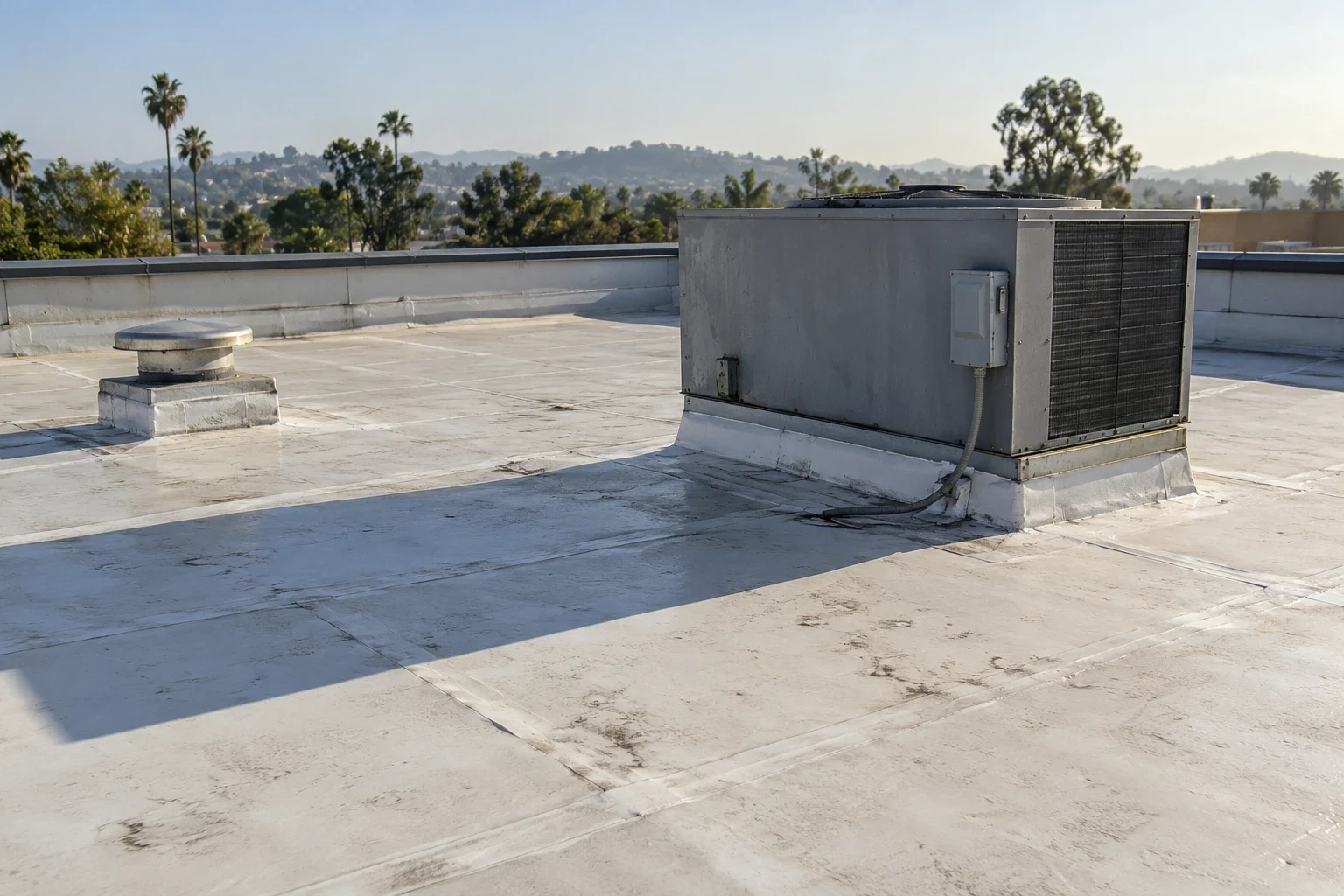
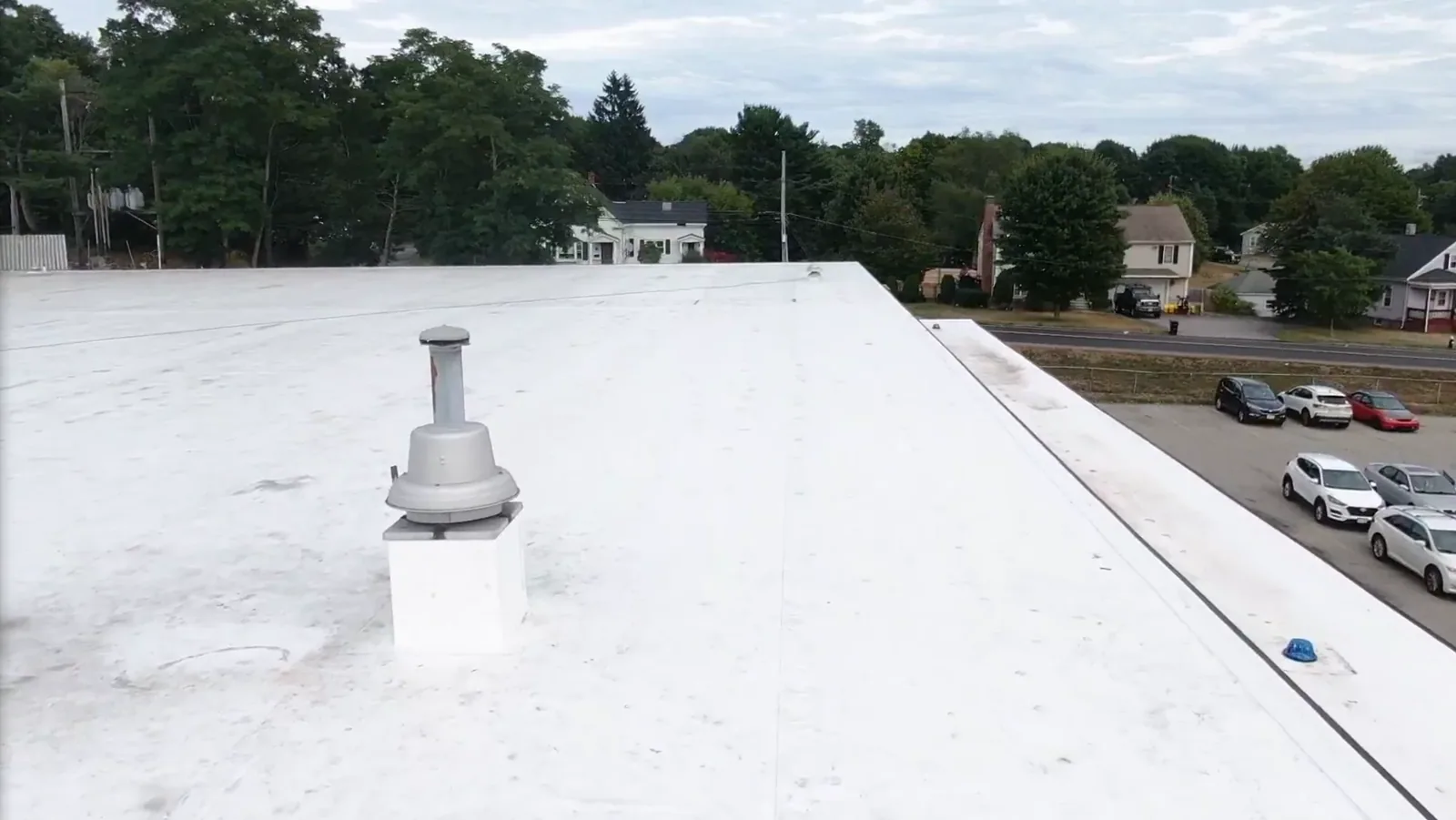
A localized patch can be appropriate when the identified system is sound at its edge and the defect has a clear boundary. A liquid-applied detail may need a broader prepared area. A modified-bitumen section with repeated open laps, wet insulation, or deck damage may need a deeper repair or replacement review. We state the evidence for each option and note when an opening or moisture survey is necessary before the owner can make a larger decision.
Cost and timing depend on material type, number of roof layers, access, disposal, flashing transitions, safety control, and whether occupants or equipment need coordination. The proposal separates included work from assumptions about concealed layers. After the repair, photos and product notes should show what was installed and which adjacent areas remain outside scope. A later maintenance check can revisit the same roof zones. For a multi-building account, keep one record per structure with the membrane type, repair date, tested limits, and photos. That lets an asset manager separate a PVC field from an asphaltic roof and avoid carrying one building’s findings to another. The note should identify any wet insulation removed, material installed, and detail left outside the repair. If the crew could not reach an area, mark it as uninspected rather than assuming it matches the nearby roof. Keep manufacturer submittals beside those Diligence Notes so future repairs start with the right product record. Share the roof plan, prior system records, leak timing, and access rules so we can define the first inspection and prevent a PVC repair from being applied over a different system.
Commercial Roofing Questions
Does Soprema make more than one commercial roof system?
Yes. Its commercial range includes single-ply PVC, modified bitumen, and liquid-applied products. We identify the installed material before choosing a repair method.
Can a roof coating fix a wet Soprema assembly?
A coating does not dry concealed insulation. We map moisture and check the substrate before deciding if a coating or membrane repair fits.
How do you locate a leak through several roof layers?
We compare the interior report with seams, flashings, drains, and transitions. A test opening or moisture survey may be needed to locate the wet boundary.
Can you repair Sentinel PVC with bitumen products?
Those materials belong to different systems. We confirm the sheet and use compatible membrane, flashing, and preparation for that assembly.
What should we send before a Visalia roof visit?
Provide the building location, leak timing, roof plan, recent service notes, system submittals, and access requirements. That gives us a clear first test area.