
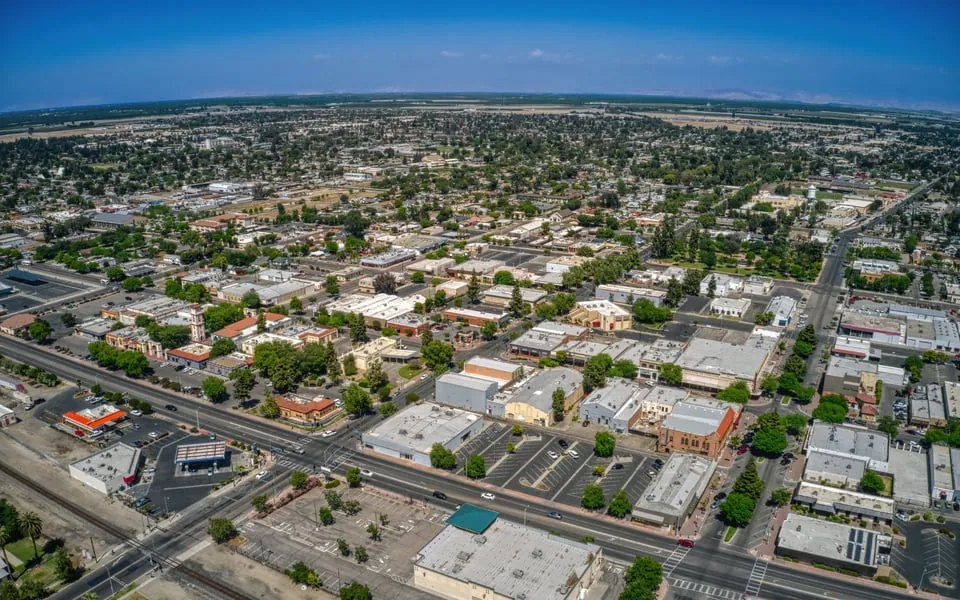
Commercial Roofing in Southeast Visalia, Visalia, CA
Service Areas | Visalia and Tulare County
Southeast Visalia
An interior drip beneath an equipment curb deserves a roof-side check before anyone chooses a patch. In Southeast Visalia, a first walk starts with the reported leak, the roof section above it, and the water path through the assembly. Visalia development is distributed across four quadrants, with commercial mixed-use designations on Mooney Boulevard and other corridors. That land-use context helps us discuss access and operating windows, but the roof itself sets the scope. We document the tested area before pricing a repair or larger project.
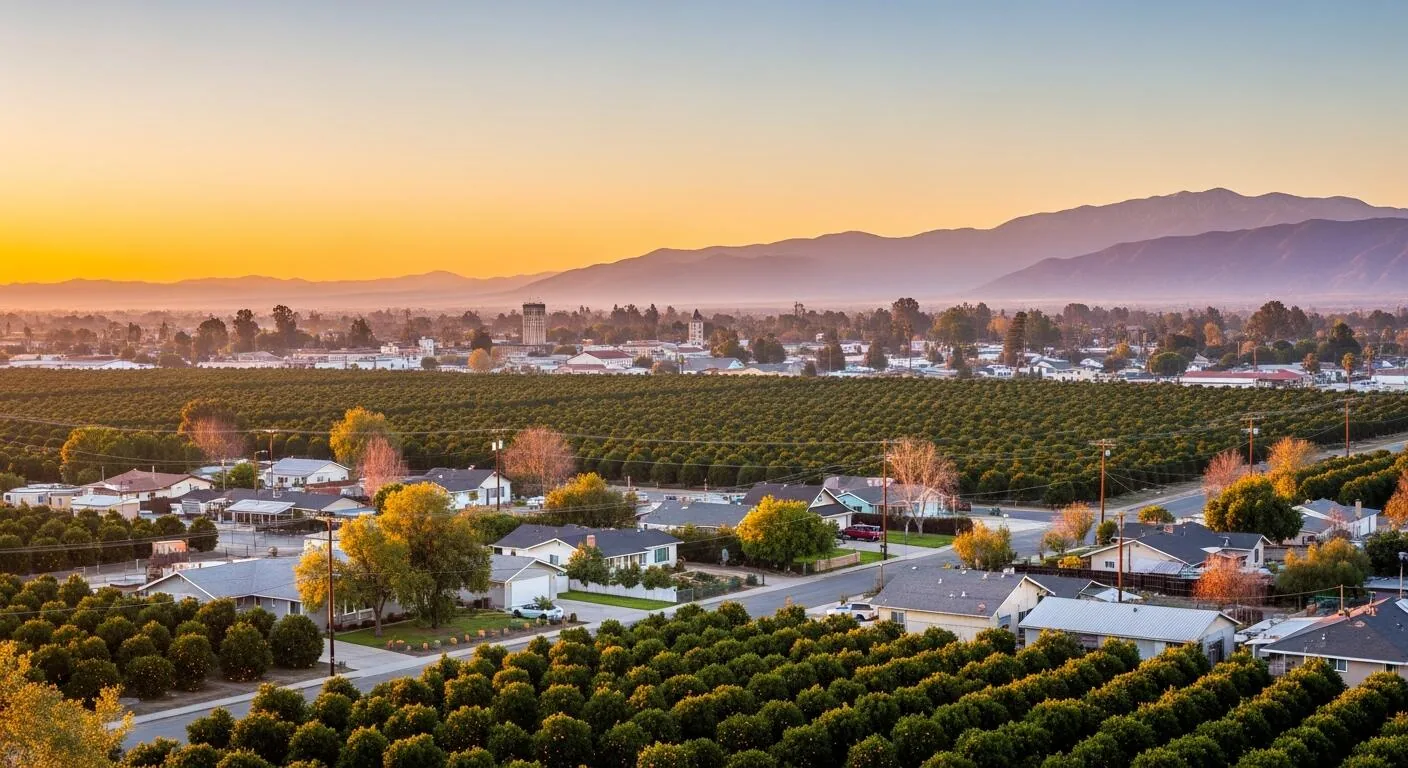
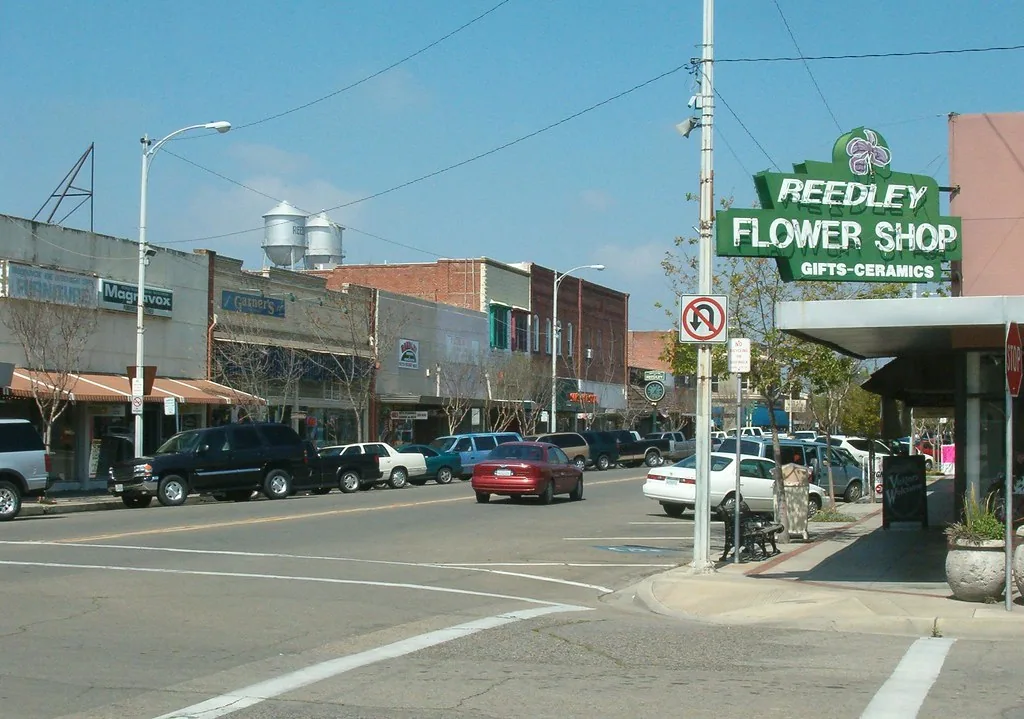
Trace Water before Opening the Roof
Water can travel along a seam, insulation joint, or deck before it reaches a ceiling. A stain alone does not mark the entry point. We check the nearest curb, wall transition, drain bowl, and membrane lap, then compare the interior report with what is visible above. Our commercial roof inspection records the area reached, the condition found, and any test needed to separate a surface defect from wet insulation. The repair boundary should follow evidence, not the shape of the ceiling stain.
We also ask when the leak appears. A drip after a dry afternoon may point to a different path than water appearing during steady rain. The roof plan, equipment locations, recent service invoices, and interior photos help narrow the walk. If water is active, we can protect the opening and identify what remains for a permanent repair. A commercial repair visit should leave a dated note of material installed, adjacent details checked, and limits that still need access or testing.
Check Heat-Exposed Details
Visalia station normals record repeated days above 90 degrees and a smaller number at or above 100. That sustained heat and ultraviolet exposure can age exposed sealant and stress flashing transitions. We look for splits, loss of adhesion, open laps, movement around supports, and brittle edge details. A coating is a surface option only after the substrate, attachment, moisture condition, and existing layers are understood. The heat and ultraviolet review ties visible changes to the assembly and the tested area.
On a low-slope system, the seam and flashing are part of the water-control path. A membrane field can look sound while a curb corner or termination has opened. We probe only where the condition supports it, photograph the detail, and note whether the membrane remains bonded. For a thermoplastic roof, a TPO system inspection checks welded seams, patches, penetration flashings, and transitions between older and newer work. Material identification is confirmed before a repair method is selected.
Sort Repair from Larger Work
A local puncture, open seam, or failed flashing may support a repair when surrounding material and insulation remain serviceable. Broad wet areas, repeated seam movement, or deck concerns change that decision. We mark the area we tested and distinguish it from any section that could not be reached. A condition report can show photos, observations, test locations, and open questions in one roof record. If the evidence is incomplete, the next step may be a test cut rather than a broad replacement allowance.
For a repair scope, we define the boundary and the material that will meet the existing system. If several sections show related issues, the owner may compare repair, recover, and replacement using the same observations. The capital planning review can sort near-term water control from a budget item that needs additional investigation. A price should identify access needs, protection below, disposal, and any work dependent on what an opening reveals. Those drivers are clearer before a crew is scheduled.
Use the Dry Season for a Useful Check
Visalia's climate averages show mean annual precipitation concentrated mainly from late fall through early spring. The dry stretch is a practical time to check laps, sealant, drain bowls, and visible repairs before wetter weather returns. We do not assume a dry roof is sound; a maintenance walk looks for debris, blocked outlets, loose metal, open penetrations, and prior patches that need follow-up. A planned maintenance visit records what was checked and which items need a repair scope.
Water should leave through the intended outlets without standing against curbs or low points. We inspect the bowl, strainer, overflow, and nearby membrane before recommending a correction. If ponding has changed after earlier work, the roof may need a drainage review rather than another surface application. We note the location and depth observations without promising that a coating will correct slope. When a roof section is difficult to reach, the report names the access limit and the visit needed to verify that area.
Keep Each Roof Section Identifiable
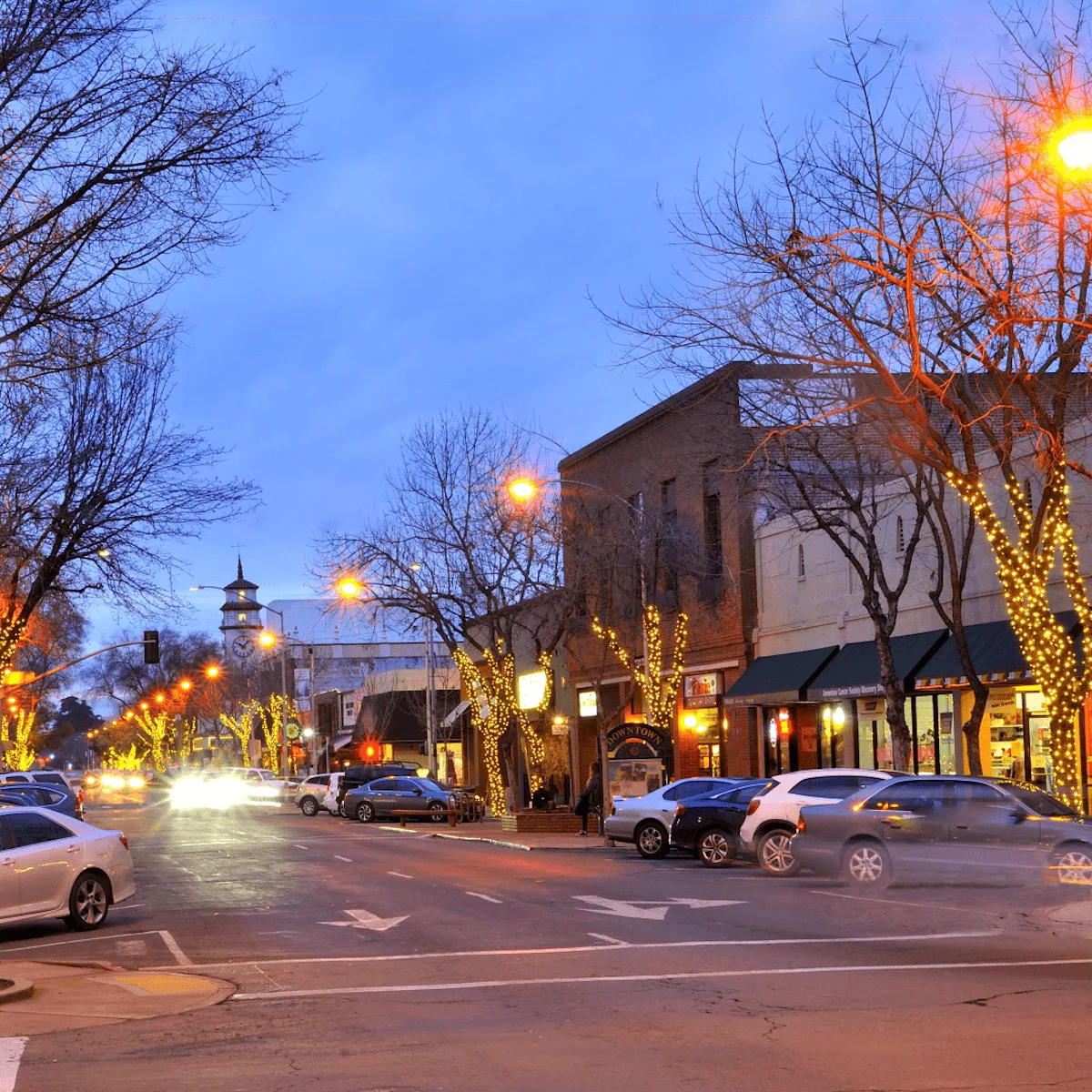
Commercial properties may have additions, repair zones, and equipment changes that do not share one roof assembly. We label each area on a plan, then connect photographs and invoices to the same identifier. That record helps a facility manager compare a new leak with earlier work rather than reopening the entire file. Commercial mixed-use activity is present on Mooney Boulevard and other corridors. A Mooney Boulevard corridor visit can be routed alongside an inspection, but that geographic context does not tell us what material or condition sits on a particular building. A Downtown Visalia property can carry different access needs, while the same section-by-section record keeps its roof findings separate.
When a tenant or retail operation remains open, the work window can control the sequence. We confirm roof access, interior protection, lift placement, noise restrictions, and who can approve an opening. The site contact may need to coordinate with facilities or a tenant representative before materials arrive. We write those instructions beside the affected roof section so a later crew can see why a repair boundary or test area was chosen. That saves time without blending unrelated buildings into one project record.
Set the Next Action from the Findings
A roof walk should end with a short list the owner can act on: urgent water control, a defined repair, a test that could change the scope, or a larger project for design. We separate confirmed conditions from assumptions and identify what would resolve each open question. If an assembly contains several layers, a test opening may be needed before selecting a recover or tear-off path. We keep the recommendation tied to the area inspected and record any portion that remains unavailable.
Send the property location, leak area, access window, roof plan, and any recent service records. We can scope the first visit around the condition that affects the decision and identify what should be on hand before the crew arrives. A building near a mixed-use corridor may have tenant timing concerns; the schedule still follows the roof condition and site rules. Our team can respond to urgent exposure at any hour, then document temporary protection separately from permanent work. The next estimate should name the repair boundary, material, access plan, and remaining unknowns.
Commercial Roofing Questions
Can a ceiling stain show the roof entry point?
Usually not by itself. We compare the interior mark with seams, curbs, drains, and nearby transitions, then test the area that best explains the water path.
Does heat damage mean the whole roof needs replacement?
No. We inspect exposed sealant, laps, flashings, and the membrane field, then separate localized repairs from conditions that need a wider evaluation.
What should I send before the first walk?
Send the roof plan, leak location, interior photos, access rules, and recent repair invoices. Those records help us focus the walk and label the area we test.
Can a coating solve ponding water?
A coating does not correct drainage by itself. We check the outlet, low point, substrate, and moisture condition before deciding whether a surface system belongs in the scope.
How do you plan work around an open business?
We confirm tenant access, staging, protection below, noise limits, and approval contacts before mobilizing. The site rules set the sequence for each roof section.