
Insurance and Restoration Roofing in Visalia, CA
Industries We Serve | Visalia and Tulare County
Insurance and Restoration Roofing
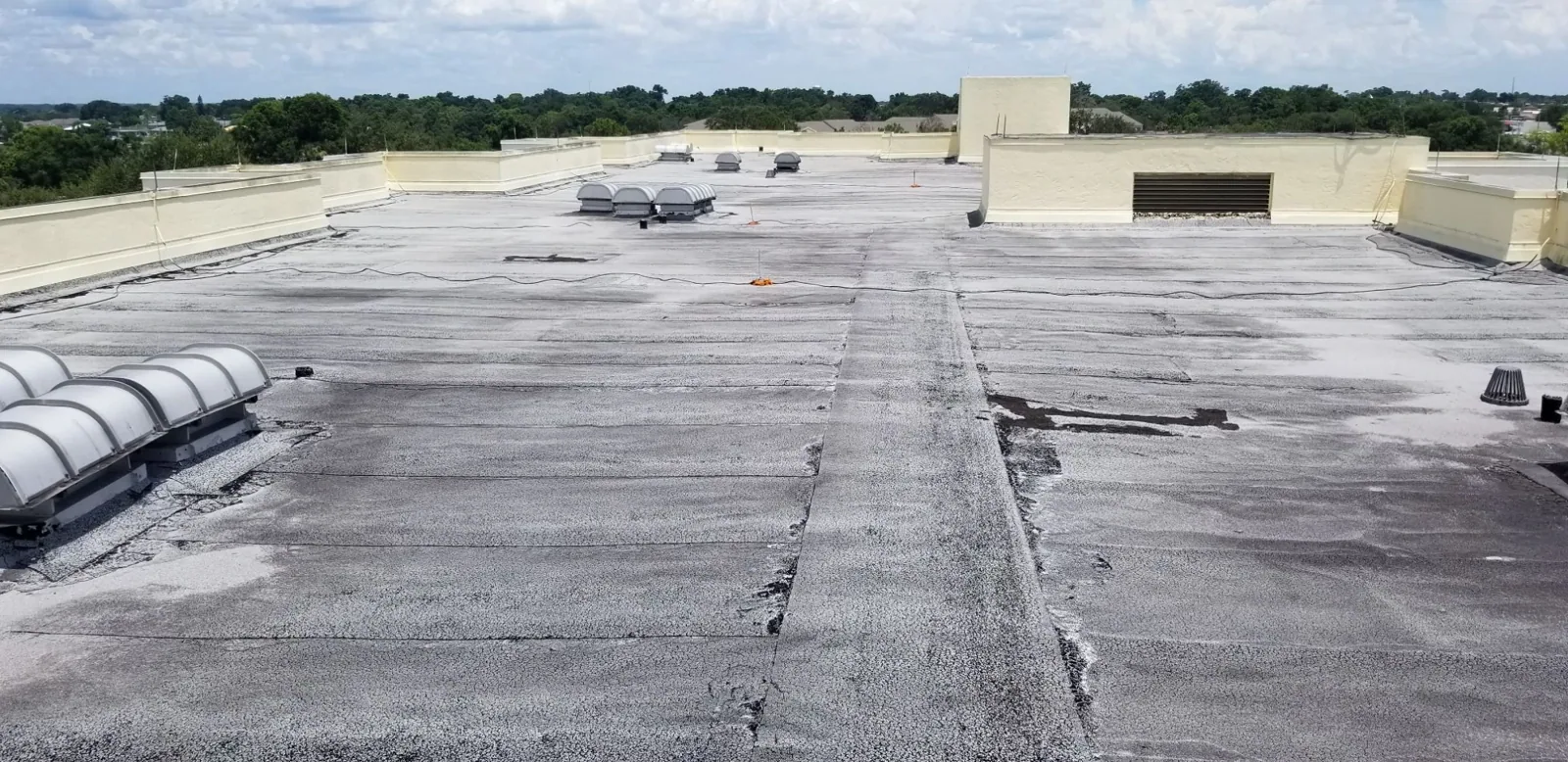
After water enters a building, the first roof visit needs to separate what is visible from what still needs testing. We record the reported area, inspect nearby seams and flashings, and trace the water path to the detail that can be checked. A property manager, adjuster, and restoration contractor may each need a different part of the record. We keep those parts connected through dated photographs, roof-area labels, and a written repair boundary. In Visalia, Downtown includes mixed commercial and public uses, and Mooney Boulevard is a regional retail corridor. Those city facts frame access planning, not the cause or condition of a claim property.
Protect the Building before Permanent Repairs
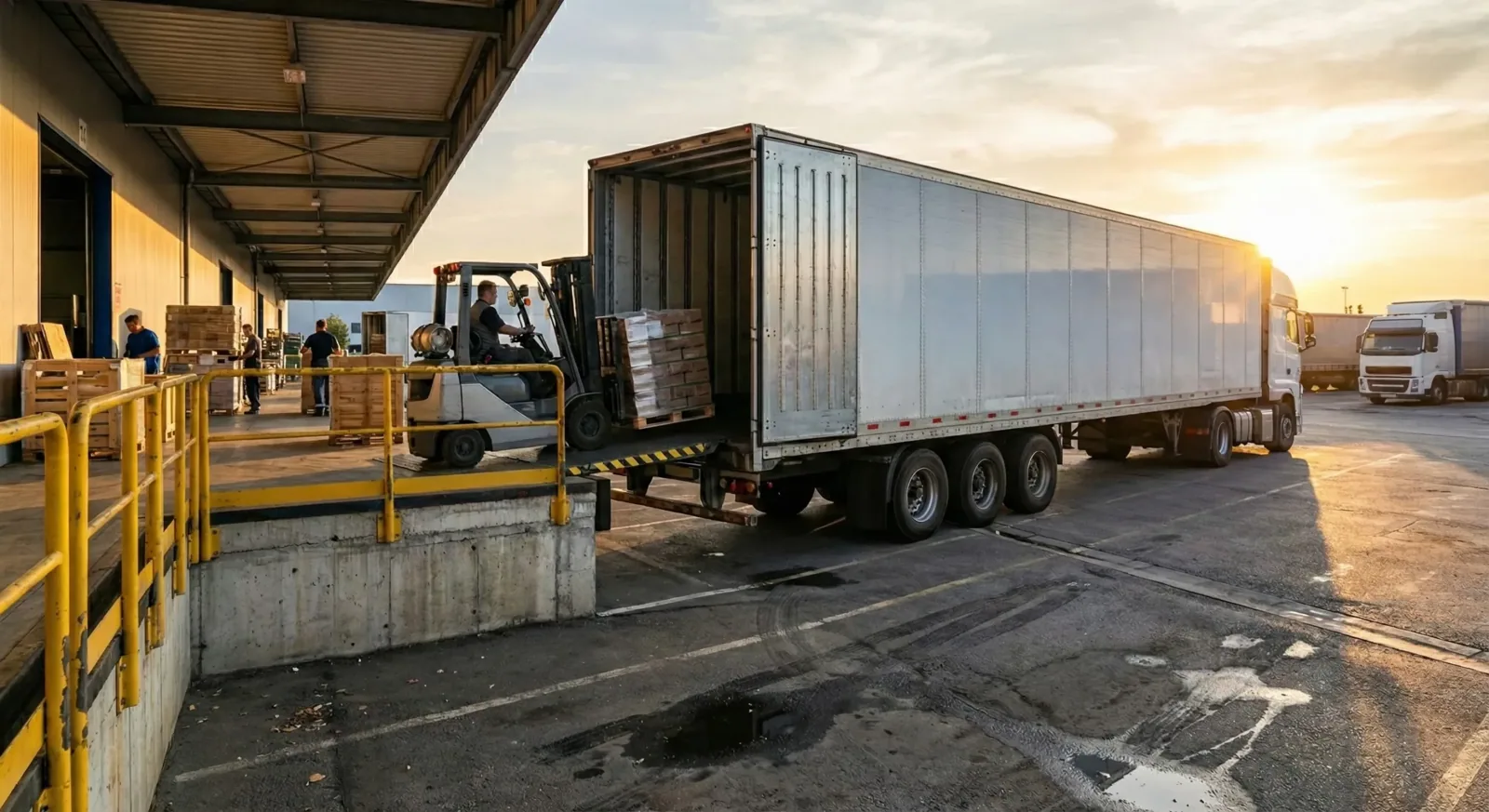
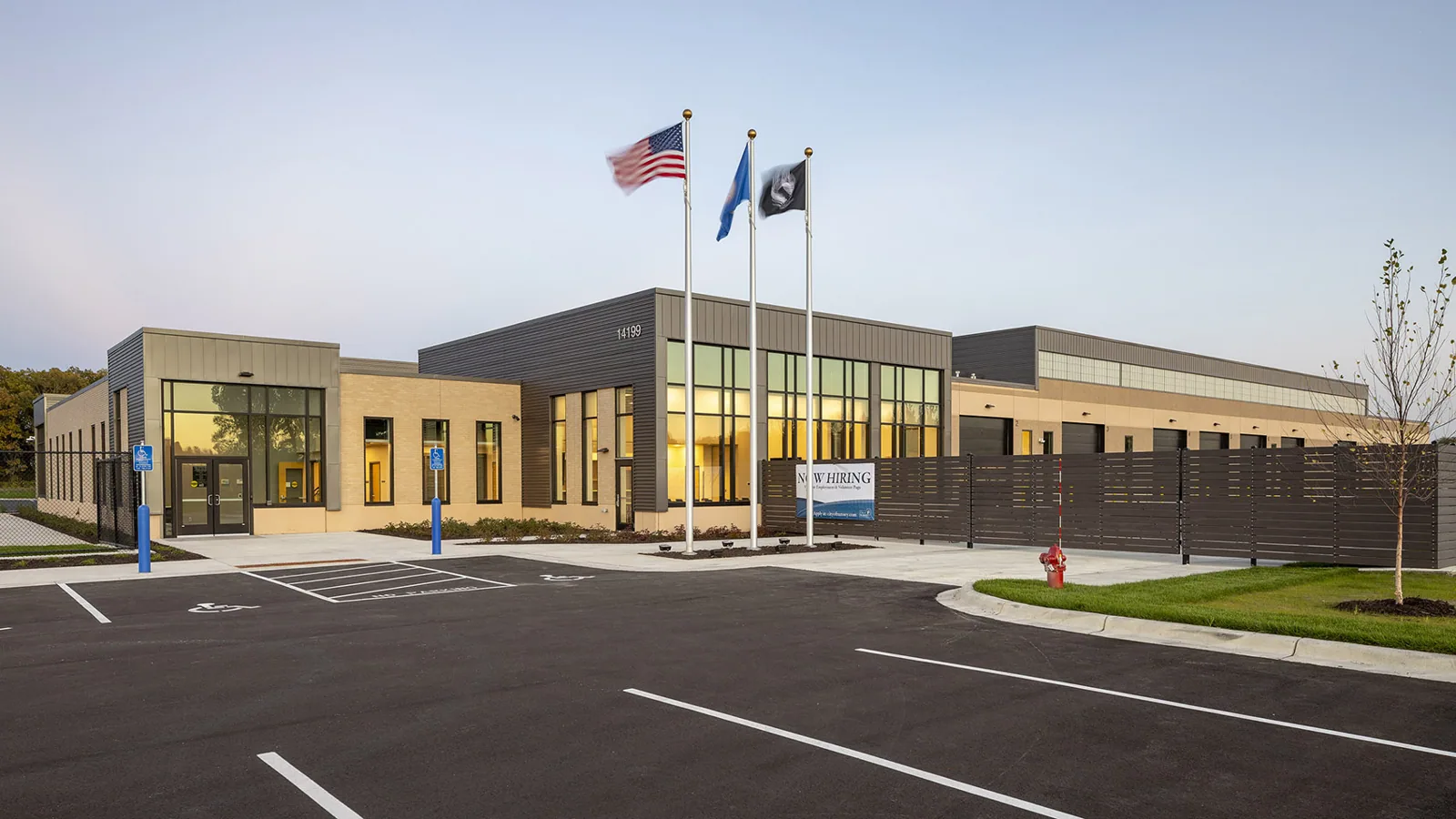
Active water entry can threaten interiors, inventory, equipment, and tenant operations. For a roof opening that cannot wait, our crew can respond any hour, every day, including holidays, then identify a safe first action. Temporary protection is documented separately from a permanent repair, including the area reached and the material used. If a roof opening must remain until the surface dries, the manager receives the limits and the return plan. An emergency roof response focuses on immediate exposure while the full assembly can be inspected.
Restoration work below the roof may need a separate sequence for ceilings, insulation, or contents. We coordinate the roof-side access and identify when the interior area can be checked again. If a temporary cover changes drainage or wind exposure, that condition is noted for follow-up. No one should assume that a tarp or sealant patch has corrected the water path. The work order names what was stabilized, what remained inaccessible, and which test or repair still needs approval.
Trace the Entry Point and Record the Test
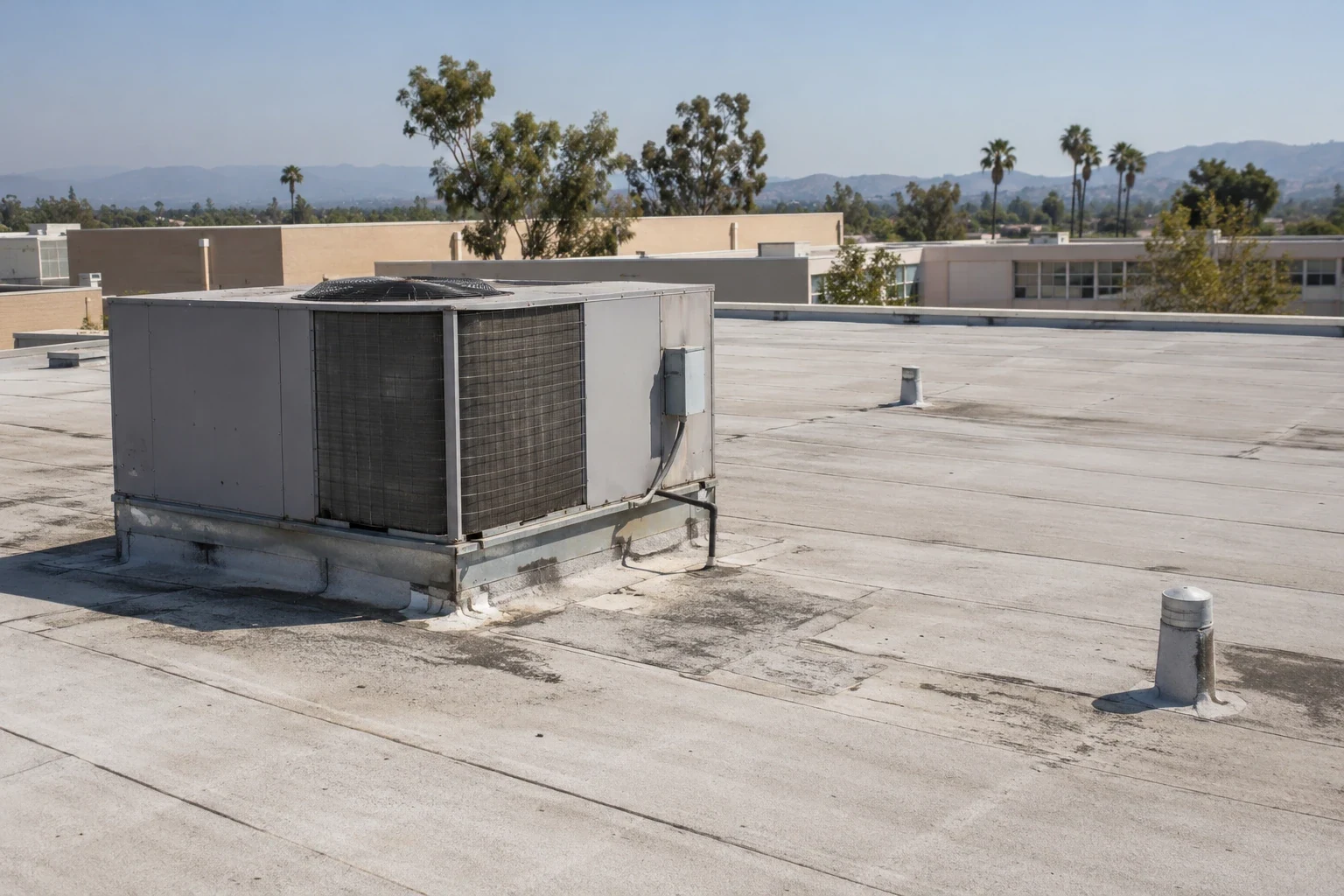
We begin at the reported room and compare its location with roof drains, seams, curbs, penetrations, parapets, and prior repair areas. Water can travel along insulation or deck flutes before reaching the ceiling, so the nearest roof detail is not automatically the source. We photograph the suspected path and inspect the connections that could move water into the assembly. A commercial roof inspection records the tested areas and any section that could not be reached.
If moisture testing or a small opening is appropriate, we mark the location and record the result. One reading or sample describes that point; it does not establish conditions across a whole building. We map confirmed wet insulation separately from material that remains untested. The adjuster or owner can then review the observed roof condition against interior evidence without treating an assumption as a finding. A clear record also helps the restoration team match ceiling removal to the roof section under review.

Use Visalia Weather as Context, Not Claim Proof
Visalia's station normals include a long warm season, with nearly 95 annual days reaching highs of at least 90 degrees Fahrenheit. Heat can age exposed sealant and affect product application limits, but Citywide climate averages do not establish conditions on a particular claim date. We examine the roof surface, repair edges, fasteners, and flashing for the actual evidence. If wind-related movement is reported, we document lifted edges, displaced metal, or open seams where present and distinguish those observations from older conditions.
The same local normals put mean annual precipitation near 10.32 inches, with precipitation weighted toward the cooler part of the year. That seasonal pattern makes drains, overflows, and laps relevant to a water-entry inspection. It does not establish which storm affected a property. For a site in Downtown Visalia or along the Mooney Boulevard Regional Retail Corridor, we still need the loss date, interior location, and roof access to identify what can be inspected. The storm-damage assessment ties Diligence Notes to the reported event while keeping untested conditions separate.
Separate Damage Repair from Existing Wear
A claim file is easier to review when the repair scope identifies observed damage, prior patches, and maintenance conditions separately. We note open seams, loose edge metal, punctures, wet insulation, and any roof deterioration visible during the inspection. Where a condition appears older or its timing is uncertain, we label it for follow-up instead of assigning a date. The repair scope states the tested boundary, materials, and adjacent areas that remain outside the work. An insurance claim assistance record can organize those findings for the property team's review.
The carrier reviews policy and coverage. Our work record describes the roof condition and the labor and materials proposed to restore the assembly. We can provide photographs, test locations, and a written estimate for the property team to submit through its process. If hidden deck or insulation damage appears after removal, we pause at the approved limit and document the added condition before expansion. A condition report can keep those findings organized for the adjuster, owner, and restoration contractor.
Coordinate the Adjuster and Restoration Team
Before a joint inspection, agree on the roof plan, safe access route, affected room, and who will record each test. We can show the proposed repair boundary, photograph the roof detail, and answer questions about assembly materials and installation. The adjuster determines how the policy applies; the restoration contractor manages interior work under its own scope. A general contractor coordination plan may help when the building also has an active construction schedule.
For a portfolio owner, keep each claim file tied to the property, date, and roof section. Downtown Visalia and Mooney Boulevard are city-level contexts with different access patterns, but the building manager sets the actual escort, tenant notice, and delivery rules. A property management record can preserve invoices, prior inspections, leak reports, and closeout photos without blending one location's history with another. We can join a follow-up walk when the team needs a roof-side check against the documented interior work.
Keep the Final Repair Record Complete
After permanent work, the closeout identifies the repaired roof area, material installed, test result, before-and-after photos, and conditions left for another visit. If a temporary measure remains, it is listed separately with the next inspection step. The record can show which roof sections were opened and which stayed beyond the approved scope. That helps an owner evaluate a later leak without assuming the entire assembly was repaired or inspected.
Keep the claim correspondence, roof plan, estimate, repair authorization, work order, and final photos together. A date and consistent area label make each document easier to match. If the event exposed a larger maintenance issue, list that separately for the property's capital plan. Send the building location, reported loss date, interior photos, roof access details, previous repair records, and adjuster contact before a visit. We will document the roof evidence and prepare a scope that identifies the work supported by the inspection.
Commercial Roofing Questions
Can you document a roof condition for an insurance review?
Yes. We record visible damage, test locations, photos, repair boundaries, and any area not inspected. The carrier evaluates the policy and claim based on its process.
Does one inspection identify when all roof damage occurred?
No. We describe the conditions we can observe and separate uncertain timing from the field evidence. Prior invoices, dated photos, and maintenance records may help the owner build the history.
What happens after emergency stabilization?
We schedule a follow-up inspection when the roof can be safely accessed and the surface is ready for permanent work. The temporary measure remains identified in the record until the repair is complete.
Can an adjuster attend the roof inspection?
Yes, when access and schedules allow. We can review the roof plan, test location, and proposed repair boundary with the property contact and claim representative.
How do you handle pre-existing roof wear?
We record visible wear separately from observed event-related damage and label any uncertain area for review. The written scope identifies which conditions support the proposed repair.