Commercial Roofing in Reedley, CA
Service Areas | Visalia and Tulare County
Reedley
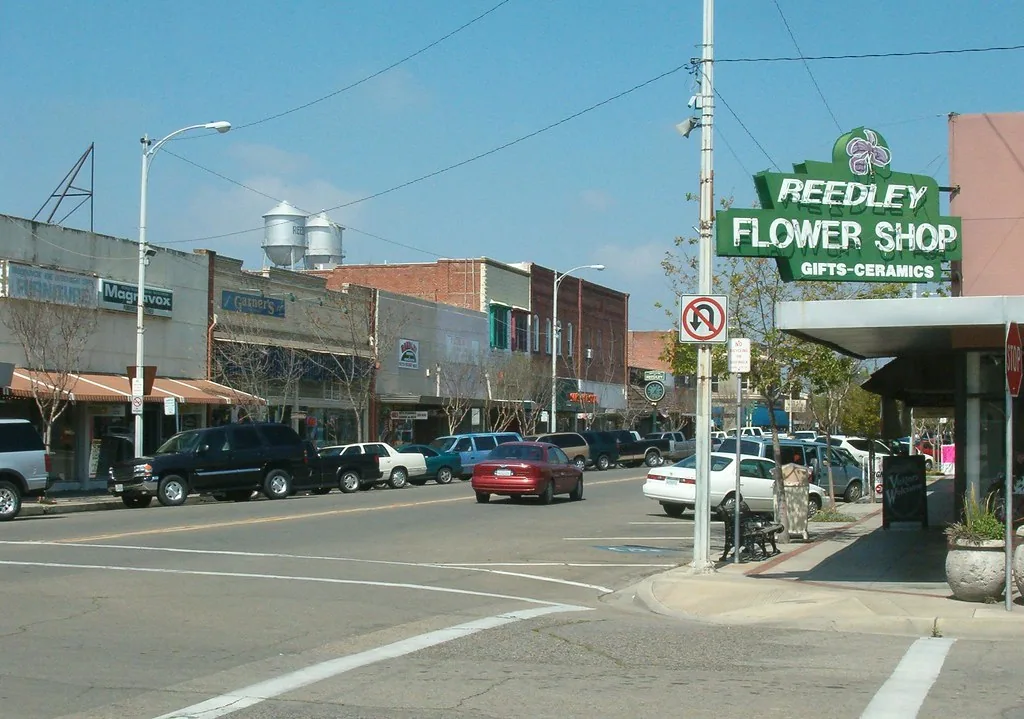
A drain that holds water after rain needs a closer look at the bowl, slope, and membrane around it. In Reedley, the City’s planning priorities include retail and service-commercial activity as well as industrial development. We inspect the actual roof before matching those uses to a repair. The first walk traces water from the interior report to the nearest seam, penetration, edge, or drain, then records what is confirmed. If the issue is isolated, a focused roof repair may be enough.
Separate a Drain Problem from a Roof Failure
Water standing near a drain can point to a blocked bowl, loose connection, inadequate slope, or a membrane detail that has opened. Each cause needs a different response. We check the drain opening, clamp ring, nearby seam, overflow route, and the low area around them. If the water has reached insulation or the deck, the scope may need a limited opening before a permanent patch. A drainage complaint should not become a roof replacement recommendation until the surrounding assembly has been checked.
Reedley’s redevelopment priorities include streets, water, sewer, storm drainage, curb, gutter, and sidewalk improvements that support commercial revitalization. Those public infrastructure goals are separate from any one roof’s drainage system. At the building, we verify the roof slope and outlet path rather than assuming an off-roof project identifies an interior condition. A drain and scupper inspection can document the connection from the roof surface to the discharge point.
For a leak inside a retail or service space, the ceiling mark can sit away from the actual entry. Water may follow the deck or insulation before it appears below. We compare the interior report with roof seams, curbs, penetrations, and wall transitions. If moisture is not visible at the surface, an infrared survey can help identify where to verify. Any test opening stays specific, with the patch and repair boundary documented.
Record the Assembly before Choosing Materials
A roof file may name TPO, PVC, EPDM, modified bitumen, metal, or a coating, but records can lag behind later repairs. We compare the written history with the membrane, seam type, attachment, flashings, and visible patch materials. If the system remains uncertain, we identify a small area for a closer test rather than applying a product that may not bond. The work order records what the test confirmed and which material requirements apply to the repair.
Visalia, CA is the climate reference for the surrounding service area. Visalia's climate averages local station normals count 94.7 days a year with daily highs of at least 90°F; average annual rainfall is 10.32 inches and mostly arrives from late fall into early spring. These readings are for Visalia, not a separate Reedley station. The extended dry period and cooler-season rain help set inspection timing for exposed sealants, laps, and drains. We also note whether shade, debris, or a low roof area changes the condition at the property.
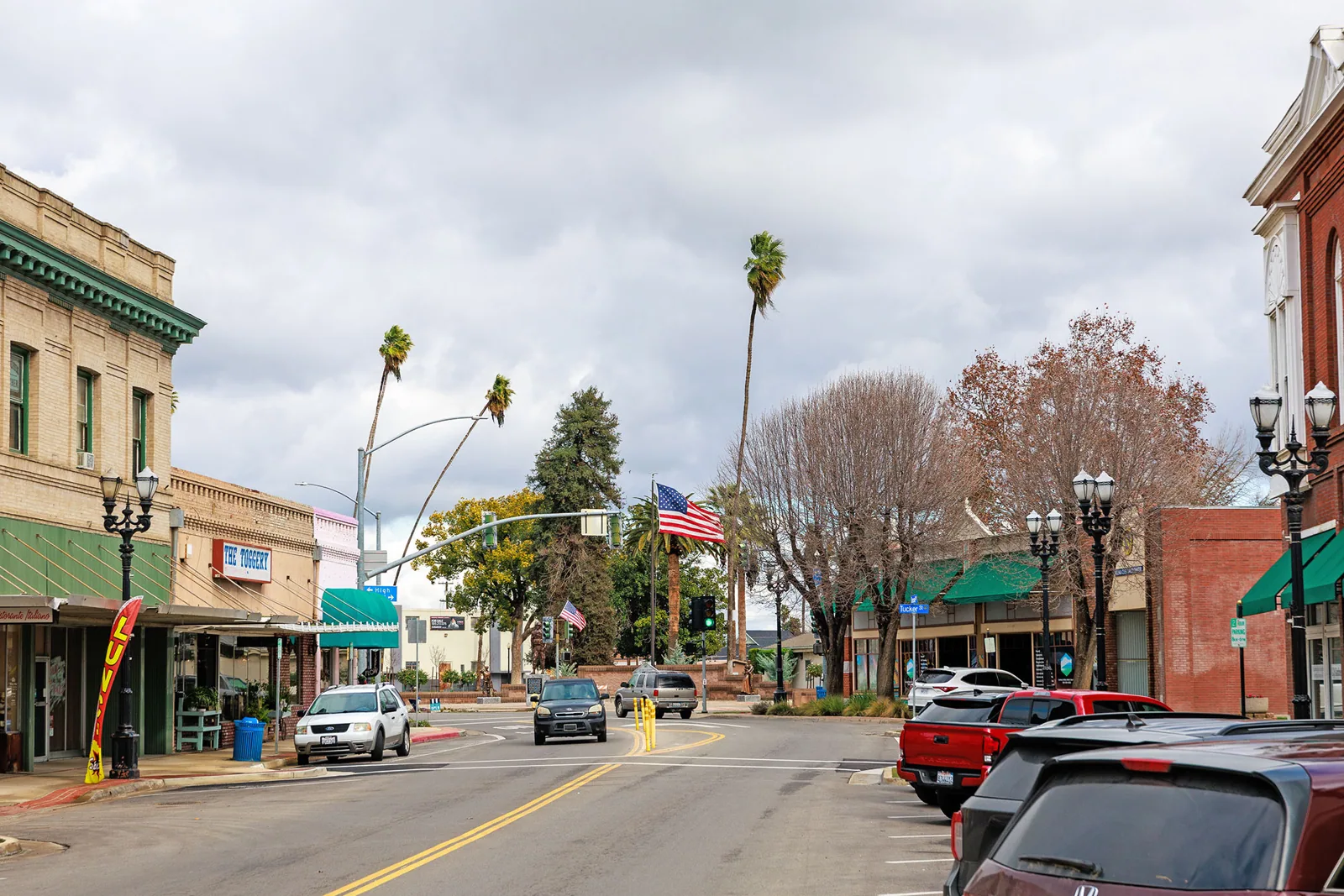
Reedley’s local commercial and service activity provides context for the buildings a contractor may be asked to inspect, but it does not establish the roof type at a particular address. We ask the owner for recent repair invoices, inspection photos, roof plans, or warranty paperwork. The roof walk identifies anything the records do not resolve.
Inspect the Details That Open First
Seams, pipe boots, curb corners, scuppers, parapet terminations, and metal edges concentrate movement and water flow. We look for a lifted weld, cracked sealant, unfastened metal, punctures, and patched areas that have lost a sound edge. A detail that appears dry from above may still need a test if the interior leak continues. We note the direction of water, whether insulation feels wet, and how far the visible damage extends.
On a low-slope assembly, a membrane patch works only when it can be joined to clean, compatible material. We prepare the surface and confirm that the patch extends past the damaged area onto a stable edge. At metal transitions, we check fasteners and movement without bridging a joint that needs to flex. If the deck is soft or the insulation is saturated, replacing that small section may be more reliable than sealing over it.
When symptoms appear in more than one area, we compare them before expanding the work. An inspection report can map the wet areas, prior repairs, drain conditions, and roof records. If the facts support only a local repair, we keep the scope there. If several parts of the assembly are failing, the owner can review a larger repair or capital project with the evidence and assumptions set out separately.
Plan Work around Interior and Site Access
A retail operation may need its customer entrance open while a repair is underway. A service-commercial building may have appointments or deliveries that limit where a lift can sit. We confirm the access point, roof entry, protected areas below, and the hours when noise or equipment movement can happen. The plan identifies where material is staged and which walkways or vehicle paths stay clear. If work takes more than one shift, we note how the area will be secured between visits.
Weather can change the repair method. A wet surface can prevent reliable adhesion, and material instructions govern the temperature and preparation needed for welding or curing. Our crew responds every hour of the week, holidays included, when water is actively entering. We can protect the affected area and trace the entry path, then return for permanent work when the roof and materials are ready.
Cost depends on access, roof height, the repair boundary, tear-off, wet insulation, deck work, disposal, and any drainage correction. We list what is included and what remains a separate option. If an owner is comparing a recover with full roof replacement, we show the condition that supports each alternative. A maintenance plan can also prioritize small repairs before they reach interior finishes.
Choose a Scope that Fits the Evidence
A narrow repair can make sense when the defect is isolated and nearby material is stable. We prepare the area, complete the compatible repair, and check the edge for a secure bond or weld. When moisture is present, the scope identifies the affected insulation and whether the deck needs repair. The manager sees which materials are removed, what is installed, and how we protect the opening during work.
If repeated water entry follows multiple seams or a larger area contains wet insulation, a patch may not solve the underlying problem. A recover can preserve an existing assembly only when its condition and local requirements allow another layer. Replacement removes more material, creates a chance to correct slope or insulation, and requires a longer operating plan. We compare those choices after checking the roof, not before.
Reedley’s plans address infrastructure that supports commercial revitalization, while the roof’s condition determines whether drainage repairs belong in the current project. We keep those decisions distinct. A leak response can protect a room now; the written assessment can then show whether a drain correction, broader membrane repair, or replacement deserves a separate bid. Nearby work can also be arranged in Kingsburg roof reviews or Selma commercial roof visits, with each property assessed on its own roof condition and access plan.
Commercial Roofing Questions
What should I do when a drain area ponds after rain?
We check the bowl, overflow, slope, and membrane around the low point. The repair follows the cause, which may be debris, a loose connection, or a broader drainage condition.
Can you inspect the roof while customers are inside?
Yes. We coordinate roof access and protection below, then schedule noisy or disruptive steps around customer routes and the business hours you provide.
Do roof plans always identify the membrane now in place?
Plans help, but later repairs or overlays may have changed the assembly. We compare records with the roof and test a small area if identification remains uncertain.
When does wet insulation need to be removed?
We verify the affected area before including removal. Wet or damaged insulation can compromise a patch, so the scope shows where it is opened and replaced.
Can a roof repair be phased around appointments or deliveries?
We set the work zone and staging time with the site contact. A larger project can be divided into areas when the roof and weather conditions support that sequence.