
Commercial Roofing in Kingsburg, CA
Service Areas | Visalia and Tulare County
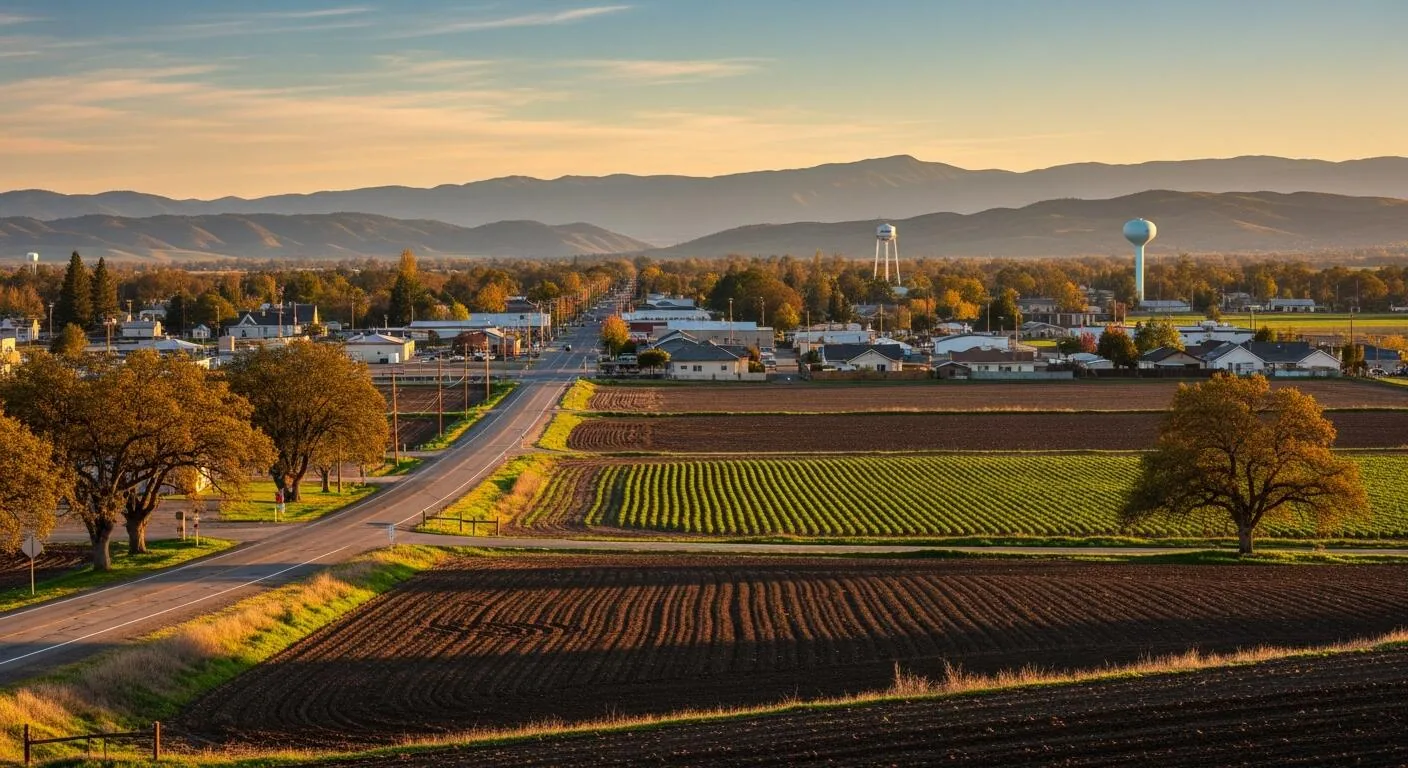
Kingsburg
A low-slope roof in Kingsburg can serve a commercial or light-industrial property, and the first check should match the actual assembly. Kingsburg has business park and light-industrial zones, with Highway 99 access and agricultural-business connections shaping the area’s economic context. We inspect the seams, penetrations, drains, and perimeter before recommending a repair. A commercial inspection records what is sound, what is leaking, and what needs another test so an owner can make a clear next decision.
Locate Water before Opening the Roof
A leak can start far from the ceiling mark. Water follows deck flutes, insulation joints, framing, and low points before it becomes visible indoors. We compare the reported area with the roof details above it, then check laps, penetrations, curbs, edges, and drains. A wet mark that moves after rain may call for a different test than a stain that stays unchanged. We document the condition first, then recommend a limited opening only when the next layer cannot be checked from the surface.
Kingsburg’s Business Park and light-industrial zones give a useful setting for the service area, but they do not identify any one property’s roof system. We confirm whether the building has TPO, PVC, modified bitumen, metal, or another assembly using roof records or a careful field review. Color is not enough. The repair method must suit the membrane and the existing fastening or adhesive pattern.
Highway 99 access can affect when crews and materials arrive. We ask the property contact about delivery periods, vehicle routes, and any time when a gate or loading area must remain clear. A roof inspection also needs safe hatch or ladder access and a person who can authorize entry. Those details set the visit; the observed roof condition sets the work.
Inspect the Details that Move with Heat
Sun and temperature movement put steady stress on exposed sealants, sheet edges, and flashing transitions. Visalia’s Visalia's climate averages describe a long warm season, with many days at or above 90°F. Those numbers belong to the Visalia station, the market center, not a separate Kingsburg measurement. The repair check is physical: look for a bead that has pulled away, a seam that has opened, a loose termination, or a boot that has split around a pipe.
At each detail, we check the material on both sides of the joint. A compatible patch needs clean, sound surfaces and enough room to bond or weld beyond the damaged area. If the roof is dirty, oxidized, or coated with an unknown product, surface preparation matters before any patch is placed. We also inspect the drain bowl and overflow path because debris or a loose clamp can keep water against a seam for longer than it should.
The City’s business programs include property-improvement and retention efforts. On a working property, project timing can overlap with deliveries or seasonal operations. We plan the roof walk around those conditions without treating a business-zone designation as proof of a particular use or construction. The roof record names the observed assembly, repair history, access constraints, and any moisture test needed next.
If the visible damage is narrow, a leak repair assessment can keep the test focused. Where a larger area has recurring wet insulation, an infrared moisture survey can help direct verification. Neither step replaces a hands-on check at seams and transitions; together, they help identify the repair boundary before materials are ordered.
Compare Repair, Recover, and Replacement
A repair may fit when a puncture, open weld, or failed flashing remains isolated and the surrounding assembly is serviceable. We prepare the surface and test the repair edge so the new material is not bonded over dust or loose membrane. If insulation is wet, the work may need a small opening and replacement of the affected section. The scope should state the amount of roof opened, how the detail is rebuilt, and how the site will be protected while it dries.
Repeated leaks, multiple failed seams, or widespread moisture can justify a larger comparison. A recover can reduce tear-off, but only when the existing layers, attachment, drainage, and code limits support another system. Replacement offers an opportunity to review insulation and slope, but it changes access, disposal, and the work window. A replacement scope should explain which conditions make the broader project necessary, not just repeat the cost of a patch.
The owner can compare options more clearly when the roof record separates confirmed damage from assumptions. We include photos of the leak area, seam edges, drain and overflow, penetrations, and any test cuts. A repair proposal lists the work included, related areas excluded, and a follow-up check if the water path is still uncertain. A modified-bitumen review or membrane-specific recommendation follows only after the system is identified.
Set a Work Window that Fits the Property
Roof work can happen above an occupied business without treating the building below as an afterthought. We identify entrances, sensitive rooms, receiving periods, and where tools can be staged. If the job needs cutting, heat welding, adhesive, or a longer cure period, we explain the sequence and what must remain protected. A smaller repair may fit between operations; a larger replacement may require phased areas and a longer access plan.
Weather also affects the schedule. A wet deck or surface can keep materials from bonding and make roof access unsafe. The selected system’s product requirements govern how we prepare, fasten, weld, and close the assembly. For urgent water entry, our crew can respond every day and at any hour, holidays included, to limit interior exposure and identify the first repair. Permanent work follows once conditions support it.
Cost drivers include height, access, tear-off, wet insulation, deck repair, disposal, and whether drainage needs correction. We outline these items before expanding the work area. If the owner is planning a capital project, a maintenance review can prioritize the repairs that protect the roof record and defer work that is not yet supported by inspection findings.
Keep the Next Decision Tied to Evidence
After a visit, the property manager should have a practical record, not a stack of unexplained photos. We label the roof area, show the detail that appears to admit water, describe any patch or test, and mark what remains uncertain. If moisture readings or a test cut are recommended, we note the question each will answer. This helps an owner compare repair and replacement proposals on the same basis.
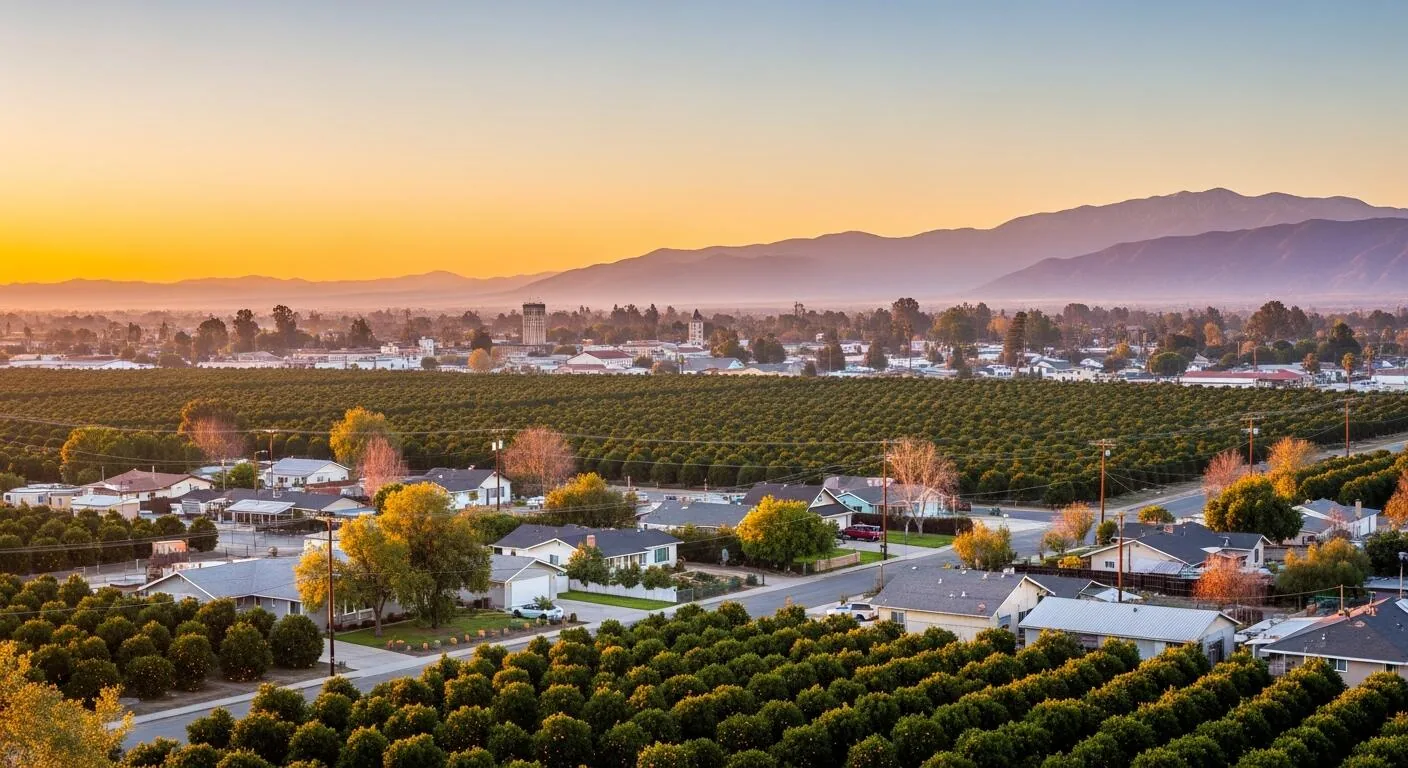
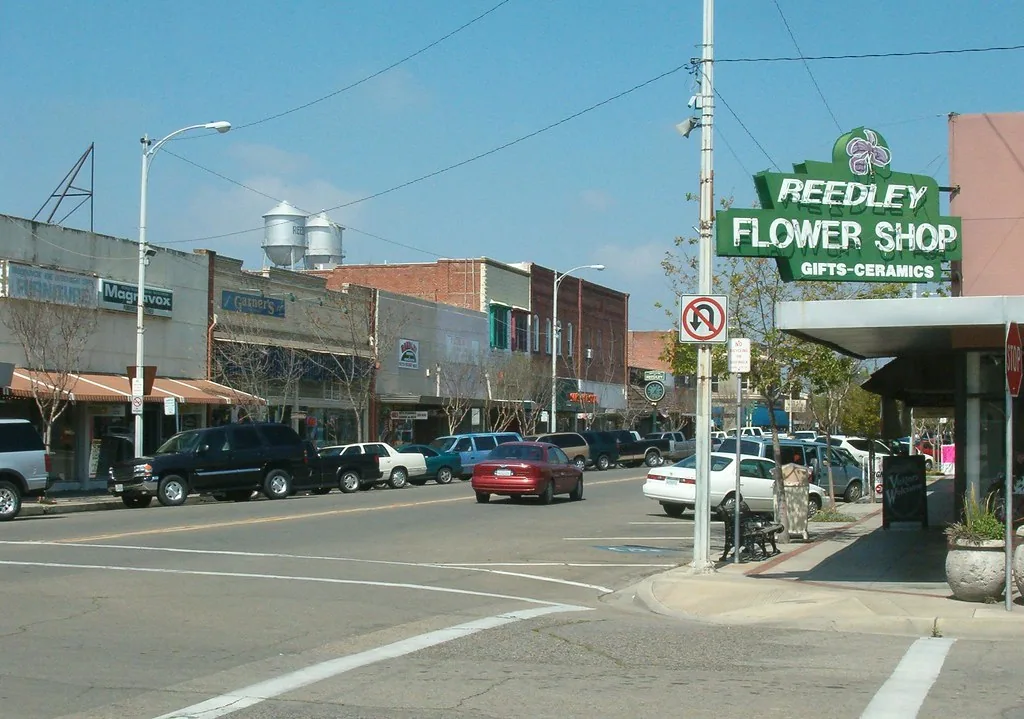
Kingsburg’s Highway 99 connection and its agricultural-business context help explain why access and timing can matter for local commercial properties. Visalia’s Industrial Park is another regional reference point, but each roof still gets its own inspection and system identification. If you are comparing a Traver service visit or a Corcoran roof inspection, the same process applies: check the water path, record the assembly, and set the scope around evidence. Share the Kingsburg property location, active leak area, roof access window, and available roof records to plan the first walk.
Commercial Roofing Questions
How can I tell whether an older membrane is TPO or PVC?
We review records and examine the membrane, seams, and details. If the material remains uncertain, a small test can confirm the assembly before selecting a repair product.
What does a roof inspection include for a light-industrial building?
We check the leak path, seams, edges, penetrations, drains, prior repairs, and access. The report separates observed conditions from tests that may be needed next.
Can a seam be welded during a hot afternoon?
The membrane temperature and product requirements control the method. We check conditions, prepare the surface, and schedule welding when a reliable seam can be made.
Should I repair a roof before a planned replacement?
If water is entering, a temporary or permanent repair can protect the interior while the larger scope is developed. We document how the work relates to the replacement plan.
What makes a recover unsuitable?
Too much existing material, wet insulation, poor attachment, drainage problems, or applicable limits can rule out another layer. We verify these conditions before recommending recover.