Commercial Roofing in Corcoran, CA
Service Areas | Visalia and Tulare County
Corcoran
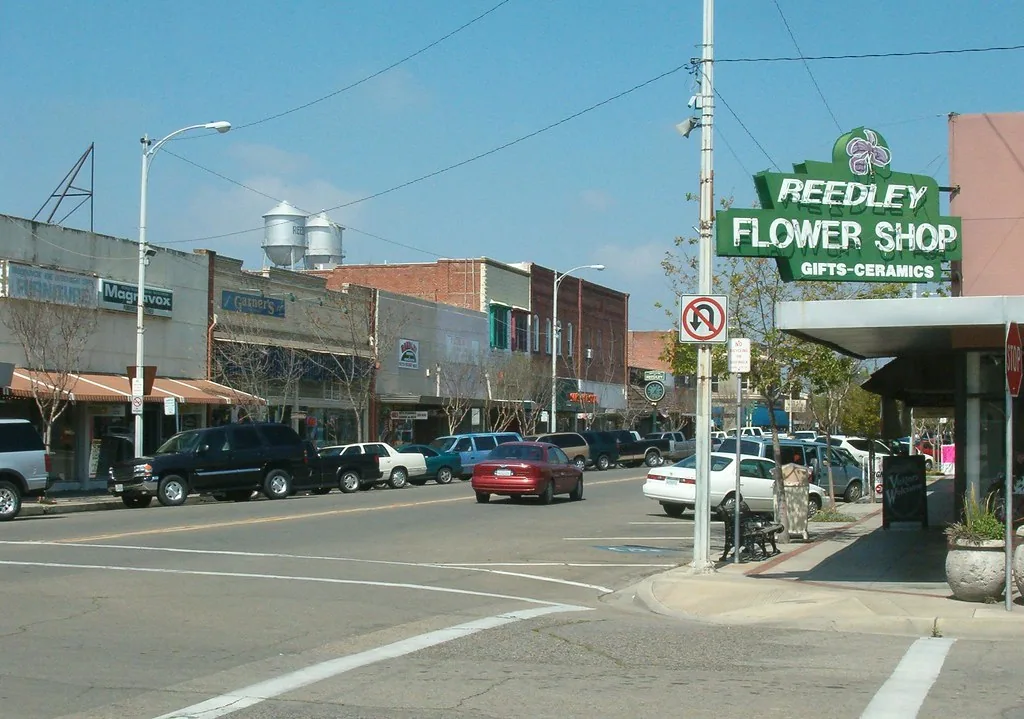
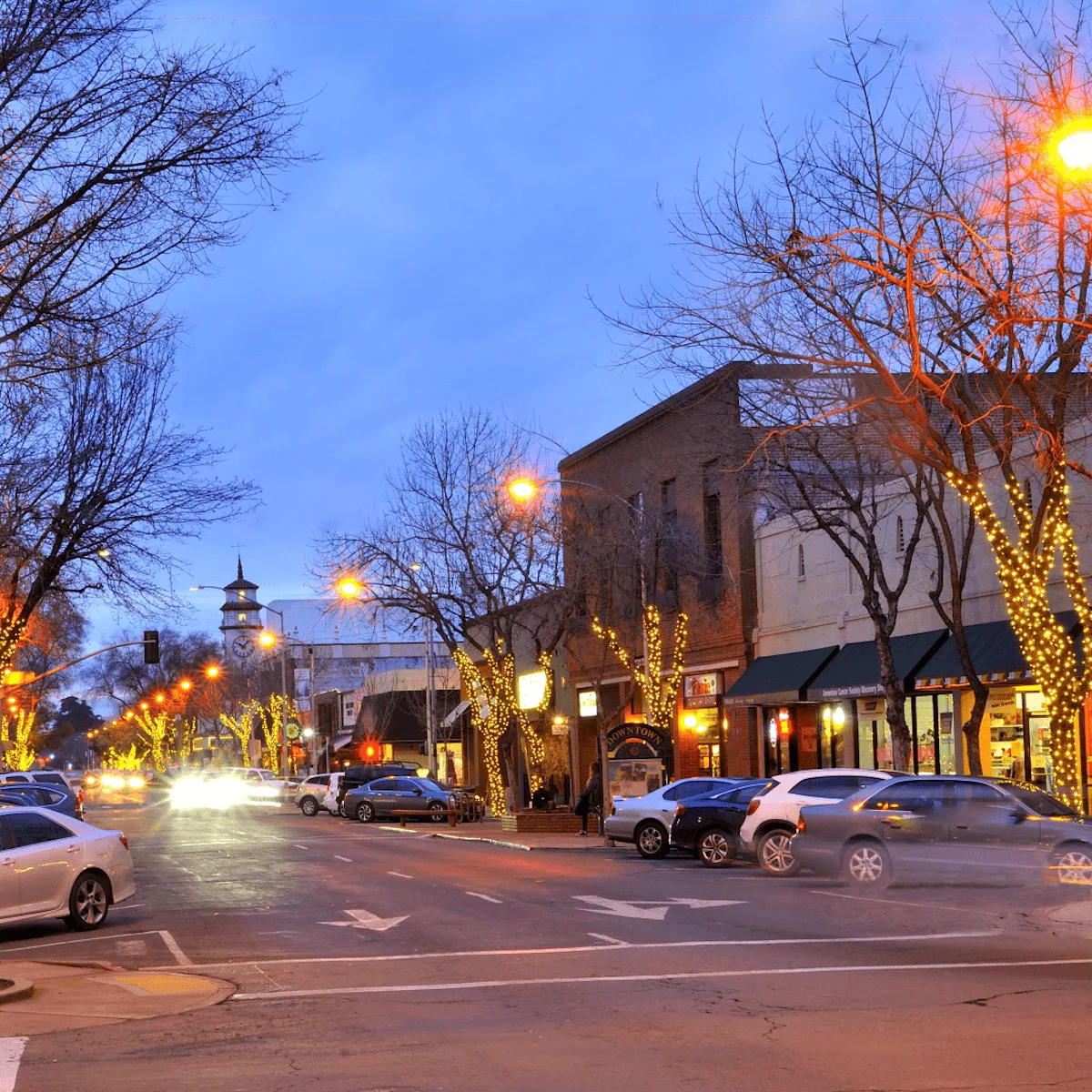
Corcoran’s downtown serves a concentrated mix of shops, restaurants, banking, and medical and vision-care businesses. Those occupied spaces need a roof plan that protects interiors without closing the whole day. We start by tracing the water path, checking the nearest flashing and drain details, and separating a confirmed defect from a wider condition that needs testing. For a small opening, our leak repair service can focus on the affected assembly. A written roof record gives the manager a basis for repair, recover, or replacement decisions.
Separate the Stain from the Roof Defect
A ceiling mark inside a shop or medical office can sit several feet away from the roof entry point. Water may travel along insulation, a deck flute, or framing before it appears indoors. We begin above the reported area and follow the assembly toward drains, seams, curbs, and wall transitions. If a patch covers an older repair, we check the edge and surrounding membrane before adding another layer. The test remains limited to the condition we can support.
Corcoran’s commercial core is described as including local restaurants, shops, banking, and health-care services. For an occupied storefront or office, we confirm which rooms need protection, whether the ceiling can be opened, and when a roof visit can happen without interrupting patient or customer access. The roof detail still controls the repair. A short operating plan simply keeps access, noise, and materials coordinated with the business below.
That record helps distinguish recurring water entry from a one-time interior issue. We check the nearest seam, penetration, perimeter edge, and drain path, then mark any area that needs moisture testing. If evidence remains uncertain, an infrared moisture survey can guide where to verify the assembly rather than opening the whole roof.
Inspect the Details that Carry Water
At the roof surface, we look at laps, welds, termination bars, metal edges, pipe boots, curbs, scuppers, and drain bowls. A split sealant bead may be the entry point, but it can also be a symptom of movement at the adjoining detail. We test the area where the two materials meet and check whether the membrane is bonded or mechanically attached. For an older repair, we identify the material before deciding what can be added without creating a new compatibility issue.
Drainage deserves its own check. We clear the bowl enough to inspect the clamp and opening, compare the low point with the surrounding slope, and look for debris that can hold water against a seam. A slow drain may need cleaning, a corrected connection, or a larger drainage change. The repair scope notes how long the condition appears to remain and which nearby seams need follow-up.
Corcoran has an economy tied to agriculture and businesses such as equipment, fabrication, and suppliers. That context can mean a property has deliveries, stock, or tools to protect, but it does not establish the use or roof type of a specific building. We ask the manager about loading hours, customer entrances, and sensitive interior areas before staging materials. A commercial roof inspection then records the roof itself, with operational details kept separate from physical findings.
For the wider service area, Visalia's climate averages climate normals describe Visalia, including a sustained warm season and precipitation concentrated in cooler months. That seasonal pattern is regional context, not a Corcoran-specific forecast. That seasonal cycle informs when we schedule a maintenance visit and what we check: exposed sealants after heat, then drains and seams before wetter weather returns.

Choose a Repair Boundary You Can Review
A contained puncture or opened seam may need a local repair. We prepare the surface, confirm a sound edge, and use a material compatible with the existing roof. If water has moved into insulation, the repair can require a limited opening and replacement of the affected layer. The scope should identify the tested area and how the repair terminates, so the owner can understand what is included and what remains to monitor.
Repeated failures, wet insulation across several areas, or a roof surface that no longer accepts reliable repairs can justify a larger comparison. A repair visit can stabilize a specific issue while we document broader conditions. A recover adds a new system only if existing layers, attachment, moisture, and applicable limits allow it. Replacement removes more material and offers a chance to rebuild drainage and insulation, but it also requires more access and disposal planning.
Roof records can clarify the material and prior scope. We compare plans, invoices, photos, and any available warranty documents with what we see on the roof. If those records identify an assembly, our modified-bitumen system review or a compatible membrane assessment can follow the actual construction. If the layers remain unknown, a small test is more useful than a product guess. That is the point where the owner can decide whether to repair now or price a broader option.
Keep the Work Window Clear
For a downtown business, roof access can share the day with deliveries, appointments, or a lunch rush. We set the work window with the person who controls entry, confirm the path for tools, and identify rooms or merchandise that need protection. A short seam repair can be scheduled differently from a drain rebuild or a larger section replacement.
Weather and material conditions also set timing. Hot afternoons can affect surface temperature and the handling of some products. A wet roof can prevent safe access or reliable adhesion. We plan around manufacturer requirements for the materials selected and reschedule when conditions do not support a durable installation. If water is entering now, we can respond around the clock, including weekends and holidays, to protect the interior and locate the entry path before permanent work.
Cost follows the scope, not just the visible stain. Access, roof height, tear-off, insulation condition, disposal, drainage changes, and protection below all affect labor and schedule. We list those drivers in the replacement estimate or repair proposal so the property manager can compare the same work across options. A focused scope may solve the current issue; a larger project should show why its added area is needed.
Leave a Record for the Next Roof Decision
After the visit, the manager should be able to see what was tested, what was repaired, and what still needs a second look. Photos show the reported interior location and the corresponding roof detail. Notes mark the repair boundary, wet or questionable insulation, drainage observations, and any limits caused by access or weather. If further testing is recommended, the record states the question it is meant to answer. That keeps a future bid grounded in the same evidence.
Visalia is the regional center for this service area, and Highway 99 supports the movement of goods across the valley. A manager comparing a Traver roof assessment or a Visalia Industrial Park visit should expect the same evidence-first approach, with the roof, access plan, and daily operation reviewed separately for each property. Share the Corcoran location, active leak area, access window, and any roof records before scheduling.
Commercial Roofing Questions
Can a roof repair be done above an open shop?
We plan the access and work window with the property contact, then protect the area below where the repair calls for it. The roof condition and the shop’s schedule shape the sequence.
What if the old patch is covering the leak source?
We inspect the patch edge, nearby seam, and the path from the interior mark. If the repair material is unknown, a small test helps identify a compatible next step.
Do you need to replace insulation for every leak?
Only evidence of wet or damaged material supports that scope. We check the affected area and note whether a limited opening or additional moisture testing is needed.
Can the roof be checked before the wetter season?
Yes. We can review drains, laps, flashings, and exposed sealants, then record repairs or follow-up tests before seasonal rain becomes a scheduling constraint.
What information helps you scope the first visit?
Send the property location, leak area, roof access contact, preferred work window, and any prior inspection or repair records. That lets us plan a focused first walk.