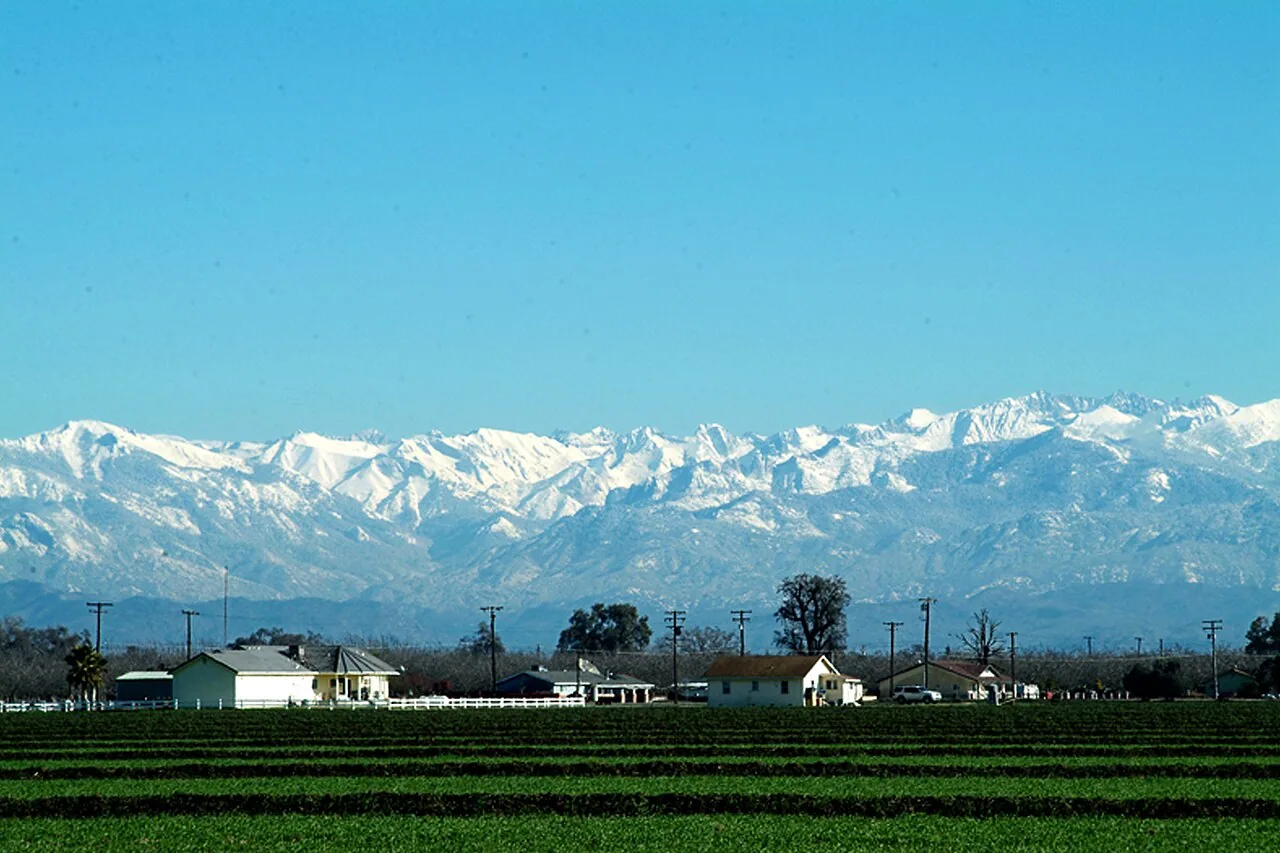
Commercial Roofing in Downtown Tulare, Tulare, CA
Service Areas | Visalia and Tulare County
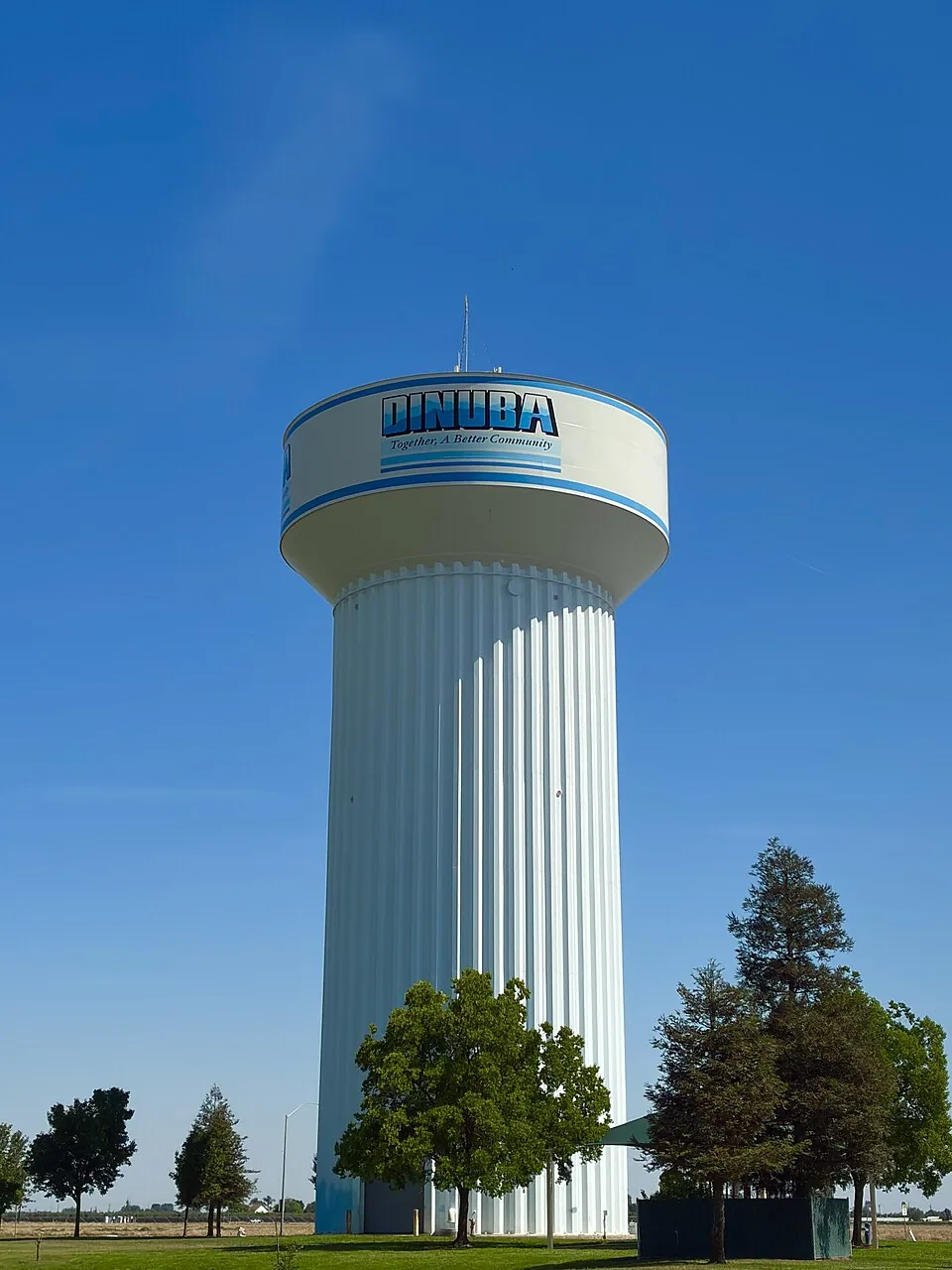
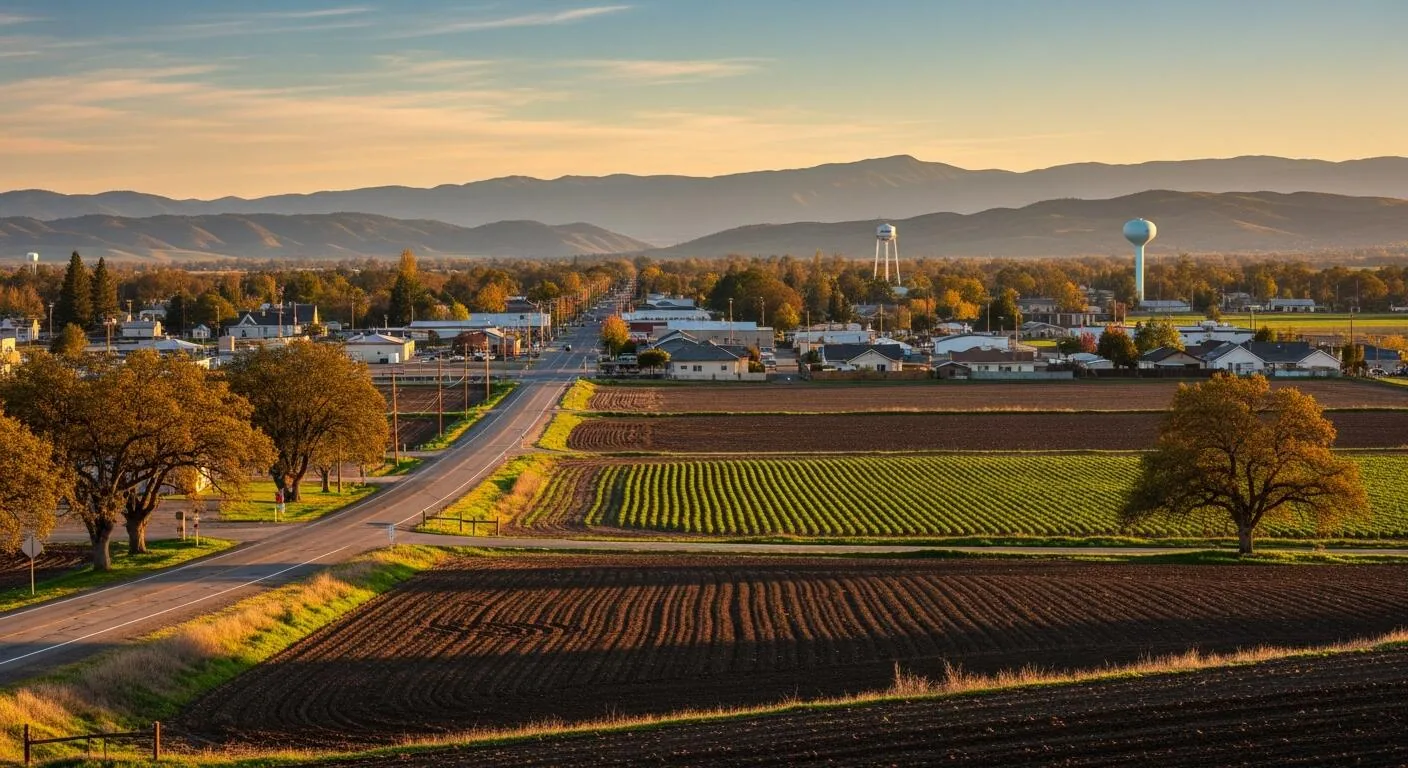
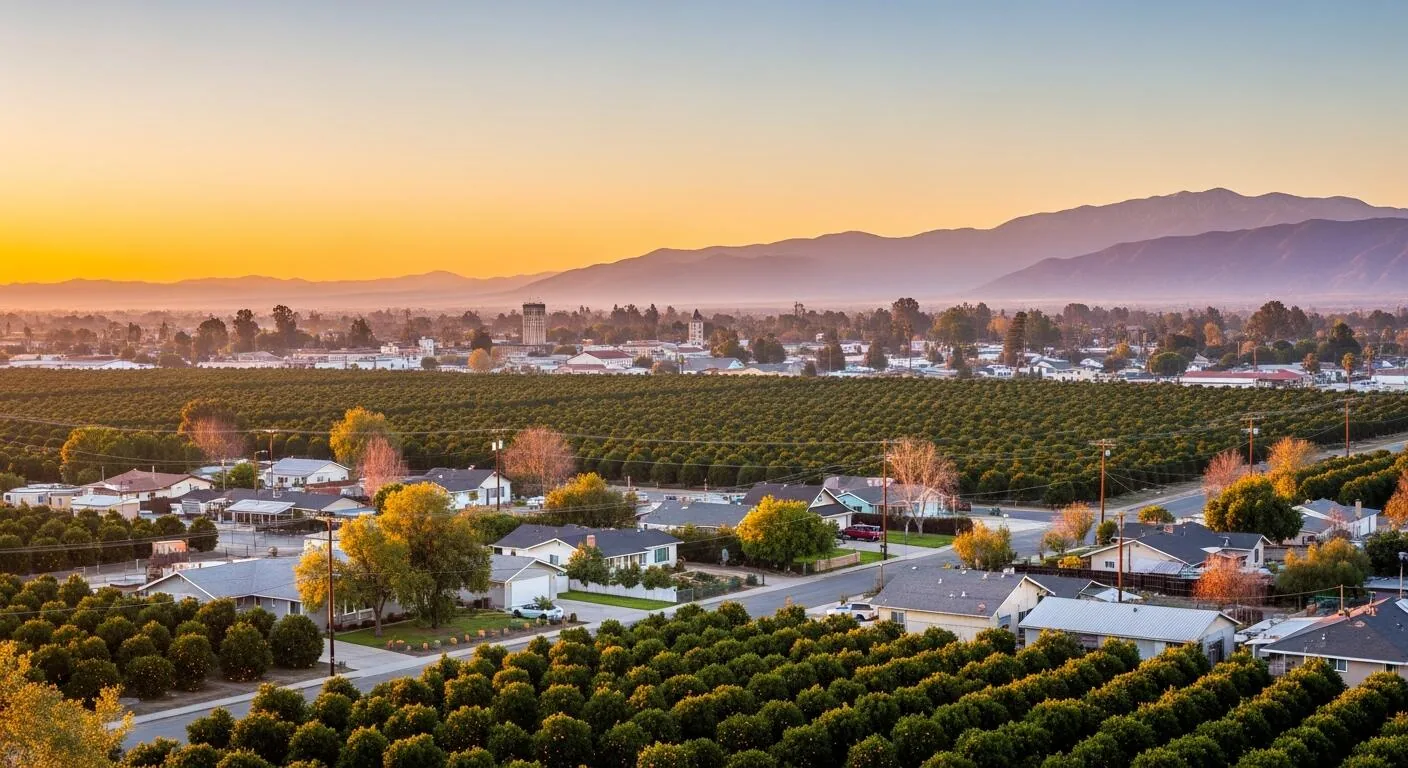
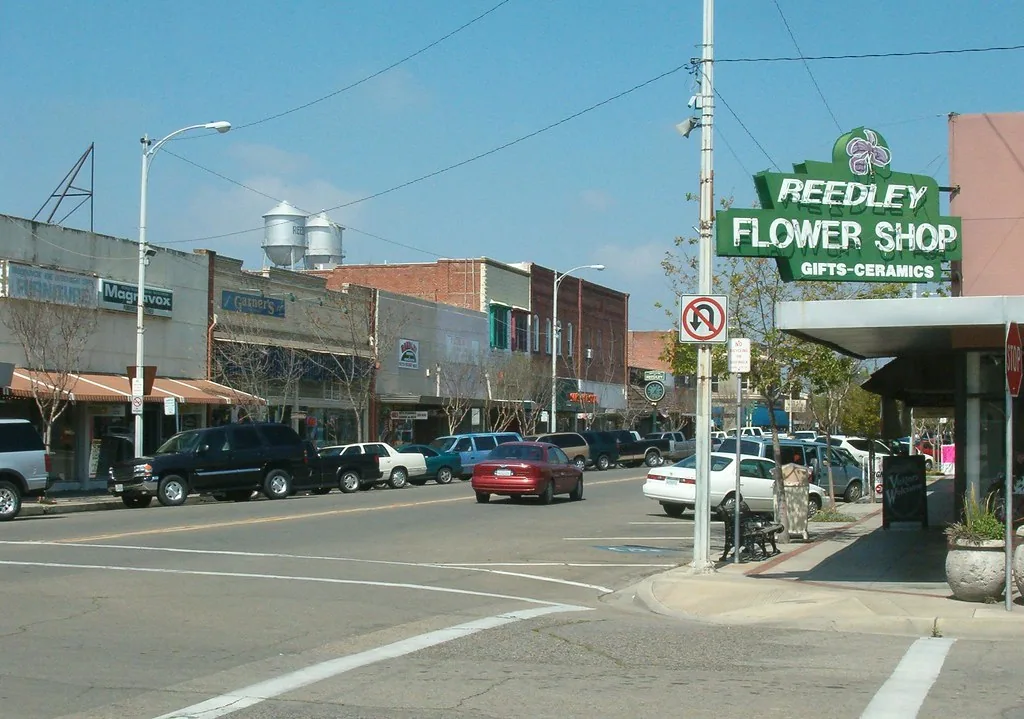
Downtown Tulare
A leak above a storefront or shared interior needs a roof check tied to the affected space, not a guess from the ceiling stain. Downtown Tulare is a city-designated commercial district with a Property-Based Improvement District framework and business-support activity. That gives us a clear service-area context, while each building still needs its own roof plan, access contact, and repair history. On the first walk, we trace the water path, check drains and wall transitions, and mark what we can reach. The findings separate a defined repair from testing that could change the scope.
Start at the Reported Leak
Water can follow a deck joint or pass through insulation before a ceiling shows a mark. We compare the interior location with the nearest seam, curb, penetration, edge, and drain bowl. A commercial inspection records the area reached, the visible condition, and any opening or test that would clarify the assembly. If a tenant space is occupied, we plan interior protection before testing. The roof record should show what was observed and which area remains uncertain.
A call during rain can help narrow timing, but it does not identify the entry by itself. We ask when water first appears, whether the ceiling mark moves, and what repairs have already been made. A patch may have stopped one route while water continues along a transition. Our leak repair visit checks the nearby laps and flashings before setting the repair boundary. We photograph the condition and explain whether another inspection is needed before pricing broader work.
Coordinate the Roof with the District
The Downtown PBID is a city framework for organizing improvement activity in the commercial area. For a roofing visit, the building manager still supplies the operating details: tenant hours, loading access, roof hatch rules, lift placement, and any interior space that needs protection. We confirm who can authorize a test or temporary opening and how the crew should enter and leave. A nearby Tulare commercial property may share a route, but its access plan and roof findings remain separate.
Storefront and mixed-use properties can put business activity directly below the work zone. We plan where materials can stage and how removed debris will be controlled. If foot traffic or deliveries change during the day, the manager can identify a work window that keeps entrances clear. We note those instructions beside the affected roof section so an estimator and field crew work from the same scope. A phased roofing plan can divide a larger job into controlled areas when the building must stay open.
Separate a Patch from a Roof Project
A single split or loose flashing may support a local repair if the membrane around it remains sound. Wet insulation, repeated leaks in separate areas, or a soft deck can change the recommendation. We mark tested points and do not extend a finding to roof areas we did not reach. A condition report keeps photographs, repair limits, test results, and unresolved questions in a format the owner can use for budgeting and later maintenance.
Downtown Tulare’s improvement framework identifies a distinct commercial area, but it says nothing about the roof assembly at an individual building. That must be verified at the site. If a coating or recover is being considered, we check moisture, attachment, drain height, and the number of existing layers before discussing the option. A modified-bitumen roof review looks at cap-sheet laps, flashings, surfacing, and repairs without assuming the material is present until confirmed. The written scope names what the crew will open and close.
Keep Rainwater Moving to the Outlet
Visalia's climate averages Visalia record averages 10.32 inches of yearly precipitation, chiefly from late autumn through early spring. That is a Visalia climate reference, not a measurement for a specific Downtown Tulare roof. The seasonal pattern still makes a pre-rain check useful: we inspect drain bowls, strainers, overflows, seams, and prior repairs for conditions that could hold water or admit it. A drain and scupper inspection documents outlet condition and nearby membrane details.
Standing water can expose a low point, blocked outlet, or changed roof plane. We measure and photograph the area rather than assume a coating will correct slope. A drain may be clear at the grate while a downstream connection still needs review. We identify whether the next step is cleaning, repair, a plumbing check, or a broader drainage design. A ponding-water review can compare the observed depth and duration with the roof’s intended path to the outlet.
Keep the File Useful after the Visit
A useful roof file connects the building name, section label, photo, repair invoice, and date. If downtown property work includes several additions, the record should identify where the original roof ends and later work begins. We preserve the test location and any access limit so a future service visit can return to the same area. A manager may use a roof asset register to keep those identifiers consistent across maintenance, repairs, and planning.
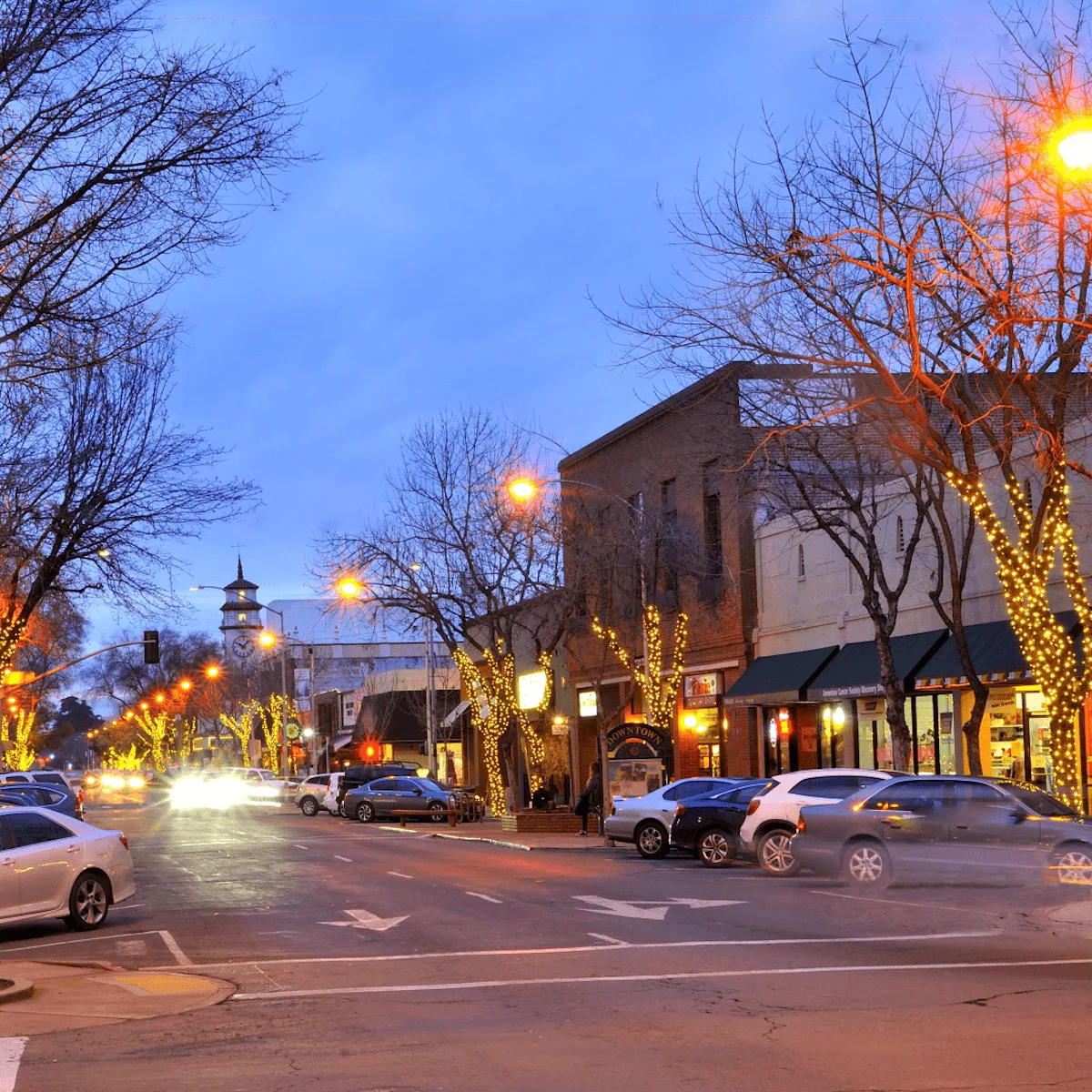
The city places the downtown district within its economic-development projects and studies program. That framework can help owners follow local improvement activity, while the roof scope remains a building-level decision. We document whether a recommendation is urgent water control, a defined repair, additional testing, or a project needing design. A capital planning review can organize those actions by timing and known condition, with reserve items kept separate from priced work. The file should identify who approved each change.
Set Timing around Heat and Rain
Visalia's 1991-2020 climate averages averages 94.7 annual days at 90 degrees or higher, with 11.3 days reaching 100. Those figures belong to the Visalia station. They provide regional context for exposed sealants and flashing movement, but a Tulare roof needs a field check before we describe its condition. We inspect lap edges, sealant joints, and metal transitions, then note which details merit a closer look after the hot stretch or before rain. A dry-season maintenance visit can record that work window.
Scheduling also follows the repair method and the building's use. A small flashing repair can fit a shorter closure; a recover or replacement requires material staging, tear-off controls, and a daily close-in plan. We identify dependencies such as test results, permit review, tenant notices, and equipment shutdowns before mobilization. The owner and design team should confirm permit requirements for the actual scope before submitting.
Leave with a Clear Next Step
At the end of the walk, we summarize the observed condition, the area checked, and what would change the recommendation. The next action may be a repair proposal, a moisture test, a follow-up opening, or a larger project review. We keep temporary protection distinct from permanent correction and identify who needs to approve additional work. That matters when an occupied business needs a quick response but the roof assembly still requires a second check.
Share the property location, leak area, access window, roof plan, and recent invoices. We can define the first visit and tell you what documents or access would make the findings more useful. If the project involves a building elsewhere in the market, the Downtown Visalia service area provides another route context, not a substitute for local inspection. Our crew can respond to active exposure at any hour, then return with a documented scope for permanent work. Every estimate should make the repair boundary, materials, access needs, and open questions clear.
Commercial Roofing Questions
Does a storefront leak always start above the stain?
No. Water can follow a deck or insulation joint. We compare the interior mark with nearby seams, drains, and wall transitions before opening the roof.
Can a roof repair happen while the shop is open?
Often, if access, noise, staging, and protection can be controlled. We agree on the work window and affected area with the site contact first.
What does the first inspection leave behind?
A dated record of areas reached, conditions observed, photographs, repair limits, and any test needed to answer an open question.
How do I know if a coating is the right next step?
We check moisture, attachment, drainage, and existing layers before discussing a coating. A surface system cannot resolve a concealed wet assembly or a slope problem.
What information helps price a repair?
Provide the roof plan, leak location, access rules, interior protection needs, and prior repair records. The estimate can then identify material and site constraints.