
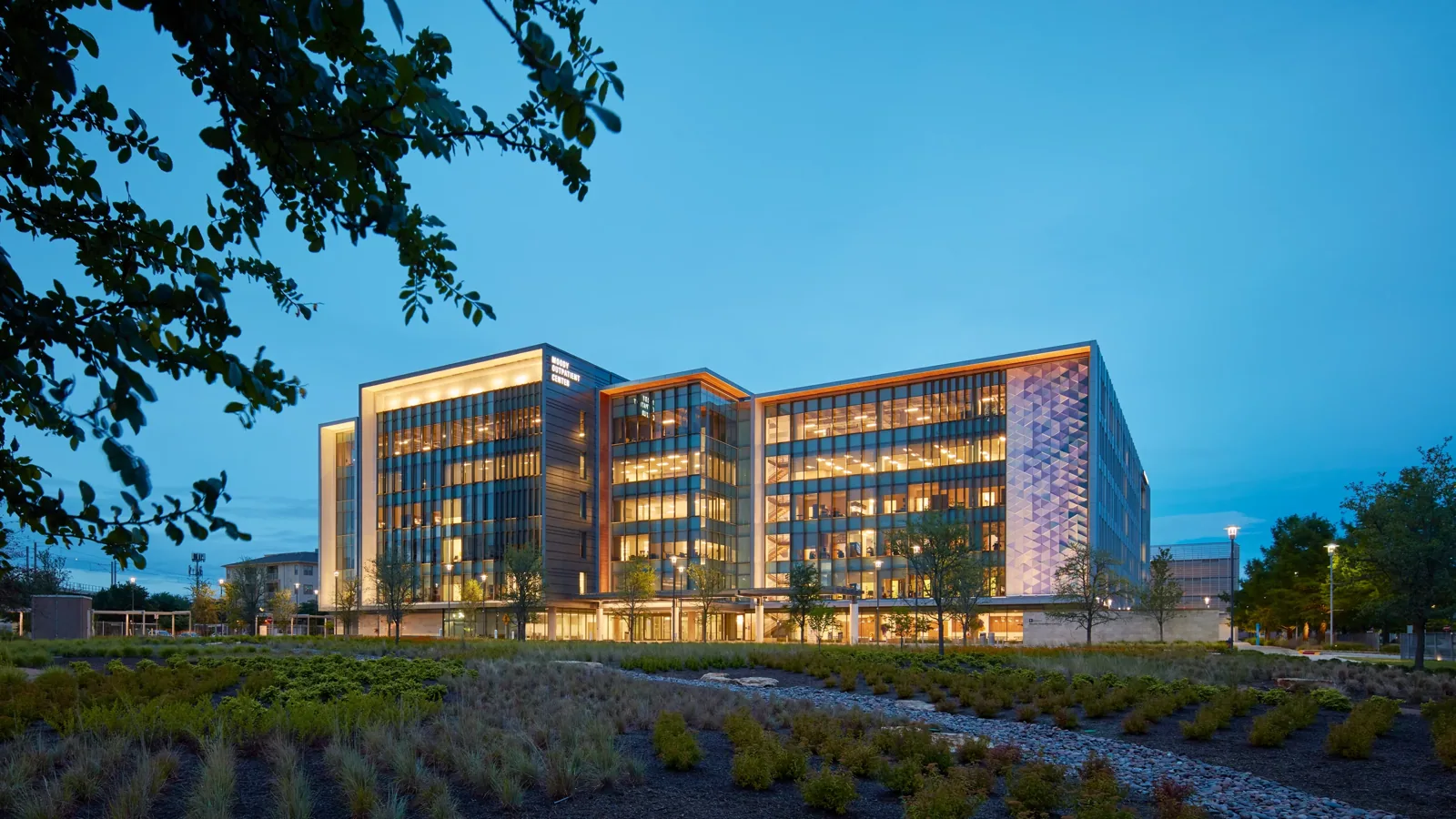
Medical Office Roofing in Visalia, CA
Property Types We Roof | Visalia and Tulare County
Medical Office Roofing
A ceiling mark over an exam room may interrupt appointments before the roof entry point is known. We coordinate with the property manager, trace the water path, and identify whether the roof detail or a plumbing or HVAC line needs review. Medical offices have patient schedules, controlled rooms, and equipment that should not be exposed to dust or water. A repair plan must state which suite is affected and when access is allowed. In Visalia, the Court and Paradise medical-commercial district and Downtown's healthcare employment context provide broad location cues, not proof that a particular clinic is in either area.
Protect Patient Areas and Appointment Flow
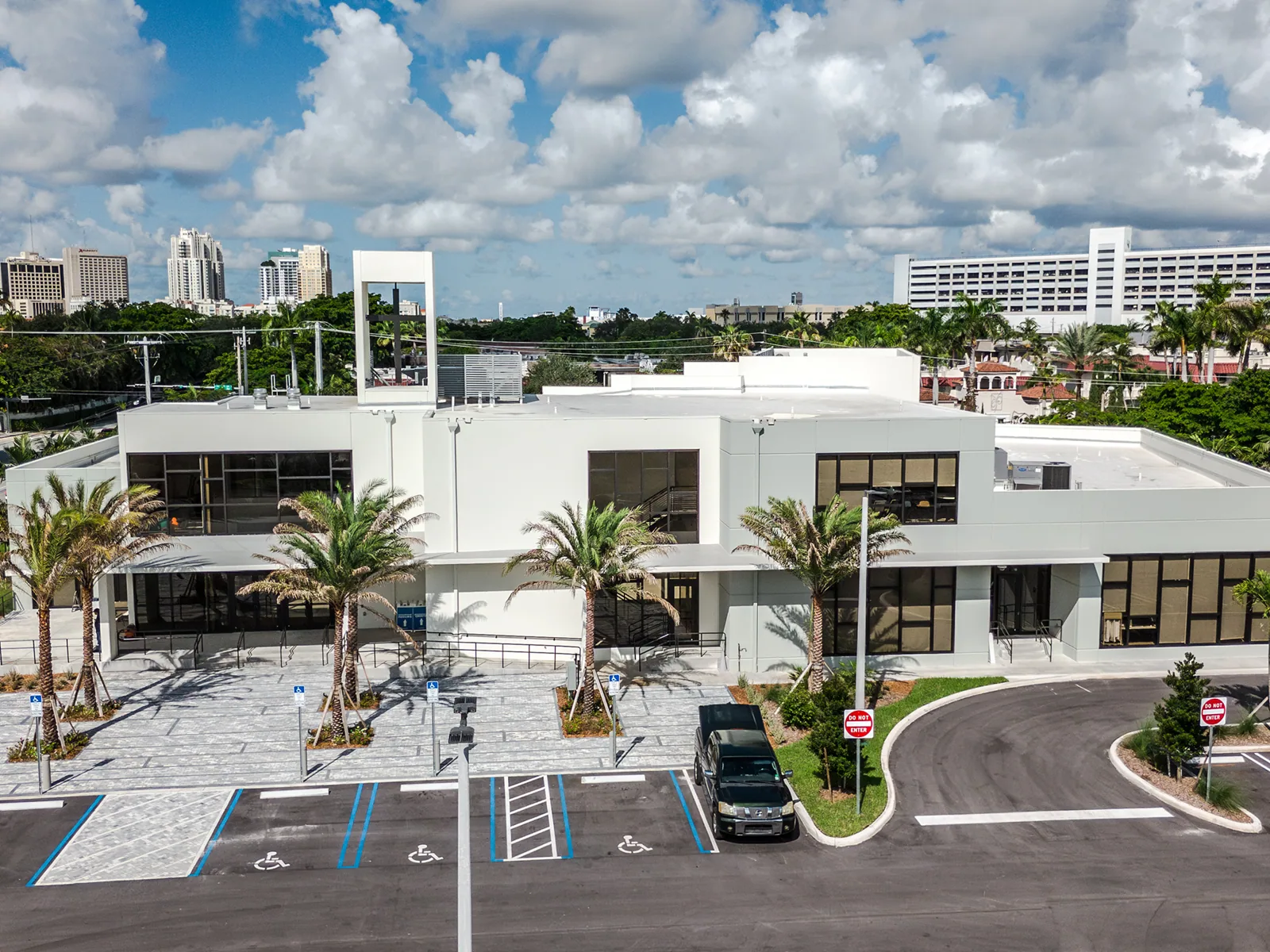
The clinic manager identifies patient hours, treatment rooms, medication storage, and corridors that cannot be blocked. We confirm whether a ceiling tile can be removed, who escorts the crew, and where a lift or material may be staged. The roofer should not enter a clinical space or move equipment without authorization. If a test opening is needed, the facility selects the time and interior protection before roof work begins. A leak response may include temporary control while the permanent detail is evaluated.
A hospital roof plan may involve additional clinical and life-safety coordination, while a medical office may work through a smaller suite schedule. The property team sets the actual restrictions. A roof condition survey records the affected room, roof zone, and test boundary without identifying patient information in the report.
For a suite that cannot close during normal hours, the manager may choose an after-hours walk or a limited roof-only inspection first. We state which option requires interior access and what a visual roof review can establish without entering the clinic. If a ceiling tile must be removed, the clinic can schedule that task with its own staff. The roofing crew records the roof-side observation and leaves any interior finish repair to the assigned trade.
Trace the Entry Point above the Reported Suite
Water can travel along a pipe, deck flute, insulation joint, or conduit before it reaches an interior ceiling. We compare the stain location with roof slopes, drains, curbs, seams, and wall transitions. A unit condensate line or plumbing connection may need a separate inspection. The Diligence Notes distinguishes what the roofing crew observed from information supplied by clinic staff. If the path remains uncertain, we describe the next test and obtain approval before opening another area.
We check whether wet insulation extends beyond the visible mark and note the limit of any core. A single sample cannot represent all roof sections or suites. A general office roof survey also maps water paths, while clinical tenants may require extra protection and notifications. The repair boundary should be tied to the tested condition, not the room label alone.
Testing should avoid unnecessary exposure of patient information. The clinic can select the interior representative and identify what may be photographed or written in a work record. The roofer needs the room number or location only as required to find the leak; clinical notes, patient names, and treatment details do not belong in a roof report. If the water path crosses a ceiling with electrical or medical equipment above it, the facility lead decides how the space is isolated. The inspection record then notes the approved access, the test point, and the roof detail checked, without expanding into medical operations. This keeps the roofing scope useful to facilities staff while respecting the clinic's privacy and safety procedures.

Review HVAC Curbs and Service Penetrations
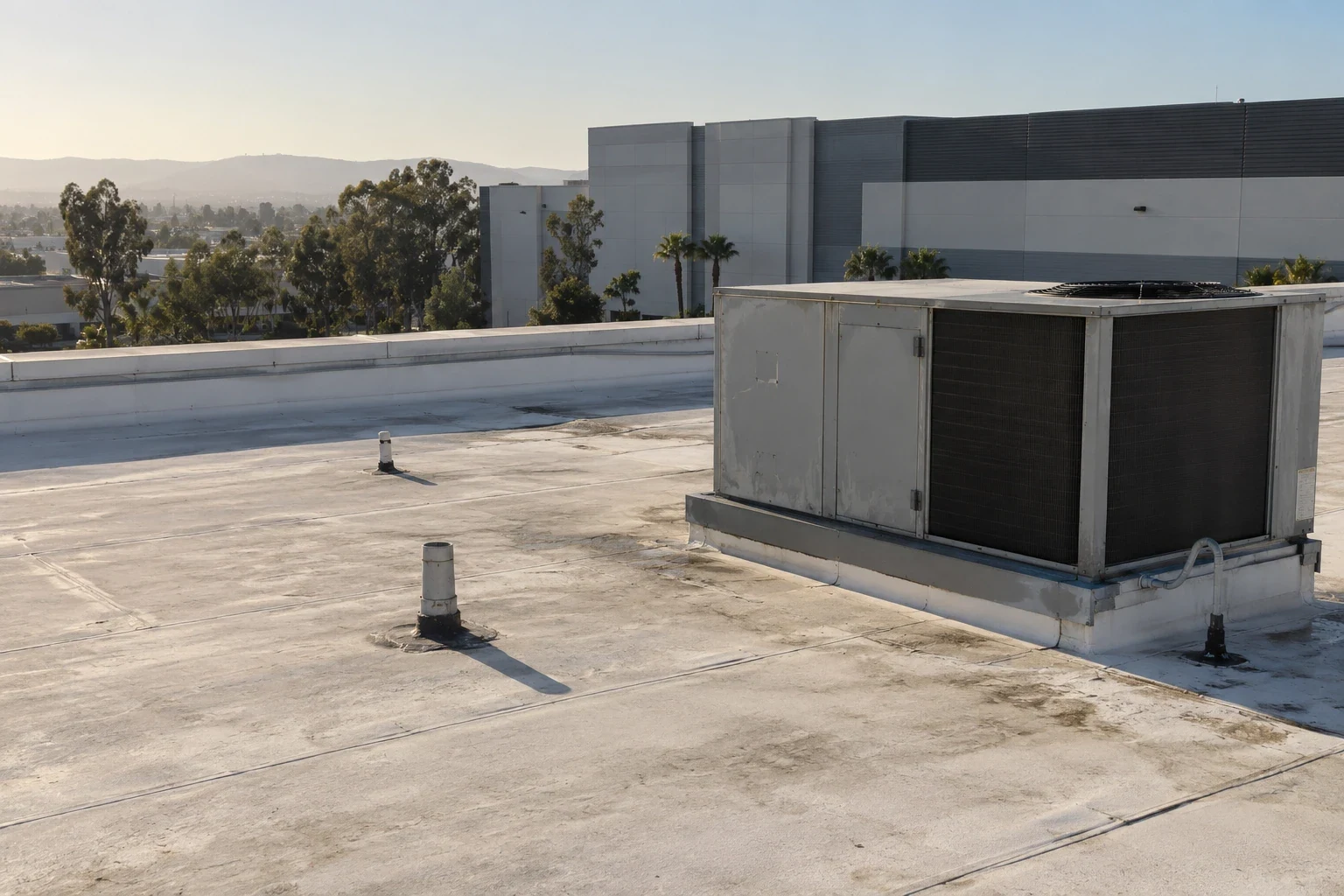
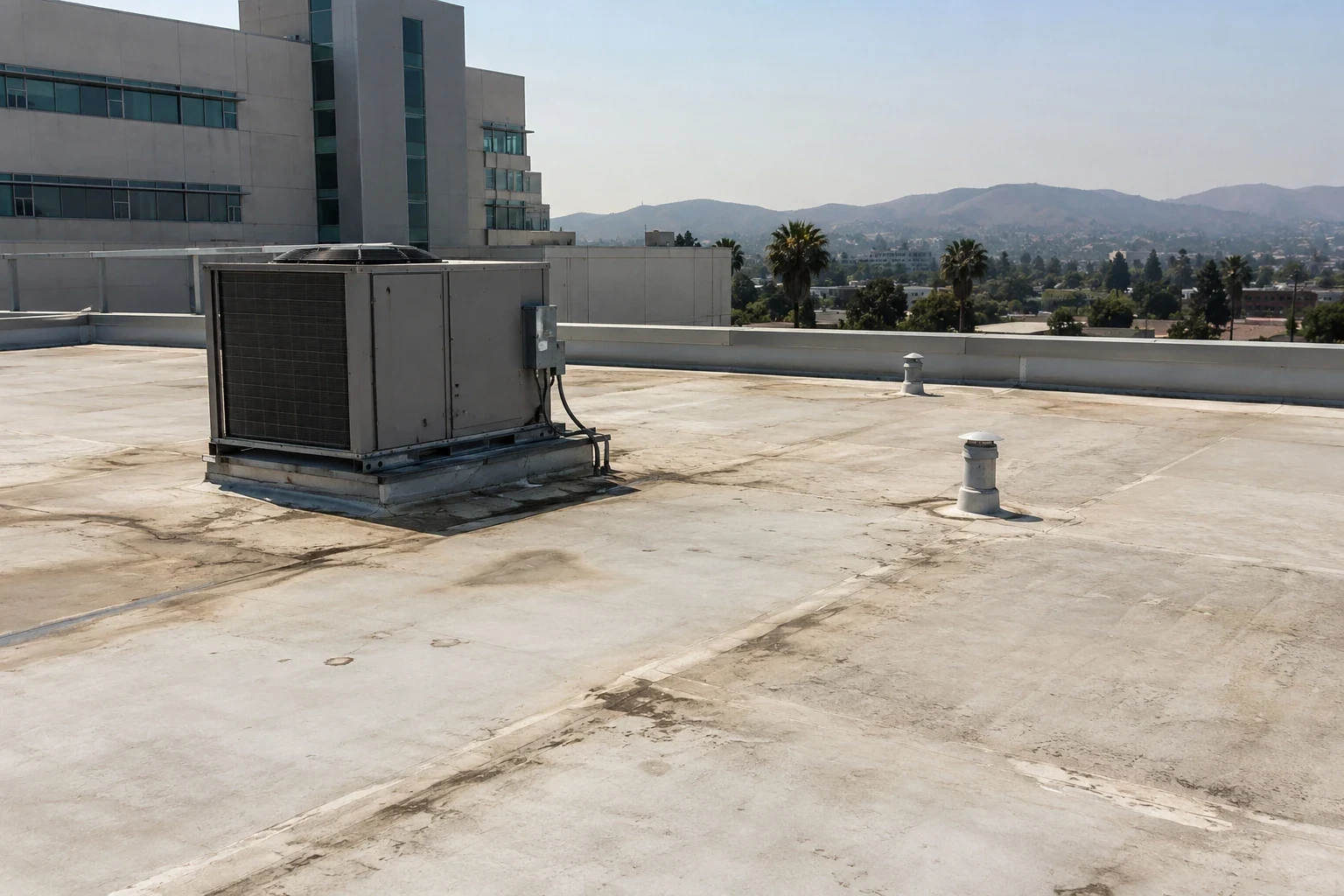
Rooftop units, exhaust fans, medical gas piping, and communications equipment can create separate roof interfaces. We inspect curb corners, counterflashing, pipe boots, support bases, and service walkways for movement, open seams, or damage from maintenance. The clinic or mechanical contractor identifies equipment that cannot be shut down during a visit. Roofers do not adjust medical or HVAC systems; the scope shows where the mechanical trade must coordinate a curb or pipe change.
When equipment service repeats across one path, a protective walkway may help keep traffic away from vulnerable seams if the system allows it. A curb and support inspection can identify the interface. A PVC repair and a rubber-membrane detail use different preparation, so we confirm the installed system before specifying material.
Check Drains without Disrupting Care
We inspect strainers, drain bowls, sumps, scuppers, overflow paths, and nearby membrane ties for debris or failure. A blocked outlet may require cleaning, while a loose drain flange or low area can require construction work. We identify whether water is standing after rain and whether the outlet can be reached safely. Any opening or temporary cover should preserve a path for water and should not direct it toward an entrance, accessible route, or patient waiting area.
A drainage scope can be separated from the membrane repair. The clinic manager can coordinate interior cover and appointment notices while the roofing crew works above the suite. At the end of the shift, the team checks that drains remain clear and the access path is returned to service.

Coordinate Clinic Work in Visalia
Healthcare-related land use is present near the Court and Paradise junction, within a larger service-commercial district. Downtown planning separately records healthcare among its mixed-use employment. We use those named areas to orient a Visalia request, then verify which suite and parcel the property manager controls. The map category does not tell us the clinic schedule or roof layout.
For a clinic near the Court and Paradise medical-commercial district, we ask whether patient drop-off or emergency routes need to remain open. A Downtown Visalia roof assessment requires the same address-level confirmation. The manager approves the work window, room protection, and any patient notice. We do not infer that every address in a medical district is a clinic or that a clinic follows the same operating schedule.
Set a Repair Scope with the Clinic Manager
A leak may be isolated to a flashing or drain, or it may expose wet insulation and a damaged deck. We record each test location and identify areas not opened. The manager reviews temporary protection and appointment impacts before work expands. A localized repair scope can address a confirmed defect. Repeated failures or broad material deterioration may support a replacement evaluation that includes phasing and patient access.
The estimate separates roof work from interior restoration, mechanical adjustments, and clinical operations. Closeout lists materials, affected roof zones, photos permitted by the property, and maintenance notes. Share the roof plan, leak timing, equipment schedule, patient-hour restrictions, and emergency contacts before the first walk. We will state what the inspection confirms and what the clinic must decide before a larger repair starts.
Commercial Roofing Questions
Can a clinic stay open during roof repairs?
Often, if the manager approves the work area, patient notices, interior protection, and schedule. A specific room or entrance may need a temporary restriction.
How do you protect exam rooms from roof dust or water?
The clinic identifies sensitive rooms and approves the interior cover or access plan. The roofing scope defines any test opening and who monitors the area below.
Does a ceiling stain prove the roof is leaking?
No. Plumbing, HVAC, condensation, or a roof detail may be involved. We trace the water path and document what evidence supports the next test.
Can roof work affect medical equipment?
The facility's clinical and mechanical staff determine shutdowns, access, and protection for equipment. The roofer coordinates the roof detail and does not adjust clinical systems.
What information helps plan a medical-office roof inspection?
A roof plan, leak notes, patient hours, equipment schedule, access rules, and suite contact help set the first visit and protect occupied areas.