
Hotel Roofing in Visalia, CA
Property Types We Roof | Visalia and Tulare County
Hotel Roofing
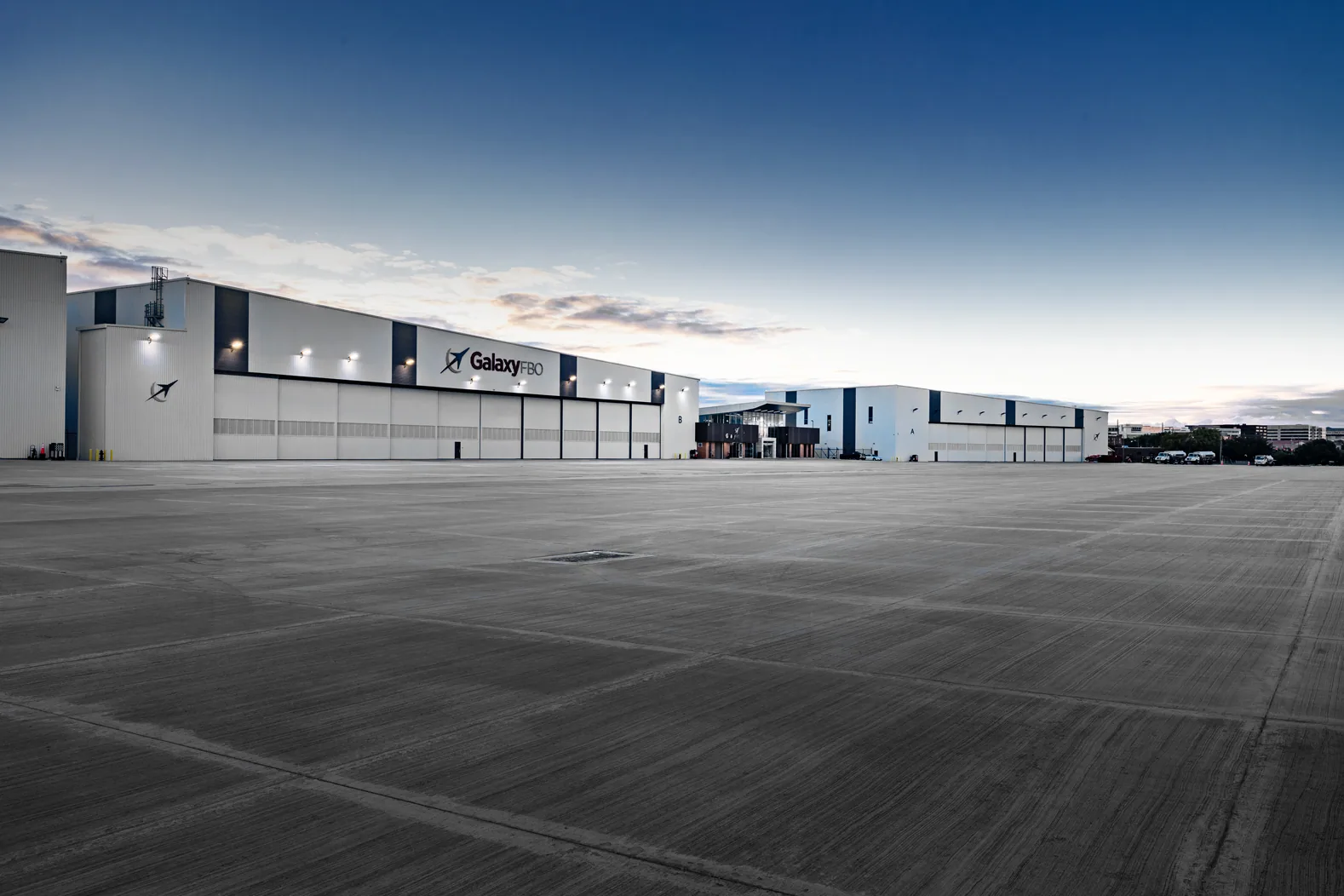
A roof leak in a hotel reaches guests quickly, even when the source is far from the room where water appears. We map the room, floor, and time of the report, then check the roof assembly, drains, curbs, and prior repairs above it. The property manager sets guest communication, quiet hours, access, and any room restrictions. Our report identifies areas inspected and conditions that need more testing. A city corridor reference does not locate a particular hotel. The property address, roof plan, and manager's access rules determine the actual work.
Connect Guest Reports to Roof Zones
We ask which room or common area reported water, whether the condition followed rain or equipment service, and whether nearby rooms were affected. The stain can show up several bays from an open seam or failed curb. A mark near a corridor does not prove the roof directly overhead has failed. We compare the report with roof slopes, drains, wall transitions, and previous work, then mark each test area separately.
The manager can provide room numbers, ceiling photos, maintenance tickets, and a floor plan while limiting guest information to what the crew needs. A multifamily roof review also maps units and common areas, but hotel access must account for reservations and housekeeping. We note whether a room needs protection or a temporary restriction, and the manager decides how guests are notified. If concealed conditions remain possible, the estimate names the additional test instead of calling a visual review conclusive.
Inspect Rooftop Units and Service Routes
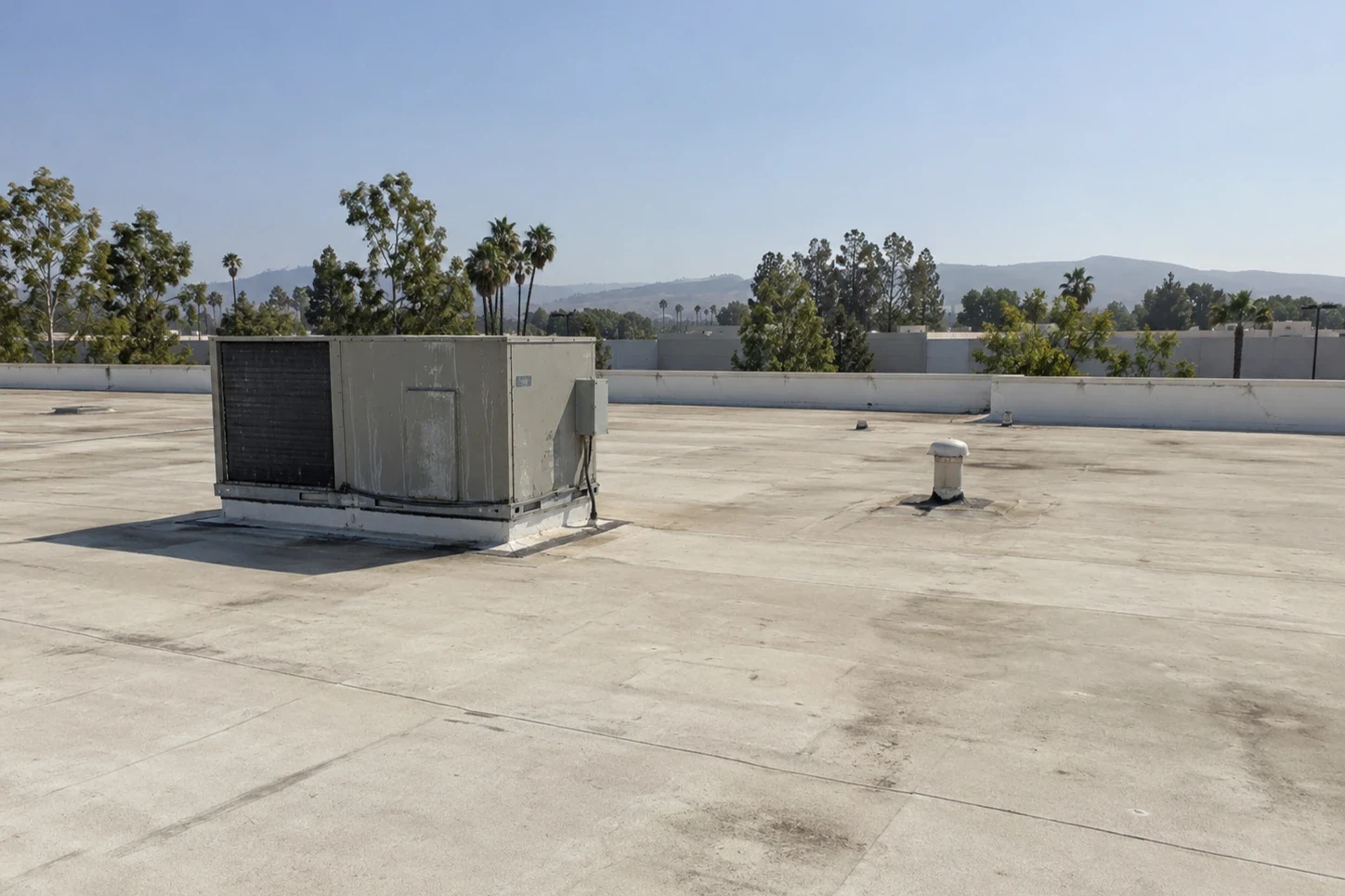
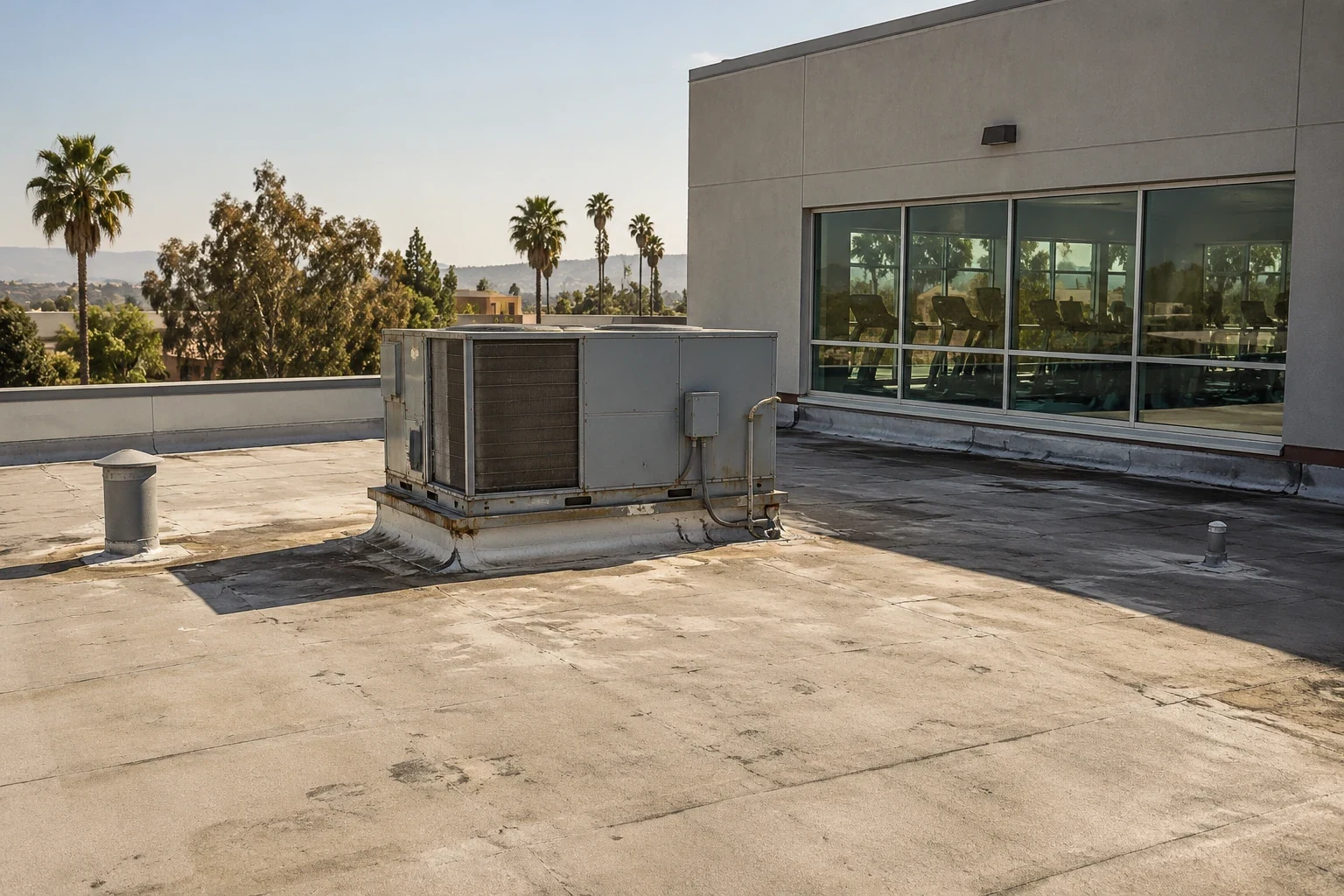
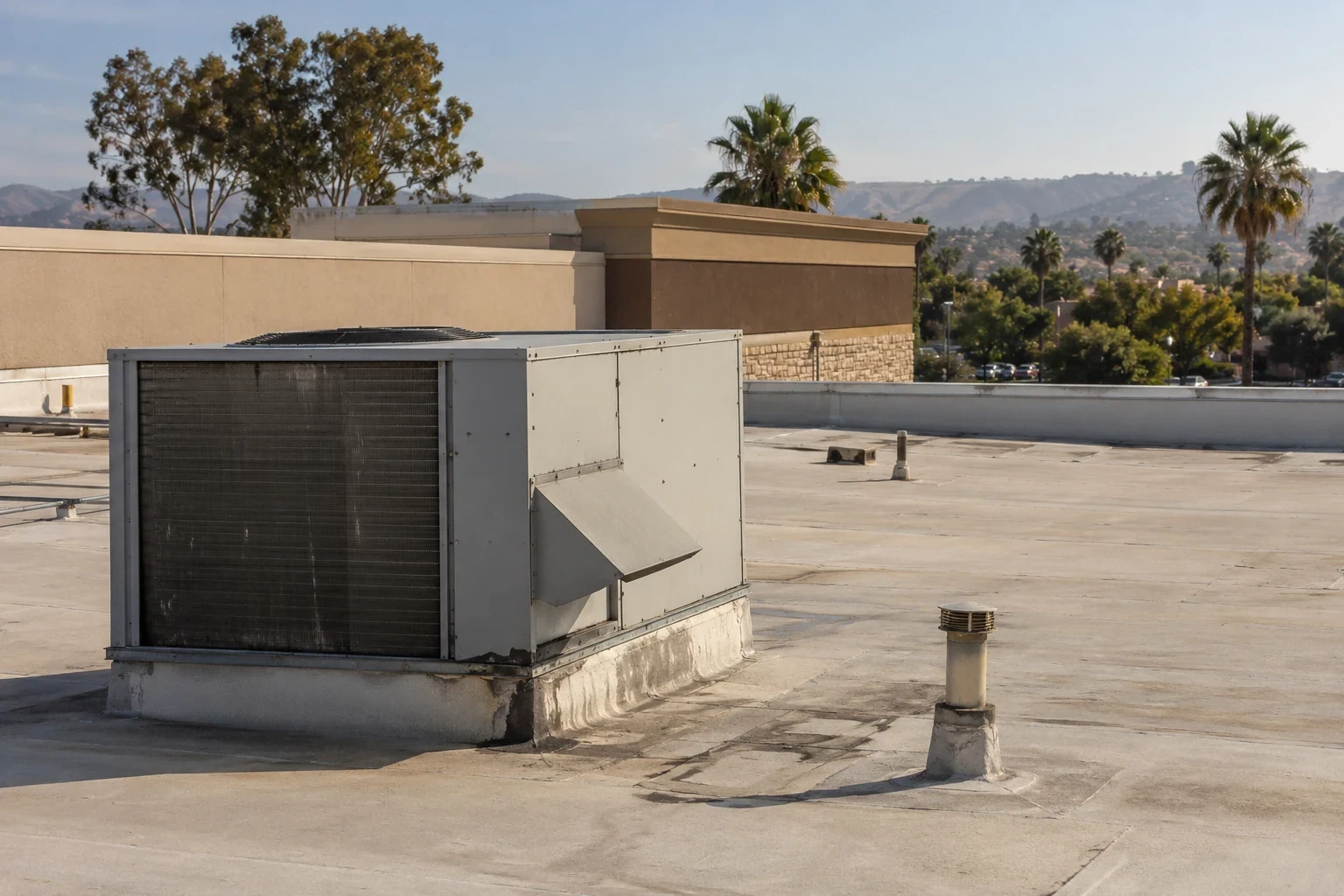
Hotels may have packaged units, exhaust fans, plumbing vents, satellite or communications equipment, skylights, and service lines. We inspect curbs, flashing, walkway pads, supports, and penetrations for movement, open laps, corrosion, or prior patches. The mechanical contractor identifies recent replacements and any equipment that requires shutdown or lifting. We keep those tasks separate from roofing unless they are expressly included in the written scope.
Service paths can wear a membrane or divert runoff. We record a damaged support, missing walkway, or cable crossing a drain as a separate finding. The penetration and curb scope identifies each roof detail and repair boundary. If a unit needs to move, the owner coordinates mechanical work before the roofing crew opens the curb. Photos at closeout help the facilities manager confirm what was sealed and what remains for another contractor.
Review Drains, Scuppers, and Guest Entries
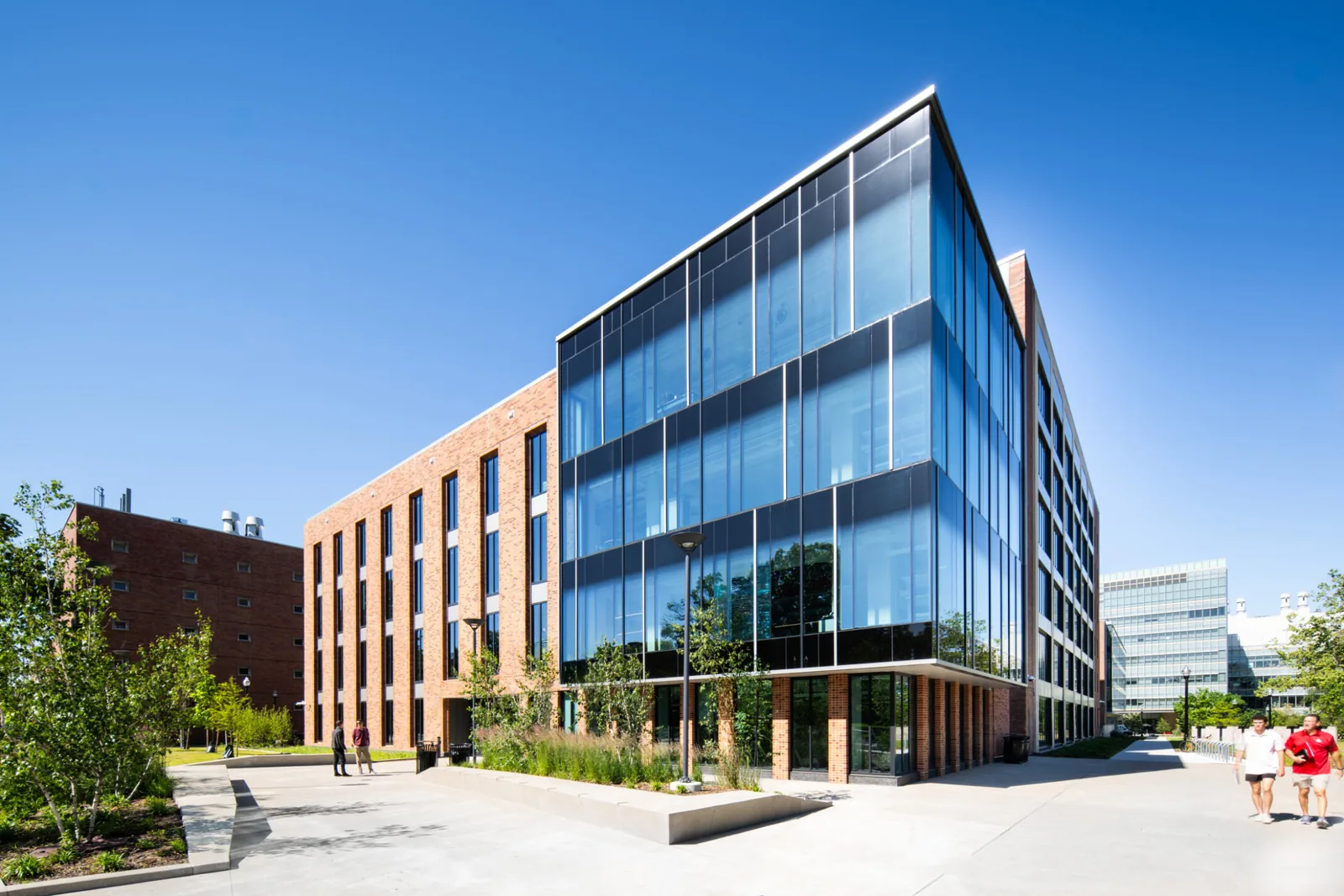
Roof drains, overflow outlets, scuppers, gutters, and parapet edges can affect rooms, lobbies, balconies, and loading areas. We inspect each outlet, its surrounding membrane, and the route water follows after rain. Debris, a damaged connection, and a low roof area are different conditions. We note whether water remains after weather clears and map the outlet against the roof plan. A stain near a guest entry is not assumed to come from the nearest drain without evidence.
During work, temporary protection should not send runoff toward a main entrance, loading door, or pedestrian route. We coordinate staging with the manager and maintain fire access. Our drain and scupper work lists outlets serviced and any follow-up needed from a plumber or building engineer. If a canopy or addition has a separate roof, we label it clearly so the owner knows which section was inspected.
Plan Work around Check-In and Quiet Hours
Hotel operations run through the day and night. The manager identifies check-in periods, conference schedules, deliveries, quiet hours, and areas that cannot be blocked. We confirm roof access, lift location, noise expectations, security procedures, and hallway restrictions before the crew arrives. Work above an occupied room may require a different sequence than repairs above a back-of-house area.
The written plan names the affected zone, expected duration, protection, and who approves guest-room changes. A focused repair scope can be scheduled without treating every roof section as the same phase. If repeated leaks or broad membrane wear are present, testing or replacement planning can be considered separately. The owner sets operational changes; we document roof work and access needs clearly. The restaurant roofing page explains scheduling around meal service and kitchen exhaust.
Confirm Each Roof Assembly before Repair
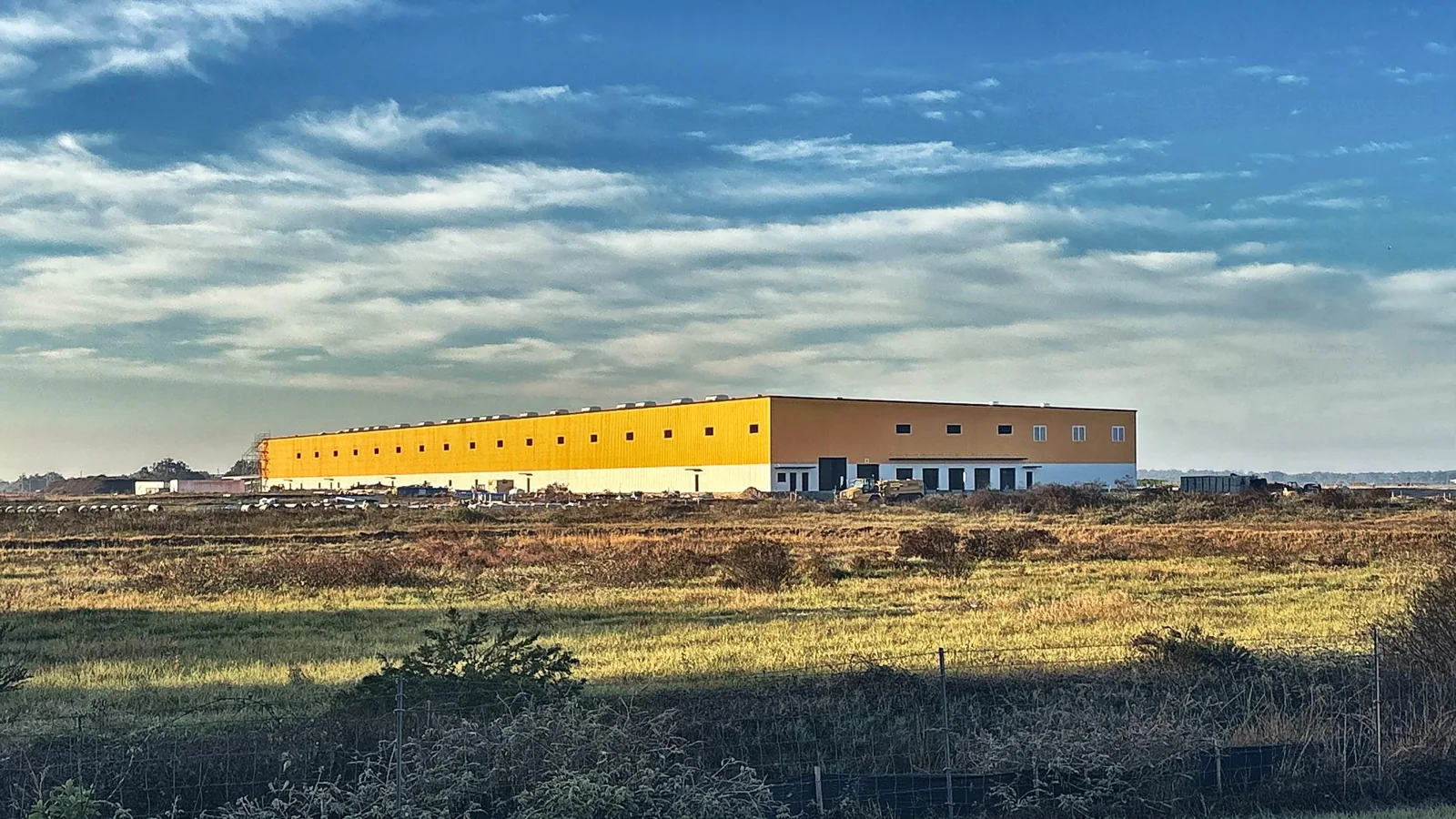
Past additions, conference wings, and equipment upgrades may leave different roof assemblies at one property. We compare seam layout, attachment, membrane samples, and drawings for each zone. A repair has to suit the material at that location. If plans are missing or a transition is concealed, the estimate identifies the unverified area and any test needed before scope expands.
A TPO seam repair uses its own weld detail. We separate membrane work from wet insulation, deck repair, flashing, and interior restoration. A replacement evaluation can compare removal, recover, and phasing when inspection findings justify it. Warranty documents should be reviewed before methods are approved. The closeout package records materials, photos, zones, and conditions reserved for future work.
For hotels with ongoing maintenance, a roof log can track leak calls, repairs, drain service, equipment moves, and areas not yet surveyed. The facilities team can compare a new report with earlier photos rather than rely on memory. We provide observations and repair records for that file. Maintenance cannot prevent every leak; it gives the owner a clearer view of recurring conditions and outstanding items.
Confirm the Visalia Property Details
East Downtown Visalia is a district the City ties to future civic-center and regional-park development. Visalia also identifies a Goshen and Murray commercial corridor between Divisadero Street and Santa Fe Avenue. These planning references describe broad districts and routes, not the address of a particular hotel. We verify the property entrance, roof hatch, staging area, and operating requirements with its manager.
Our East Downtown service-area page and Goshen and Murray corridor page provide general context. The hotel's floor plan, roof drawings, guest schedule, equipment list, and leak history shape the visit. When access is limited, the report states what was not inspected rather than extending findings to unseen areas.
Leave the Manager with a Usable Record
Closeout should identify the reported room or common area, roof zone checked, observed path, repair made, material used, and any remaining test or trade item. Before-and-after photos can show a curb, drain, seam, or edge. We also note temporary protection and conditions that could affect later service. The manager can then keep guest communication and maintenance records aligned with the actual roof work.
Send the Visalia address, floor plan, roof drawings, maintenance log, warranty terms, equipment service notes, and quiet-hour rules to arrange an inspection. We will trace the reported condition, coordinate a workable visit, and present a scope with limits and assumptions stated. If findings point to a larger program, the recommendation will distinguish immediate repairs from longer-term planning.
Commercial Roofing Questions
Can a leak appear far from the roof failure?
Yes. Water can travel through the roof assembly or deck. We compare the room report with roof slopes, drains, curbs, and the observed path.
Can roof work be scheduled during quiet hours?
The manager sets access and noise windows. We plan the crew sequence around those limits and identify any work that cannot fit the requested window.
Do you repair hotel HVAC equipment?
We inspect roof flashing around units. Mechanical shutdown, lifting, wiring, and equipment repair belong to the hotel or its mechanical contractor unless separately scoped.
What if several roof types are present?
We identify assemblies by zone and use a repair method suited to each material. Unverified transitions are noted for testing.
What records help prepare for an inspection?
Room reports, roof plans, prior repair photos, equipment service records, warranty documents, and access rules help focus the visit.