Military Installation Roofing in Visalia, CA
Commercial Roofing Services | Visalia and Tulare County
Military Installation Roofing
A roof repair window can close when an installation's mission schedule changes. We start with the contract documents, access rules, escort process, and work area boundaries before putting a crew on the schedule. The Visalia Army National Guard Armory is a named local military location; a roofing scope there still has to follow the project's approved requirements. We confirm the specific roof assembly, work permits, safety rules, and contact path rather than assume that a municipal job sequence fits a controlled site.
Clear the Access Process before Mobilization
Installation work can require advance badging, background information, vehicle controls, escorts, tool inventories, and restrictions on photography or device use. The contracting documents and site representative determine which steps apply. We collect the requirements, name each crew member who needs entry, and build the approval lead time into the work schedule. A late access change can delay a lift or leave materials outside the secured work zone, so the mobilization plan identifies where the crew checks in and who releases the roof area.
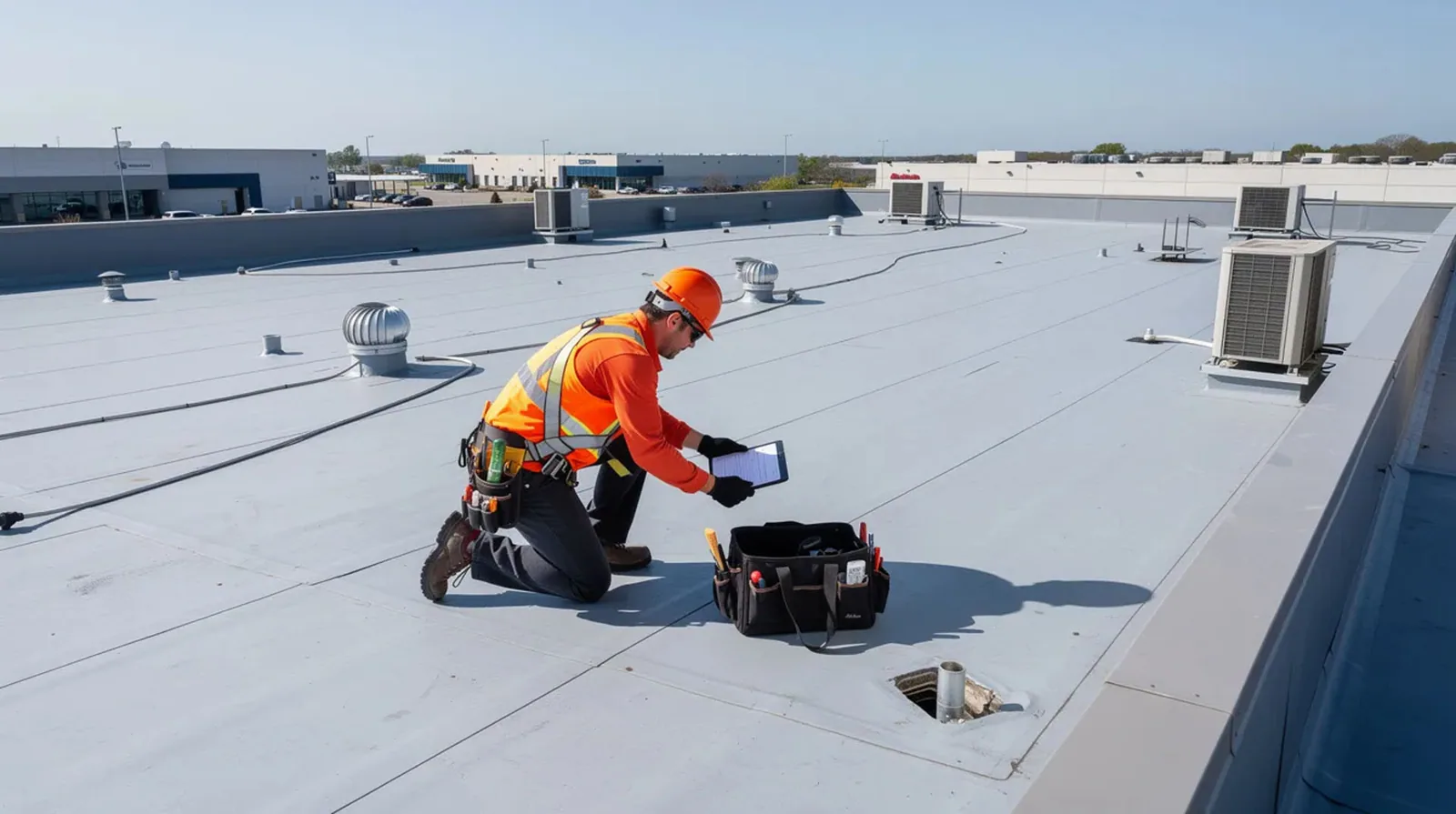
Before a roof walk, we confirm the allowed route, fall-protection plan, designated staging point, and any limits on photography. A survey may need to use approved diagrams or written Diligence Notes if image capture is restricted. The scope should also identify the person authorized to stop work or approve a change. For a controlled facility, access is part of the work sequence, not an administrative detail left for the crew to resolve at the gate. Material and waste routes need their own approval. We confirm whether a delivery vehicle can enter the installation, where pallets may be staged, and when debris can leave the roof. If an escort must stay with a crew, that time belongs in the schedule. The sequence also identifies which tools or devices must be checked at entry and returned at departure. Those details prevent a roofing shift from colliding with gate procedures or another scheduled operation.
Read UFC Requirements with the Project Drawings
When a solicitation cites Unified Facilities Criteria for roofs, we review the specified edition and detail references with the bid drawings and project requirements. The criteria may affect roof assembly, insulation, wind resistance, attachment, flashing, drainage, and submittals. We do not substitute a familiar commercial detail for the contract detail. If drawings and field conditions differ, we document the conflict and request direction through the authorized project channel before changing the assembly or closing an opening.
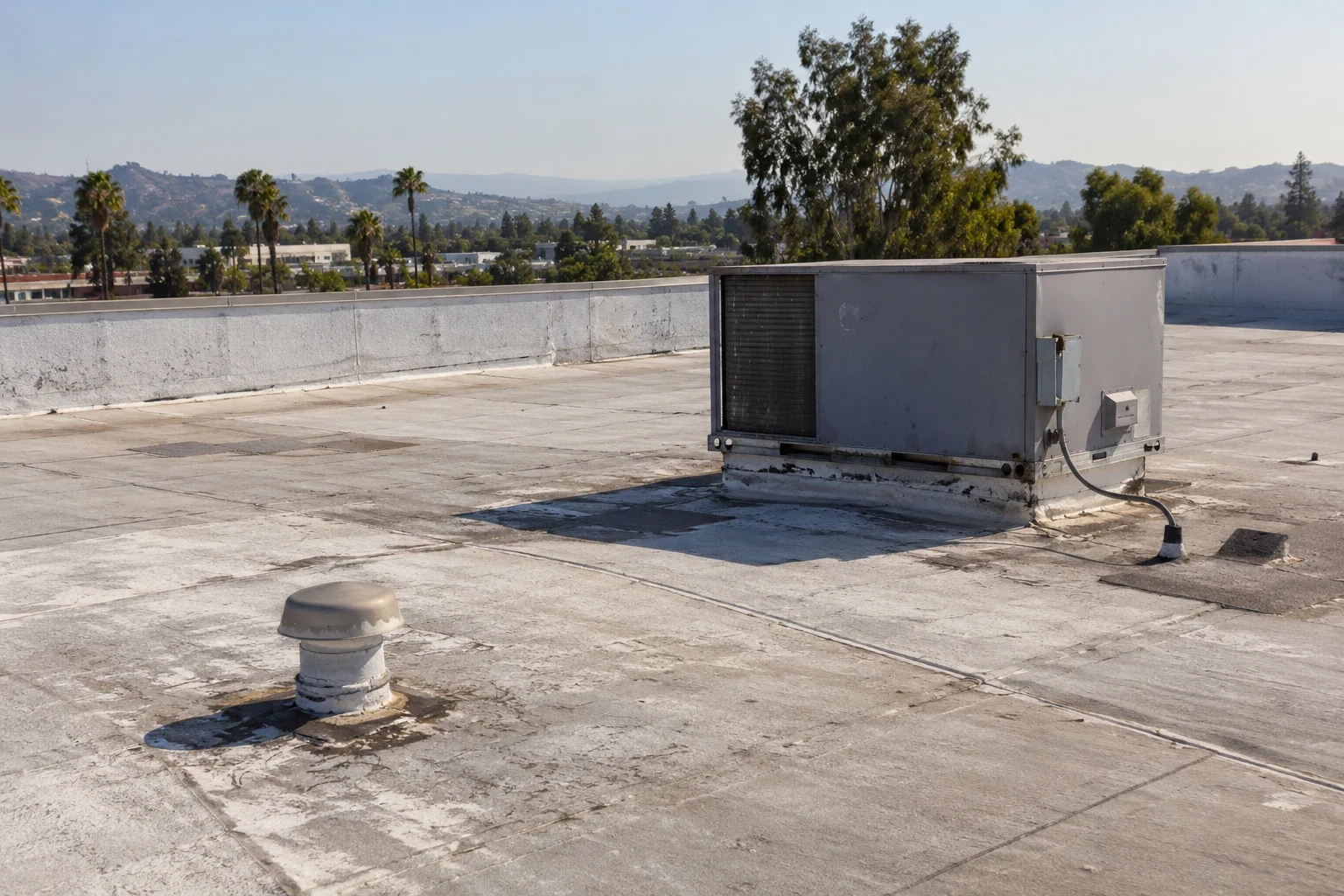
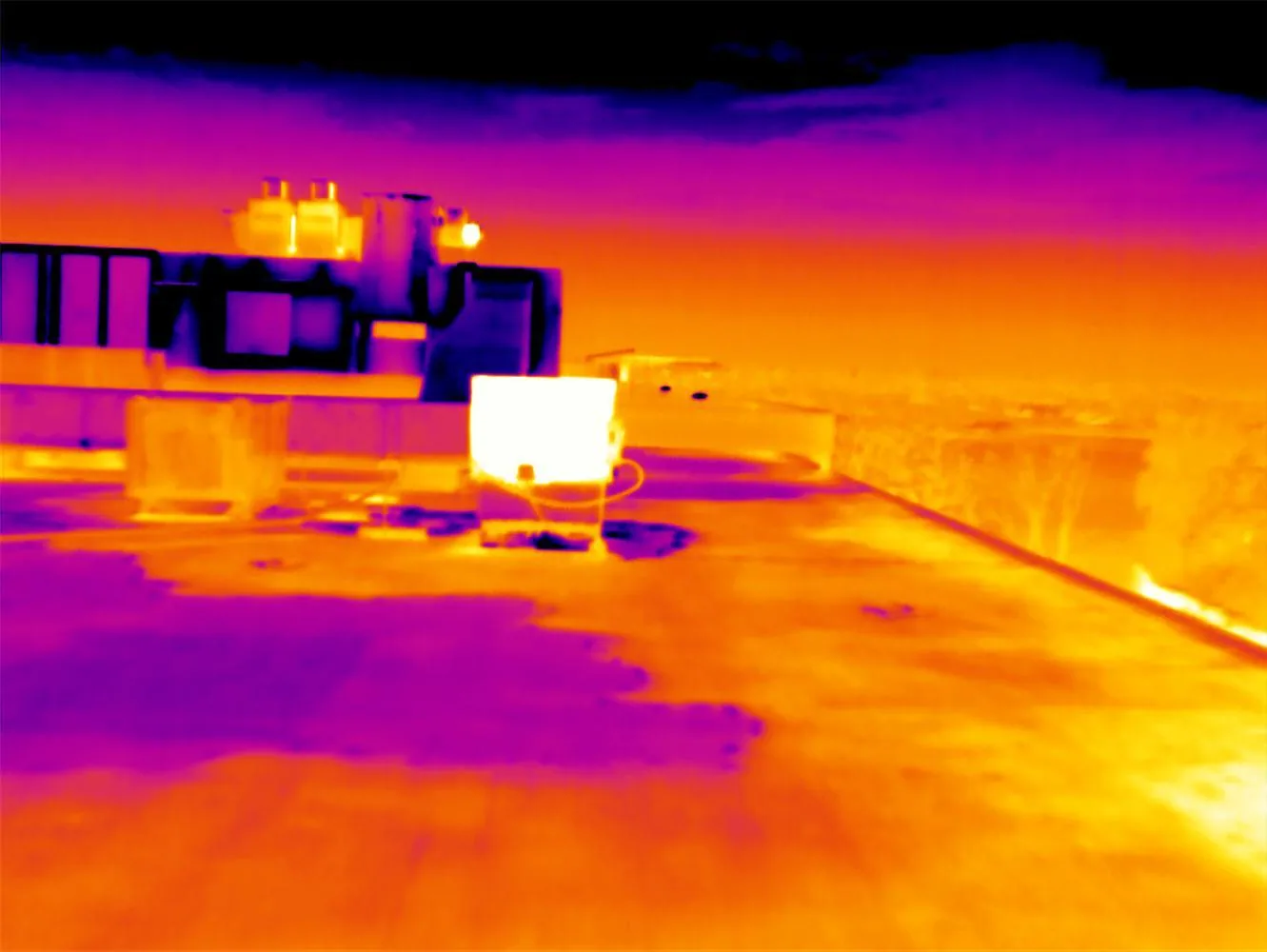
The roof survey records visible membrane conditions, edge securement, curb transitions, drains, and any location proposed for testing. An approved test cut can show layers at that point, but the record marks its limits. A condition inspection can establish the observed areas, while a roof condition report can organize photos, locations, and recommendations for review. If the work documents require a specific submittal format, we use that format rather than create a separate field record that cannot be matched to the project.
Schedule around the Mission and Other Trades
Mission operations set the windows for noise, deliveries, lifts, roof access, and temporary openings. We break the scope into sections that can be completed and secured within each approved period. The superintendent identifies which building contacts must receive notice, which spaces remain occupied, and what operations cannot pause. Mechanical or electrical work at a unit may need a separate authorization and escort. The schedule assigns the order of trades and the person who can release the next roof zone.
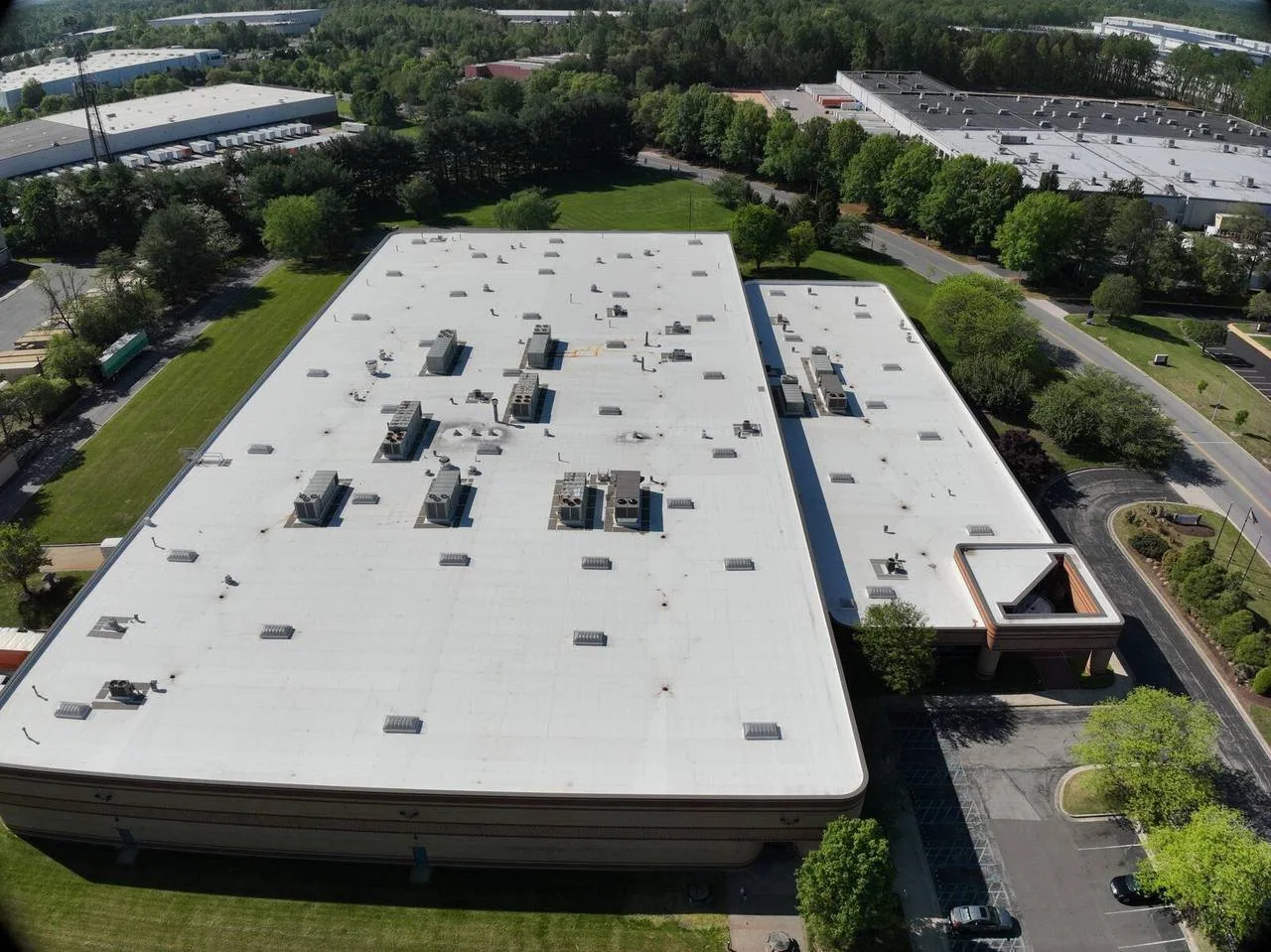
A military roof scope may involve an armory or other facility, but each project package defines its actual building type and use. We read those documents before choosing a sequence or describing the work. Visalia's commercial building mix also includes manufacturing, warehousing, and distribution in the Visalia Industrial Park. A private industrial project can have freight and equipment constraints, yet it does not share the access authority or mission requirements of a Guard facility. A phased reroof plan can help map occupied areas without treating those distinct settings as interchangeable.
Protect the Assembly through Each Shift
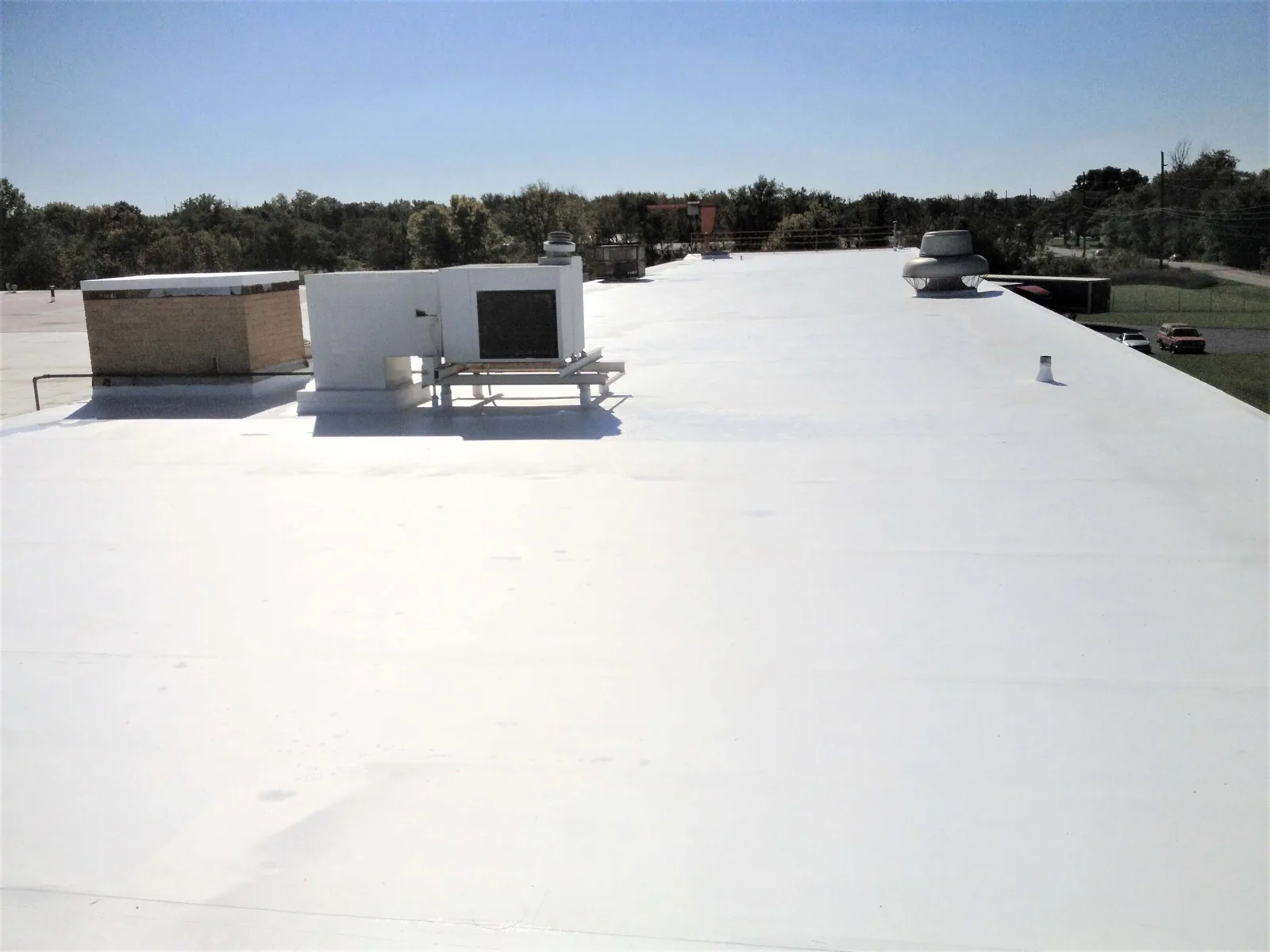
Material selection follows the specified roof system, approved submittals, substrate, and installation details. TPO, PVC, EPDM, modified bitumen, built-up, and metal assemblies each use different joining and flashing methods. We confirm the membrane, insulation, cover board, attachment, and edge details against the documents before ordering. If an opening reveals wet insulation or damaged decking, the crew protects the area and routes the finding to the authorized reviewer. No layer should be covered until the required inspection or approval has occurred.
Heat and rain also affect the daily closure. Visalia's climate averages record a long period of hot days and most monthly precipitation from late fall through early spring. We check surface temperature, moisture, and the forecast against the approved product requirements, then select a section size the crew can close safely. Temporary protection should be compatible with the system and removable without damaging the finished work. A TPO roofing assembly and a cover-board scope require their own specified attachment and transition details.

Keep Changes and Closeout Traceable
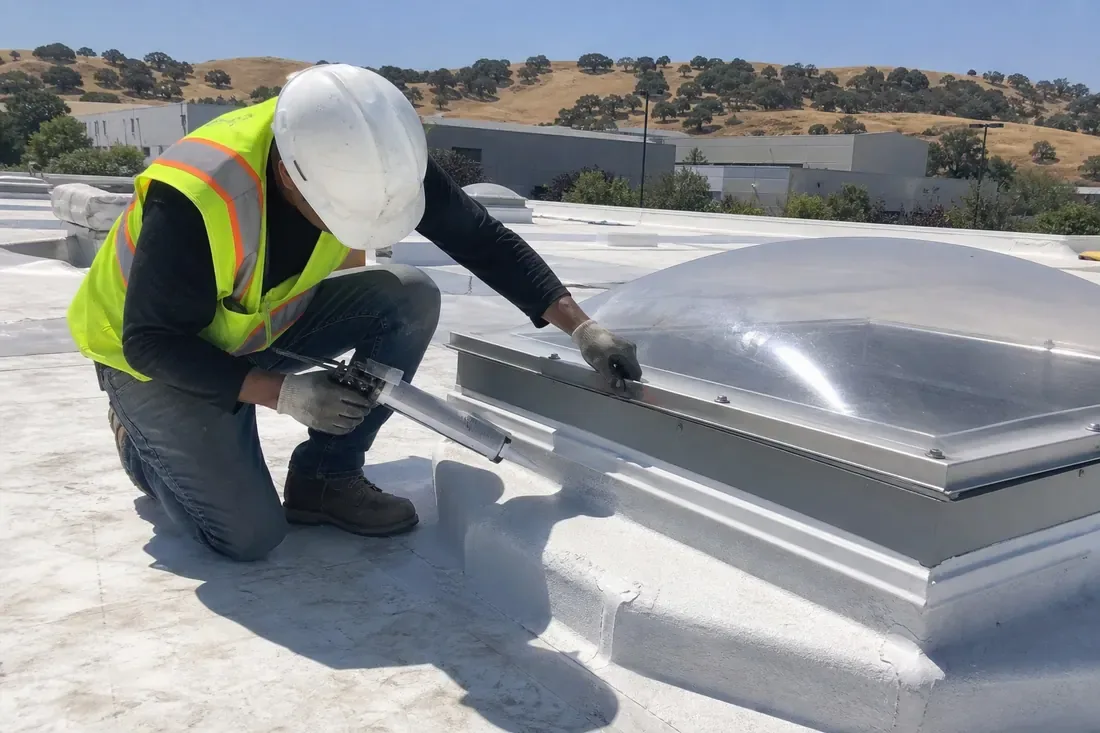
Each daily record can identify the cleared work zone, crew access window, weather, materials installed, and inspection or approval hold points. If a hidden condition changes quantities, we photograph it only as allowed and submit the request through the named contract channel. The record states which area remains protected and who must authorize the next step. This gives the contracting officer or facility representative a traceable way to compare the installed work with the approved scope. A roof-zone map can connect a field observation to a drawing callout without placing restricted details in a general email. The project team can then review the requested correction, required inspection, and material change through the channel named in the contract. Closeout notes should also show whether another trade touched the surface after roofing was complete, because a later conduit or equipment move can affect the same flashing boundary.
At closeout, the owner receives the required submittals, as-built details, product data, photos where permitted, and a list of any open item. Warranty paperwork follows the actual manufacturer and contract terms; we do not add a length or coverage promise that the documents do not support. For a local roof record near the Visalia Industrial Park or the Mooney Boulevard Regional Retail Corridor, freight and tenant access may matter, but those public commercial routes do not replace installation entry procedures. We keep each scope specific to its building and authority.
Commercial Roofing Questions
What access information is needed before a site visit?
We need the applicable badging, escort, vehicle, tool, photography, and check-in requirements from the project representative. The schedule also names who can release roof access and authorize a change.
Can roofing work follow a standard commercial schedule?
The mission schedule and site restrictions control the work window. We divide the roof into approved sections and confirm noise, deliveries, lifts, and temporary protection with the designated representative.
How are UFC roof details handled?
We review the criteria cited in the project documents alongside the drawings and approved submittals. The specified edition and detail govern the roofing scope; any field conflict goes through the authorized review channel.
What happens if a test opening finds wet insulation?
The crew records the tested location and secures the opening. The finding goes to the named reviewer for direction before added removal or replacement proceeds beyond the approved scope.
What will the closeout package include?
It follows the contract requirements and can include approved submittals, installation records, permitted photos, product data, and as-built details. The final list identifies any open item and the authority responsible for acceptance.