Self-Storage Facility Roofing in Visalia
Property Types We Roof | Visalia and Tulare County
Self-Storage Facility Roofing
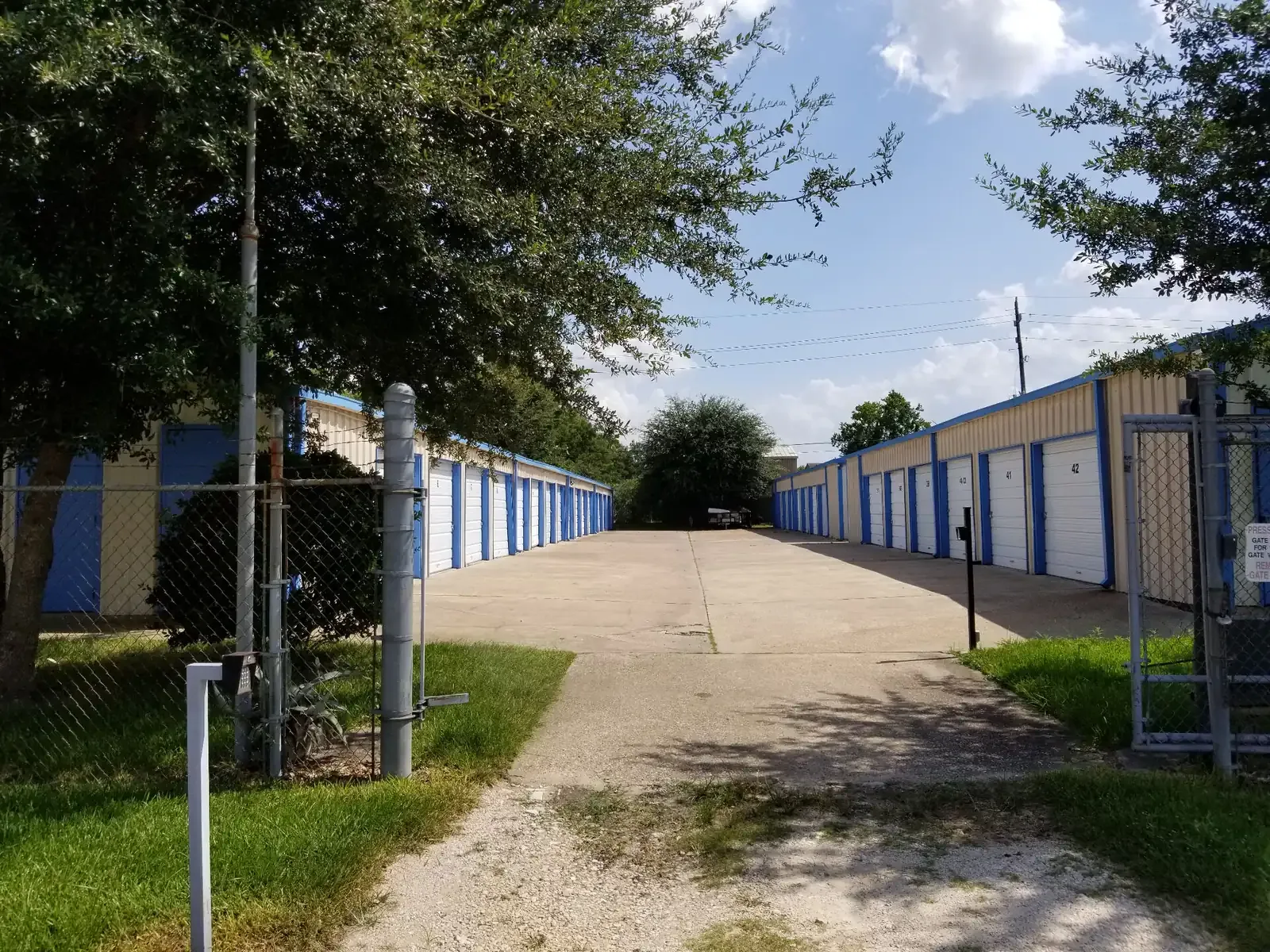
A roof leak at a storage facility can affect several units before anyone sees water from the drive aisle. We start with the reported row, unit, and building section, then trace the likely path at the roof. A property may have separate buildings, covered loading areas, office space, and later additions, so one repair detail should not be assumed across the whole site. Visalia's Industrial Park is a large employment area, while Mooney Boulevard serves as the core of the regional retail hub. Those named places orient the local market, but neither identifies a particular storage property. The address, roof map, and site contact establish the inspection route.

Map the Unit Report to a Roof Section
Ask which unit reported water, when it was first noticed, whether stored contents were affected, and if the issue followed rain or recent equipment service. Record the building and row using the facility's numbering system. A ceiling drip or wall stain may sit away from the roof opening because water can move over the deck or through an insulation joint. Compare the report with seam lines, penetrations, perimeter details, drains, and transitions between additions. If the source is not confirmed, mark the tested zone and explain what further check would narrow it.
Storage layouts can make roof access easier in one building than another. Confirm the ladder or hatch, gate code, office contact, drive aisle limits, and whether a lift can turn or stage without blocking tenant access. A warehouse roof inspection also tracks equipment and aisle clearance, while storage work must preserve unit rows and customer routes. Protect exposed contents before any interior opening. The closeout should identify the unit report without publishing tenant details or implying that the entire property has been checked.
Keep Customer Routes and Drive Aisles Open
Before staging, identify the active entry lane, fire access, loading area, and drive aisle that customers need to reach units. A material cart or debris container can narrow a turning path even when the repair is limited. Coordinate any temporary closure with the property manager and use clear boundaries around the work zone. If a tenant must be contacted, the manager handles notices and access arrangements. The crew should not enter a unit or move stored property without authorization from the responsible contact.
For a facility with multiple buildings, confirm each roof section separately. A shared parcel does not mean the roofs use the same membrane or drain layout. If one building cannot be reached because of a parked vehicle, locked gate, or tenant activity, write it down and schedule a return rather than treating the rest of the walk as complete. A distribution facility scope also plans around vehicle flow, but storage access involves repeated customer trips and narrow interior aisles. Keep staging and repair timing specific to the site map.
Check Roof Details that Can Send Water toward Units
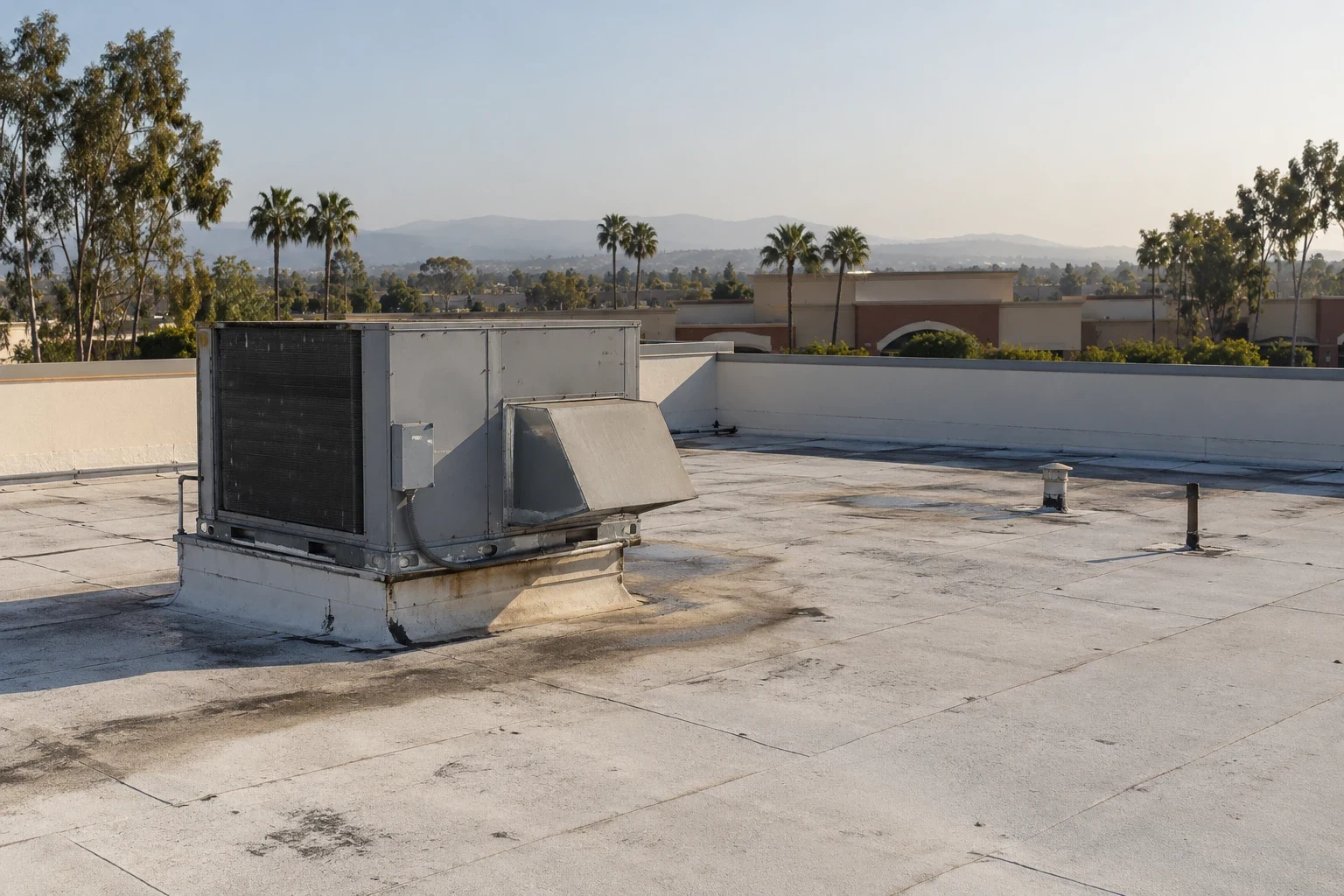
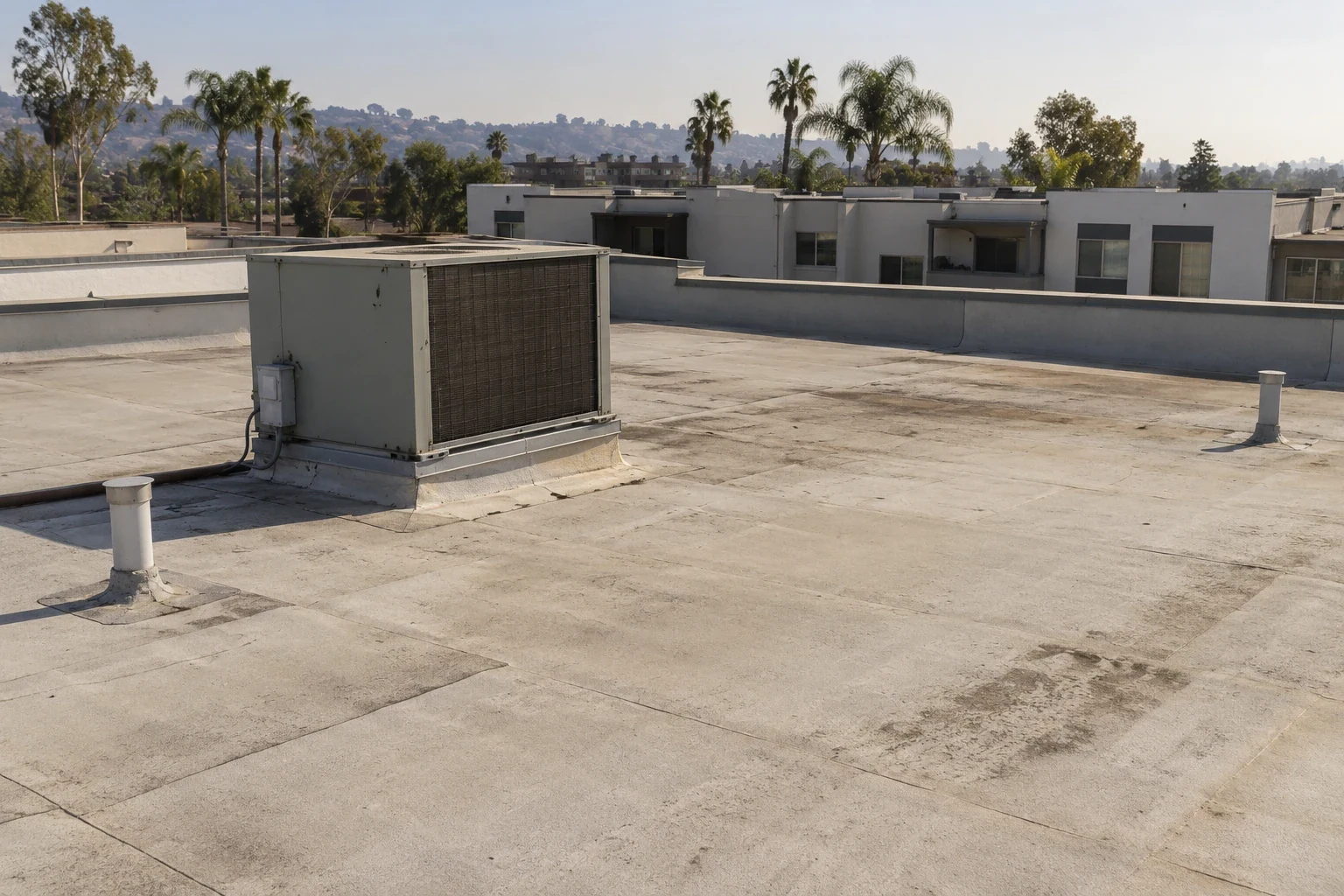
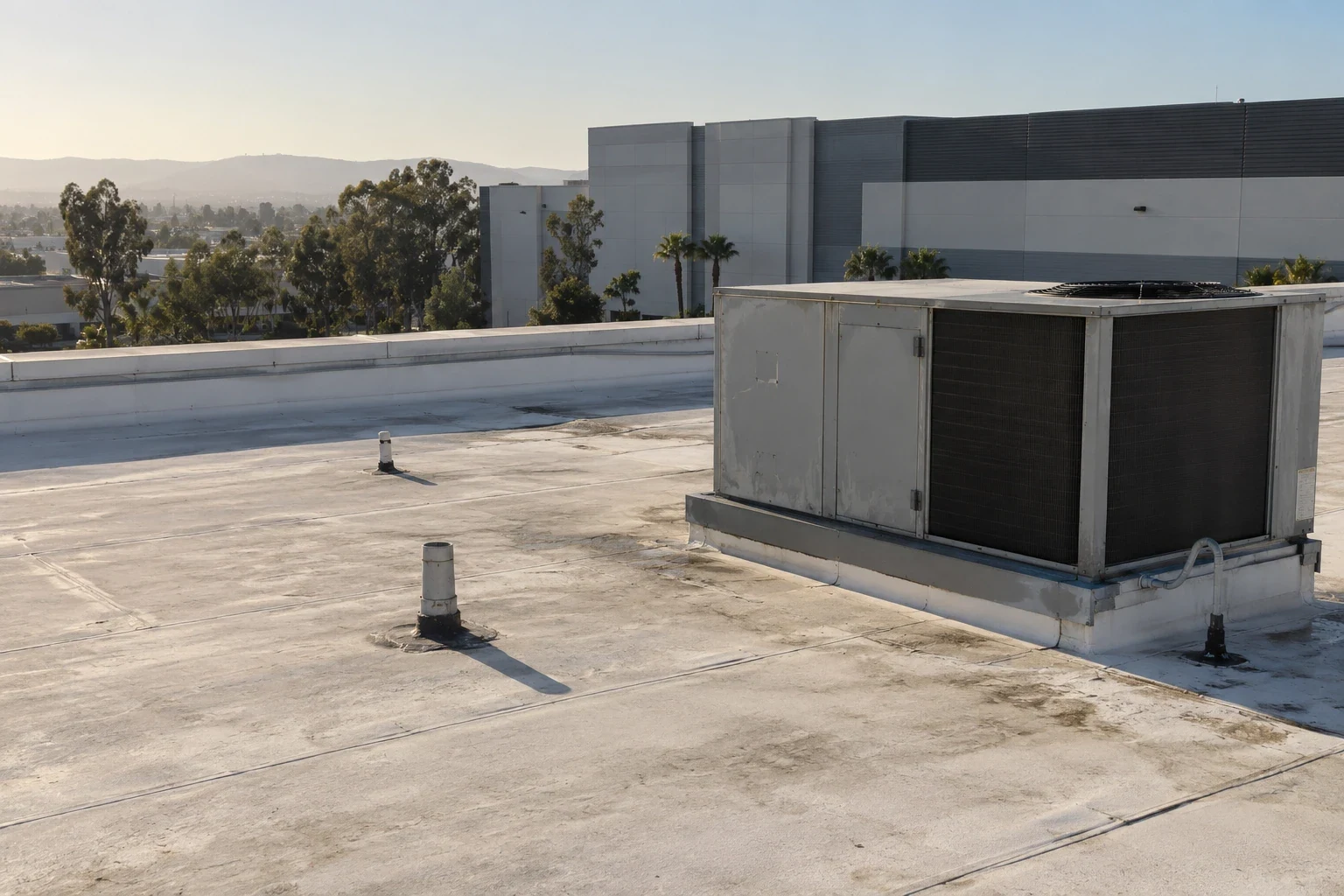
Inspect seams, laps, perimeter edges, fasteners, penetrations, wall transitions, drains, and scuppers around the reported row. A low point or blocked outlet can leave water at a joint; a failed curb flashing can send it across a deck. Record standing water and debris separately from membrane damage. If a coating or prior patch covers the original surface, note what is visible and what cannot be verified without a test opening. Match the repair material to the actual assembly instead of applying one product across unrelated buildings.
Visalia has a long warm season and a defined wet season. Visalia's 1991-2020 climate averages include 11.3 days each year with highs at or above 100 degrees Fahrenheit, while most of the 10.32-inch mean annual precipitation falls from late fall into early spring. These are long-term averages, not a forecast. Heat and seasonal rain make inspection timing useful, but the roof's slope, drainage, and detail condition determine the next action. A drain and scupper check can be listed separately from membrane repairs so the record shows which issue was addressed.
Define What the Repair Covers
A useful proposal identifies the affected building, roof zone, detail, material, and repair boundary. If the reported unit sits below a seam, curb, or edge transition, say which nearby conditions were inspected. If a damaged deck or wet insulation is suspected, explain that an approved opening may be needed before the extent is known. Do not price an assumed area as confirmed damage. The manager can then separate urgent protection from a broader repair or replacement decision.
For a small repair, photographs before and after work should show the detail and the location on the roof map. If water testing is appropriate, record the area tested and what result would count as a pass. A commercial leak response can address a defined source, while preventive roof maintenance can log drains and conditions at scheduled visits. Neither substitutes for a clear repair scope when active water entry is present. If tenant contents require protection, confirm who will move or cover them before the work window.
Plan a Visalia Service Visit
Visalia Industrial Park spans more than 1,500 acres and supports major industrial employment. Mooney Boulevard is the key shopping spine for Tulare and Kings counties. These are broad economic and corridor facts, not a claim that a storage site is inside either area. Provide the exact street address, gate instructions, office hours, building and row labels, and the best contact for roof access. If the facility uses a different naming system for buildings and units, send that map or a photo of the site plan.
Visalia has distinct land-use categories such as regional commercial, service commercial, business park, light industrial, and industrial. The property address matters more than a nearby district label. A Visalia Industrial Park service-area description covers a broad employment district; it does not identify an individual property or promise a route through secured premises. The manager confirms where a crew can park, which aisle must stay clear, and whether roof access requires an escort. Record any area that could not be reached.
Make the Roof Record Useful to the Next Manager
Storage ownership or management can change while the roof remains in service. Closeout should preserve the building and roof labels, reported unit row, condition found, water path considered, repair boundary, material, photographs, and unresolved item. Separate the tenant's report from what was directly observed. If the roof was not accessed, say so. If an interior stain needs monitoring, identify who will check it and what new water should trigger a follow-up.
For routine visits, list drains, scuppers, seams, penetrations, and prior repair areas by building. Note whether debris was removed, whether an outlet could be tested, and whether another trade or access approval remains. A roof condition report can organize findings for property records, and office roof documentation may help when the same manager maintains a separate office building. Keep unit contents, customer names, and access codes out of public-facing descriptions. The record should say what was checked and what decision is still needed.
Commercial Roofing Questions
Can water show up in a unit away from the roof opening?
Yes. Water can travel over the deck or through insulation before reaching a ceiling or wall. The reported unit helps narrow the inspection, but does not prove the opening is directly above it.
Should tenants be notified before roof work?
The property manager should handle notices and any unit access. The crew needs a clear work boundary, approved route, and contact for changes during the visit.
Can each storage building be inspected separately?
Yes. Record the roof assembly and areas reached for each building. Shared ownership does not establish that separate roofs have the same materials or condition.
What if the reported unit is dry during the inspection?
Record the report, weather and access conditions, and roof details checked. A dry visit does not confirm that a prior leak is resolved or identify its source.
What should the manager send before scheduling?
Provide the site address, building and unit-row labels, roof plan if available, gate and parking instructions, access contact, and any aisle or tenant restrictions.