
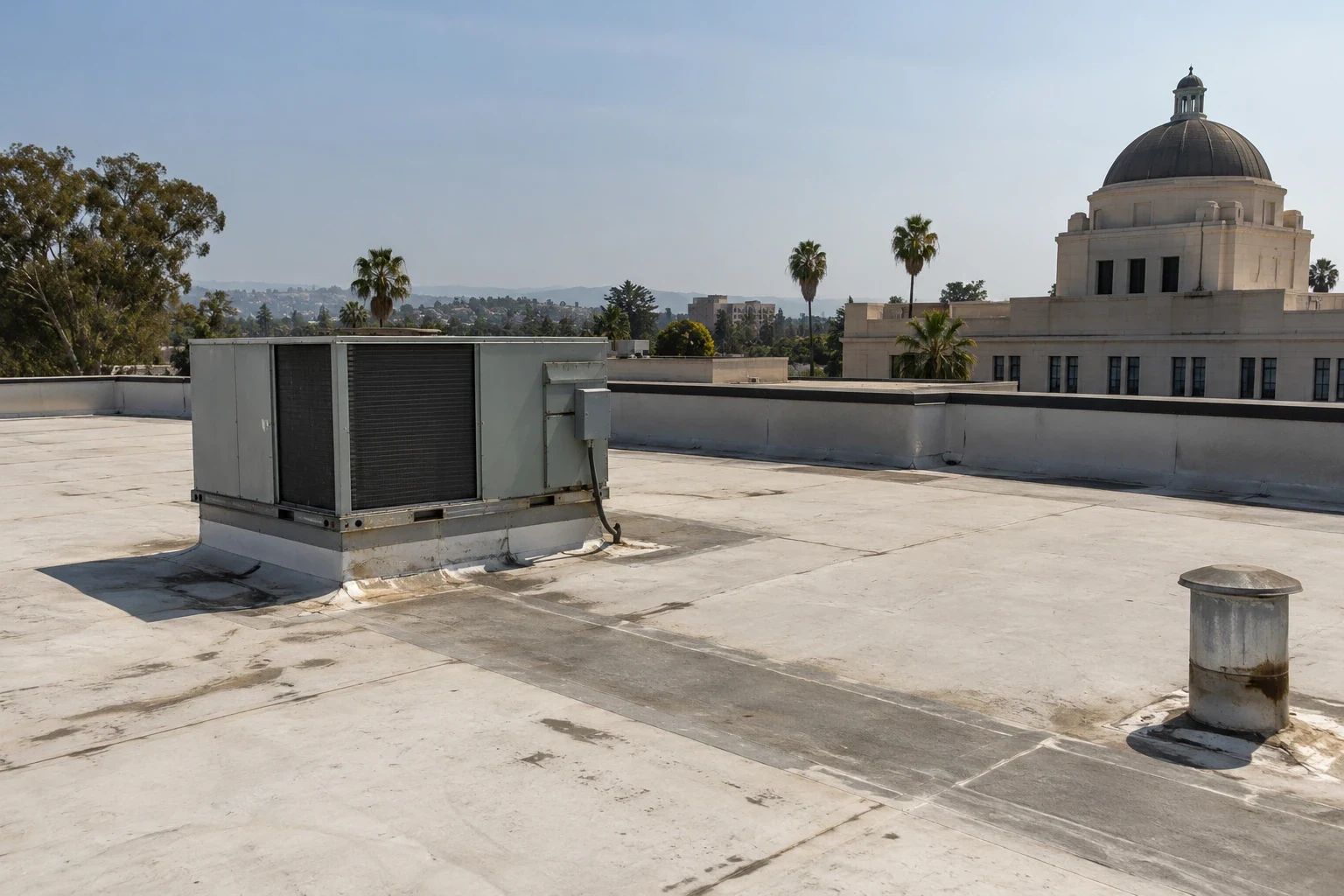
Government Building Roofing in Visalia
Property Types We Roof | Visalia and Tulare County
Government Building Roofing
A public counter can stay busy while a roof leak is contained, but the work still needs a controlled access plan. Staff may need to keep a counter, meeting room, records area, or public entrance open while the roof is inspected. We start with the reported room and building, trace the likely water path, and write down the access limits before proposing work. Visalia's planning documents identify Downtown as a mixed-use jobs center with government and professional activity. The City also identifies a medical activity area near Court Street and Paradise Avenue. These are broad local contexts, not evidence about a specific municipal roof. The site address, roof plan, and facility contact establish the actual scope.
Tie the Work Order to a Specific Roof Area
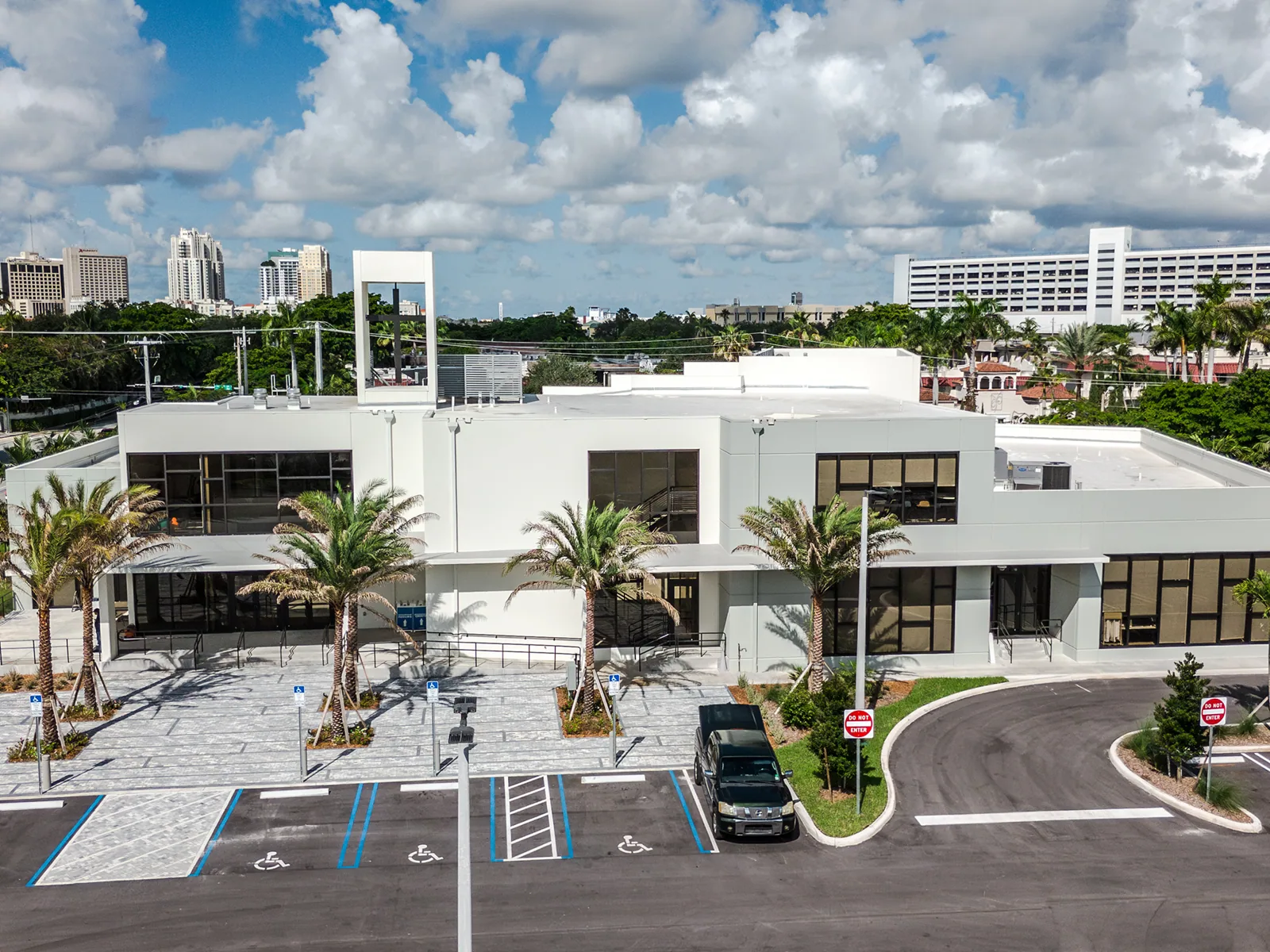
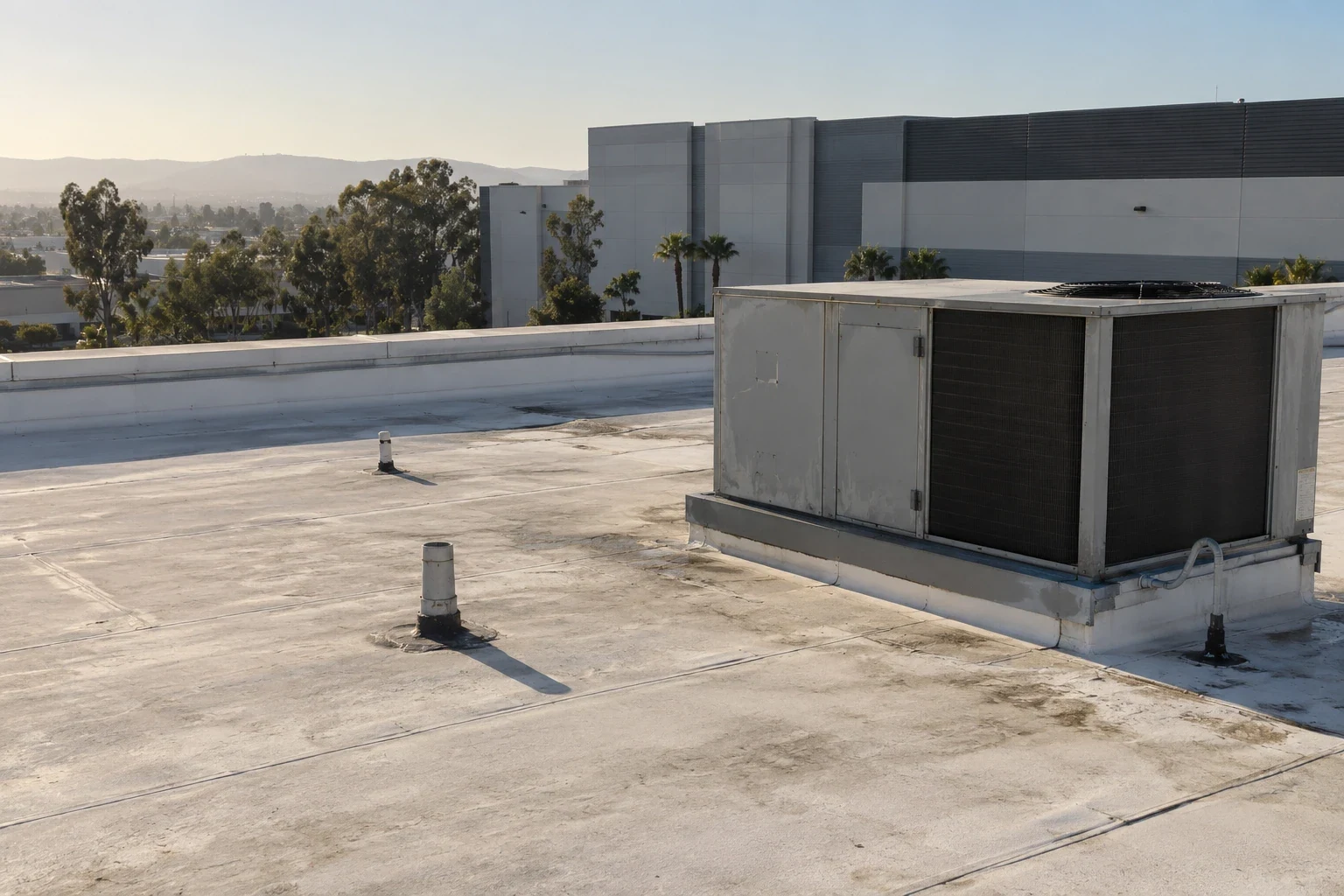
Start with the facility label, the room or ceiling affected, and the first-noticed time. Separate a wet-weather report from a symptom that followed mechanical work, then compare both with the maintenance log. Water can move below a membrane before showing indoors, so a stain does not prove that the opening is directly overhead. Compare the report with seams, curbs, drains, overflow paths, wall flashings, and roof slopes. If the likely source is not clear, describe the test area and what evidence would narrow it. A commercial roof inspection can document observed conditions without treating an initial report as a confirmed diagnosis.
Public facilities can have different access rules for public counters, secure offices, records rooms, and utility areas. The building representative identifies which spaces are occupied, who can authorize roof access, and whether an escort is needed. Separate the inspection zone from any protected or restricted area. A commercial office roof plan also records tenant access, but a public building may add visitor hours, public meetings, or security procedures that must be confirmed with the facility lead.
Keep Public Routes and Facility Operations Clear
Before equipment arrives, confirm the hatch or ladder point, staging area, lift path, fire lane, accessible entry, and any delivery route. A blocked entrance can disrupt public service even when the roof work itself is small. Staff should identify a safe route for visitors and a contact who can update the crew if an event or meeting changes site conditions. If a space below the roof needs protection, agree on the boundary and who will move equipment or records before work begins.
Work may be split into inspection and repair windows where public hours limit noise or access. The sequence still depends on roof conditions, weather, materials, and the approved scope. If a meeting room is needed, pause above that area and coordinate another time rather than shifting staging without notice. A school roof project has similar occupied-building concerns, while public facilities may need different visitor-routing and authorization steps. Capture any area not reached so a later visit does not assume it was inspected.
Identify Materials before Selecting a Repair
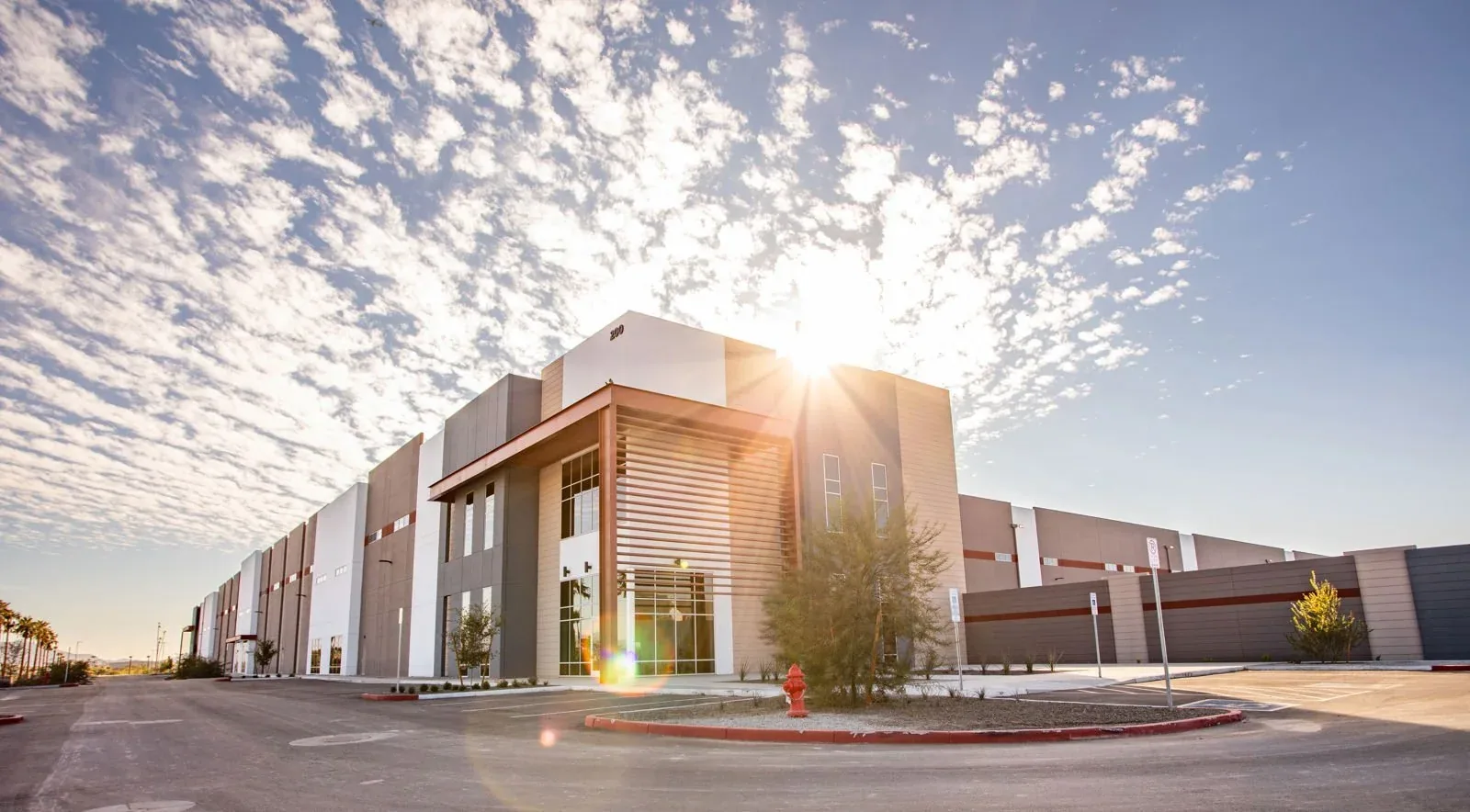
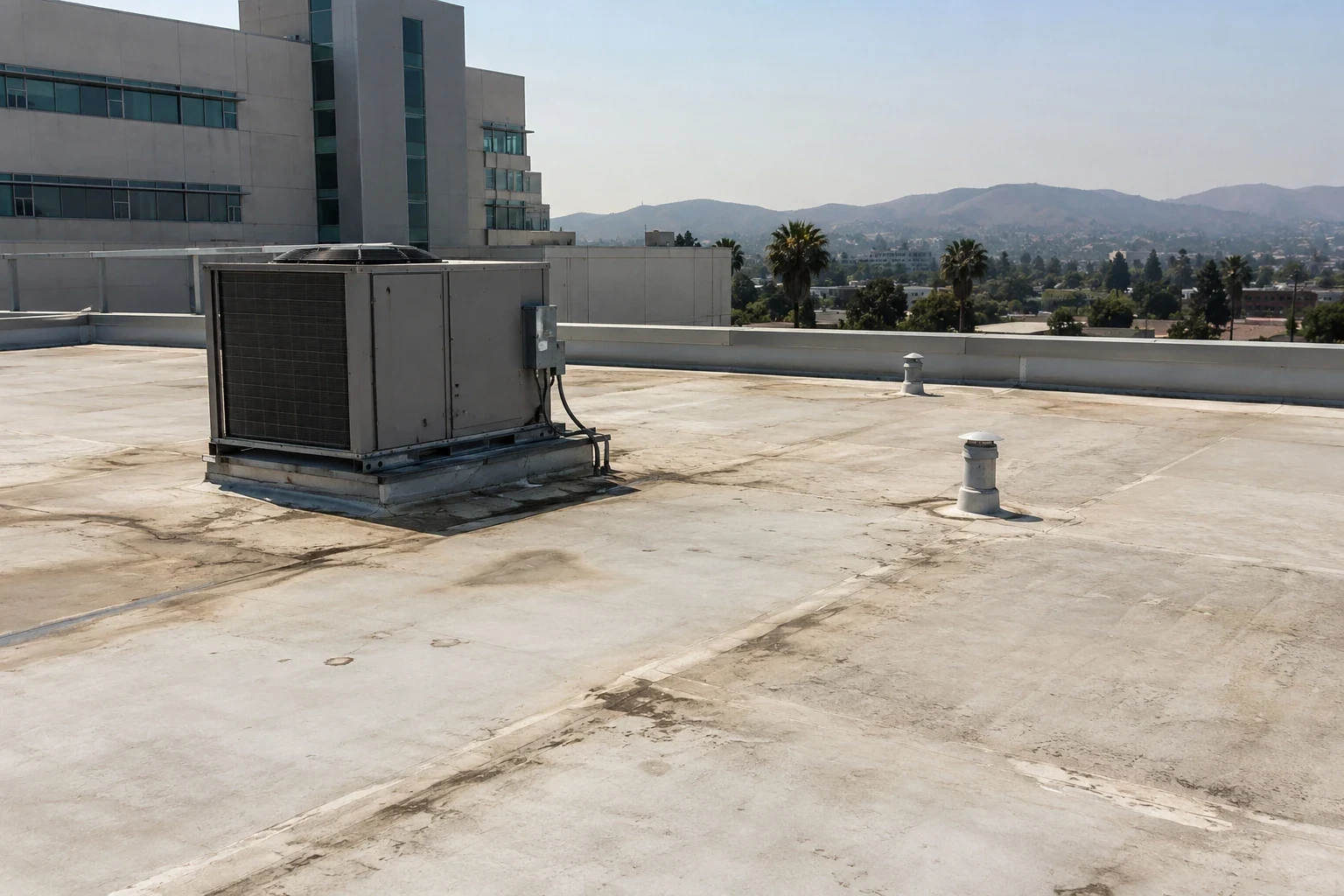
Municipal properties can accumulate roof sections from separate projects. A main building may have a single-ply membrane while a service addition has metal panels or a coated assembly. Identify the visible system and its transitions before selecting a patch, sealant, or replacement detail. Check seams, fasteners, edge metal, drains, scuppers, skylights, equipment curbs, and wall junctions around the reported path. If the roof record is incomplete, photograph the assembly and note what cannot be confirmed without an opening.
Visalia's climate has a marked seasonal pattern. Visalia's 1991-2020 climate average is 10.32 inches to an average year's precipitation. Most of it falls between late fall and early spring. That pattern supports a pre-wet-season check of drain bowls and overflow routes; it does not identify a leak on a particular day. A modified-bitumen system review can separate that assembly's repair details from a membrane roof. The work note should say which material was observed and which areas remain unverified.
Set a Repair Boundary the Owner Can Approve
A repair recommendation should name the location, detail, material, and limits. If the membrane is split at a curb, the proposal should distinguish that condition from unrelated edge wear or a blocked drain. If moisture is found below the surface, the scope may need an approved opening or another trade before a lasting repair can be selected. Present those choices before widening the work. A commercial leak repair can address a defined water-entry point, while broad deterioration may call for a separate replacement discussion.
Public procurement or facilities procedures may require a written scope, photographs, and a clear distinction between observed condition and recommendation. The record should state what the crew will test, what material is proposed, and what triggers added work. Warm-season work should follow the actual roof surface and product instructions. Confirm the approved work window with the facility contact rather than relying on a calendar estimate.
Coordinate the Visalia Site Visit
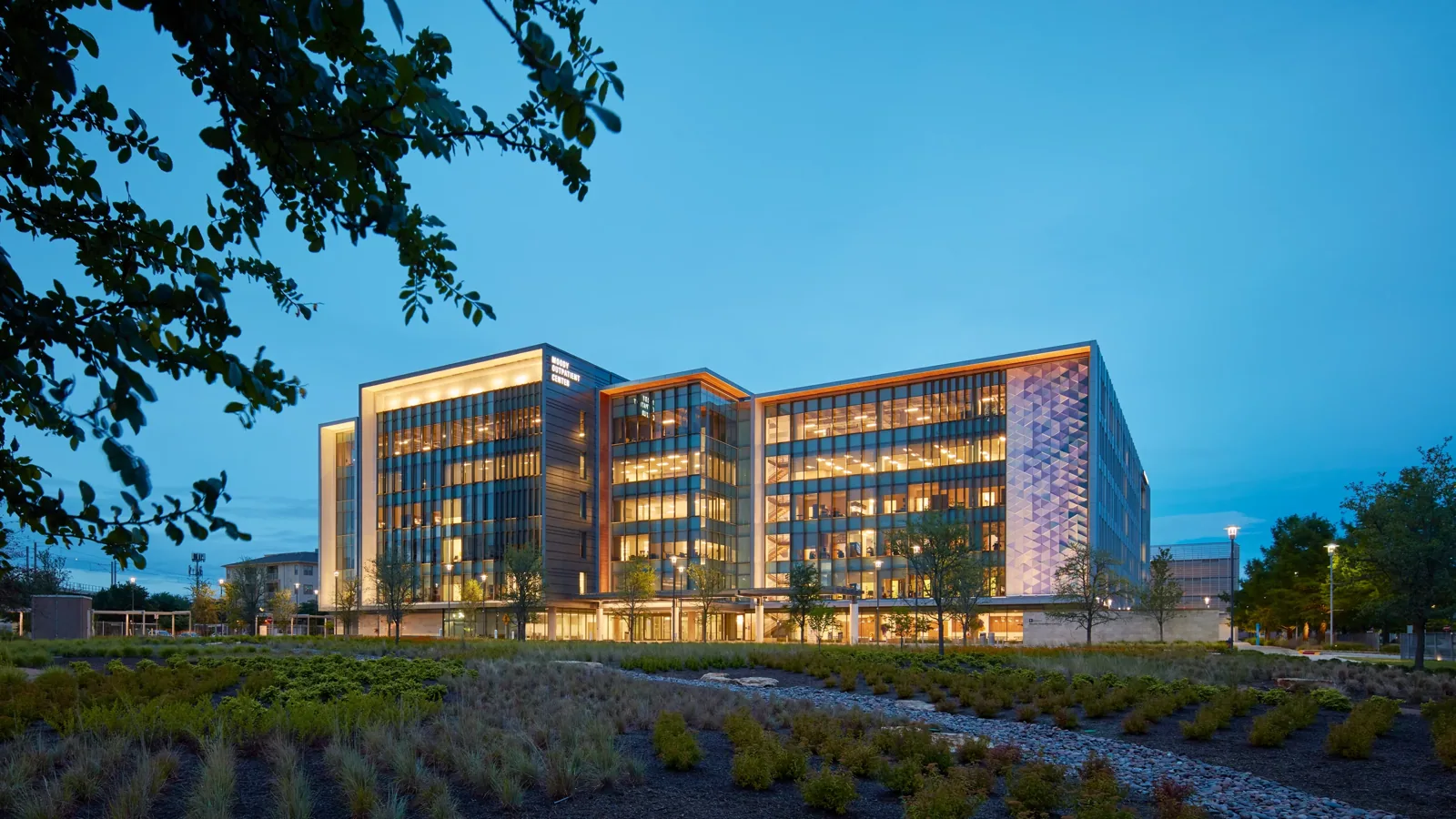
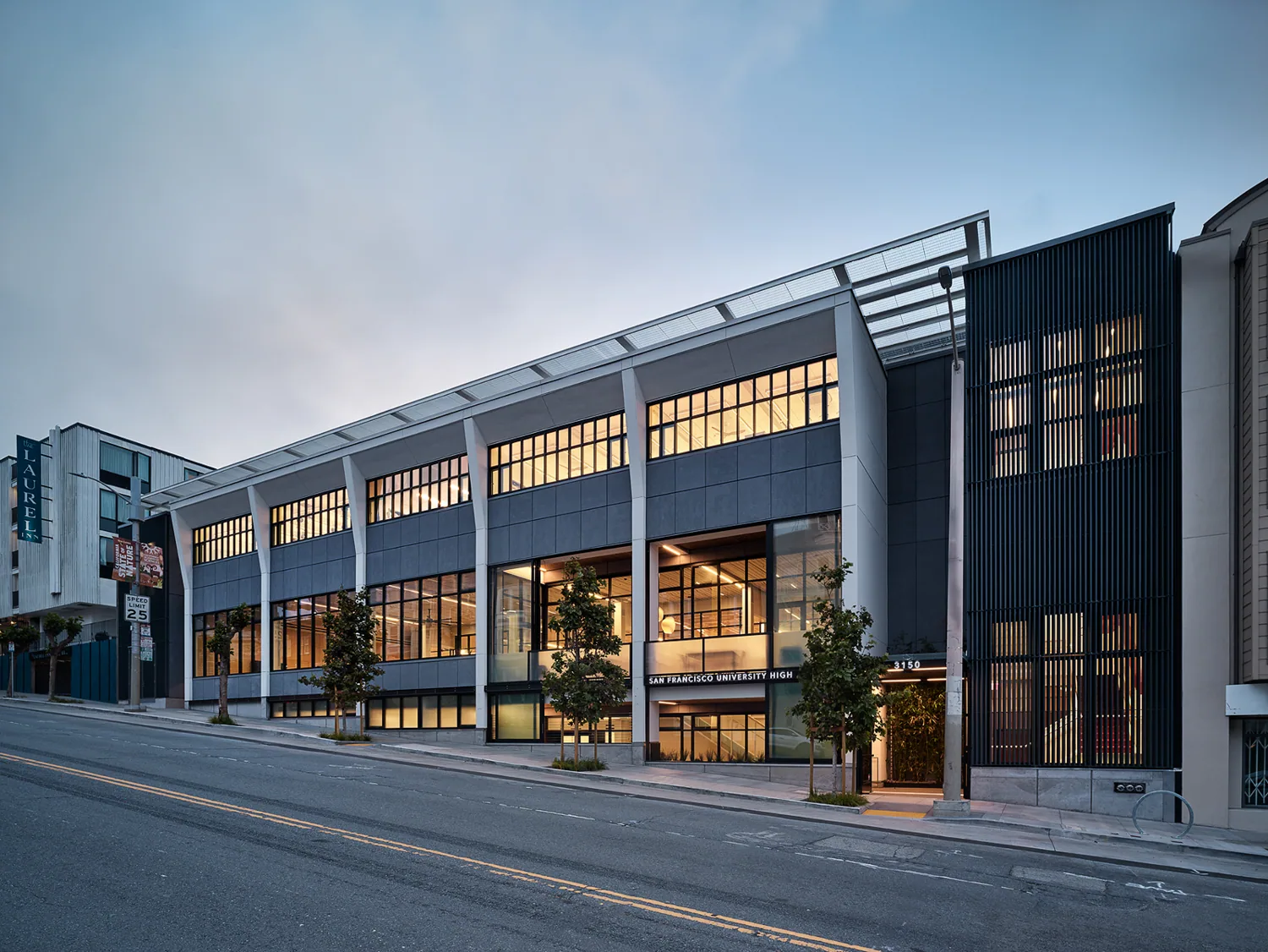
The City's land-use documents list major commercial or employment corridors including Dinuba Boulevard, Court and Locust, Goshen and Murray, Santa Fe, and Ben Maddox. Downtown Visalia is identified separately as a mixed-use jobs center with government and professional activity. Those names can orient a service visit, but they do not identify a facility or confirm a roof condition. Provide the exact building address, entrance for the crew, contact name, roof access instructions, and any public-hours restriction. If several buildings share a parcel, use the facility's map labels to distinguish them.
The Court Street and Paradise Avenue medical activity area is another named city context. It should not be confused with a public building address or a contractor's service history. A Downtown Visalia service-area page describes a district, not a specific site. The building contact confirms where to park, whether a visitor badge or escort is required, and how to handle a public event. When roof access is limited, document the unvisited section and the contact needed to authorize a return.
Make the Closeout Useful for Facilities Records
Closeout notes should connect the initial report with what was observed and what was done. Include the room, roof zone, likely water path, repair boundary, materials, photographs, and any test result. Label a condition as unconfirmed when a roof section was not reached or the source remains uncertain. If another trade must check a mechanical unit, identify the handoff and the next contact rather than leaving a vague open item. Staff can then compare a future report with the same location and evidence.
For multi-building sites, use the facility's own building names and retain a simple roof sketch or marked plan. List access restrictions, any temporary public-route change, and a follow-up date if monitoring is needed. A medical office roof record may also track occupied rooms, while roof condition reporting organizes observed items for facilities planning. The result should make clear what was inspected, what remains unknown, and what action is approved next.
Commercial Roofing Questions
Does the reported room show where the water entered?
A ceiling mark is an interior symptom, not a roof map. We compare it with accessible seams, curbs, drains, and transitions before stating whether a source is confirmed.
What access details should a municipal facility provide?
Share the building address, authorized contact, roof entry method, escort or badge rules, public hours, staging limits, and spaces that must remain open.
Can the roof repair be limited to one building?
Yes, when the reported condition and approved scope are limited to that building. The closeout should identify the roof section and any nearby area not inspected.
Does the annual rainfall normal predict a roof leak?
No. A climate normal describes long-term weather averages. The roof walk, drainage condition, and reported water path determine what can be concluded about a specific leak.
What should the closeout record include?
Record the location, observed condition, repair boundary, material, photos, test results, access limits, and any follow-up or trade handoff.