Aircraft Hangar Roofing in Visalia
Property Types We Roof | Visalia and Tulare County
Aircraft Hangar Roofing
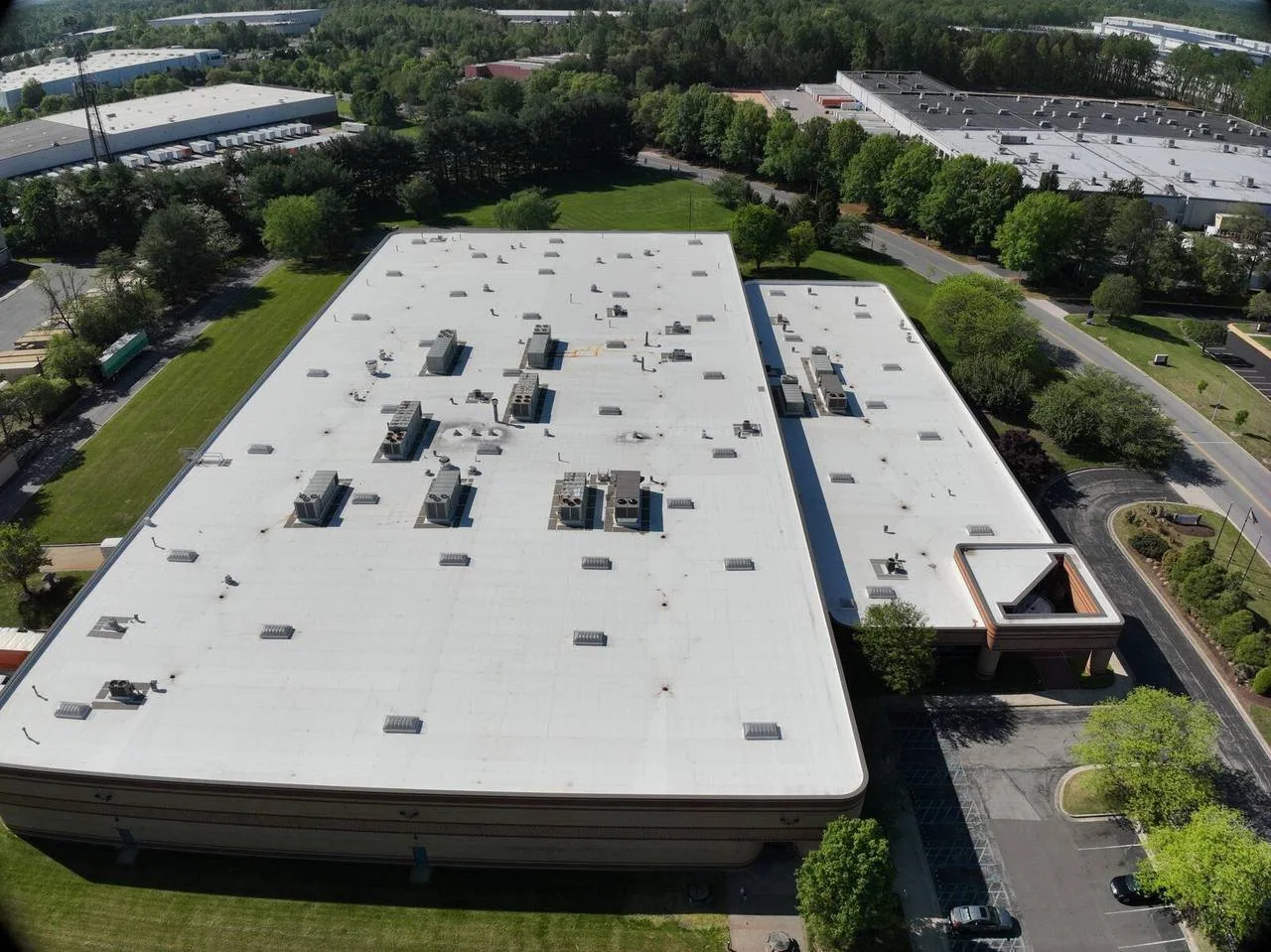
A drip in a hangar can reach an aircraft, maintenance bay, electrical equipment, or stored parts before it becomes obvious from the floor. We start with the reported bay and roof zone, then identify the likely water path and access limits. Hangars often combine a large clear-span roof, tall door opening, office area, and mechanical equipment. A leak near a door may involve the perimeter or wall transition; a stain below a curb may have traveled across the roof deck. The inspection records the observed detail and the area reached. Visalia's Industrial Park is a local employment district with industrial activity, while Naval Air Station Lemoore's operations area includes aircraft maintenance, runways, and hangars. The latter is a regional building-type reference, not a claim of access or service at a military installation.

Trace Water without Treating a Stain as the Source
Record which bay, door, or work area reported water, when it appeared, whether it followed rain, and whether a recent equipment or door service could matter. Note any aircraft, tooling, electrical systems, or inventory below the affected zone so the facility contact can set a protection boundary. Water can move beneath a membrane or along a deck before it drops through a joint. Compare the interior report with seams, roof slope, penetrations, curbs, drains, and wall transitions. If the path is not confirmed, state what was checked and what test or opening would clarify it.
Large roofs can have multiple elevations and phased additions. Identify the bay and grid reference used by the operator, then mark it on a roof plan or field sketch. Do not assume the center of a stain maps to the roof defect directly above. A warehouse roof assessment also tracks broad roof zones and equipment, while hangar work must account for aircraft movement and clear-span interiors. Keep the repair recommendation limited to the evidence collected.
Coordinate Roof Access with Hangar Operations
Confirm who authorizes roof access, whether an escort is required, and where a ladder, lift, and materials may be staged. A large door opening can be part of normal aircraft movement, so establish a no-obstruction zone and a contact who can pause work. Clear the area below the roof only through the facility's approved process. Do not assume the crew can move aircraft, enter controlled areas, or work near active maintenance without explicit site instructions. If access changes, reset the work boundary before continuing.
Noise, falling debris, and temporary door limits can affect operations beyond the immediate repair. The facility lead should identify aircraft schedules, maintenance windows, and emergency access routes. If the roof section above a bay cannot be safely isolated, record the limit and coordinate a return. A work plan for an occupied building can explain sequencing and containment; hangar operations add aircraft clearance and site-control requirements. The approved work plan, not a generic schedule, determines when the crew may enter and where materials can be placed.
Inspect the Door Perimeter and Roof Transitions
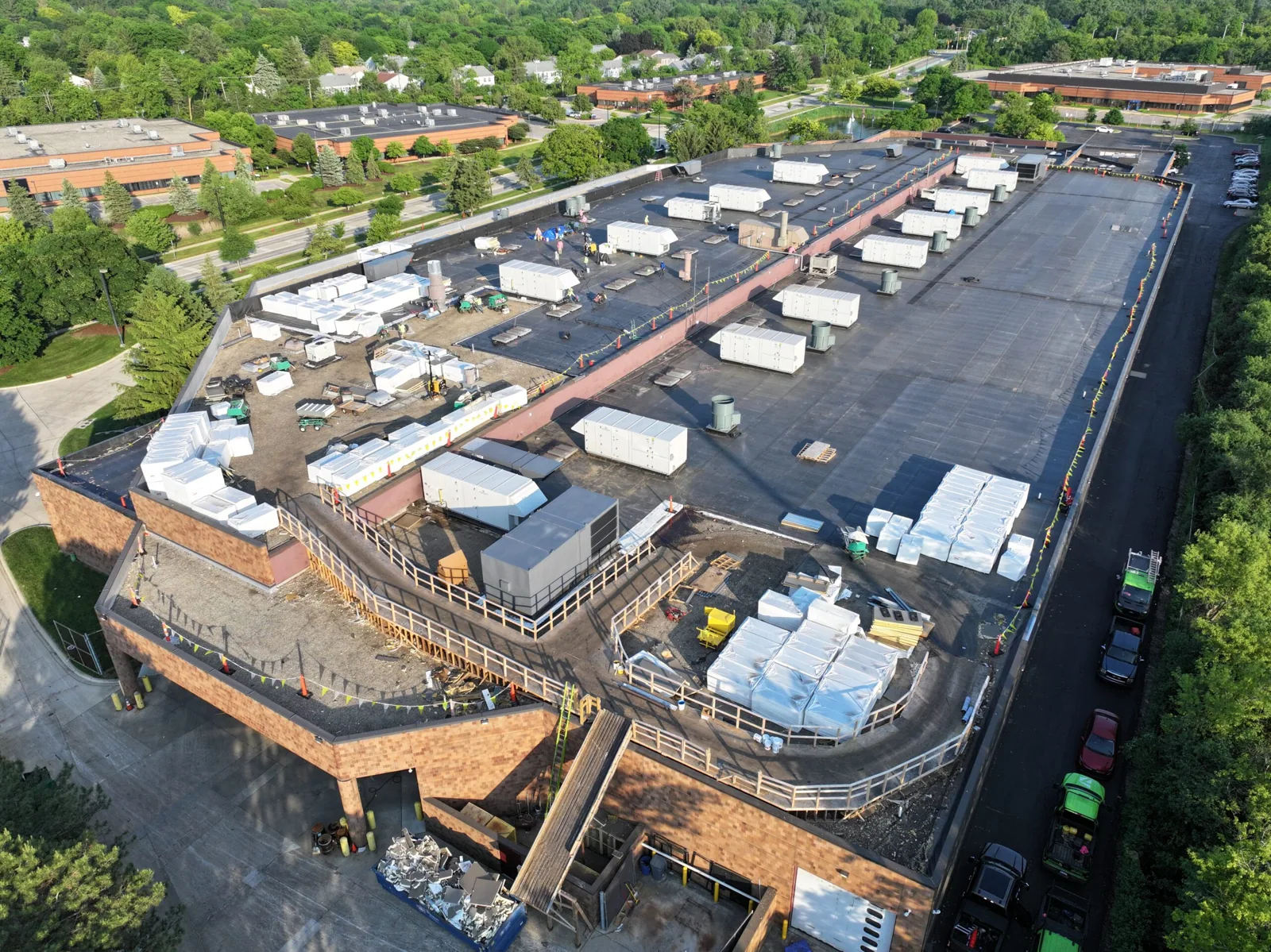
Check the roof assembly before choosing a repair. Look at seams, fasteners, edge metal, wall flashing, door-head transitions, curbs, penetrations, skylights, drains, and any change in roof elevation. Large sliding or bi-fold doors have their own perimeter details; water at the opening may involve a wall or seal condition rather than the roof membrane. Record whether the detail is visible, whether movement or access limits it, and whether another trade may need to inspect the door system. Do not apply a roof patch to a door assembly without identifying the actual failure point.
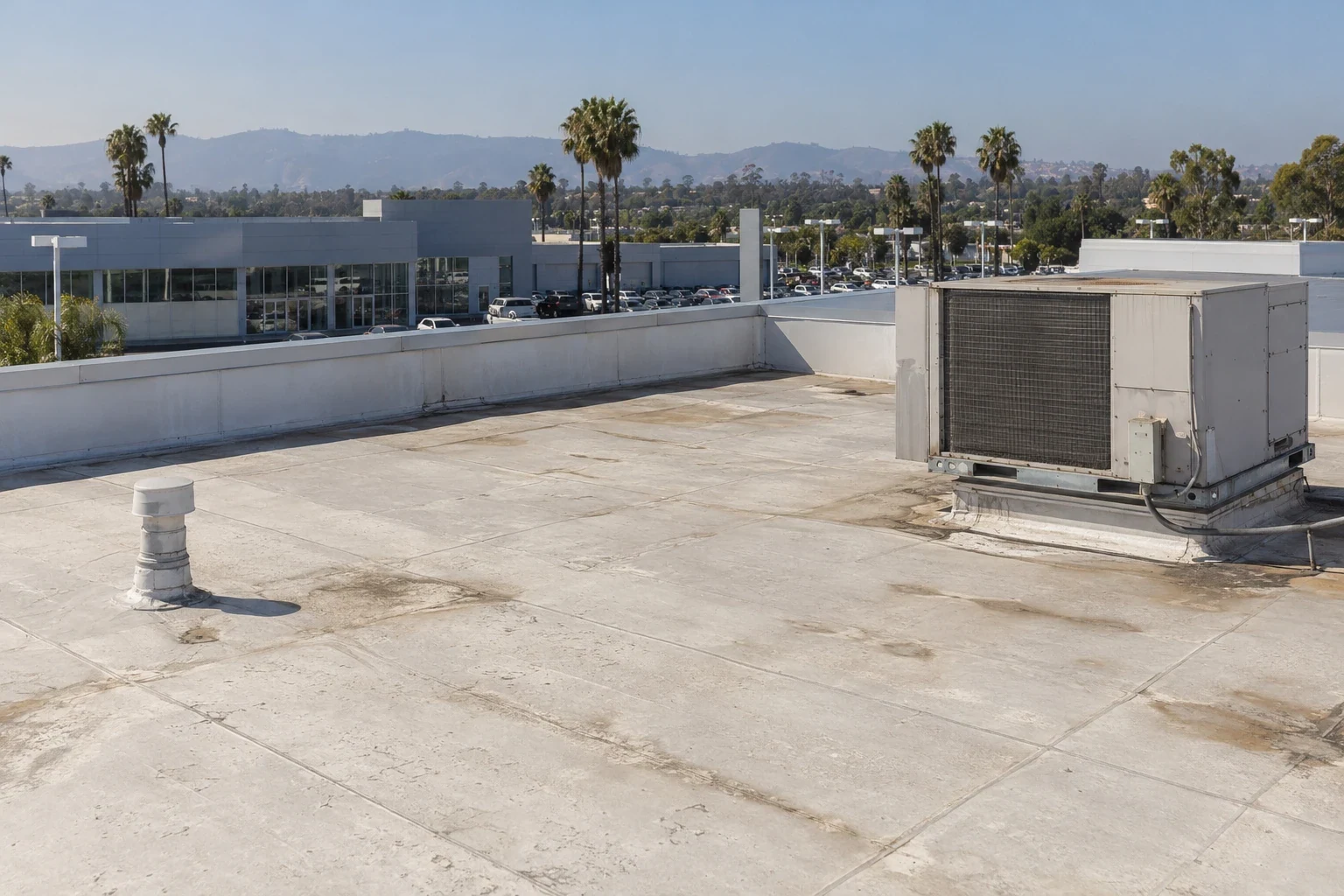
Visalia's dry summers and cooler wet-season months make drainage and exposed sealants worth checking on a scheduled walk. Visalia's 1991-2020 climate averages show mean annual precipitation of 10.32 inches, with most monthly rain in late fall through early spring. These averages describe climate, not the condition of a specific hangar. If water collects near an outlet, record the drain and overflow path separately from membrane damage. A drain and scupper inspection can be scoped as a distinct task when outlets or overflow details need attention.
Separate Roof Repairs from Door and Equipment Work
A repair scope should state the hangar bay, roof detail, material, boundary, and condition that triggered the work. If the suspected opening is hidden beneath equipment or a door track, identify the access method needed before promising a repair. A test opening may reveal wet insulation or deck damage that changes the plan. Explain that possibility before work starts and obtain approval for any added scope. If a door contractor or aircraft-maintenance team must handle an adjacent item, name the handoff and keep the roof work separate.
Photos should show the repair location, close detail, and relationship to a bay or grid reference. If a water test is used, record the tested area and result. A commercial leak repair can address a defined water path, while a roof replacement plan belongs in a separate capital decision supported by condition and history. Keep aircraft protection and operations limits in the site plan; do not make an unsupported promise that a hangar can remain active through every repair.
Keep the Visalia Area and Site Scope Distinct
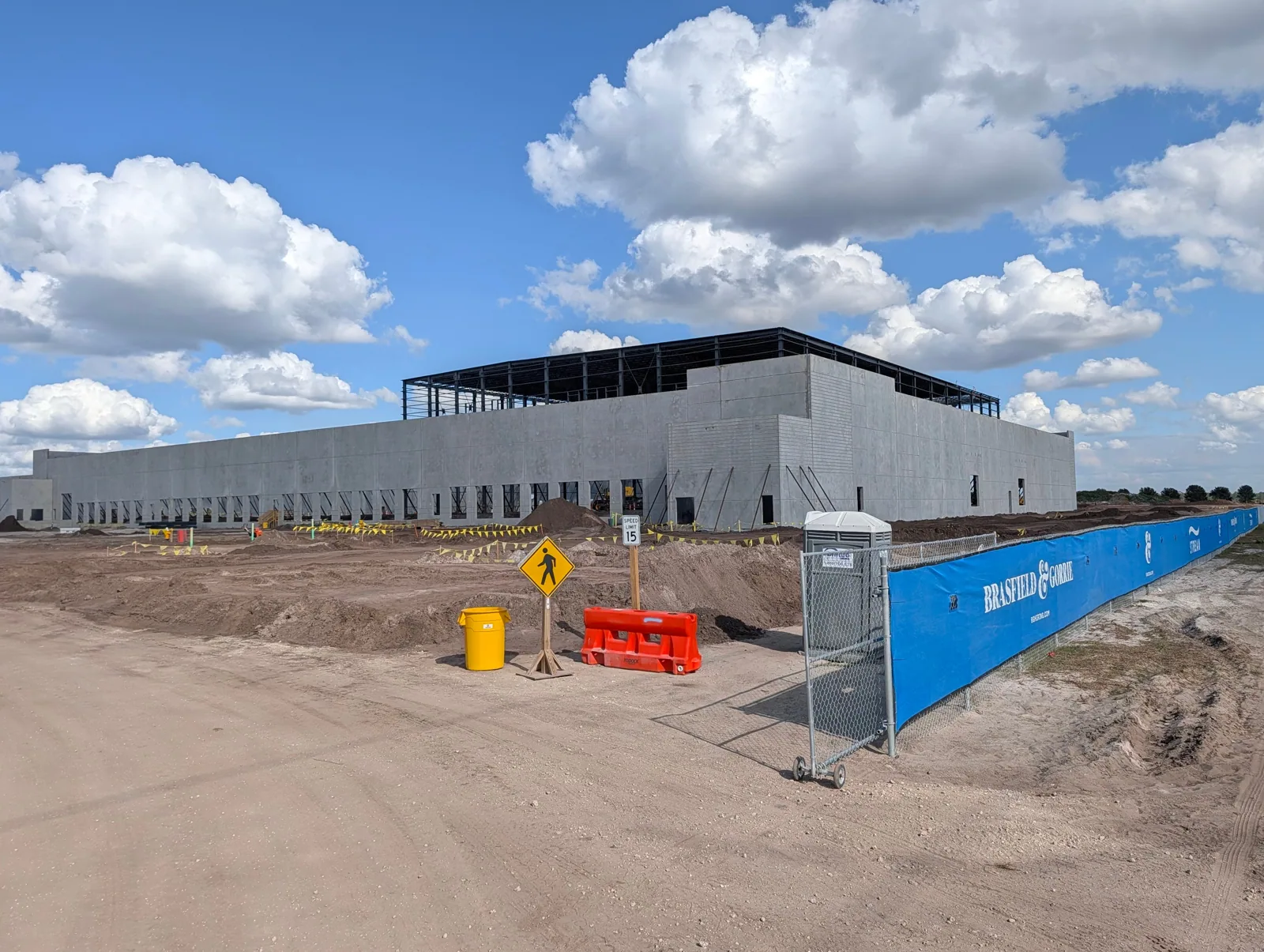
The Visalia Industrial Park exceeds 1,500 acres and supports manufacturing, food processing, warehousing, and distribution. Visalia employment areas include airport-industrial and light-industrial land-use designations. These facts describe the city's industrial context, not a specific hangar or a contractor's access to a controlled facility. The address and site contact must confirm whether a building falls within the requested service area and what access rules apply.
Naval Air Station Lemoore lies west of Visalia; Navy facilities information describes an operations area with aircraft maintenance and support, runways, and hangars. That installation is useful as a regional aviation building reference, not as a route target or indication of work performed there. A Visalia Industrial Park service-area description covers a broad district, not a secured building. For a local visit, send the exact address, gate instructions, hangar bay identifiers, contact name, and any escort or staging restrictions. A manufacturing roof inspection can address industrial operations, while hangar access remains site-specific.
Leave a Bay-by-Bay Roof Record
Closeout should identify the hangar, bay or grid reference, roof section checked, water path considered, repair performed, and any open item. Include photographs, material details, test results, and a note on an area that could not be reached. Keep aircraft and maintenance details limited to what the facility authorized and what the repair requires. If the source remains uncertain, say so and list the next diagnostic step instead of labeling the leak resolved.
A roof map can help the next facilities contact match an interior report to a specific area. Record door perimeter items separately from membrane seams and drains. Note temporary restrictions, who can authorize a return, and whether a door contractor or other trade has an open action. A roof condition report can organize the findings, and preventive roof maintenance can track recurring details. The record should distinguish the hangar's observed condition from a recommendation for a broader project.
Commercial Roofing Questions
Can a hangar roof leak appear far from its source?
Yes. Water can travel across a deck or insulation before reaching a bay. The report helps narrow the inspection but does not confirm the opening location.
Can roof crews work while aircraft are in the hangar?
The facility decides aircraft movement and work-zone controls. The repair plan must account for site rules, overhead protection, and the approved access window.
Should a leaking hangar door be treated as a roof leak?
Not automatically. Water at the opening may involve door, wall, or roof-perimeter details. Inspect and record the condition before assigning the repair.
What should the facility provide before a roof visit?
Share the address, bay or grid reference, roof plan, access authorization, escort rules, aircraft or maintenance windows, and staging restrictions.
Does a regional military hangar fact mean the site is in the service area?
No. A regional building reference does not establish distance, access, or service. The exact address must be reviewed for the requested scope.