Cool Roof Installation in Visalia, CA
Commercial Roofing Services | Visalia and Tulare County
Cool Roof Installation
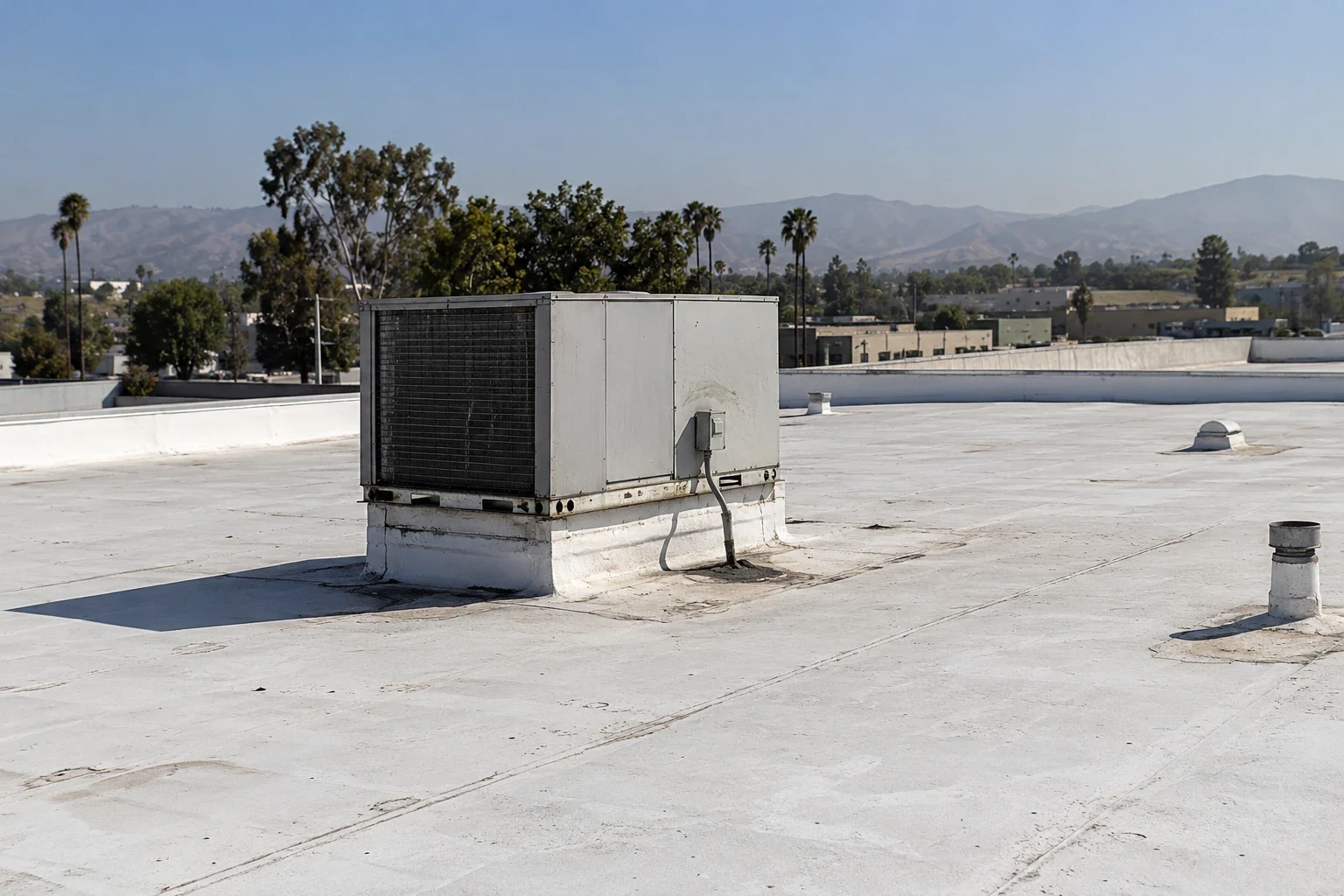
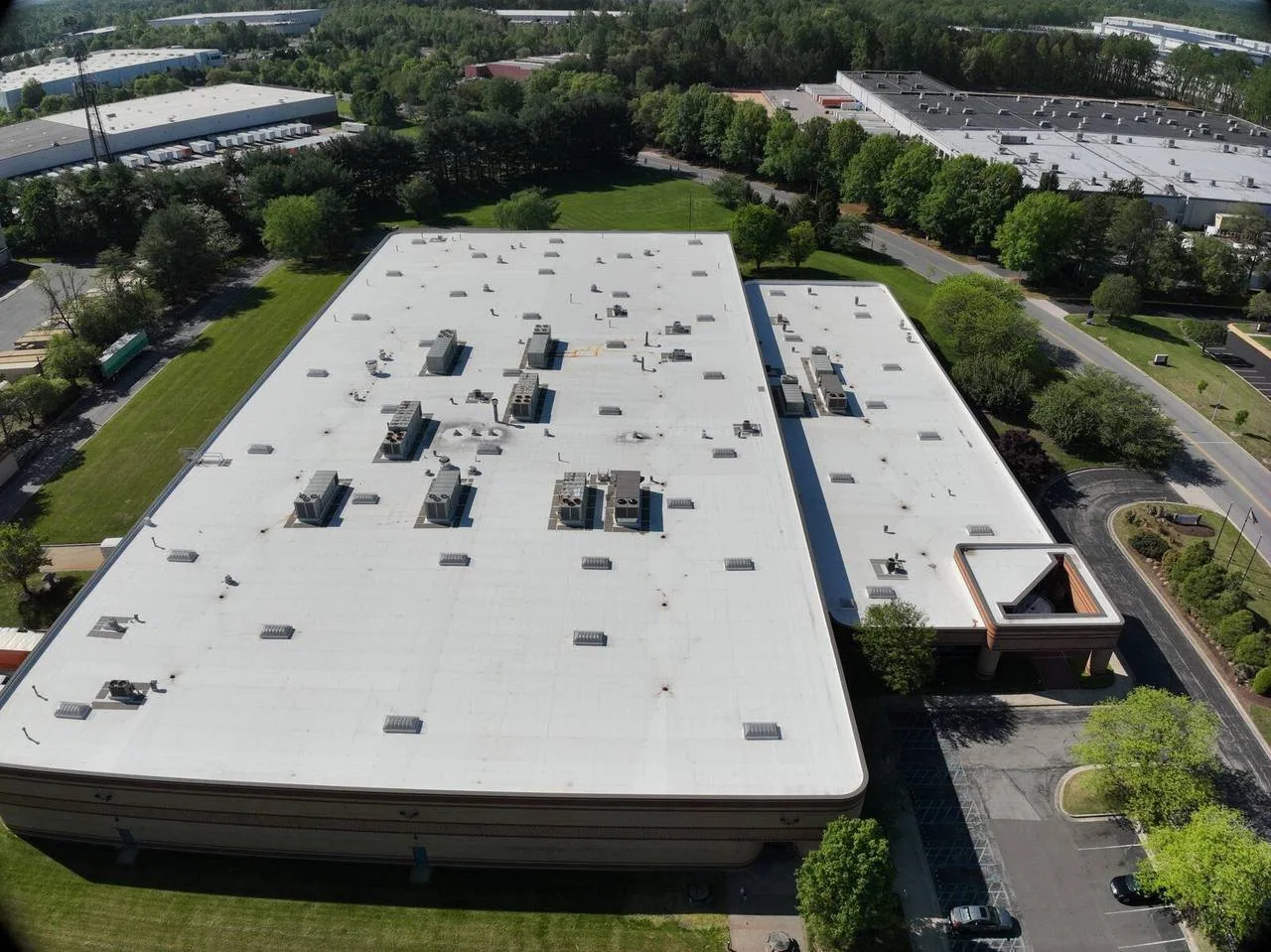
A sun-warmed roof can transfer heat into the occupied space long after the afternoon peak. We inspect the assembly, insulation, drainage, and surface before recommending a reflective finish. A cool roof may use a light-colored membrane or a compatible coating, but color alone does not decide the scope. Visalia's long hot season raises the value of checking insulation and rooftop equipment at the same time. Along Mooney Boulevard, open retail hours can limit staging; at the Visalia Industrial Park, production and deliveries can set the roof work window.
Check the Existing Roof before Choosing a Finish
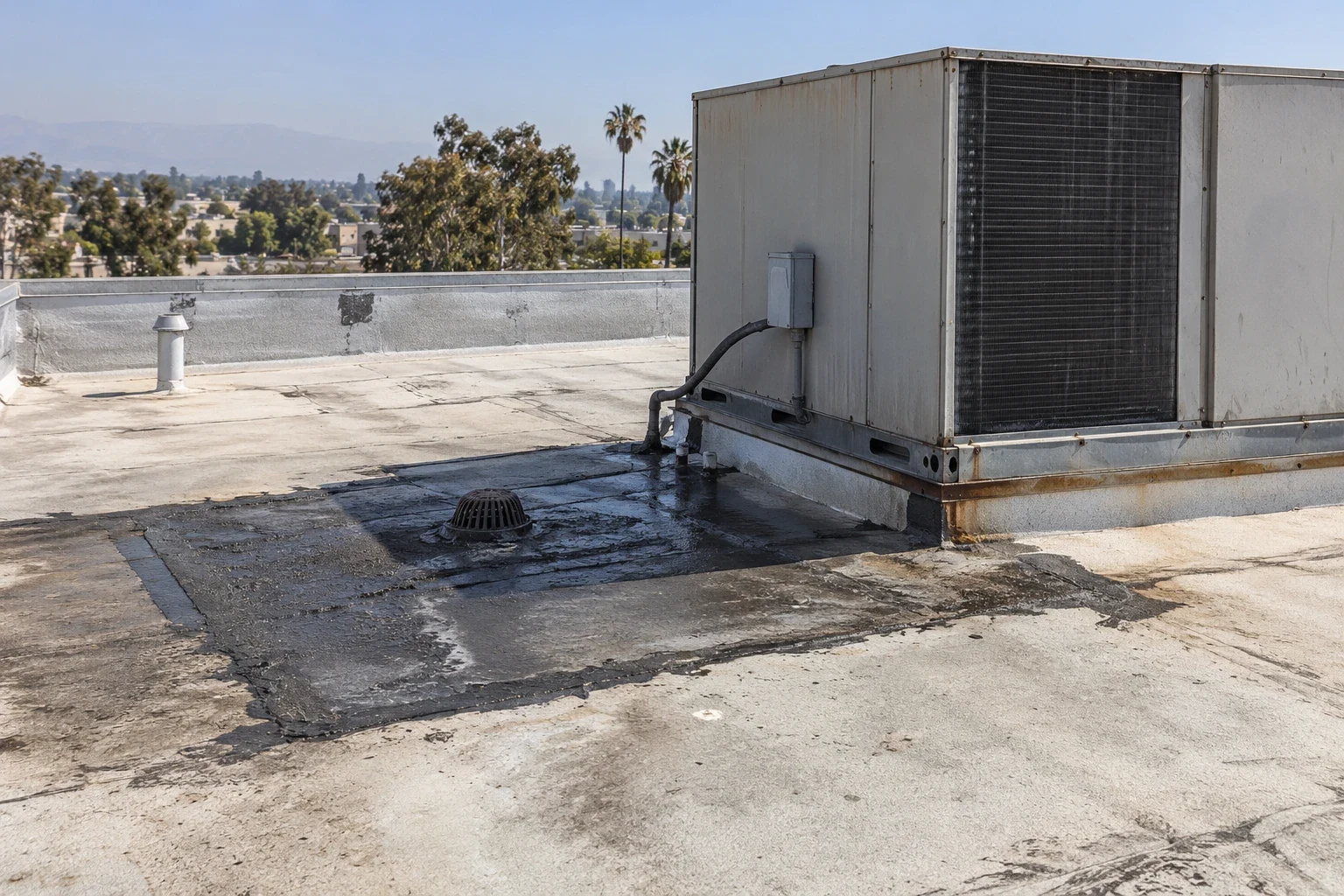
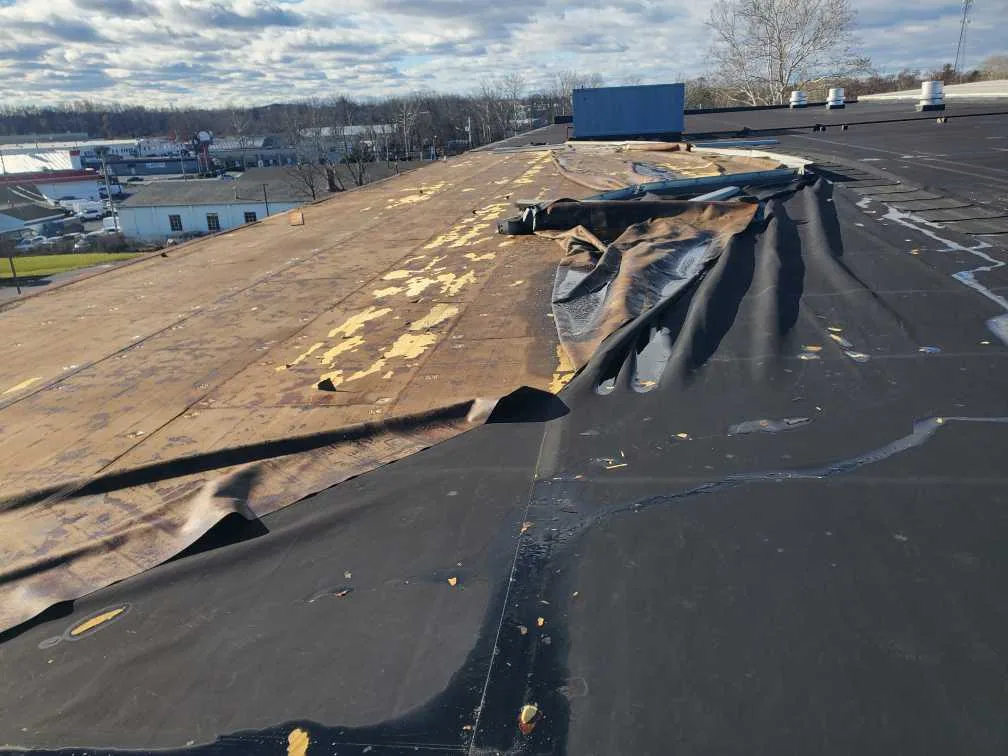
We look for open seams, loose flashing, ponding, wet insulation, exposed fasteners, and prior patches before discussing reflectance. A coating cannot correct a failed deck or cover wet material safely. If the membrane is sound, restoration may be possible after cleaning, compatible repairs, and an adhesion test. If the assembly has multiple layers or moisture, a recover or tear-off may fit better. The inspection record marks tested sections and open questions, so the estimate does not treat one roof opening as proof about the whole building.
Roof type changes preparation. TPO, PVC, EPDM, modified bitumen, built-up roofing, metal, and existing liquid-applied systems do not accept the same materials in the same way. We identify what is on the roof and confirm the proposed product requirements against the field condition. That check also includes drains, scuppers, curbs, and perimeter transitions, where a bright finish will not stop a leak by itself. A condition inspection sets the facts needed for a reflective roofing scope.
Compare a Reflective Membrane with a Coating
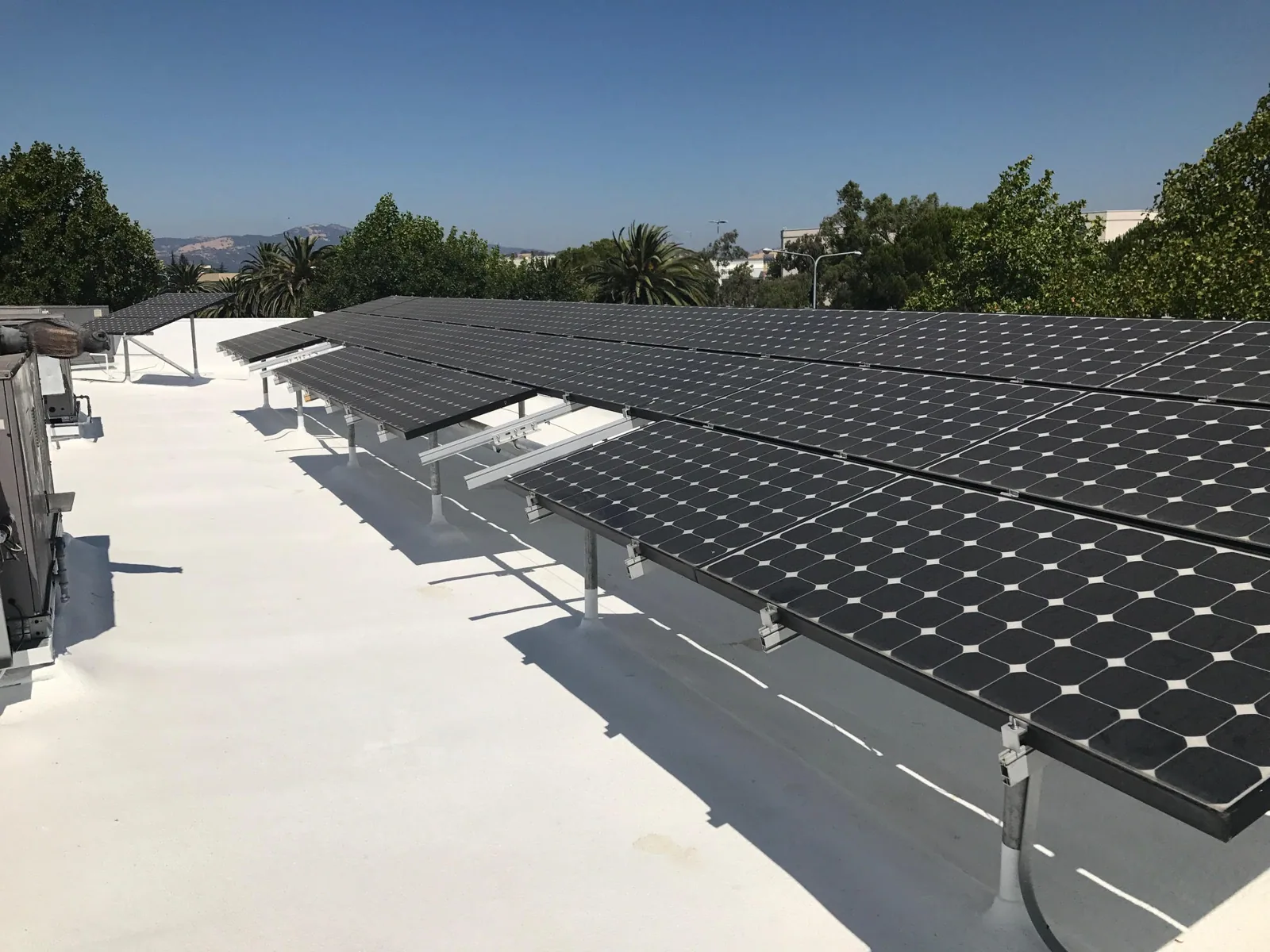
A new membrane can provide a reflective surface as part of a larger roof replacement. A thermoplastic roof system may offer a reflective option when its assembly and specified finish suit the project. A coating may restore an existing assembly when the substrate is compatible and the details can be repaired first. We compare the roof's remaining condition, existing layers, insulation, and drainage before deciding which path to price. Silicone and acrylic systems have different application requirements and water behavior. We do not select one by color or assume every roof can accept another layer. The proposal identifies the system, preparation, repair quantities, exclusions, and any testing needed before full coverage.
Heat reaches an interior through the whole roof assembly, not only the finish. Insulation continuity, air movement, rooftop equipment, and ceiling conditions also affect results. We describe what the roofing work changes and what belongs to mechanical or building-envelope trades. If the existing roof is sound but surface wear is the main issue, a coating restoration can be evaluated after the test area passes. Where wet material or repeated failures extend beyond a repair boundary, a replacement scope may make more sense.
Set Application around Visalia Heat and Rain
Visalia's climate averages record many days above 90 degrees and most monthly rainfall from late fall through early spring. That pattern affects surface temperature, safe access, preparation, and cure timing. We check the substrate and product limits before starting each roof zone. A surface ready at daybreak can warm quickly, while overnight moisture may delay application. If rain could arrive before the system cures, we move the work window or protect the open area. The schedule follows the product requirements and measured field conditions.
Mooney Boulevard is the core of a regional retail hub serving Tulare and nearby Kings County communities. That area can require customer-safe material staging and clear entrances during work. The Visalia Industrial Park has freight and utility infrastructure that may matter to an active facility's access plan. We confirm receiving hours, rooftop equipment access, and interior protection at the specific property. For a retail roof, the plan may divide work by entrance or section; a distribution building may require an agreed route that keeps service lanes open. A Mooney Boulevard roof scope still starts with the building's actual access rules.
Coordinate Permit and Roof Details
Visalia Building Safety states that the 2025 California Building Standards Code took effect for local permit applications submitted on or after January 1, 2026; earlier applications remain under the 2022 edition. A reflective roofing project needs the permit scope and applicable code review confirmed before materials are ordered. The code edition does not tell us whether an existing roof is dry, secure, or ready for an overlay. We verify the project documents, assembly, insulation plan, edge details, and any required design review with the owner and project team.
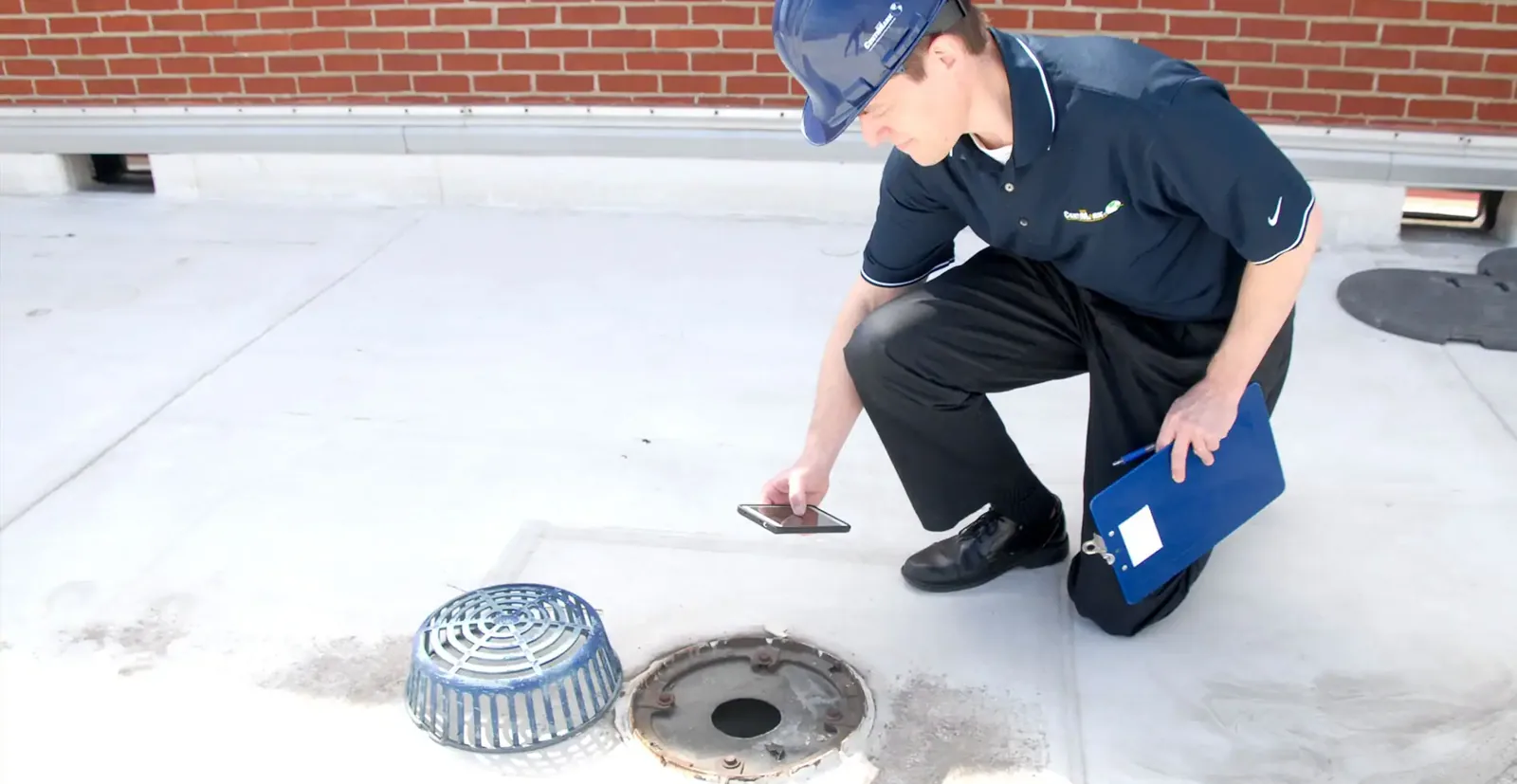
Drainage and edge conditions need the same attention as the field surface. Coating buildup must not restrict drain bowls or scuppers. A new membrane needs secure terminations at parapets, curbs, and metal edges. We check roof slope and low areas before setting a reflective system, then separate any drainage correction from the coating or membrane installation. Fasteners and attachment patterns must match the deck and project design. A reflective cover does not correct a weak edge, loose membrane, or moving curb. We inspect perimeter securement and penetrations in the same zones as the field, then record which details belong to this scope. If the roof plan changes after test openings, we mark the additional deck or insulation work for approval before covering it. A drainage review can clarify outlet and low-area conditions.
Measure the Roof Decision by More than Surface Color
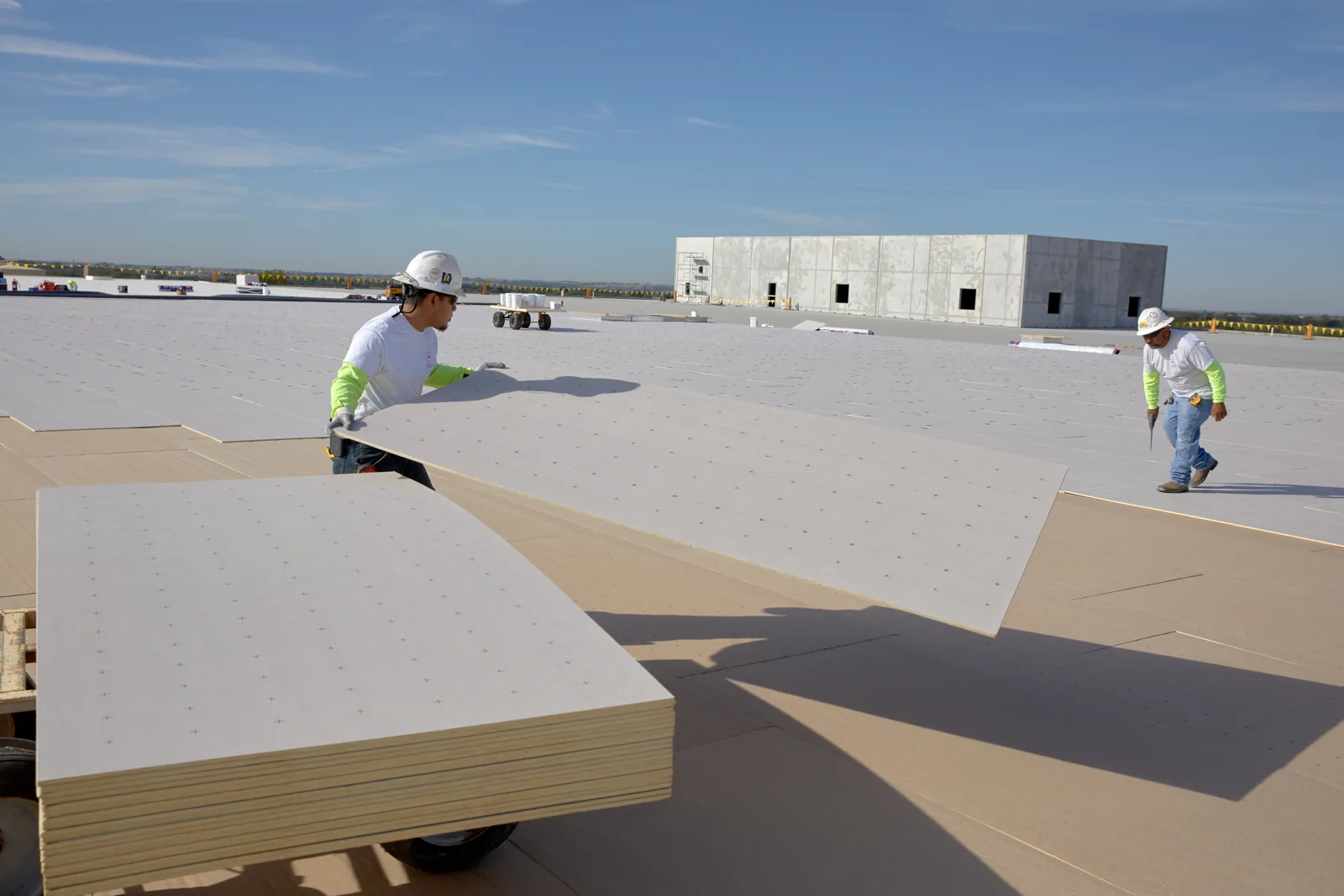
Cost and timing depend on surface preparation, wet insulation removal, detail repair, access, staging, and how much of the roof can remain in service. We show the owner what was tested, what needs removal, and where quantities may change after an approved opening. If the existing assembly is stable, a coating or recover can reduce tear-out, but that choice must fit the roof and project requirements. If conditions are broader, a replacement plan can address insulation, deck, and drainage together. The proposal keeps those scopes separate for a fair comparison.
After installation, the roof record lists the product system, preparation steps, finished zones, and any area excluded from the scope. The manager can schedule a dry-season check before the next rainy period and compare seams, drains, and flashing from consistent viewpoints. For equipment-related heat concerns, we note rooftop units and supports that may need mechanical review. At the Visalia Industrial Park, a roof project can intersect with manufacturing or distribution schedules, while Downtown properties may have a different occupant mix. We plan around the documented operation rather than assume one sequence fits every site.
Commercial Roofing Questions
Does a reflective roof cool the entire building?
A reflective surface changes solar absorption at the roof, but interior conditions also depend on insulation, air movement, equipment, and the rest of the enclosure. We identify the roofing work's scope and avoid promising an indoor temperature result.
Can an existing membrane receive a reflective coating?
Only after the substrate and details are checked. We identify the membrane, test compatibility, repair failed areas, and confirm that moisture or deck problems will not be concealed beneath the coating.
When can roof coating be applied in Visalia?
We match the work to surface temperature, substrate dryness, forecast, and the selected product's application limits. A hot afternoon or wet morning can change which zone is ready and when it should be closed.
Will a lighter roof fix ponding water?
No. A reflective finish does not change roof slope. We inspect drains and low areas, then price a drainage correction separately if water remains after outlets are clear.
What should the project estimate compare?
It should separate coating, recover, and tear-off scopes, with preparation, wet material removal, detail work, staging, and exclusions shown for each. Those items let the owner compare the roof choices on the same tested conditions.