Commercial Roofing in Farmersville, CA
Service Areas | Visalia and Tulare County
Farmersville
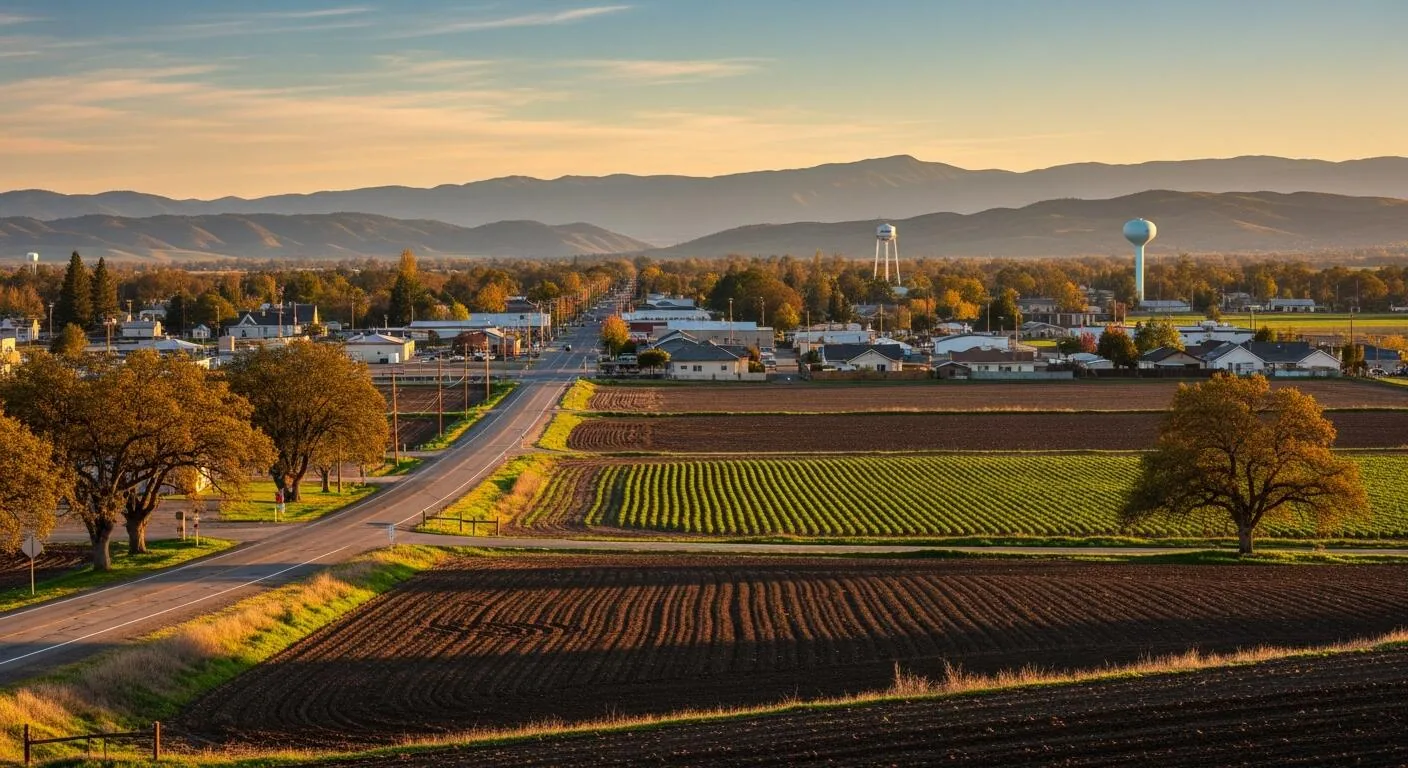
A leak repair can stall when the crew, materials, or lift cannot reach the roof without disrupting the property. Farmersville sits on State Route 198 with access west toward State Route 99; freeway-commercial land and a business opportunity zone are available. That context helps us plan service access; the property’s current operation and roof assembly are confirmed at the site. We start by checking the building, access route, roof assembly, and leak area, then build the repair plan around what can safely happen at that site.
Confirm How Materials Reach the Roof
Before we schedule a repair, we check the actual approach to the property, staging space, delivery path, roof hatch, and lift access. A highway connection does not tell us whether a particular loading area is open or whether a truck can turn safely. The property contact helps confirm gate hours, circulation, and any work zone that must stay clear. We then plan where membrane rolls, insulation, and tools can be placed without blocking employees or customers.
The City has invested in roadway and infrastructure work to support growth. Before staging, we still check the actual private driveway, loading path, and storm-drain connection at the property. When the repair requires a larger delivery or temporary closure, the schedule names the entrance and time window affected. An inspection visit can include a ground-level access review before the crew commits to a staging layout.
Trace the Leak Across the Roof
Water may travel along a deck, insulation joint, or membrane lap before appearing indoors. We begin at the affected ceiling or equipment area and inspect the closest roof penetrations, wall transitions, seams, and drains. If a patch is present, we check its edge and the material below it. The repair scope follows the tested evidence. We avoid removing broad areas when a single failed detail explains the entry, but we expand the boundary when moisture or seam movement continues beyond that point.
Farmersville’s highway access supports regional movement, but the roadway context does not establish how the building drains or what work it needs. We map each outlet and follow water to the discharge point. If the outlet is clear but ponding continues, we look for low areas and insulation changes before choosing a repair. The drain and scupper inspection records the bowl, flange, membrane tie-in, and connection to the discharge path.
Choose a Work Window That Holds
A roof opening should match the building’s workday and the available dry-in time. We ask when the space below can be protected, whether deliveries or customer traffic peak at certain hours, and who can approve a temporary access change. For a small repair, we may isolate one section and close it before moving. If several areas need work, the plan can assign a sequence by roof zone so the manager knows what will be active each day.
Farmersville’s business incentives and opportunity-zone context do not automatically create a roofing schedule or public funding for a project. We keep the scope clear about work the property owner controls: access, tenant notice, equipment shutdowns, and staging. A phased occupied-building work plan identifies protection below, daily close-in, and the handoff with other trades. If delivery movement is constrained, we settle the schedule before material arrives.
Prepare Details Before the Rain Season
Long-term precipitation normals for Visalia place most monthly rain between late fall and early spring. This nearby seasonal pattern makes a pre-rain roof walk useful; the building inspection determines whether a particular seam or outlet needs repair. We use the approaching wet season to prioritize inspection of drains, seam ends, wall flashing, and exposed sealants before the next rain reveals a weak point.
After the dry stretch, we look for cracked sealant, open laps, and patched corners that have separated from the surrounding membrane. One defect may need a local repair; multiple failures may indicate the existing materials or attachment require a broader review. We identify what is visible and what needs moisture testing. The commercial repair scope names the tested area and any temporary protection, while a follow-up maintenance walk can check that the repair edge stayed secure after weather returned.
Price Only What the Evidence Supports
A sound repair estimate names the detail being restored, the materials required, and any adjacent work needed to close the water path. If insulation is wet, we map its extent and separate it from dry material. If the membrane is otherwise stable, a contained repair may be appropriate. When deterioration crosses several sections, we compare repair, recover, and replacement with the same roof-area labels so the owner can understand the difference in scope.
We also check whether earlier layers, deck condition, and roof height permit an overlay. A recover is not simply a coating over an existing leak; moisture and attachment conditions must be acceptable first. Replacement may better address a broad failure but requires material access, tear-off, and a weather-tight sequence. The replacement plan sets those limits. For the highway-commercial area specifically, the Farmersville Highway 198 area offers broad location context, while a property visit determines the actual roof condition.
Give the Next Crew a Useful Record
When roof work involves loading routes or a defined delivery window, record those constraints with the repair. We capture before-and-after images, mark the repaired section, list the material used, and note what remains outside the test. That record helps the next manager identify a repeat failure without assuming the same spot is responsible. If equipment work follows, the file shows which flashing belongs to the roofing scope and which transition still needs coordination.
Farmersville’s westbound connection to Highway 99 is a citywide mobility fact. For a broader nearby context, compare the Tulare service area or Visalia Industrial Park; those are separate places, not a claim about work completed at any site. To scope service in Farmersville, share the property location, roof records, leak area, operating hours, and safe access instructions. We will verify the approach and return a written, building-specific recommendation. If the leak appeared after a recent rain, capture the date and whether water continued after the weather passed. If a piece of equipment was serviced, share the work order and approximate roof location. Neither detail proves an entry point, but each gives us a useful comparison when we inspect the membrane, curb, and drainage route. We can identify the first test from that record and bring the access equipment that fits the site. If the operating schedule changes daily, a manager contact can help us choose a window that keeps deliveries and staff movement clear.
Commercial Roofing Questions
Does Highway 198 access mean your crew can stage at any property?
No. We check the actual entrance, turning space, loading routes, gate hours, and lift access with the property contact. Citywide road context cannot replace a site-level access check.
Can you repair a leak while deliveries continue?
Often the work can be scheduled around deliveries, but we first verify staging and safe separation from active routes. The plan records any short window when a lane or roof zone must be clear.
What if a ceiling stain is away from the roof opening?
We trace the water path across seams, curbs, walls, and drains above the affected room. The leak point is set after inspection or testing, not from the ceiling mark alone.
When is a broader replacement evaluation needed?
We compare wider work when moisture or recurring failure reaches several roof sections, or when the existing system cannot support a contained repair. The report shows the evidence and limits.
What information helps schedule the first visit?
Share the location, affected room, recent leak timing, roof access rules, delivery schedule, and any prior repairs. That helps us set an efficient inspection route and safe work window.