Spray Polyurethane Foam Roofing in Visalia, CA
Roof Systems | Visalia and Tulare County
Spray Polyurethane Foam Roofing
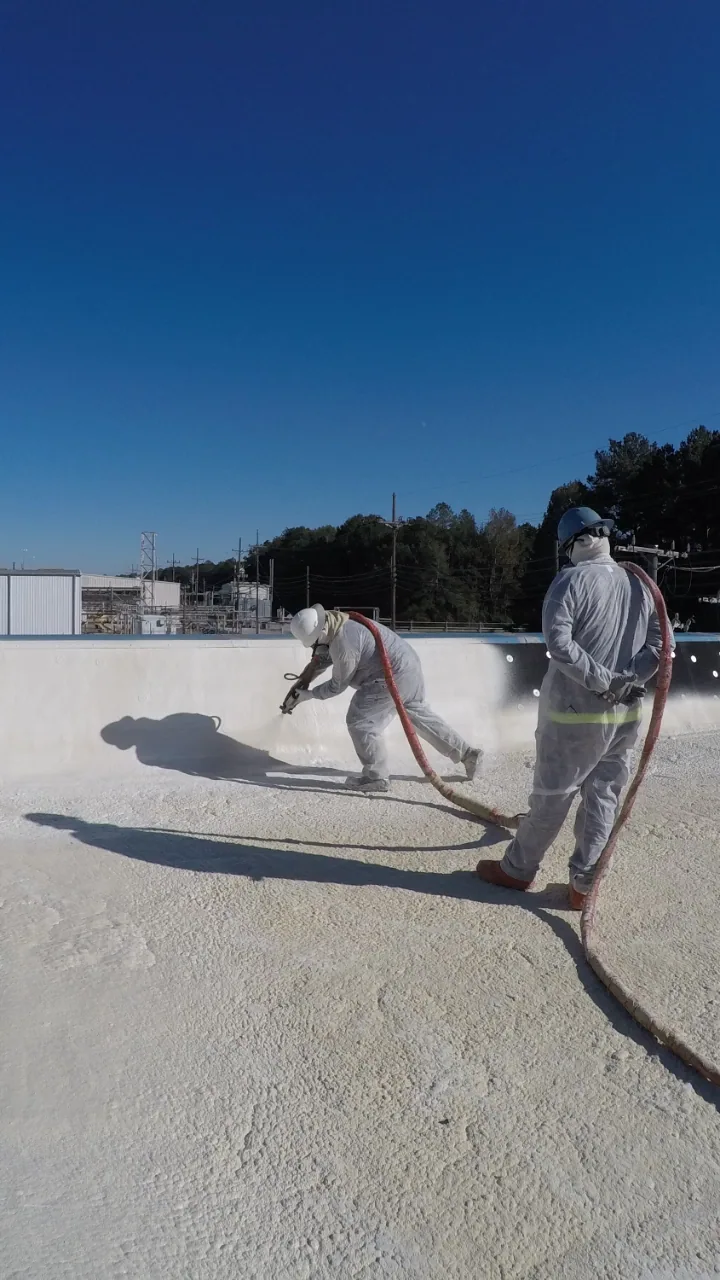
A roof coating that has thinned around a drain can expose the foam below long before the full roof looks worn. Spray polyurethane foam, or SPF, is installed as a continuous insulation layer and protected by a coating that sheds water and shields the foam from sunlight. We inspect the foam, coating, seams, penetrations, and drainage to determine whether renewal is localized or broader. Visalia's hot season and winter rain make coating condition and water exit points useful items to document. A warehouse in Visalia Industrial Park and a building near Downtown Visalia may both use SPF, but their roof details and maintenance access remain site-specific.
Inspect Foam Thickness, Adhesion, and Surface Shape
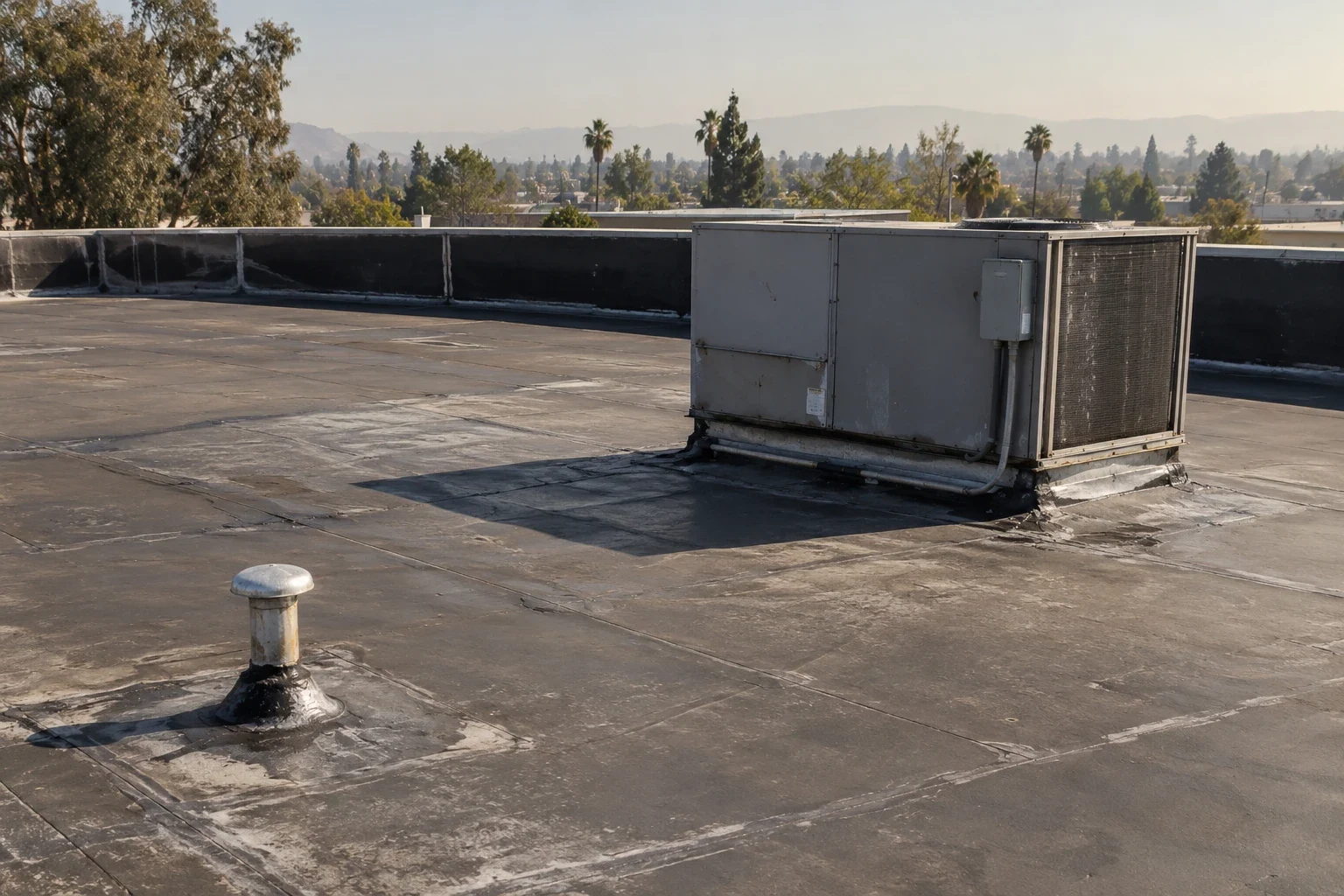
SPF forms a continuous layer when it is installed over a prepared substrate under suitable conditions. We look for exposed foam, erosion, impact damage, blisters, cracks, loose areas, and places where the foam has separated from the deck. Changes in thickness can alter drainage and create low spots, so we compare suspect areas with the roof plan and visible slope. If the surface geometry is not clear, a measured survey or approved test can define the condition. A visual inspection does not establish the full foam thickness across inaccessible areas.
At penetrations and curbs, we check how the foam rises, terminates, and ties into metal or masonry. Water can enter at a transition even where the field foam remains sound. We note whether the substrate is dry and stable enough for a repair. A condition inspection can map exposed or soft areas; a silicone coating renewal may be considered only after the foam and existing coating are reviewed for compatibility. The scope identifies test locations and distinguishes confirmed damage from suspected subsurface moisture.
Check the Protective Coating System
The coating protects SPF from ultraviolet exposure and weather. We inspect thickness where records or approved measurement allow, adhesion at test areas, cracking, chalking, erosion, ponding, and repair patches. A coating may be silicone, acrylic, or another approved product; color alone does not identify the chemistry or application history. We request maintenance logs, product data, and prior recoat dates, then note what is verified and what remains unknown. Where the coating is too thin or detached, adding a new layer without preparation can leave the failure in place.
Preparation can include cleaning, removal of loose coating, spot repair, reinforcement fabric, and a primer specified for the existing surface. A sample area may confirm adhesion before a larger renewal proceeds. The acrylic coating option and silicone systems have different water tolerance and recoat requirements; the selected product must match the substrate and drainage conditions. We record the manufacturer instructions that govern the planned work and do not state a service life unsupported by the product and maintenance record.
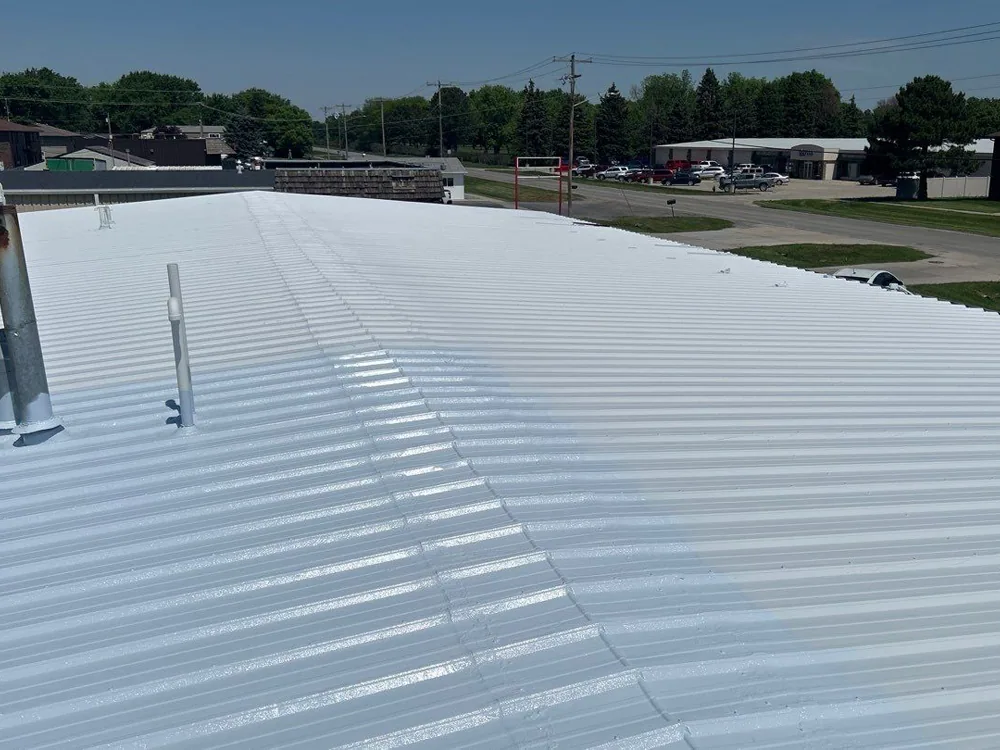
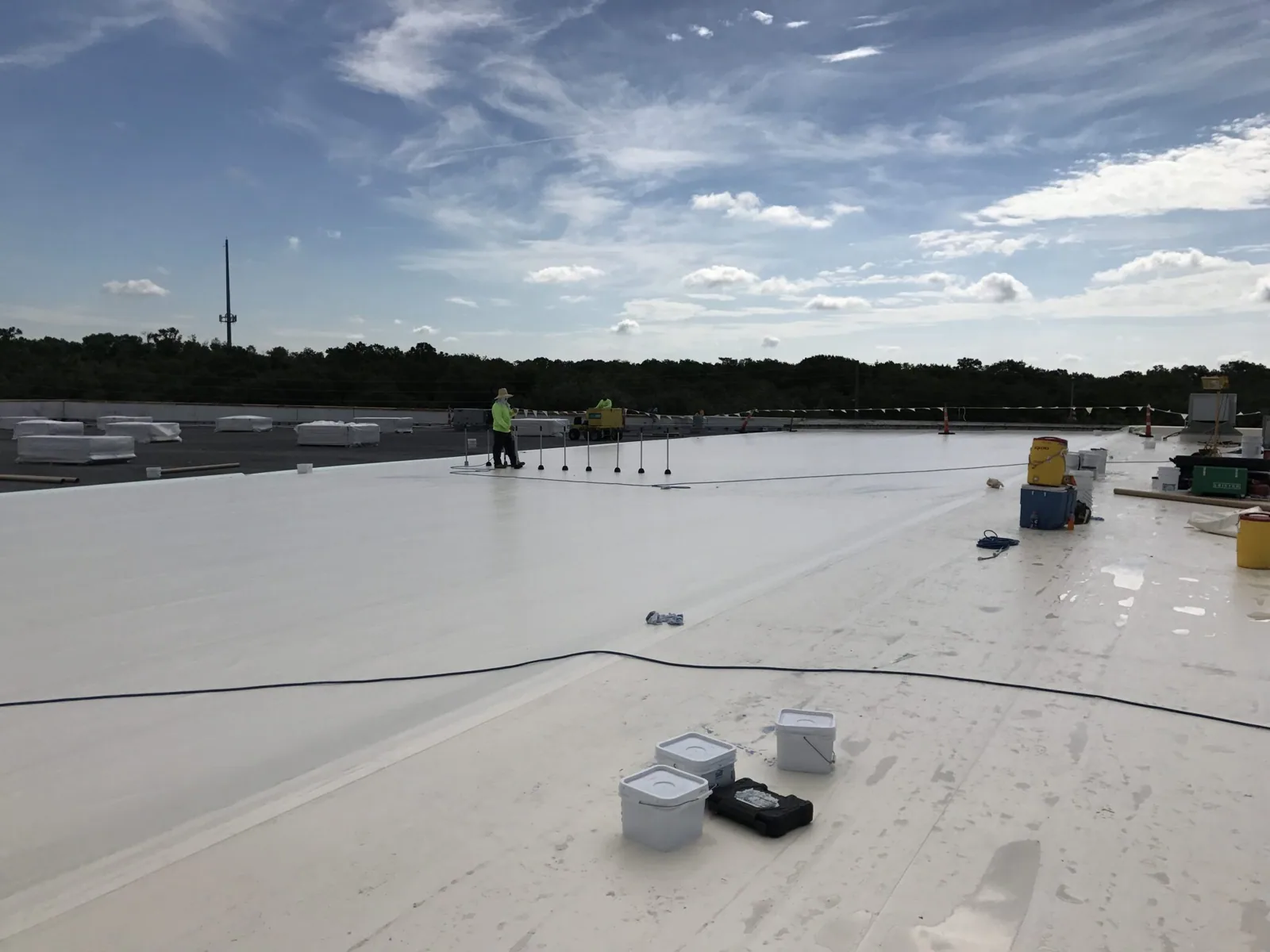
Trace Water at Drains and Roof Transitions
SPF can be shaped to improve drainage, yet a low area or blocked outlet can still hold water. We check drains, scuppers, overflow paths, gutters, equipment curbs, parapets, and roof edges. At each drain, we inspect whether the coating and foam connect properly to the bowl and whether debris restricts the opening. If ponding appears, we mark its size and depth where practical and compare it with the design slope. A coating alone cannot correct a drain set too high or a deck that has deflected.
At walls and penetrations, we check the termination detail, counterflashing, sealant, and movement. Foam can be cut or disturbed during equipment replacement, so prior rooftop work should be mapped. The drain and scupper scope can address outlet conditions, while edge-metal repairs can address perimeter transitions. The repair proposal shows the location, preparation, reinforcement, and coating extent for each detail rather than count all roof conditions as a generic coating allowance.
Repair Local Damage before Recoating
A small puncture may be repaired when nearby foam is dry, adhered, and sound. The crew removes loose material, restores the foam shape if needed, and installs a compatible coating detail with reinforcement at the repair boundary. Larger soft areas or wet substrate may need removal and replacement instead. We mark the limits and explain what inspection method supports them. An isolated core or test patch describes that location; it does not prove every roof section has the same condition.
Maintenance matters because SPF performance depends on protecting the foam. The owner should keep drains clear, restrict unplanned foot traffic, and repair cuts made by other trades. A commercial roof repair can address a defined damaged area, while a broader replacement evaluation may be warranted for widespread adhesion or substrate problems. We separate removal, foam restoration, coating, and detail work in the scope so changes from concealed conditions can be approved clearly.
Schedule SPF Work around Visalia Conditions
Visalia's 1991-2020 climate averages show many warm days and precipitation concentrated in cooler months. SPF application and protective coating both depend on product temperature limits, substrate conditions, dew point, and weather. The crew checks current conditions and product instructions rather than using a calendar date as the only control. If wind, moisture, or temperature falls outside the approved range, the work area is protected and the application waits. The daily record identifies surface preparation, material lots, conditions, and the area completed.
Site logistics also affect sequencing. Downtown Visalia's mixed-use district can involve pedestrian activity and limited staging, while Visalia Industrial Park includes warehousing, manufacturing, and food processing operations. We confirm access, loading, odor sensitivities, equipment shutdowns, and any production restrictions with the facility manager. A roof section stays open only as long as the approved system and weather window allow. We coordinate deliveries and keep drains, fire lanes, and tenant routes clear where the site plan requires them.
Compare Maintenance, Recoat, and Replacement
A maintenance repair can extend a sound SPF assembly when damage is localized and the coating can be renewed. A recoat requires adequate adhesion, compatible materials, proper preparation, and sufficient thickness. If foam is wet, detached, or broadly deteriorated, selective removal or full replacement may be more suitable. We present the evidence by roof area: coating readings, test patches, drain conditions, repair history, and areas not inspected. The owner can compare options without confusing a low-cost spot repair with a full-system renewal.
The closeout record should identify the foam repairs, coating product, thickness requirements, reinforcement details, and maintenance interval from the manufacturer. Future rooftop work must protect the coating and restore any disturbed areas. For a Downtown Visalia roof review or a facility near the Visalia Industrial Park, the recommendation follows the surveyed condition, not the district alone. Share prior coating records, leak logs, access rules, and equipment plans so the inspection can focus on decisions that could change the scope.
Commercial Roofing Questions
How can I tell if SPF needs a new coating?
Look for exposed foam, thinning, cracking, loose areas, ponding, or failed details, then have the coating and adhesion evaluated. The existing product and records determine compatible renewal options.
Can spray foam roofing be repaired in one area?
Yes, when damage is limited and surrounding foam is dry and adhered. The repair needs compatible foam, coating, and reinforcement details that return water shedding at the boundary.
Does SPF fix ponding water?
Foam can be shaped to improve slope during approved work, but a coating does not correct every low deck or drain problem. We measure the area and review the drainage design first.
Which coating is better for SPF, silicone or acrylic?
The right product depends on the existing coating, substrate, ponding exposure, preparation, and manufacturer requirements. We verify compatibility and use project conditions to compare options.
How is foam roofing checked before recoating?
We inspect surface condition, test adhesion where appropriate, review coating thickness and prior products, and mark soft or wet areas. The record identifies locations not tested.