
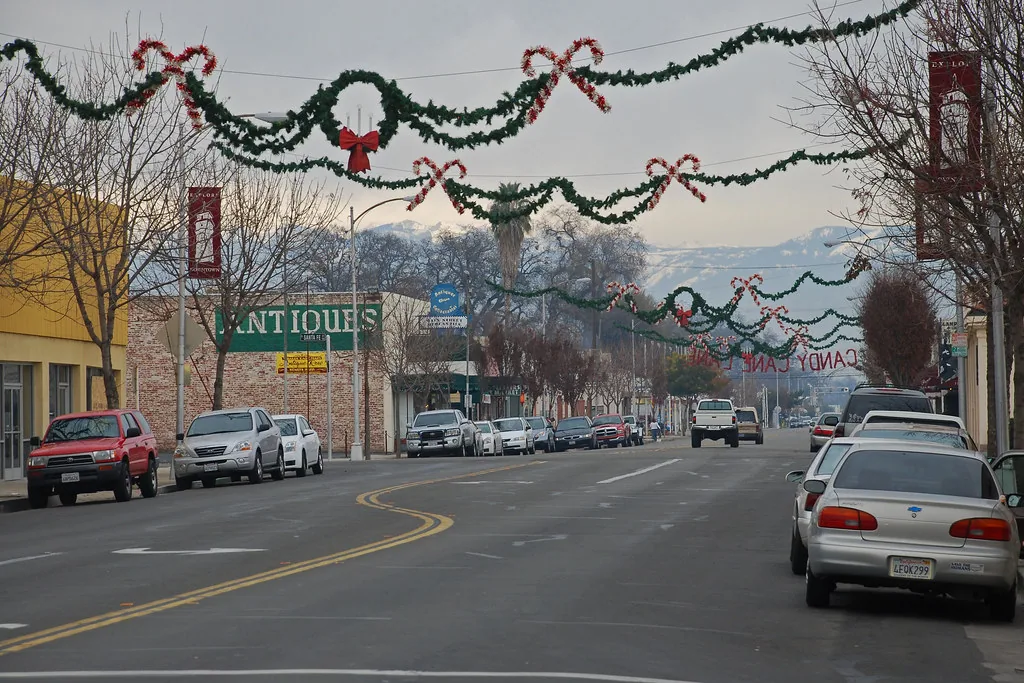
Commercial Roofing along Goshen Avenue in Visalia, CA
Service Areas | Visalia and Tulare County
Goshen Avenue
A ceiling tile with a fresh brown edge does not tell you where the roof opened. On a low-slope building along Goshen Avenue, start above the stain: check the nearest curb, lap, drain, and wall transition, then trace the water path before setting a repair boundary. We serve commercial properties across Visalia and use the street address, roof plan, and access notes to confirm the actual work area.
Goshen Avenue is one of the City-identified commercial corridors. We check membrane type, attachment, seams, penetrations, drainage, and edge details, then record what the inspection could and could not confirm. If the immediate problem is active, our commercial roof leak response begins with interior protection and a controlled trace.
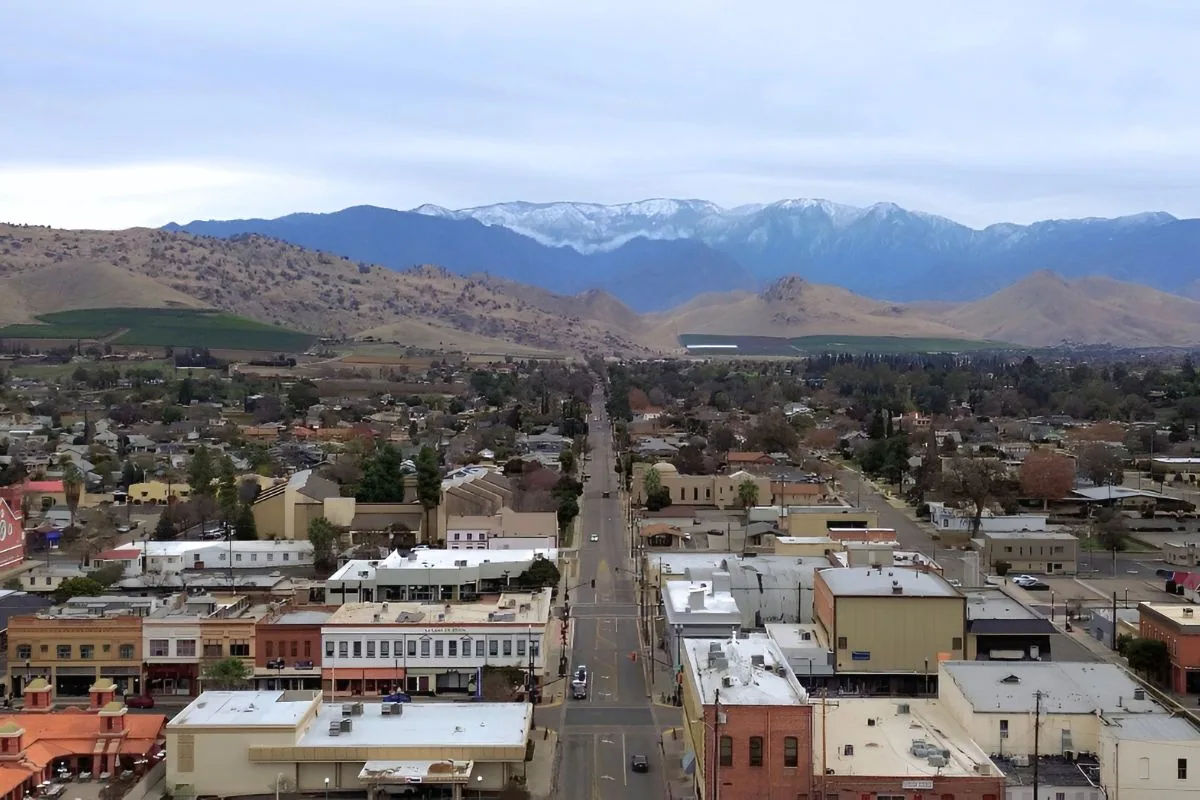
Identify the Roof Before Choosing Materials
Do not assume two nearby buildings have the same roof. A tenant improvement or prior overlay can leave different assemblies. We review available plans, warranty documents, service records, and prior repair photos before walking the roof. At the hatch, we confirm safe access and compare visible membrane, metal, insulation edges, and drain details with the records.
On a membrane roof, we look at seam condition, repair patches, flashing height, and transitions from the field sheet to curbs and walls. A metal roof needs checks at fasteners, laps, penetrations, and movement details. If the assembly remains uncertain, we state what evidence is missing and whether a small approved test would answer it. The commercial roof inspection record lists the areas viewed, any blocked access, and the next step needed to confirm concealed conditions.
Trace Water to Its Entry Point
Water travels along deck flutes, insulation joints, conduit, and framing before it appears indoors. A stain near a storefront or office ceiling may sit several feet from the roof opening. We inspect curbs, wall intersections, openings, seams, and drains above the reported room. We photograph the suspected path before choosing a repair.
Drainage also deserves a full-path check. We inspect the drain bowl, strainer, sump, overflow, and the field slope leading toward them. At an edge outlet, we look for a clear throat and intact flashing where the membrane meets the metal. A clean strainer does not prove a buried line is open. If water remains after debris is removed, the drain and scupper review can separate a blockage from a low deck area or a failed connection. The written scope should identify which condition was observed, which test was performed, and what remains unverified.
Check Details after Long Sun Exposure
Visalia's hot, dry season can stress exposed sealants and membrane transitions, while cooler months bring most of the local rain. That pattern is a reason to inspect, not proof of a leak cause. We look for a brittle bead at a curb, a lifted edge at a patch, an open lap, or a coating that has lost continuity. Each observation gets a location and photograph, with the surrounding material checked for a wider failure.
Repairs also have application limits. Surface temperature, moisture, product compatibility, and cure time affect whether primer, adhesive, or liquid flashing can be used as planned. We prepare only the area included in the work sequence and close it before conditions change. A coating may fit a sound, dry assembly with suitable adhesion, but it cannot correct wet insulation or loose attachment underneath. If the owner is weighing that option, we explain where a silicone coating assembly fits, what preparation it needs, and when another repair path makes more sense.
Keep the Repair Boundary Evidence-Based
A durable repair needs material that can accept the tie-in. We remove loose or failed material only within the approved area, prepare the exposed surface, and connect the patch to sound membrane or flashing. The scope states the repair limit and when work must pause for approval. That avoids turning a small leak call into an open-ended tear-out when concealed layers differ from the surface.
If multiple seams, curbs, or insulation sections are affected, we compare the localized repair with a wider section. The decision depends on the roof type, moisture extent, attachment, deck condition, access, and the remaining service life the owner expects. Our commercial repair scope separates immediate dry-in from permanent work and lists optional items separately. Where drainage is the cause, fixing the outlet alone will not correct a settled low area. We identify whether slope correction, insulation replacement, or deck work belongs in the same project before the owner approves a price.
Plan Work around Doors and Deliveries
Commercial properties operate through doors, loading areas, customer routes, and scheduled deliveries. Before arrival, we confirm access, staging, noise limits, and the ground area below. The property contact should confirm the ground route.
For occupied buildings, define when materials may be moved, which bays remain open, and when the roof must be closed for the day. A small seam repair may need a short work window; a larger section can require phased access and interior protection. We mark the daily work zone and contact method in the plan. For multi-tenant properties, the occupied-building sequence should account for customers, staff, deliveries, and any restricted rooms without assuming every tenant follows the same hours.
Treat the Corridor as a Map, Not a Roof Diagnosis
Goshen Avenue provides a useful location reference for coordinating a visit, but the corridor name does not identify a parcel boundary or roofing condition. Commercial properties along Goshen Avenue sit within a city that also has office, retail, service-commercial, business-park, and industrial uses. The mix helps explain why buildings differ across Visalia. It does not tell us what is under a particular membrane or whether its owner can approve work.
We confirm the street address, property contact, gate or dock instructions, and the exact building before the visit. If a property sits near another commercial area, such as the defined Goshen and Murray corridor, we keep the work record tied to its own address and roof plan. Do not reuse a neighbor's leak map or assume the same contractor access. The Goshen and Murray corridor page describes that separate bounded area. Owners can also compare access planning with the Court and Locust commercial corridor. Here, each roof visit starts with parcel-specific conditions and ends with a record the manager can file against that building.
Leave a Useful Roof Record
At closeout, the manager should be able to tell what was inspected, what was repaired, and what remains open. We provide dated photos of the original condition, preparation, installed tie-in, and completed work where the scope allows. The notes identify the roof area and detail, materials used, weather or access limits, and any follow-up inspection. If a test opening was approved, the record states how it was closed and what the sample showed. That makes the next service call easier to compare with the last one.
Keep roof plans, leak reports, warranty terms, tenant schedules, equipment records, and past invoices together. Mark known access restrictions and any areas that were not safe to enter. If a later replacement is being considered, these notes can help the owner distinguish recurring failures from isolated events. We will review the history, inspect the active condition, and return a written recommendation that separates immediate work from longer-term options. The goal is a clear next decision.
Commercial Roofing Questions
Does the Goshen Avenue corridor name define my property boundary?
No. It is a broad commercial location reference, not a parcel line or roof classification. We verify the address and property limits before scheduling or writing a scope.
Can you identify my roof from the street address?
The address helps us locate the building. We still inspect the assembly, seams, flashing, drainage, and access conditions before recommending work.
Should a ceiling stain be patched from below?
Protect the room if needed, then trace above the stain. A visible mark may be offset from the roof opening, so the entry point needs to be confirmed.
What if the roof has more than one membrane layer?
We review records and visible edges first. If layers remain uncertain, we explain whether an approved test can answer the question before including that work.
Can work continue while the business is open?
Often, with an agreed access path, work zone, delivery schedule, interior protection, and close-in time. We confirm those details with the property contact.