Retail and Restaurant Chain Roofing in Visalia, CA
Industries We Serve | Visalia and Tulare County
Retail and Restaurant Chain Roofing
A wet spot over a dining room can affect customers before anyone reaches the roof. We trace the report to a roof section, check the details above it, and plan protection below before opening material. A chain may share service standards across stores, but each location has its own roof, hours, kitchen exhaust, drains, and delivery path. Visalia's Mooney Boulevard Regional Retail Corridor serves as the city's regional retail hub, while Downtown Visalia includes a mix of retail, entertainment, government, offices, and healthcare. Those places provide local context, not proof about a particular storefront. The first visit records the tested area and the work window that fits the location.
Keep the Entrance and Customer Area Clear
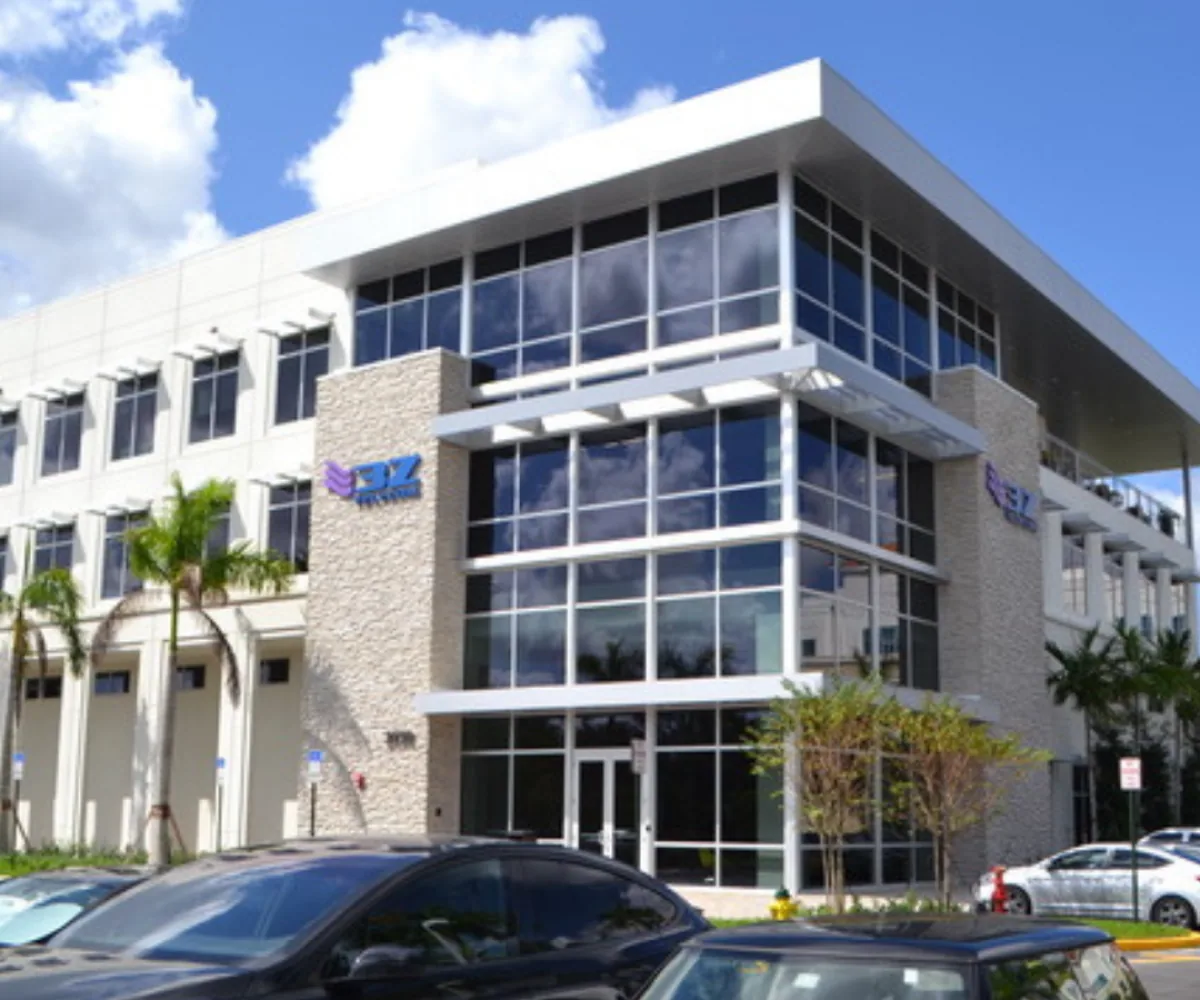
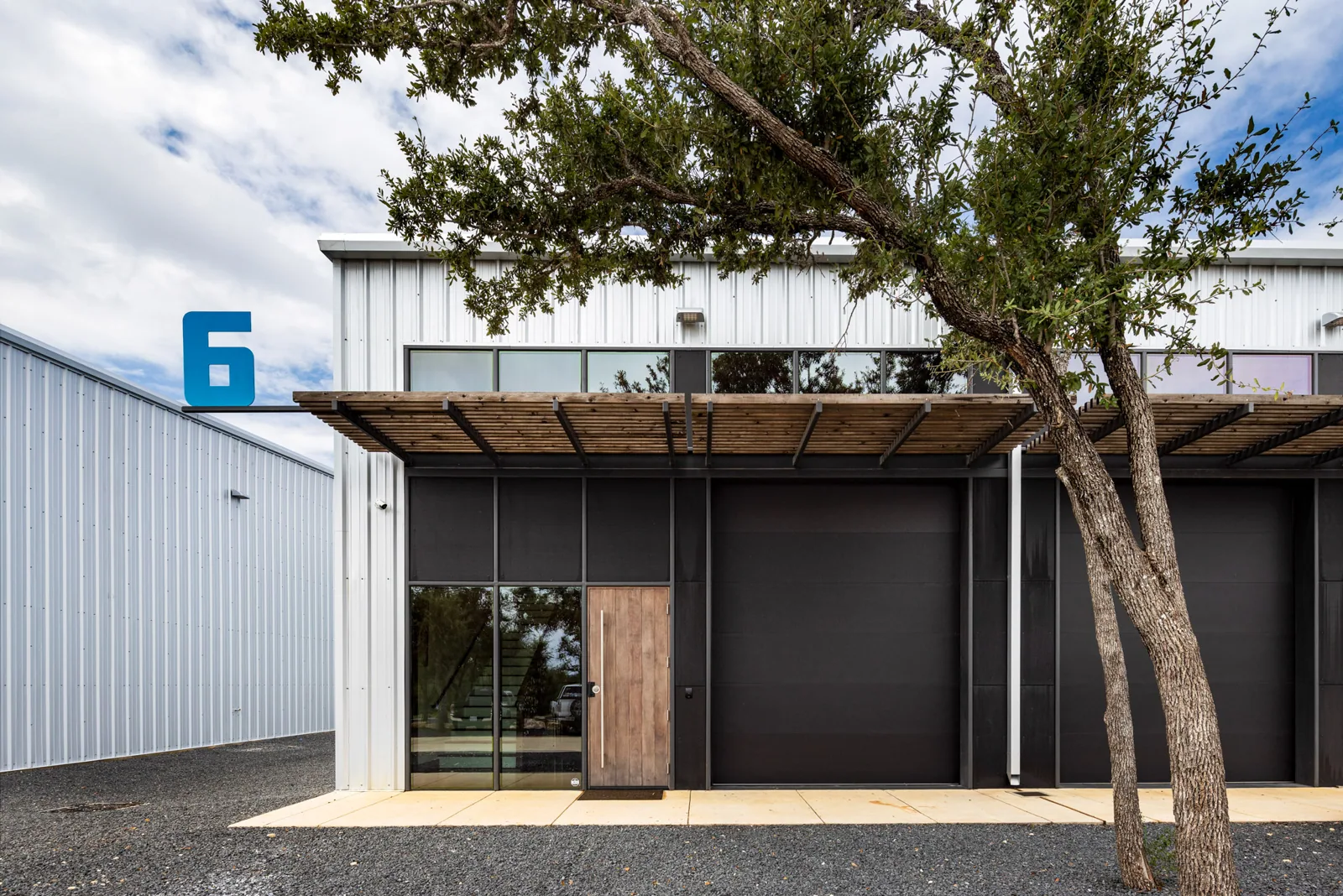
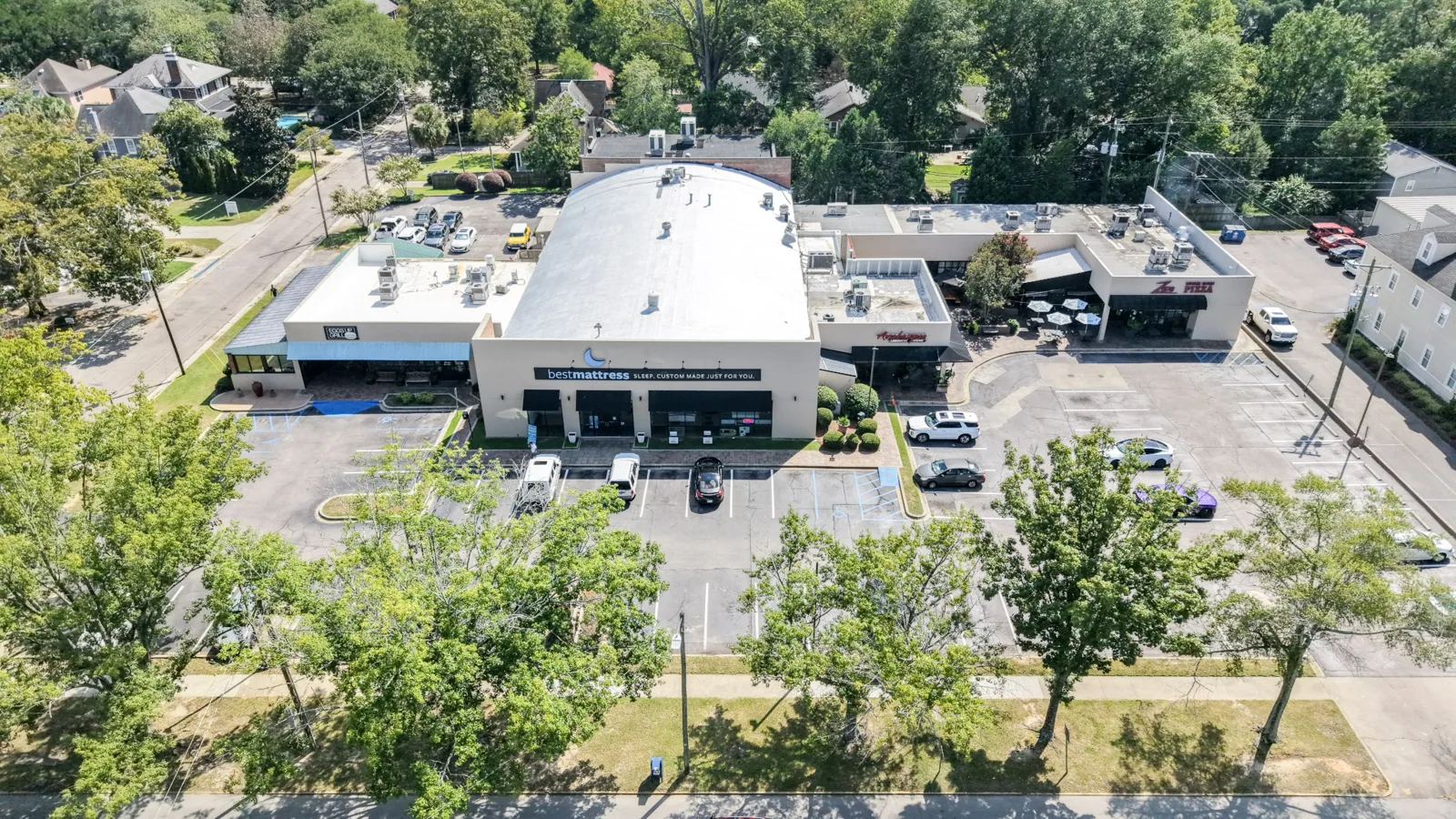
We confirm which doors stay open, where customers queue, and when deliveries arrive before staging a lift or material. A repair over a dining area may need an interior catch zone and a quiet work period. A retail suite may have inventory racks, security sensors, or signage that cannot be moved without store staff. We mark the roof zone and the protected area below it, then agree on the entry route and cleanup. The occupied-store work sequence identifies each shift's active area and close-in check.
Mooney Boulevard is a regional commercial corridor, but the property manager still determines each parcel's access and traffic rules. Downtown Visalia has a different mix of businesses and public uses. We ask for the location-specific delivery window, customer peak periods, loading access, trash enclosure route, and any landlord requirements. A short repair can be phased around lunch service or store opening when the roof and weather allow. If an opening needs to remain protected until the surface dries, we explain the temporary measure and return step before the manager chooses a service time.
Trace Water around Kitchen and Store Equipment
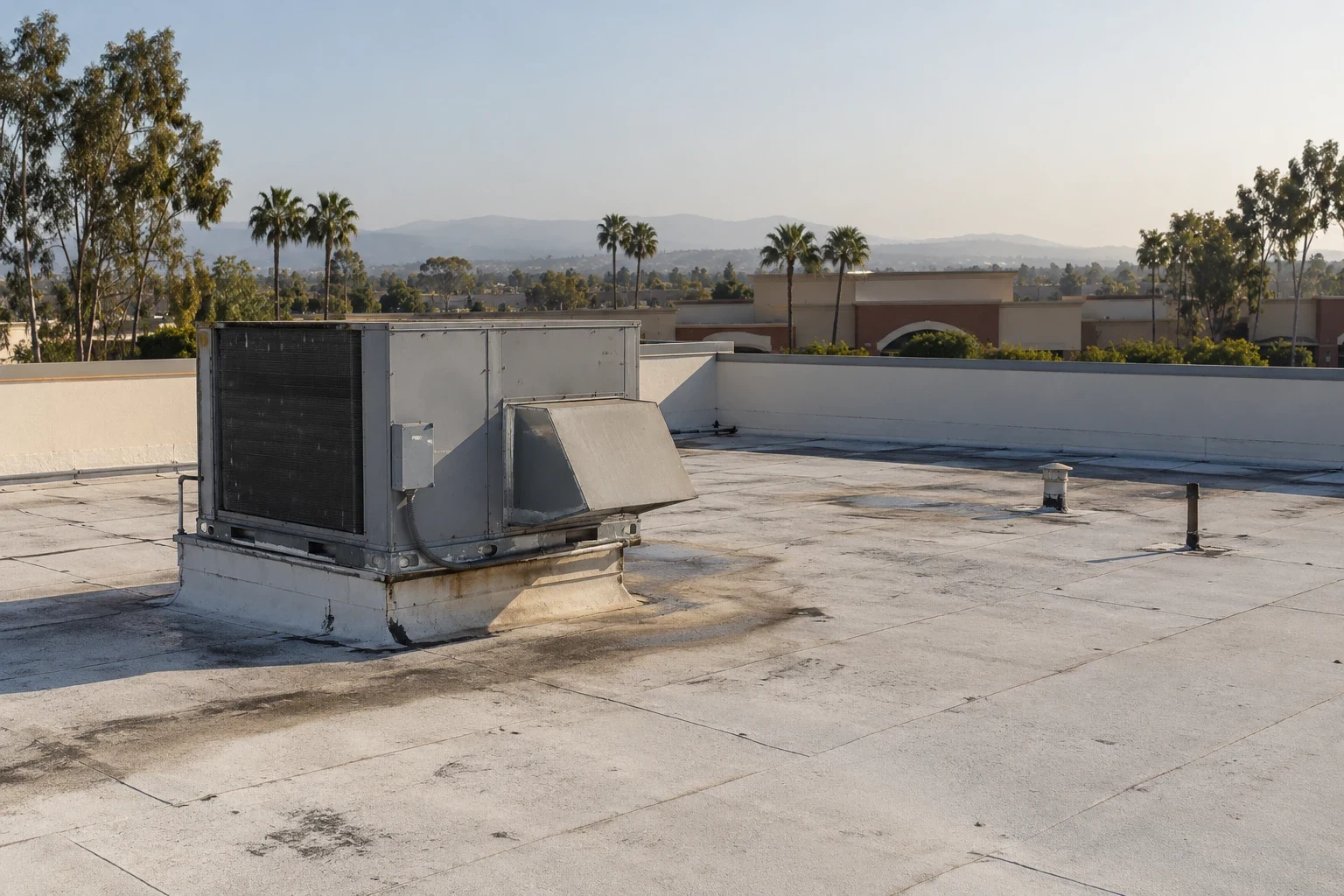
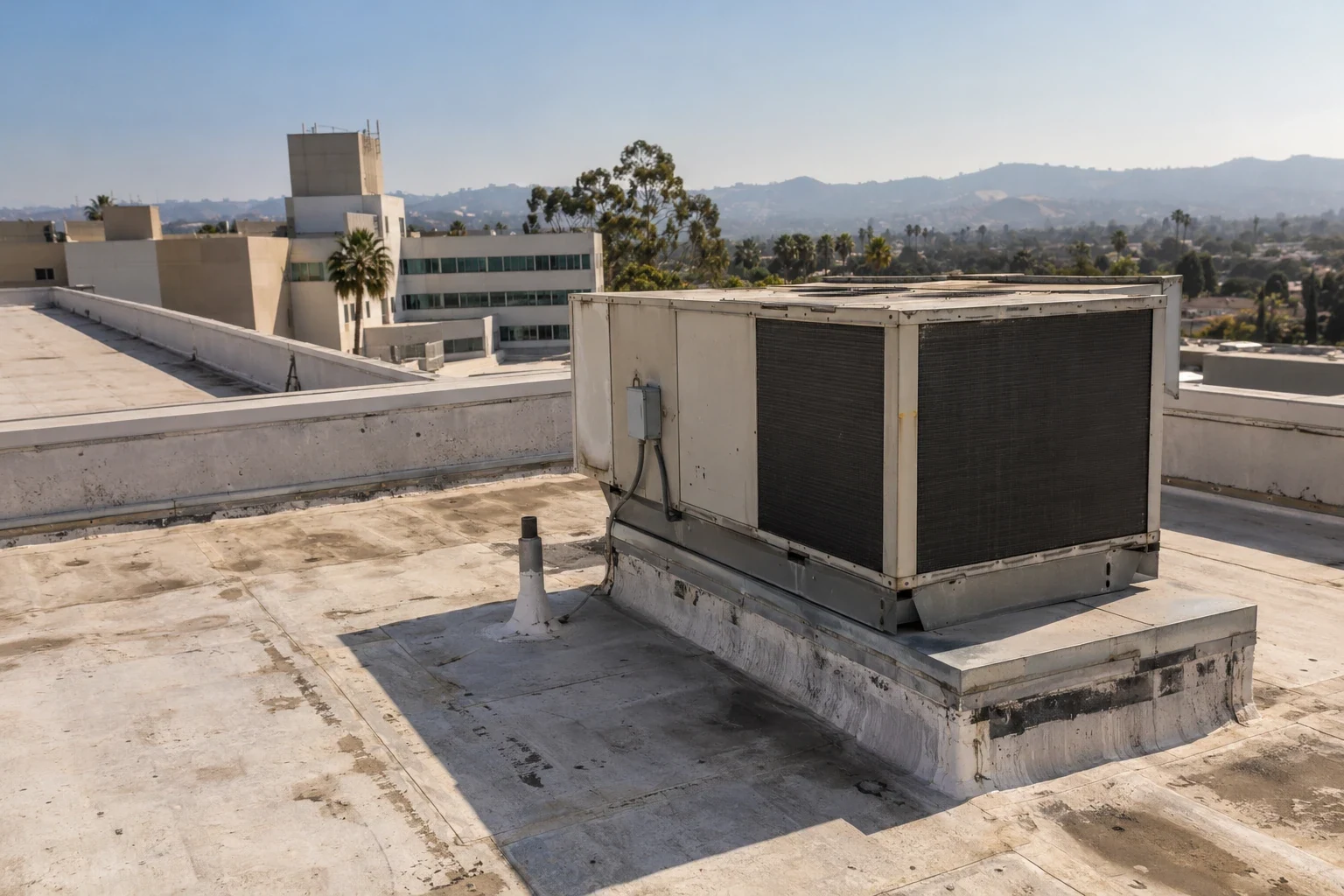
A ceiling stain can be below a drain, roof curb, exhaust duct, skylight, seam, or wall edge. We trace the likely water path instead of assuming the nearest penetration is responsible. For a restaurant, we inspect the curb and flashing around exhaust equipment, check grease-related service access, and note any recent mechanical work. At a store, rooftop units and signs may create separate transitions. The inspection record maps the roof detail to the affected room so the manager can compare later reports.
Moisture may travel across insulation before appearing above a point-of-sale counter or dining table. If testing is needed, we mark the opening and close it with compatible materials. We separate confirmed wet insulation from surrounding areas that were not tested. A restaurant roof review can include access and exhaust concerns, while each chain location still receives a scope based on its own assembly. The report states whether the condition supports a contained flashing repair, a drain correction, or another test before any larger work is priced.
Work around Store Hours and Food Service
Roof work can create noise, odor, equipment shutdowns, or a temporary change to an entrance. We confirm when the store can pause a unit, protect food-preparation areas, and keep staff out of the roof work zone. If the project requires a shutoff, the manager coordinates with the mechanical contractor and identifies who can restart the equipment. The schedule names the roof section, work duration, interior protection, and daily close-in point. A crew does not choose a kitchen shutdown window without the operator's direction.
Urgent water entry receives a different response from planned resurfacing. We can arrange emergency service around the clock, then inspect the repair area after conditions permit. A rapid roof response can reduce immediate exposure; it does not replace a permanent repair record. If several stores need attention, a multi-location operating plan can help coordinate contacts and service windows while keeping site findings separate. Each location's own access and customer rules belong in the work order.
Check Drains before the Wet Season
Visalia station normals put most monthly rain between late fall and early spring. That seasonal pattern gives chain operators a reason to check drain bowls, overflow routes, laps, and exposed sealant before the wetter stretch. A citywide seasonal pattern does not forecast conditions at an individual store. We inspect the actual roof and note whether a strainer is blocked, a sump holds water, or a seam shows movement. A drain and scupper service can be separated from membrane repairs when the two conditions have different causes.
Restaurant exhaust and rooftop units can make the drain path harder to see. We remove only owner-approved debris, inspect the flange and surrounding membrane, and identify any equipment access that needs a separate trade. A reflective coating will not correct poor slope, wet insulation, or a loose drain connection. Where the existing membrane is compatible and dry, coating restoration may be considered after the necessary repairs. A silicone restoration system has to follow manufacturer preparation and application limits, including conditions at each store.
Compare Locations without Blending Their Roofs
Chain reporting can use common fields, but a store's condition cannot be copied from another site. We label each roof section, system, drain, curb, test location, photos, and repair boundary. Corporate staff can compare repeated findings across sites while retaining the local evidence for each building. The logistics operating model may help clarify delivery windows at a distribution property, while store records should capture customer access, kitchen equipment, and landlord requirements.
The Mooney Boulevard Regional Retail Corridor is Visalia's regional retail center, and Downtown Visalia includes multiple commercial uses. Those facts help frame location-specific access discussions, but they do not establish roof condition or a chain's property list. We can inspect locations in a defined sequence and send each manager a separate report. The corporate contact receives a rollup of completed visits, open repairs, and approvals needed. Photos stay attached to the correct address and roof area so no one prices a store based on a finding from another site.
Leave Store Staff a Clear Handoff
Closeout notes should identify the repair location, material, before-and-after photos, test result, and any limitation. We record which entrance reopened, whether equipment was restarted by the proper trade, and which area needs another check. If a leak returns after rain, staff can compare the new report with the earlier roof detail. This is more useful than a generic note that a crew patched the roof, because it leaves the chain and landlord with the tested boundary and the next action.
For a multi-store review, keep invoices, roof plans, warranties, service tickets, and access contacts under each property record. A location's maintenance file should state the assembly if known, the source of that information, and what remains unconfirmed. A scheduled maintenance visit can check drains, seams, and penetrations at a time agreed with store operations. If testing finds broad deterioration, a replacement evaluation separates roof work from customer protection, equipment coordination, and staging needs.
Commercial Roofing Questions
Can roof repairs be scheduled before a store opens?
We can plan around store hours when access, weather, and the repair system allow it. The manager confirms the entrance, work zone, equipment shutdown, and close-in time before scheduling.
How do you handle a leak over a restaurant kitchen?
We identify the room and equipment below, protect the work area, and trace the roof path around exhaust curbs, drains, and seams. Food-service restrictions come from the operator.
Will a store need to close during replacement work?
Not always. The work plan depends on access, safety, noise, staging, and the roof area being opened. We identify any closure or temporary route before the chain approves the sequence.
Can one Visalia store's repair scope be reused at another?
No. We can use a common report format, but each address needs its own system identification, leak evidence, test boundary, and access plan.
What should store staff record after a leak?
Note the room, date, weather, operating equipment, and any ceiling or inventory impact. Photos and a recent service ticket help us choose where to start the roof inspection.